Your outdoor wood furniture deserves to look its best and stay protected through every season. Staining and sealing your pieces not only enhances their natural beauty but also shields them from sun, rain, and wear.
If you want your furniture to last longer and keep that fresh, vibrant look, this guide is exactly what you need. By the end, you’ll know simple, effective steps to transform your outdoor wood and keep it looking stunning year after year.
Ready to bring new life to your outdoor space? Let’s dive in.
Choosing The Right Wood
Choosing the right wood is the first step to making outdoor furniture last. Not all woods handle weather the same. Some woods resist water, insects, and sun better than others. Picking the best type helps your furniture stay strong and beautiful for years.
Types Of Outdoor Wood
Teak is a popular choice. It has natural oils that protect it from rain and bugs. Cedar is light and smells nice. It resists rot and insects well. Redwood is another good option. It is stable and does not warp easily. Pine is cheaper but needs more care. It must be sealed often to stay safe from weather.
Wood Durability Factors
Hardness matters. Harder woods last longer outside. Oil content in wood helps protect it. Higher oil means better water resistance. The wood’s grain also affects durability. Tight grain woods hold up better. How the wood is treated before use is key. Pressure-treated wood resists insects and decay. Always pick wood that suits your climate and use.
Selecting Stain And Sealant
Choosing the right stain and sealant is key to protecting outdoor wood furniture. The correct products keep wood looking fresh and guard it against weather damage. Understanding the differences between stains and sealants helps you make a smart choice. This ensures your furniture lasts longer and stays beautiful.
Oil-based Vs Water-based Stains
Oil-based stains soak deeply into the wood. They offer strong protection and bring out the wood’s natural color. These stains last longer but take more time to dry. They can have a strong smell during application.
Water-based stains dry faster and have less odor. They are easier to clean with soap and water. These stains create a lighter finish and may need more frequent reapplication. Both types work well, but think about your project’s needs.
Sealant Options For Protection
Sealants form a clear layer that shields wood from water and sunlight. Polyurethane sealants are tough and resist scratches. They work well for furniture exposed to heavy use.
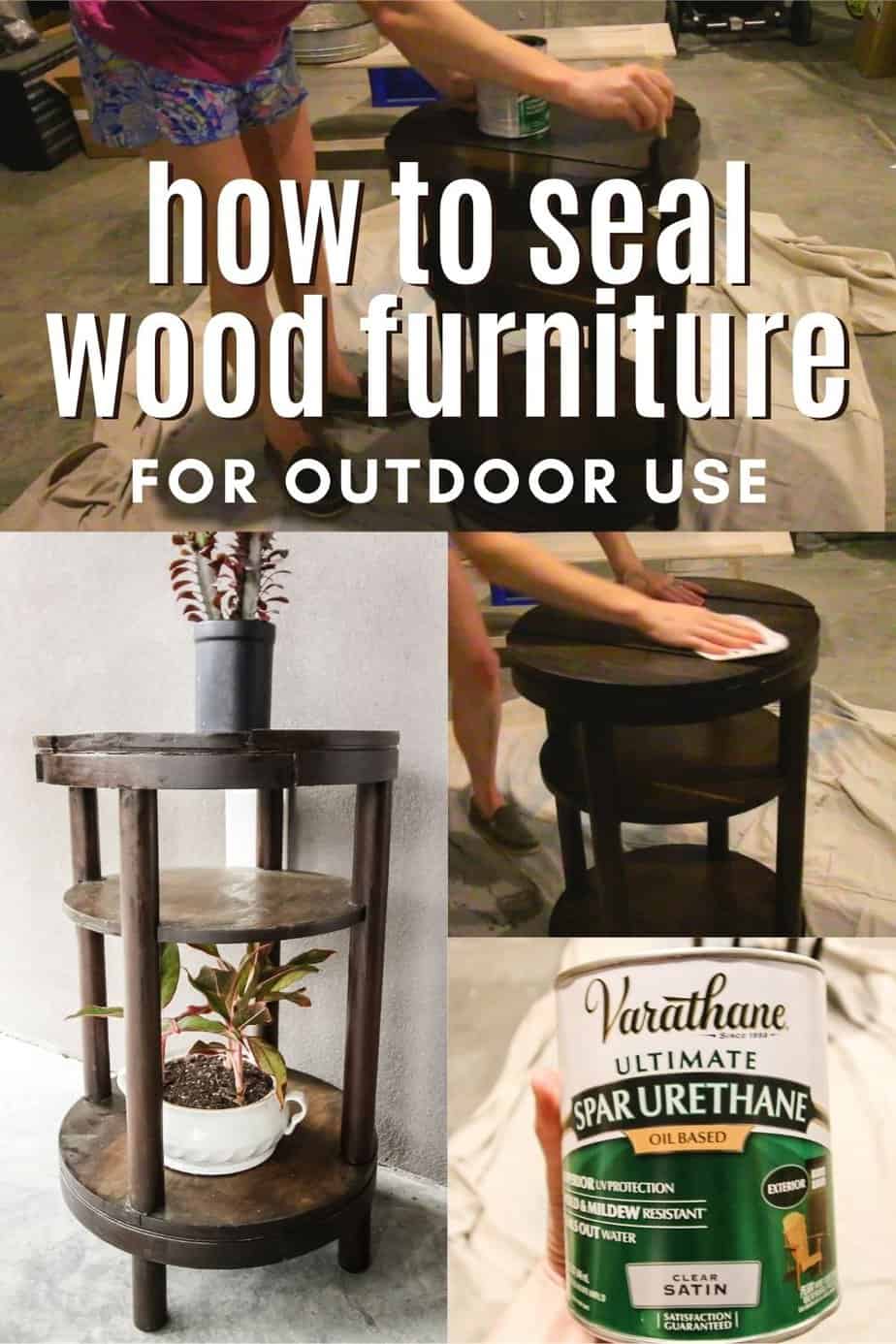
Spar urethane is flexible and handles temperature changes well. It is perfect for outdoor furniture facing rain and sun. Another choice is a clear wood sealer, which lets the wood breathe while protecting it. Pick a sealant that matches the wood type and outdoor conditions.
Preparing The Wood Surface
Preparing the wood surface is the first step in staining and sealing outdoor wood furniture. It helps the stain stick better and last longer. Clean, smooth, and repaired wood makes the final finish look great. Taking time to prepare the surface will protect the wood from weather damage.
Cleaning And Sanding Tips
Start by cleaning the wood with mild soap and water. Use a soft brush to remove dirt and grime. Let the wood dry completely before sanding. Sand the wood surface with medium-grit sandpaper to remove old finish and rough spots. Then, use fine-grit sandpaper to smooth the wood. Always sand in the direction of the grain. Wipe away dust with a damp cloth before staining.
Repairing Damages
Check the wood for cracks, holes, or splinters. Use wood filler to fill small cracks and holes. Let the filler dry as per instructions. Sand the filled areas smooth to match the surface. Replace any broken or rotten parts of the furniture. Repairing damages helps keep the wood strong and improves the finish.

Credit: www.backyarddiscovery.com
Applying The Stain
Applying the stain is an important step to protect and beautify your outdoor wood furniture. It helps the wood resist water, sun damage, and wear. Staining also brings out the natural grain and color of the wood. This section explains how to apply the stain properly for the best results.
Tools Needed
- Paintbrush or foam brush
- Clean rags or cloths
- Sandpaper (medium and fine grit)
- Stain of your choice
- Gloves to protect your hands
- Drop cloth or old newspapers
- Stir stick for the stain
Step-by-step Staining Process
Start by sanding the wood surface with medium-grit sandpaper. This removes rough spots and opens the wood pores. After sanding, wipe the surface clean with a dry cloth.
Stir the stain well using a stir stick to mix pigments evenly. Avoid shaking the can to prevent bubbles. Put on gloves to protect your skin.
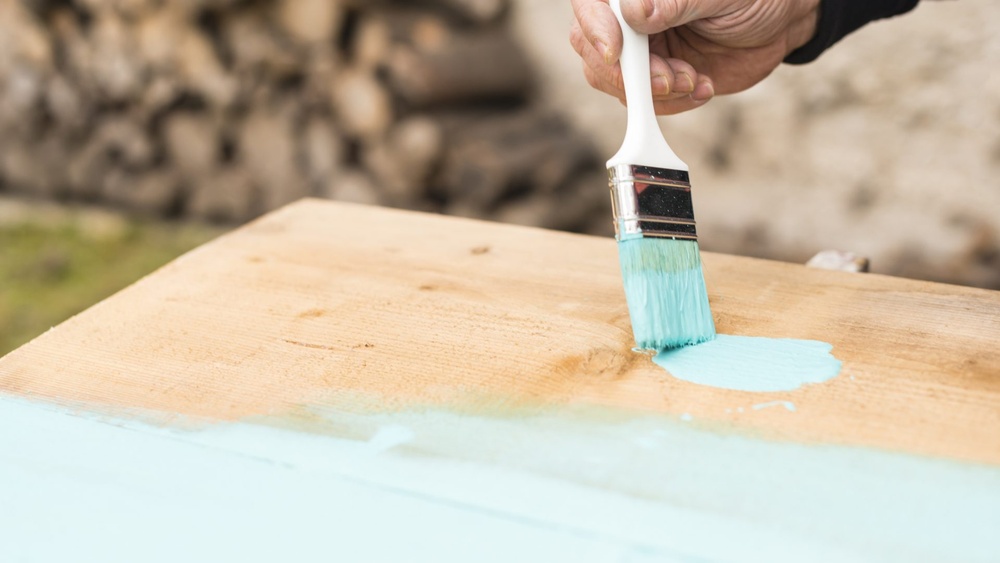
Apply the stain with a brush or cloth, working along the wood grain. Use smooth, even strokes to spread the stain. Cover all areas, but do not over-apply.
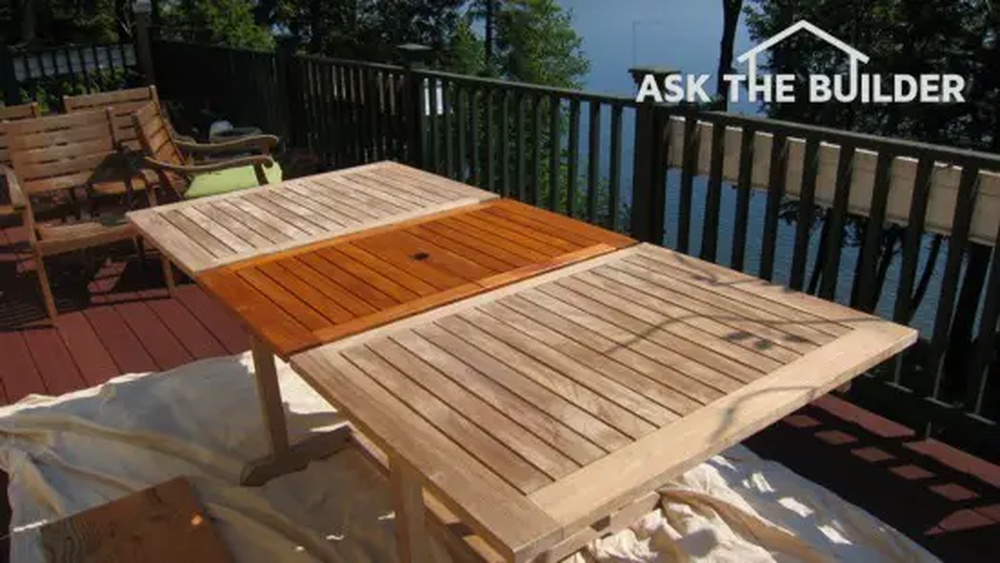
Wait a few minutes, then wipe off excess stain with a clean cloth. This step controls the color intensity and avoids sticky spots.
For darker color, apply a second coat after the first one dries. Follow the same method as before, keeping strokes even and smooth.
Drying Times
Allow the stain to dry for at least 24 hours. Drying time depends on temperature and humidity. Cooler or humid weather may slow drying.
Do not rush this step. The wood must be fully dry before sealing. Touch the surface lightly to check dryness.
Proper drying ensures the stain lasts longer and looks better. Wait until the wood feels dry and no sticky residue remains.
Sealing The Furniture
Sealing outdoor wood furniture is a crucial step to protect it from rain, sun, and wear. It creates a barrier that keeps moisture out and prevents damage. Sealing also enhances the wood’s natural beauty and extends its life. Proper sealing keeps furniture looking fresh and strong for years.
Choosing The Right Sealant
Pick a sealant made for outdoor wood. Look for water-resistant or waterproof options. Oil-based sealants penetrate deep and last longer. Water-based sealants dry quickly and have less odor. Clear sealants keep the wood color natural. Tinted sealants add color and protect against UV rays.
Application Techniques
Use a brush, roller, or spray to apply sealant. Apply in thin, even coats for best results. Brush along the wood grain to avoid streaks. Avoid thick layers that can peel or crack. Wipe off any excess sealant after a few minutes. Apply sealant on all surfaces, including corners and edges.
Curing Time
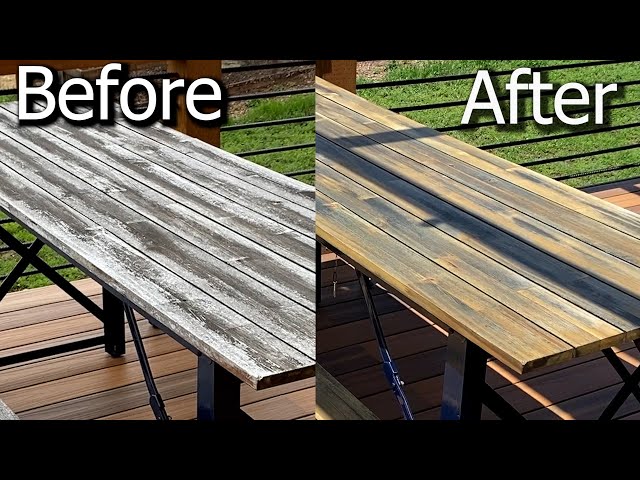
Let the sealant dry fully before use. Drying time depends on the type of sealant and weather. Oil-based sealants take longer, about 24 to 48 hours. Water-based sealants dry faster, usually 2 to 4 hours. Avoid using furniture too soon to prevent damage. Full curing may take up to a week for best protection.
Credit: www.youtube.com
Maintenance Tips
Maintaining your outdoor wood furniture helps it last longer and look better. Proper care protects the wood from weather damage and keeps the stain and sealant effective. Regular attention prevents costly repairs and preserves the furniture’s natural beauty.
Cleaning And Touch-ups
Clean your furniture regularly with a soft brush or cloth. Use mild soap and water to remove dirt and grime. Avoid harsh chemicals that can damage the wood or finish.
Check for small cracks or chips in the stain or sealant. Touch up these spots with matching stain or sealant to prevent water from seeping in. This simple step keeps the wood protected and strong.
Seasonal Care
Prepare your furniture for each season to avoid damage. In fall, clean and apply a fresh coat of sealant to protect against winter moisture. In spring, remove any mold or mildew that may have formed.
Cover the furniture or store it indoors during harsh weather. This extra step shields the wood from extreme sun, rain, and snow. Seasonal care helps maintain the furniture’s color and durability year-round.
Common Mistakes To Avoid
Staining and sealing outdoor wood furniture protects it from weather damage and keeps it looking great. Many people make mistakes during this process. These errors can ruin the finish or shorten the furniture’s life. Avoiding common mistakes ensures the wood stays beautiful and strong for years.
Understanding what not to do is as important as knowing the right steps. Here are some common mistakes to avoid when staining and sealing your outdoor wood furniture.
Not Preparing The Wood Properly
Skipping sanding or cleaning leads to poor stain absorption. Dirt, old paint, or rough spots stop the stain from soaking in evenly. Always clean the wood and sand it smooth before staining.
Applying Stain In Direct Sunlight
Staining furniture under the hot sun makes the stain dry too fast. This causes uneven color and blotches. Work in a shaded area or when the sun is low.
Using Too Much Stain Or Sealant
Applying thick layers does not improve protection. Thick coats can drip, peel, or take too long to dry. Use thin, even coats and let each dry fully before the next.
Not Testing The Stain First
Different woods absorb stain differently. Testing on a small hidden spot helps avoid unwanted color results. Always try the stain before applying it on all surfaces.
Ignoring Weather Conditions
Rain or high humidity can ruin stain and sealant. Moisture prevents proper drying and causes cloudiness. Check the weather forecast and choose dry days for your project.
Skipping The Sealant Step
Stain alone does not protect wood fully. Sealant adds a waterproof layer and shields wood from UV rays. Always finish with a quality sealant for long-lasting results.
Credit: www.charlestoncrafted.com
Frequently Asked Questions
How Do I Prepare Wood Before Staining?
Clean the wood surface thoroughly, removing dirt and old finishes. Sand the wood smoothly to ensure even stain absorption. Wipe off dust with a damp cloth before applying stain.
What Type Of Stain Is Best For Outdoor Wood?
Use a high-quality, exterior-grade stain. Oil-based stains penetrate deeply and resist weather well. Water-based stains dry faster and have lower odor but may need more coats.
How Long Should I Wait Before Sealing Stained Wood?
Allow the stain to dry completely, usually 24 to 48 hours. Check the manufacturer’s instructions for exact drying times. Sealing too soon can cause uneven finish or peeling.
Can I Stain And Seal Wood In Humid Weather?
Avoid staining and sealing in high humidity or rain. Moisture prevents proper drying and adhesion. Wait for dry, mild weather with low humidity for best results.
Conclusion
Staining and sealing outdoor wood furniture protects it from weather damage. It keeps the wood looking fresh and lasts longer. Clean the wood well before applying stain for best results. Use a brush or cloth to spread stain evenly. Let the stain dry completely before sealing.
Sealers add an extra layer of protection against water and sun. Regular maintenance helps your furniture stay strong and beautiful. Enjoy your outdoor space with wood furniture that stands the test of time. Simple steps make a big difference in care and durability.