Choosing the right fabric for your toddler’s bed quilt is more important than you might think. You want something soft, safe, and durable—something that keeps your little one cozy through every nap and night.
But with so many options out there, how do you know which fabric is the best fit? You’ll discover exactly how much fabric you need and what types work best for toddler quilts. By the time you finish reading, you’ll feel confident creating a quilt that’s perfect for your child’s comfort and style.
Let’s get started!

Credit: www.amazon.com
Choosing The Right Fabric
Choosing the right fabric for a toddler bed quilt matters a lot. It affects comfort, safety, and how long the quilt lasts. Toddlers have sensitive skin. The fabric needs to be soft and safe. Parents want a quilt that can handle spills and rough use. This section helps you understand the best fabric choices for your little one.
Natural Vs Synthetic Materials
Natural fabrics come from plants or animals. Cotton and wool are common examples. They feel soft and allow air to pass through. Synthetic fabrics are made from chemicals. Polyester is a popular synthetic material. Natural fabrics are often better for sensitive skin. Synthetics can be stronger but may trap heat. Choose based on your toddler’s comfort and any allergies.
Breathability And Softness
Breathable fabric keeps your toddler cool and dry. Cotton is very breathable and feels soft against skin. Softness helps your child sleep well without irritation. Avoid rough or stiff fabrics. Breathable and soft fabric reduces the chance of rashes or discomfort. It makes the quilt cozy for naps and bedtime.
Durability For Toddler Use
Toddlers can be rough with their quilts. The fabric must withstand frequent washing and play. Strong fabrics like cotton blends last longer. Avoid materials that tear or pill easily. Durable fabric keeps the quilt looking good over time. It saves money by needing fewer replacements.
Fabric Types For Toddler Quilts
Choosing the right fabric for a toddler bed quilt is very important. The fabric affects comfort, warmth, and safety. Toddlers have sensitive skin, so soft and gentle materials work best. This section explains popular fabric types for toddler quilts. Each type has its own benefits and feel.
Cotton Varieties
Cotton is soft, breathable, and easy to clean. It keeps toddlers cool in summer and warm in winter. Different cotton types include combed cotton, which feels smooth and strong. Muslin cotton is light and airy, perfect for warmer nights. Cotton quilts are durable and safe for everyday use.
Fleece And Flannel Options
Fleece and flannel fabrics are warm and cozy. Fleece is thick and soft, ideal for cold weather. Flannel has a brushed surface that feels gentle on skin. These fabrics hold heat well, helping toddlers stay snug. Both are easy to wash and quick to dry.
Organic Fabric Choices
Organic fabrics are made without harmful chemicals. They are gentle on a toddler’s skin and the environment. Organic cotton and bamboo fabrics are popular choices. These materials are breathable and soft, reducing allergy risks. Choosing organic means better comfort and safety for little ones.
Ideal Fabric Weight And Thickness
Choosing the right fabric weight and thickness is key for a toddler bed quilt. It affects comfort and warmth during sleep. The fabric should match the climate and season. Too thick or too thin fabric can cause discomfort. Understanding fabric weight helps pick the best quilt for your toddler.
Lightweight Fabrics For Warm Climates
Lightweight fabrics keep toddlers cool in warm weather. Materials like cotton and linen are soft and breathable. They allow air to flow, reducing sweat and overheating. Thin fabrics also feel gentle on sensitive skin. A lightweight quilt made from these fabrics suits summer and hot rooms.
Heavier Fabrics For Cooler Nights
Heavier fabrics provide warmth during cold nights. Wool and flannel are excellent choices for thickness and insulation. These fabrics trap heat and keep toddlers cozy. A thicker quilt with these materials helps prevent chills and restless sleep. It fits best for winter or cooler indoor temperatures.
Safety Considerations
Choosing the right fabric for a toddler bed quilt is very important for safety. Toddlers have sensitive skin and need extra care. The fabric must protect them from allergies and harmful chemicals. Parents should know what to check before buying.
Hypoallergenic Fabrics
Hypoallergenic fabrics help prevent skin irritation and allergies. These fabrics do not trap dust mites or allergens easily. Cotton and bamboo are good choices. They allow air to flow, keeping the child comfortable. Avoid synthetic fabrics that can cause rashes or itchiness.
Non-toxic Dyes And Treatments
Non-toxic dyes ensure the quilt is safe for toddlers. Some dyes contain chemicals that can harm sensitive skin. Choose quilts colored with natural or low-impact dyes. Also, check that the fabric has no harmful chemical treatments. This reduces the risk of skin reactions and breathing problems.
Maintenance And Care
Maintaining and caring for the fabric of a toddler bed quilt helps keep it soft and fresh. Proper care prevents damage and extends the quilt’s life. Toddlers can be messy, so regular cleaning is important. Follow simple steps to keep the quilt looking its best.
Washing Tips For Longevity
Use cold water to wash the quilt fabric. Cold water stops colors from fading. Choose a gentle cycle on the washing machine. Avoid harsh detergents that can weaken the fabric. Use mild, baby-friendly soap instead. Always wash the quilt separately to protect it. Dry the quilt by air-drying or on low heat. High heat can shrink or damage the fabric. Regular washing keeps the quilt clean and soft.
Stain Removal Techniques
Treat stains as soon as possible to avoid setting. Blot the stain gently with a clean cloth. Use a small amount of mild detergent on the stain. Rub softly to lift the mark without damaging fabric. Avoid strong chemicals that may harm the quilt. For stubborn stains, use a mixture of water and white vinegar. Rinse well to remove any residue. Repeat the process if needed until the stain fades.
Credit: seekatesew.com
Combining Fabrics For Comfort
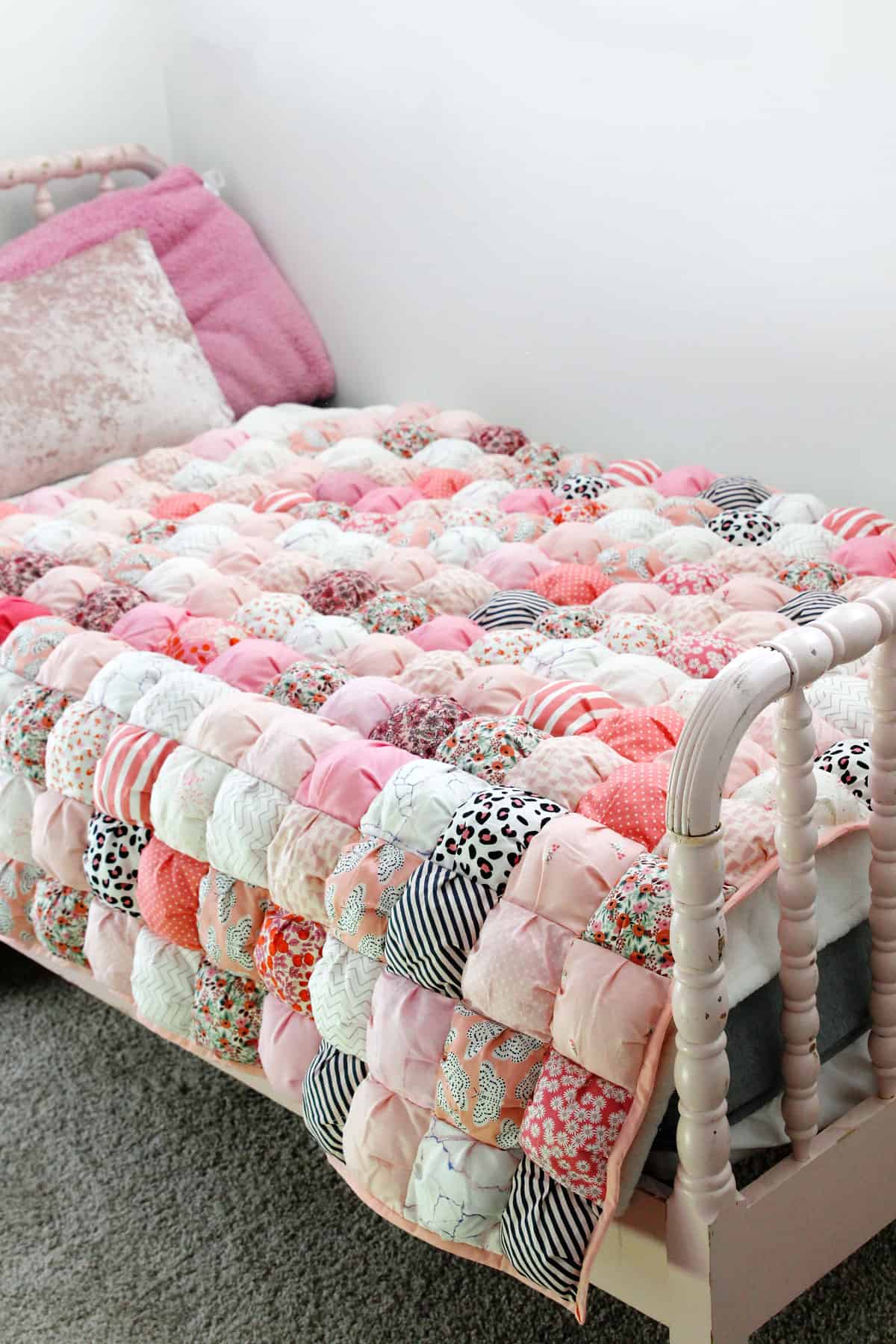
Combining fabrics for a toddler bed quilt creates a cozy and safe sleeping space. Choosing the right mix helps keep your child comfortable all night. Softness, warmth, and breathability are key factors to consider. Using different fabrics together can balance these qualities well.
Layering Materials
Layering is a smart way to improve comfort in a toddler quilt. Start with a soft, gentle fabric next to the skin, like cotton. Add a middle layer for warmth, such as fleece or wool. The outer layer should be durable and easy to clean, like a cotton blend. This mix keeps your toddler warm without overheating.
Mixing Textures
Combining textures makes the quilt more interesting and soothing. Smooth fabrics feel nice and calm, while fluffy textures add extra softness. Mixing these textures can help your child feel relaxed and secure. Use gentle fabrics that do not irritate sensitive skin. This creates a quilt your toddler will love to snuggle.
Credit: suzyquilts.com
Frequently Asked Questions
How Much Fabric Is Needed For A Toddler Bed Quilt?
For a toddler bed quilt, you typically need about 1. 5 to 2 yards of fabric. This amount covers the quilt top, backing, and binding. Always add extra for seam allowances and quilting patterns. Exact fabric needed depends on quilt size and design complexity.
What Fabric Types Are Best For Toddler Bed Quilts?
Cotton and flannel are ideal for toddler bed quilts. They are soft, breathable, and easy to wash. These fabrics ensure comfort and durability, making them perfect for a child’s sensitive skin and everyday use.
How To Calculate Fabric For Toddler Quilt Backing?
Calculate backing fabric by adding 6 to 8 inches to both quilt length and width. This ensures enough fabric to wrap around the edges. Measure your quilt size accurately to avoid shortages or excess fabric.
Can I Use Patterned Fabric For Toddler Quilts?
Yes, patterned fabric adds fun and personality to toddler quilts. Choose child-friendly designs with bright colors. Patterns can also hide stains better, making the quilt practical for daily use.
Conclusion
Choosing the right fabric for a toddler bed quilt matters a lot. Soft, breathable materials keep your child cozy and safe. Natural fabrics like cotton offer comfort and durability. Avoid rough or synthetic fabrics that may irritate sensitive skin. Remember, a good quilt helps your toddler sleep well and feel secure.
Simple choices make a big difference in your child’s comfort. Keep these tips in mind when picking fabric. Your toddler deserves the best rest every night.