Is your bookshelf wall looking wobbly or uneven? You’re not alone, and fixing it might be easier than you think.
A sturdy, well-aligned bookshelf wall can transform your space, making it both functional and stylish. In this guide, you’ll discover simple, step-by-step tips to repair and strengthen your bookshelf wall. Whether you want to stop those annoying creaks or prevent your books from toppling over, this article is made for you.
Keep reading, and you’ll have your bookshelf wall looking perfect and safe in no time.
Assessing Wall And Bookshelf Condition
Before fixing a bookshelf wall, start by checking its condition. Assess both the wall and the bookshelf carefully. This step helps find problems early. It also guides the repair process. A good assessment keeps the project safe and effective.
Check Wall Stability
First, test the wall’s strength. Press gently on different spots. Look for any movement or cracks. Walls with big cracks may need extra support. Check if the wall feels firm or shaky. A stable wall will hold the bookshelf safely.
Inspect Bookshelf Structure
Next, examine the bookshelf itself. Look at shelves, sides, and back panels. Check if shelves are loose or warped. Make sure screws and nails are tight. The structure must be solid for heavy books. Weak parts need fixing or replacing.
Identify Damage And Weak Points
Find all damaged areas on both wall and shelf. Look for water stains, holes, or mold. Spots with peeling paint or wood rot are weak. Mark these areas for repair. Fixing weak points prevents future problems.
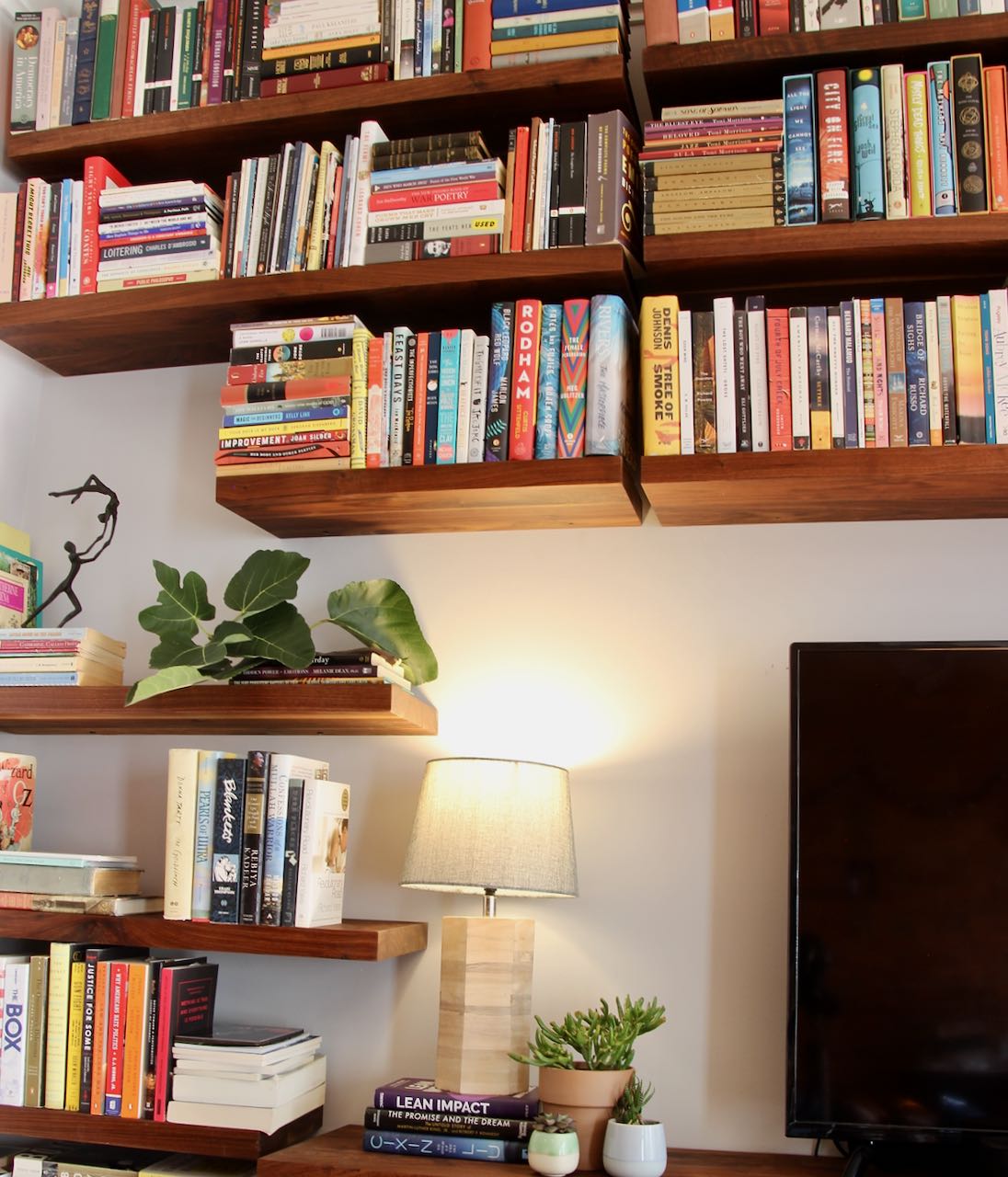
Credit: southhousedesigns.com
Gathering Tools And Materials
Fixing a bookshelf wall starts with collecting the right tools and materials. Having everything ready makes the work easier and faster. Preparing well helps avoid interruptions during the project. You will feel more confident and organized this way.
Below are the key items you need. These tools and materials are common and easy to find. Safety gear is also important to protect yourself while working.
Essential Tools List
- Electric drill with drill bits
- Screwdriver set
- Stud finder
- Measuring tape
- Level
- Hammer
- Pencil
- Utility knife
- Clamps
Recommended Materials
- Wood boards or panels for shelves
- Wall anchors or screws
- Brackets for support
- Wood glue
- Sandpaper
- Paint or wood finish
- Wood filler for holes
Safety Equipment
- Safety goggles to protect eyes
- Work gloves to protect hands
- Dust mask for sawdust
- Ear protection if using loud tools
- Proper footwear for stability
Preparing The Work Area
Preparing the work area is an important step before fixing a bookshelf wall. A clean and organized space makes the project easier. It also helps keep tools and materials close. Safety improves when the area is ready.
Clear Surrounding Space
Remove any furniture or items near the wall. This gives you enough room to work freely. Clear floors prevent tripping or accidents. It also avoids damage to your belongings. Keep the space open for movement and tools.
Protect Floors And Furniture
Cover floors with a drop cloth or old sheets. This protects from dust, paint, or scratches. Move furniture away or cover it with plastic. Secure coverings to avoid slipping or shifting. Protecting surfaces keeps your home clean and safe.
Set Up Lighting
Good lighting is key for this task. Use bright lamps or portable lights near the work area. Avoid shadows that hide nails or screws. Natural light works well during the day. Proper lighting helps you work quickly and accurately.

Credit: www.reddit.com
Securing The Bookshelf To The Wall
Securing the bookshelf to the wall is essential for safety and stability. It stops the shelf from tipping over. This step is important in homes with kids or pets. A firmly attached shelf holds books and decorations without wobbling. Follow clear steps to make sure your bookshelf stays in place.
Locate Wall Studs
First, find the wall studs behind your shelf. Studs are wooden beams that support the wall. Use a stud finder tool for accuracy. Move the tool slowly across the wall surface. Mark each stud location with a pencil. Anchoring into studs gives the strongest hold for your shelf.
Choose Proper Fasteners
Select fasteners that match your wall type and shelf weight. Wood screws work well for wooden studs. Use drywall anchors for plaster or drywall without studs. Pick screws long enough to go through the shelf and deep into the stud. This ensures a firm and safe connection.
Attach Brackets And Supports
Place brackets at marked stud spots on the wall. Hold the bookshelf up and mark bracket positions on the shelf. Drill pilot holes in both wall and shelf to avoid splitting wood. Screw brackets tightly to wall and shelf. Check the shelf’s balance and adjust if needed.
Reinforcing The Bookshelf Frame
Reinforcing the bookshelf frame is key to making your bookshelf sturdy and safe. A strong frame supports heavy books and prevents wobbling. Small fixes can make a big difference in its durability.
Add Corner Braces
Corner braces help hold the frame together tightly. Attach metal braces inside each corner of the bookshelf. Use screws to secure the braces firmly to the wood. This stops the frame from shifting or loosening over time.
Replace Or Tighten Screws
Old or loose screws weaken the bookshelf frame. Check all screws and tighten any that feel loose. Replace screws that are rusty or stripped. Using new screws adds strength and keeps the frame solid.
Strengthen Shelves
Weak shelves can sag under heavy books. Add support by attaching wooden strips under each shelf. This spreads the weight evenly and stops bowing. Use strong screws to fix the strips in place.
Repairing Wall Damage
Repairing wall damage is an important step before installing a bookshelf. Walls often have small holes, cracks, or stains from previous use. Fixing these issues improves the wall’s strength and looks. This helps the bookshelf stay stable and the room appear neat.
Patch Holes And Cracks
Start by cleaning the damaged area with a brush or cloth. Remove loose debris from holes or cracks. Use wall putty or spackle to fill the gaps. Apply the filler smoothly with a putty knife. Let it dry fully. After drying, sand the surface until it feels smooth and even.
Repaint Or Refinish
Choose paint that matches the existing wall color. Use primer first for better paint adhesion. Apply paint with a brush or roller in thin layers. Let each layer dry before applying the next. This prevents uneven color and streaks. Repainting refreshes the wall and hides patches clearly.
Ensure Wall Dryness And Cleanliness
Check the wall for moisture before starting repairs. Wet walls cause paint to peel and filler to fail. Use a dry cloth or fan to remove dampness. Clean the wall surface by wiping off dust and dirt. A clean, dry wall helps repairs last longer and look better.
Testing Stability And Load Capacity
Testing the stability and load capacity of your bookshelf wall ensures safety and durability. This step helps identify weak points before placing many items on the shelves. Proper testing prevents accidents and protects your belongings.
Apply Gradual Weight
Start by placing light items on the shelves. Increase the weight little by little. This method helps the structure adjust to the load. Watch how the shelves hold each addition carefully.
Check For Movement Or Creaking
Listen closely for sounds like creaking or cracking. Look for any shaking or bending. Small movements can mean the shelves need support. Catch these signs early to avoid bigger problems.
Make Adjustments If Needed
Tighten screws or bolts if you see movement. Add brackets or supports for extra strength. Replace damaged parts right away. Adjustments improve stability and keep the shelves safe.

Credit: www.wikihow.com
Maintenance Tips For Long-lasting Support
Keeping your bookshelf wall strong requires simple, regular care. Small actions can prevent big problems later. These maintenance tips help your shelf support books safely and last longer.
Regular Inspections
Check your bookshelf wall every few months. Look for loose screws, cracks, or warping wood. Early spotting helps fix issues before they get worse. Tighten any loose hardware carefully. Replace damaged parts quickly to keep the shelf stable.
Avoid Overloading
Bookshelves have weight limits. Do not place too many heavy books or items on one shelf. Spread weight evenly across shelves. Overloading causes shelves to bend or fall. Use the right anchors and brackets for the shelf size and weight.
Keep Wall And Bookshelf Clean
Dust and dirt can damage both the wall and shelf. Wipe surfaces gently with a soft cloth every month. Avoid using harsh chemicals that can ruin paint or wood. Clean areas behind and under the shelf to prevent buildup. A clean shelf wall looks better and stays stronger.
Frequently Asked Questions
How Do I Fix A Wobbly Bookshelf Wall?
To fix a wobbly bookshelf wall, first secure the shelves to wall studs using strong brackets. Use a level to ensure shelves are straight. Tighten all screws and add wall anchors if necessary for extra stability.
What Tools Are Needed To Fix A Bookshelf Wall?
You need a drill, screwdriver, level, stud finder, wall anchors, screws, and brackets. These tools help secure the shelves firmly to the wall and ensure stability.
How Can I Prevent Bookshelf Wall Damage?
Prevent damage by avoiding overloading shelves. Distribute weight evenly and use proper wall anchors. Regularly check for loose screws and tighten them to maintain shelf stability.
How Do I Align Shelves On A Bookshelf Wall?
Use a level to align shelves horizontally. Mark positions on the wall before drilling. Secure brackets firmly to wall studs for proper support and alignment.
Conclusion
Fixing a bookshelf wall can feel simple with clear steps. Start by checking for loose boards or nails. Tighten or replace parts as needed. Use the right tools for safety and better results. Keep your workspace clean and organized. Small repairs prevent bigger problems later.
Take your time and work carefully. Soon, your bookshelf will look sturdy and neat. Enjoy your improved space with pride.