Are you looking to give your outdoor furniture a fresh new look without the hassle of replacing it? You might be wondering, can you paint over stained outdoor furniture and still get a beautiful, lasting finish?
The answer isn’t as simple as it seems. If you rush into painting without the right steps, your furniture could end up looking worse or the paint might peel quickly. But don’t worry — you’ll discover exactly what you need to know to transform your stained outdoor pieces into eye-catching highlights of your patio.
Keep reading to learn how to get it right the first time and make your outdoor space shine.
/SPR-how-to-stain-over-paint-4587769-hero-8f8802e404cf403b91262cb142d64712.jpg)
Credit: www.thespruce.com
Assessing Your Outdoor Furniture
Before painting over stained outdoor furniture, start by assessing it carefully. This step helps you know what work is needed. It also prevents mistakes that can ruin your project.
Check the furniture’s type, condition, and stain. These details guide your painting process. A clear assessment saves time and effort.
Identifying The Material
First, find out what material your furniture is made of. Wood, metal, plastic, or wicker need different care. Wood furniture absorbs paint better than metal or plastic. Knowing the material helps you pick the right paint and tools.
Checking The Condition
Look closely for damage like cracks, rust, or peeling. Damaged furniture needs repair before painting. Sand rough spots and clean dirt or mold. Good surface preparation makes paint last longer. Avoid painting over broken or weak areas.
Evaluating The Existing Stain
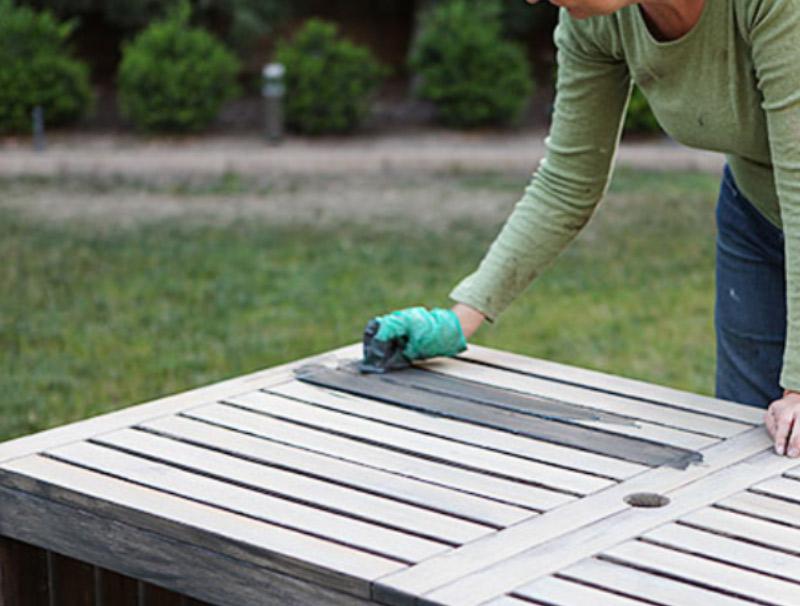
Check the stain’s type and thickness on the furniture. Some stains block paint from sticking well. Dark or oil-based stains need special primers. Light stains might only need sanding. Knowing the stain helps you choose the right primer and paint.
Credit: ahomefordesign.com
Preparing The Surface
Preparing the surface is a key step before painting over stained outdoor furniture. It helps the paint stick well and last longer. Proper preparation also ensures a smooth, even finish without peeling or cracking. Take time to clean, sand, and remove the old finish carefully.
Cleaning The Furniture
Start by cleaning the furniture thoroughly. Remove dirt, dust, and grime using a mild soap and water solution. Use a soft brush to scrub corners and crevices. Rinse with clean water and let it dry completely. Clean surfaces help paint stick better and prevent bumps.
Sanding For Better Adhesion
Lightly sand the furniture surface with fine-grit sandpaper. This roughens the smooth finish and helps paint grip firmly. Sand all areas evenly, focusing on spots with glossy or chipped stain. Wipe away sanding dust with a damp cloth. Sanding creates a good base for paint to bond.
Removing Old Finish Or Stain
Strip off any loose or peeling old finish before painting. Use a chemical stripper or sand deeper if needed. Removing the old stain prevents uneven color and paint peeling. Make sure the surface is smooth and clean after stripping. This step ensures your paint job looks fresh and lasts long.
Choosing The Right Paint
Choosing the right paint for your outdoor furniture is very important. The paint must protect the wood from weather. It should also stick well to the stained surface. Picking the correct paint makes the furniture last longer and look great.
Types Of Paint Suitable For Outdoor Use
Latex paint is a popular choice for outdoor furniture. It dries quickly and cleans up easily with water. It resists cracking and fading. Oil-based paint is very durable and sticks well to wood. It protects better against moisture. Chalk paint gives a matte finish and works well on stained wood. It needs a clear topcoat for protection.
Paint Vs. Stain: What Works Best
Paint covers the wood completely. It hides the old stain and color. Paint offers strong protection from sun and rain. Stain soaks into the wood and shows its texture. It enhances the natural look but does not hide stains fully. Paint is better if you want a new color. Stain works if you want to keep the wood’s natural beauty.
Selecting Colors And Finishes
Bright colors add style and brighten up outdoor spaces. Neutral shades blend well with nature. Choose satin or semi-gloss finishes for easy cleaning. Glossy finishes reflect light and look shiny. Matte finishes hide imperfections but may be harder to clean. Pick a color and finish that matches your style and needs.
:max_bytes(150000):strip_icc()/SPR-how-to-stain-over-paint-4587769-hero-8f8802e404cf403b91262cb142d64712.jpg)
Credit: www.thespruce.com
Painting Techniques
Painting stained outdoor furniture needs careful steps for best results. Proper painting techniques help paint stick well and last longer. This section explains how to prepare and paint your furniture with simple methods.
Priming The Surface
Start by cleaning the furniture to remove dirt and grease. Use a mild soap and water, then let it dry fully. Sand the surface lightly to help the primer stick better. Choose a primer made for outdoor wood or the furniture material. Apply a thin, even coat of primer. Let it dry completely before moving on.
Applying Paint Correctly
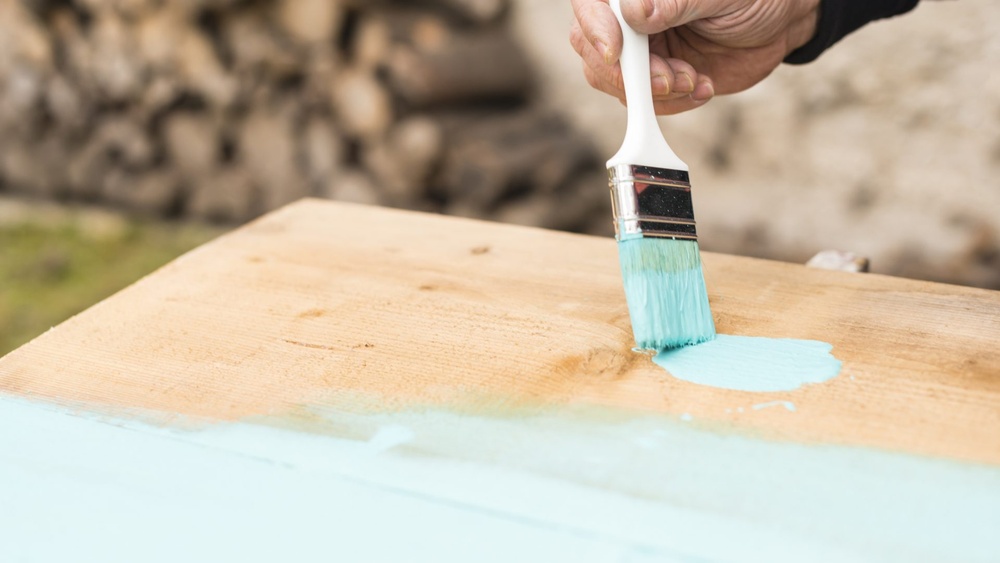
Use a high-quality paint designed for outdoor use. Apply paint with a brush or roller in smooth, even strokes. Avoid thick layers to prevent drips and uneven finish. Paint along the grain or shape of the furniture. Work in small sections to keep control and neatness. Allow the first coat to dry fully before adding more.
Multiple Coats And Drying Times
Applying several coats gives better color and protection. Wait the recommended time between coats, usually a few hours. Lightly sand between coats for a smooth finish. More coats help cover the old stain completely. Finish with a final coat and let it cure well before use.
Protecting Your Painted Furniture
Protecting your painted outdoor furniture keeps it looking fresh and new. Paint alone cannot stop damage from sun, rain, and dirt. You need extra protection to make your paint last longer. Simple steps can help preserve your furniture’s beauty for many seasons.
Using Sealants For Longevity
Sealants form a clear layer over paint. This layer blocks moisture and sun damage. Choose a sealant made for outdoor use. Apply it with a brush or spray for even coverage. Let the sealant dry fully before using the furniture. Reapply sealant every year to keep protection strong.
Maintenance Tips For Outdoor Painted Furniture
Clean furniture regularly with a soft cloth and mild soap. Avoid harsh chemicals that can eat away at paint and sealant. Cover furniture during heavy rain or snow. Store it indoors if possible during winter months. Check for any signs of wear or damage often to act fast.
Repairing Chips And Peeling Paint
Small chips can let water damage wood underneath. Sand the chipped area gently with fine sandpaper. Clean the surface to remove dust. Apply a matching paint color carefully with a small brush. After it dries, add a sealant coat. Fix peeling paint by scraping loose paint first, then repaint and seal.
Common Mistakes To Avoid
Painting over stained outdoor furniture can refresh its look. Avoiding common mistakes helps the paint last longer and look better. These errors often cause peeling, bubbling, or uneven color. Knowing what to avoid saves time and money.
Ignoring Surface Preparation
Cleaning and sanding the surface is crucial. Dirt, oil, and old finish block paint from sticking well. Skipping these steps leads to peeling or chipping paint. Always wash the furniture and let it dry fully. Sand rough spots to create a smooth base for paint.
Using The Wrong Paint
Not all paints work on stained wood or outdoor furniture. Choose paint made for exterior use and wood surfaces. Using indoor paint or the wrong type causes cracking and fading. Look for weather-resistant paint to protect furniture from sun and rain.
Painting In Unfavorable Weather
Weather affects how paint dries and bonds. Avoid painting on very hot, cold, or humid days. Paint may dry too fast or stay wet too long. Choose a dry day with mild temperatures for the best results. This ensures smooth, even coverage and durability.
Frequently Asked Questions
Can You Paint Directly Over Stained Outdoor Furniture?
No, you should not paint directly over stained outdoor furniture. Sand and clean the surface first. This ensures proper paint adhesion and a smooth finish.
How To Prepare Stained Outdoor Furniture For Painting?
Start by cleaning the furniture thoroughly. Sand the stained surface to remove gloss. Apply a primer suitable for outdoor use before painting.
What Type Of Paint Works Best On Stained Outdoor Furniture?
Use exterior-grade acrylic or latex paint. These paints resist weather and adhere well to prepared stained wood. They provide durability and vibrant color.
Will Painting Over Stain Protect Outdoor Furniture?
Yes, painting over properly prepared stained furniture adds a protective layer. It shields against moisture, UV rays, and wear, extending the furniture’s lifespan.
Conclusion
Painting over stained outdoor furniture can refresh its look quickly. Clean the surface well and use the right paint for best results. Sanding helps paint stick better and last longer. Choose paint made for outdoor use to fight weather damage.
A fresh coat can protect your furniture and brighten your space. Take your time and prepare carefully for a smooth finish. This simple project can make old furniture look new again.