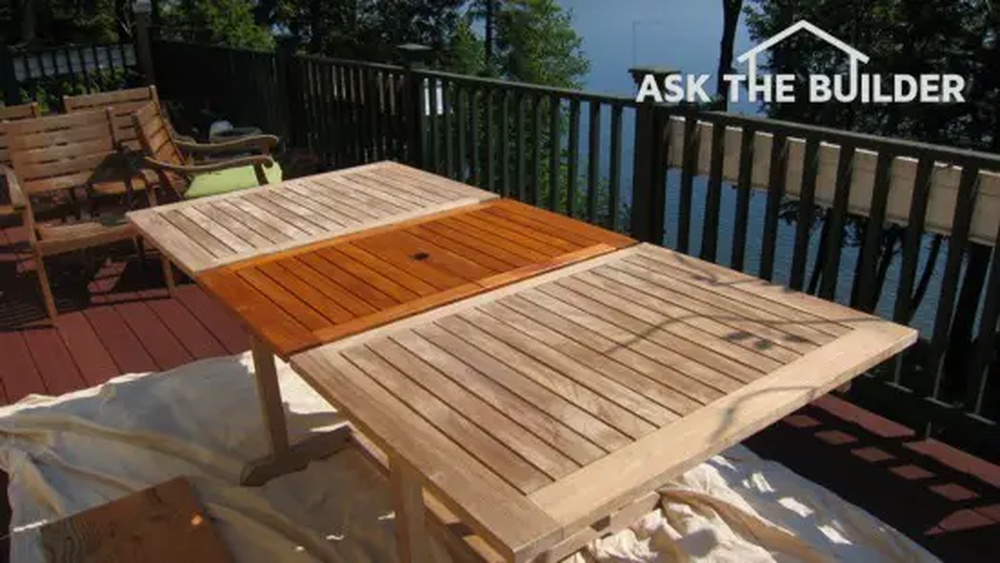
Is your outdoor furniture looking dull, spotted, or covered in unsightly mold and mildew? You’re not alone—and the good news is, you don’t have to replace it.
Mold and mildew can quickly ruin the comfort and beauty of your favorite outdoor pieces, but with the right approach, you can restore them to their original charm. You’ll discover simple, effective steps to clean mold and mildew off your outdoor furniture safely.
Keep reading, and you’ll have your outdoor space looking fresh and inviting in no time.
:strip_icc()/Clean-Outdoor-Furniture-34bc286d99604bce93f968cc0e060c68.jpg)
Credit: www.bhg.com
Identify Mold And Mildew
Identifying mold and mildew on outdoor furniture is the first step to keep it clean and safe. Both fungi grow in damp, shaded places. They can damage furniture and cause health problems. Knowing how to spot them helps you act fast.
Recognize the signs early to protect your outdoor space. Clean furniture looks inviting. Mold and mildew create dark spots and stains. Learning their differences helps in choosing the right cleaning method.
Common Signs On Outdoor Furniture
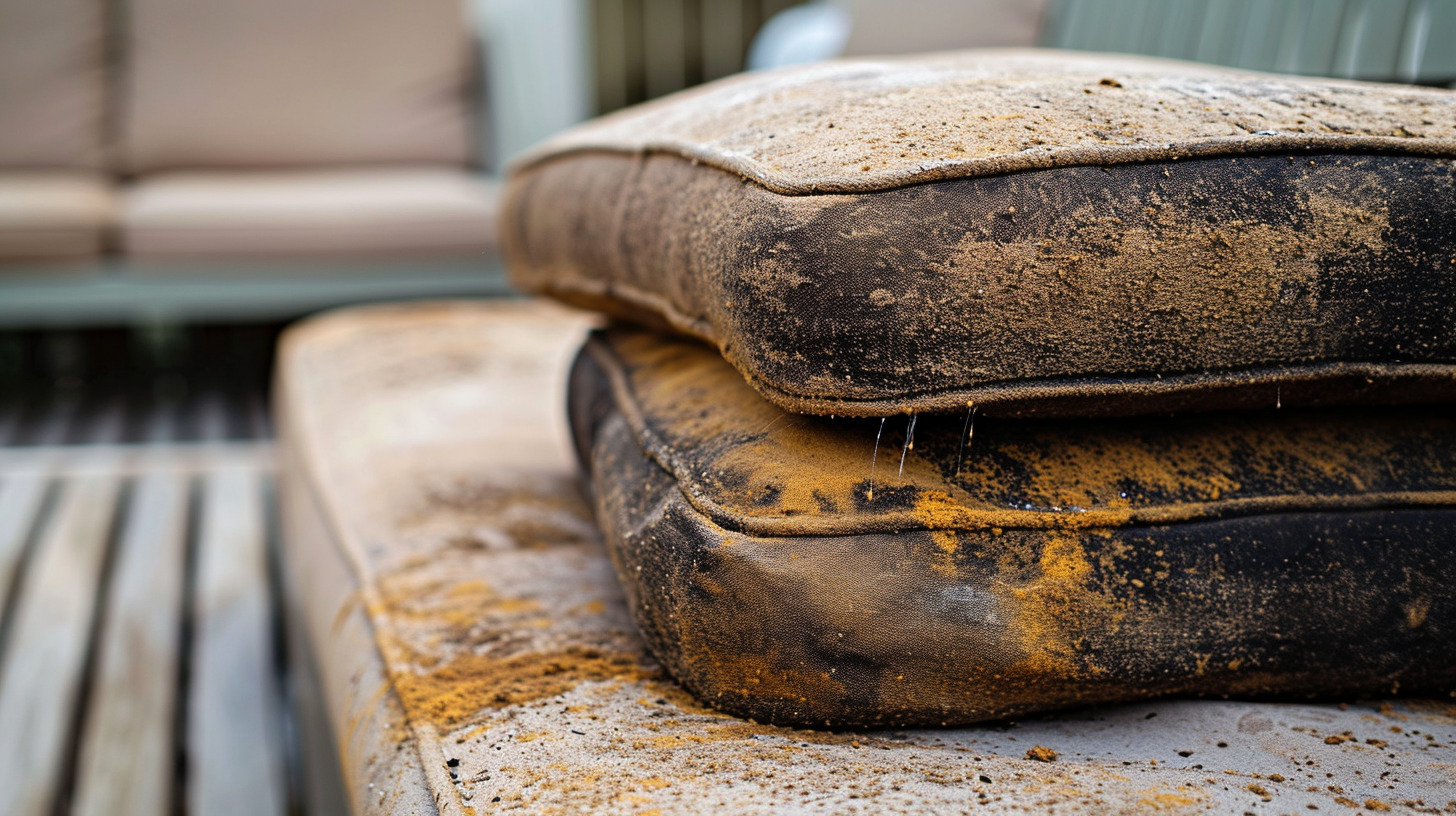
Mold appears as fuzzy or slimy patches. It is usually black, green, or blue. It grows in thick clusters on wood or fabric. Mildew shows as powdery or fluffy spots. It is white, gray, or yellow. It often grows on plastic or metal surfaces. Both cause a musty smell. Check corners and shaded spots carefully.
Differences Between Mold And Mildew
Mold penetrates the surface deeply. It can cause permanent damage. Mildew stays on the surface. It is easier to remove. Mold grows in large patches. Mildew grows in small, flat spots. Mold has a strong, bad odor. Mildew smells milder but still unpleasant. Knowing this helps choose the best cleaner and method.
Credit: www.patioproductions.com
Prepare Your Cleaning Tools
Preparing your cleaning tools is the first step to remove mold and mildew from outdoor furniture. Having the right supplies ready makes the process easier and safer. It helps you clean thoroughly without damaging the furniture. Gathering your tools before you start saves time and effort. Here is what you need to prepare.
Essential Cleaning Supplies
Start with a soft brush or sponge to scrub the furniture gently. Use a bucket to mix a cleaning solution, like water and mild detergent or vinegar. Have a spray bottle ready to apply the solution evenly. Prepare clean water and cloths for rinsing and drying. A garden hose can help wash off dirt and cleaning agents. Make sure all your cleaning tools are clean before use.
Safety Gear To Use
Wear gloves to protect your hands from mold and cleaning chemicals. Use safety glasses to shield your eyes from splashes. A mask or respirator helps avoid breathing in mold spores. Dress in old clothes that cover your skin well. Work in a well-ventilated area to keep fresh air flowing. Safety gear keeps you safe during the cleaning process.
Choose The Right Cleaning Solution
Choosing the right cleaning solution is key to removing mold and mildew from outdoor furniture. The wrong product can damage the material or leave harmful residues. Some solutions work better on certain surfaces like wood, plastic, or metal. Pick one that fits your furniture type and the severity of the mold. Safe and effective cleaning keeps your furniture looking fresh and lasting longer.
Natural Remedies
Natural remedies offer a gentle way to clean outdoor furniture. White vinegar kills mold and mildew without harsh chemicals. Mix equal parts vinegar and water in a spray bottle. Spray the affected areas and let it sit for 10 minutes. Then scrub with a soft brush and rinse with water.
Baking soda is another natural cleaner. It helps remove stains and deodorizes. Make a paste with baking soda and water. Apply it to mold spots and scrub lightly. Rinse thoroughly to avoid residue. These remedies are safe for most surfaces and eco-friendly.
Commercial Cleaners
Commercial cleaners are made specifically for mold removal. They often contain ingredients that work faster than natural solutions. Choose a cleaner labeled safe for outdoor furniture material. Follow the instructions carefully for best results.
Some commercial products kill mold spores to prevent return growth. Use gloves and ventilate the area when applying. Rinse the furniture well after cleaning to remove any chemical traces. These cleaners are a strong option for stubborn mold and heavy mildew buildup.
Step-by-step Cleaning Process
Cleaning mold and mildew from outdoor furniture can seem tough. A clear, simple process makes it easier. Follow these steps carefully for best results. Your furniture will look fresh and clean again.
Initial Dusting And Brushing
Start by removing loose dirt and debris. Use a soft brush or cloth. Brush gently to avoid damaging the furniture. Remove all dust before applying any cleaner. This step prevents spreading mold spores during cleaning.
Applying The Cleaning Solution
Prepare a cleaning solution with mild soap and water or vinegar. Avoid harsh chemicals that may harm surfaces. Use a spray bottle or sponge to apply the solution evenly. Cover all moldy and mildewed areas well. Let it sit for 10 to 15 minutes to work effectively.
Scrubbing Techniques
Use a soft brush or non-abrasive sponge to scrub. Clean in circular motions to lift mold and mildew. Focus on stains and spots carefully. Avoid scrubbing too hard to protect the furniture. Repeat scrubbing if necessary for tough mold patches.
Rinsing And Drying
Rinse the furniture thoroughly with clean water. Remove all soap and cleaning residues. Use a hose or bucket for rinsing. Dry the furniture completely using towels or air drying. Ensure no moisture remains to prevent mold from returning.
Prevent Mold And Mildew Growth
Preventing mold and mildew on outdoor furniture saves time and effort. It keeps your furniture looking fresh and extends its life. Simple steps can reduce moisture and dirt, the main causes of mold. Follow these tips to keep your furniture clean and dry.
Proper Furniture Placement
Place furniture in areas with good airflow. Avoid spots that stay damp or shaded all day. Sunlight helps dry moisture and stops mold growth. Keep furniture away from bushes or walls that trap humidity. Elevate furniture slightly to prevent water from pooling underneath.
Regular Maintenance Tips
Clean furniture regularly with mild soap and water. Remove dirt and debris that feed mold spores. Dry furniture thoroughly after washing or rain. Check for any cracks or damage where moisture can hide. Treat wooden furniture with sealant to block water absorption.
Using Protective Covers
Cover furniture when not in use, especially during rain or humidity. Choose breathable covers to avoid trapping moisture inside. Remove covers occasionally to let furniture air out. Store cushions indoors to keep them dry and mold-free. Protective covers reduce dirt buildup and shield from weather.
Credit: www.furnituremaxi.com
Special Care For Different Materials
Outdoor furniture comes in many materials. Each type needs special care to remove mold and mildew safely. Using the right method protects your furniture and keeps it looking good. Cleaning techniques vary for wood, metal, plastic, and fabric. Understanding these differences helps prevent damage and extends the life of your furniture.
Wooden Furniture
Wood is delicate and absorbs water easily. Use a soft brush and mild soap to clean it. Avoid harsh chemicals that can strip the finish. Dry wood quickly to stop mold from growing back. Apply a wood sealant after cleaning to protect the surface.
Metal Furniture
Metal can rust if not cared for properly. Use a mixture of water and vinegar or mild detergent. Scrub gently with a soft cloth or brush. Rinse well and dry completely. Consider applying a rust-resistant spray to keep moisture away.
Plastic And Resin Furniture
Plastic and resin are easier to clean. Use warm water and dish soap with a soft brush. Avoid abrasive cleaners that scratch the surface. Rinse thoroughly and let the furniture air dry in the sun. This helps kill any remaining mold spores.
Fabric Cushions And Covers
Fabric cushions need gentle cleaning to avoid damage. Remove covers if possible and wash them according to instructions. Use a mixture of water and mild detergent for spot cleaning. Let cushions dry fully in the sun to prevent mold return. Store cushions in a dry place when not in use.
Frequently Asked Questions
How Do I Remove Mold From Outdoor Furniture Safely?
Use a mixture of water and mild detergent or vinegar. Scrub gently with a soft brush. Rinse well and dry completely to prevent mold regrowth.
What Homemade Solutions Clean Mildew On Outdoor Furniture?
A solution of white vinegar and water effectively cleans mildew. Spray it on, scrub lightly, then rinse. Vinegar kills mold spores and is eco-friendly.
Can Bleach Be Used To Clean Mold On Outdoor Furniture?
Yes, dilute bleach with water (1:10 ratio) for tough mold. Apply carefully, avoid prolonged exposure, and rinse thoroughly. Use gloves and ensure good ventilation.
How Often Should Outdoor Furniture Be Cleaned To Prevent Mold?
Clean outdoor furniture every few weeks during humid seasons. Regular cleaning stops mold and mildew growth. Dry furniture after cleaning to maintain its condition.
Conclusion
Cleaning mold and mildew from outdoor furniture keeps it looking fresh. Use gentle cleaners and soft brushes for best results. Regular cleaning stops mold from growing back quickly. Dry furniture well after washing to prevent moisture. Protect your furniture with covers or store it indoors when possible.
A little effort goes a long way in maintaining your outdoor space. Enjoy your clean, inviting furniture all year round. Simple steps make a big difference. Keep your outdoor area healthy and comfortable.