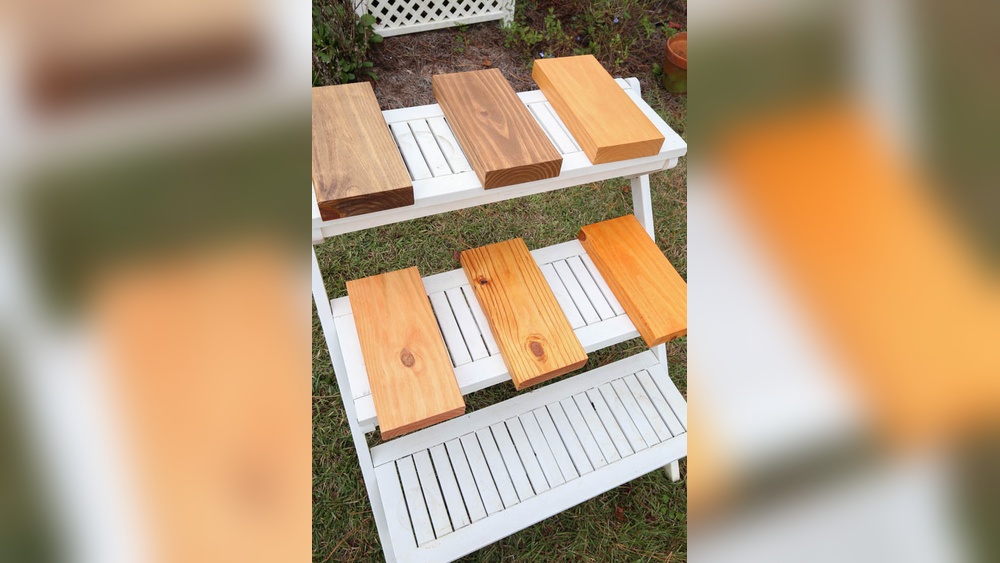
Are you looking to protect your outdoor furniture and keep it looking great for years? Choosing the right finish can be tricky, and you might be wondering if shellac is the answer.
Shellac has been popular for indoor wood, but is it really good for outdoor use? You’ll discover the truth about shellac’s durability, how it handles weather, and whether it’s the best choice for your outdoor pieces. Keep reading to find out if shellac can truly protect your furniture or if you should look elsewhere.

Credit: www.interiorhomescapes.com
Benefits Of Shellac For Outdoor Use
Shellac offers several benefits for outdoor furniture. It protects wood while keeping its natural look. This finish helps furniture last longer in different weather conditions. Applying shellac is simple and repairs are easy too. Below are key benefits of using shellac outdoors.
Natural Water Resistance
Shellac creates a thin barrier that repels water. This helps prevent moisture from soaking into the wood. It reduces the chance of swelling and cracking. Though not fully waterproof, shellac offers good water resistance. It keeps outdoor furniture safer from rain and dew.
Enhancing Wood Appearance
Shellac adds a warm, rich glow to wood surfaces. It brings out the natural grain and color beautifully. The finish dries quickly and looks smooth and shiny. This makes outdoor furniture look fresh and inviting. Shellac preserves the wood’s natural charm without hiding it.
Ease Of Application And Repair
Applying shellac requires simple tools and little time. It dries fast, allowing quick multiple coats. Damaged spots can be fixed by reapplying shellac over the area. No sanding or stripping needed for small repairs. This ease makes shellac a practical choice for outdoor use.
Limitations Of Shellac Outdoors
Shellac has a shiny and smooth finish that many people like. It works well indoors, but outside it faces some problems. These limits affect how long shellac lasts on outdoor furniture. Understanding these issues helps in choosing the right finish for your wood.
Sensitivity To Moisture And Heat
Shellac is not strong against water and heat. Rain or wet air can make it swell and peel. Sunlight can soften the shellac and cause it to lose shine. This makes shellac less reliable for outdoor use.
Durability Compared To Other Finishes
Shellac wears out faster than many outdoor finishes. It scratches and chips easily. Other finishes like polyurethane or varnish last much longer. Shellac needs extra care to keep looking good outside.
Need For Frequent Maintenance
Shellac requires regular reapplication outdoors. The finish fades and breaks down over time. Without frequent touch-ups, wood can get damaged. This makes shellac less practical for busy outdoor areas.
Comparing Shellac With Other Finishes
Choosing the right finish for outdoor furniture is key for durability and look. Shellac is a natural finish, but many other options exist. Comparing shellac with varnish, polyurethane, and oil-based finishes helps decide what fits best.
Shellac Vs. Varnish
Varnish is tough and water-resistant. It protects wood from rain and sun better than shellac. Shellac can wear down quickly outside. Varnish forms a hard coat that lasts longer. It also resists scratches and heat well. Shellac is easier to apply and dries fast. But varnish wins in outdoor protection.
Shellac Vs. Polyurethane
Polyurethane is a strong plastic-like finish. It shields wood from moisture and damage. Shellac is natural but less water-resistant. Polyurethane holds up well against weather changes. Shellac may peel or crack outside. Polyurethane takes longer to dry and needs more care during application. Shellac is simpler but less durable for outdoors.
Shellac Vs. Oil-based Finishes
Oil finishes soak into wood and protect from inside. They keep wood looking natural and soft. Shellac sits on the surface and can chip off. Oil finishes need reapplication but resist weather better. Shellac gives a shiny look but fades faster outdoors. Oils offer deeper protection but require more effort to maintain.
Preparing Outdoor Furniture For Shellac
Preparing outdoor furniture for shellac is a key step to ensure a smooth finish. Proper preparation helps the shellac stick better and last longer. It protects the wood from weather damage and keeps it looking fresh.
Surface Cleaning And Sanding
Start by cleaning the furniture surface. Remove dirt, dust, and old paint or finish. Use a mild soap and water solution. Let the wood dry completely before moving on.
Next, sand the surface gently. Use fine-grit sandpaper to smooth out rough spots. Sanding opens the wood pores for better shellac absorption. Wipe away sanding dust with a clean cloth.
Choosing The Right Shellac Type
Select shellac made for outdoor use. Look for formulas with UV protection. These help prevent the wood from fading in sunlight. Choose clear shellac to keep the wood’s natural color. Some shellac comes tinted for added color.
Application Tips For Best Results
Apply shellac in thin, even coats. Use a good-quality brush or a lint-free cloth. Let each coat dry fully before adding the next. Lightly sand between coats for a smooth finish. Avoid applying shellac in direct sunlight or high humidity.
Protecting Shellac-coated Furniture
Shellac is a beautiful finish for wood, but it needs care outdoors. Protecting shellac-coated furniture helps keep it looking great longer. Without proper care, moisture and sunlight can damage the finish. Taking simple steps can boost the durability of your shellac finish.
Regular care keeps the wood safe and the shine bright. Let’s explore easy ways to protect your shellac-coated furniture outside.
Adding A Topcoat For Extra Durability
Shellac alone is not very strong against weather. Adding a clear topcoat helps protect it from rain and sun. Use polyurethane or spar varnish as a topcoat. These layers create a tough barrier over the shellac. Apply thin coats and let each dry well. This extra layer helps the furniture last through changing weather.
Seasonal Maintenance Practices
Check your furniture often for wear or damage. Clean the surface with a soft cloth and mild soap. Avoid harsh chemicals that can strip the shellac. Sand lightly if you see rough spots. Reapply a thin coat of shellac or topcoat as needed. Doing this each season keeps the finish fresh and strong.
Storage Recommendations
Store shellac-coated furniture in a dry place during bad weather. Cover it with breathable fabric to avoid moisture buildup. Avoid plastic covers that trap humidity. If possible, move furniture indoors in winter or heavy rain. Proper storage reduces wear and extends the life of the finish.

Credit: www.reddit.com
Alternative Protection Options
Shellac may not suit outdoor furniture well because it lacks strong water resistance. Many homeowners choose other finishes for better protection. These alternatives help furniture endure sun, rain, and temperature changes. They also keep wood looking good for longer. Here are some popular options that work better outdoors.
Using Marine-grade Finishes
Marine-grade finishes are made for boats and harsh water conditions. They form a thick, tough layer that blocks moisture. These finishes resist salt, sun, and wear very well. Applying them on outdoor furniture can extend its life significantly. They dry hard and create a strong shield against damage.
Synthetic Sealants For Longevity
Synthetic sealants use modern chemicals to protect wood. They often contain UV blockers and water repellents. These sealants dry quickly and stay clear over time. Many synthetic options provide a flexible coating that won’t crack easily. They keep furniture safe from fading and moisture problems.
Natural Oils And Waxes
Natural oils like teak, linseed, and tung oil soak into wood deeply. They nourish the wood and add water resistance. Waxes create a thin, protective surface layer that repels water. These treatments require regular reapplication but maintain a natural look. They are safe, eco-friendly choices for mild outdoor use.

Credit: www.interiorhomescapes.com
Frequently Asked Questions
Is Shellac Suitable For Outdoor Furniture Protection?
Shellac is not ideal for outdoor furniture. It lacks water resistance and fades under sunlight. It works better indoors or in covered areas.
How Long Does Shellac Last On Outdoor Wood?
Shellac typically lasts only a few months outdoors. Exposure to moisture and UV rays breaks down its finish quickly.
Can Shellac Be Used As A Primer For Outdoor Furniture?
Yes, shellac can act as a primer. However, it still requires a topcoat like varnish for outdoor durability.
What Are Better Alternatives To Shellac For Outdoor Furniture?
Polyurethane, spar varnish, and exterior-grade oils offer superior weather protection. They last longer and resist moisture better than shellac.
Conclusion
Shellac offers a shiny finish and protects wood from moisture. It works well for outdoor furniture with light use. Keep in mind, shellac is not very strong against heavy rain or sun. Regular reapplication is needed to keep the wood safe.
For long-lasting outdoor furniture, consider other finishes too. Shellac can be part of the care plan but not the only solution. Choose the right finish based on your furniture’s exposure and use. Simple care can help your outdoor pieces last longer and look good.