Mold on your outdoor furniture isn’t just ugly—it can damage your favorite pieces and even affect your health. If you’ve noticed those stubborn dark spots creeping up, you’re probably wondering how to get rid of them quickly and safely.
Don’t worry, you’re in the right place. You’ll discover simple, effective ways to clean mold off your outdoor furniture so it looks fresh and inviting again. Keep reading, and you’ll have your outdoor space ready for relaxing in no time.
Credit: www.simplyspotless.com.au
Causes Of Mold On Outdoor Furniture
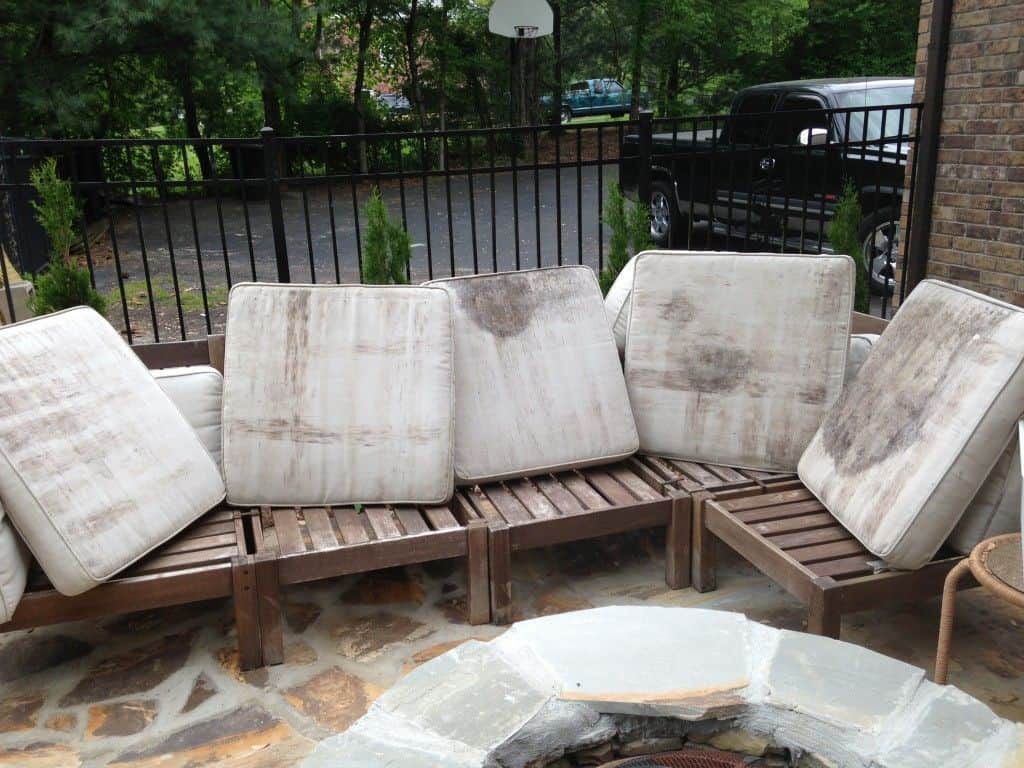
Mold grows on outdoor furniture when conditions support its growth. Moisture and warmth create the perfect environment for mold spores. These spores are everywhere and settle on furniture surfaces. Over time, mold spreads and becomes visible as dark spots or patches. Understanding what causes mold helps prevent damage and keeps furniture clean.
Common Mold Triggers
Outdoor furniture often faces rain, dew, and humidity. Water stays on surfaces for long periods, making mold thrive. Poor air circulation traps moisture around furniture. Shade from trees or buildings keeps areas damp. Dirt and organic debris feed mold growth. Warm temperatures speed up mold development. Regular exposure to these triggers increases mold risk.
Furniture Materials Prone To Mold
Wooden furniture absorbs water easily and holds moisture inside. This makes wood a top target for mold. Fabric cushions and pillows trap moisture and dirt. They stay wet longer, allowing mold to grow. Plastic furniture can develop mold in cracks or crevices. Metal furniture may get mold on painted or rusted areas. Knowing material types helps focus cleaning efforts.

Credit: www.blesserhouse.com
Essential Tools And Supplies
Cleaning mold off outdoor furniture needs the right tools and supplies. These items make the job easier and safer. Using proper tools helps remove mold fully and protects your furniture. It also keeps you safe from mold spores and cleaning chemicals. Below are the key supplies to prepare before starting.
Cleaning Solutions
Choose effective cleaning solutions to kill mold and clean surfaces. A mix of water and mild detergent works well for light mold. For tougher mold, use a diluted bleach solution or white vinegar. These solutions help remove mold stains and prevent regrowth. Always follow the instructions on any cleaning product label.
Protective Gear
Wear protective gear to avoid contact with mold and chemicals. Gloves keep your hands safe from irritants. A mask stops you from breathing in mold spores. Eye protection prevents splashes from reaching your eyes. Dress in old clothes to avoid damage from cleaning solutions.
Brushes And Cloths
Use soft brushes and cloths to scrub mold from furniture. Nylon brushes work well on plastic and metal surfaces. Soft-bristled brushes clean wood gently without damage. Microfiber cloths wipe away mold and drying moisture. Avoid using wire brushes, which can harm furniture.
Step-by-step Cleaning Process
Cleaning mold from outdoor furniture requires a clear process. Follow these easy steps to restore your furniture safely. This method removes mold and protects your items for longer use.
Preparing The Furniture
Move the furniture to a well-ventilated area. Brush off loose dirt and mold with a dry cloth or soft brush. Wear gloves and a mask to protect yourself from mold spores. Remove any cushions or fabric parts before cleaning.
Applying Cleaning Solutions
Choose a gentle cleaning solution like diluted vinegar or a mild soap mix. Spray or apply the solution evenly over the moldy areas. Let it sit for 10 to 15 minutes to break down the mold. Avoid harsh chemicals that can damage the furniture.
Scrubbing Techniques
Use a soft-bristle brush or sponge to scrub the furniture gently. Focus on mold spots but do not scrub too hard to avoid surface damage. Work in small sections for better cleaning results. Rinse the brush often to remove mold residues.
Rinsing And Drying
Rinse the furniture thoroughly with clean water to remove all cleaning solution. Use a hose or buckets of water for rinsing. Wipe excess water with a dry cloth to speed drying. Let the furniture dry completely in the sun to prevent mold regrowth.
Natural Remedies For Mold Removal
Mold on outdoor furniture can ruin its look and cause damage. Natural remedies offer safe and effective ways to clean mold. They use common household ingredients. These solutions are gentle on your furniture and the environment. Using natural methods avoids harsh chemicals and strong smells.
Natural remedies also help prevent mold from coming back. They work well on wood, plastic, metal, and fabric furniture. Let’s explore two easy and popular natural cleaning methods.
Vinegar And Baking Soda
White vinegar kills mold spores quickly. It is acidic and safe for most surfaces. Spray undiluted vinegar onto the moldy areas. Let it sit for about an hour.
Next, sprinkle baking soda on the wet spots. Baking soda scrubs off mold and absorbs moisture. Use a soft brush or cloth to scrub gently. Rinse with water and dry the furniture well.
This method cleans mold, removes odors, and prevents future growth. Repeat every few weeks during humid seasons.
Lemon Juice And Salt
Lemon juice’s natural acid fights mold stains effectively. Mix lemon juice with salt to form a paste. Apply the paste to moldy spots on your furniture.
Let it sit in the sun for 15 to 20 minutes. The sun helps bleach stains naturally. Scrub the area with a soft brush or cloth. Rinse with water and dry thoroughly.
This remedy brightens the furniture and removes mold without harsh chemicals. Use regularly to keep mold away and maintain fresh furniture.
Preventing Mold Growth
Mold thrives in damp, dark places. Outdoor furniture can easily become a home for mold if not cared for. Preventing mold growth helps keep your furniture clean and safe to use. Simple habits can stop mold from growing and spreading.
Proper Storage Tips
Store outdoor furniture in a dry, well-ventilated area. Avoid placing it directly on wet ground. Use pallets or blocks to lift furniture off the floor. This prevents moisture from building up underneath. Choose a storage spot that gets sunlight to help keep furniture dry.
Regular Maintenance
Clean your furniture regularly to remove dirt and debris. Dirt can trap moisture and feed mold growth. Use mild soap and water for cleaning. Check for mold spots often, especially after rain. Dry furniture completely before storing or covering it.
Using Protective Covers
Use breathable covers to shield furniture from rain and dust. Covers block moisture but allow air to circulate. Avoid plastic covers that trap humidity and cause mold. Remove covers on sunny days to let furniture dry out. Replace covers if they become damaged or dirty.
When To Seek Professional Help
Cleaning mold from outdoor furniture can be simple in many cases. Some mold spots come off with light scrubbing and cleaning solutions. But sometimes, mold grows deep or spreads widely. Such cases might need professional care. Knowing when to seek help saves your furniture and health.
Severe Mold Infestations
Large mold patches covering much of the furniture need expert cleaning. Mold can hide in cracks and crevices, making it hard to remove fully. Professionals use special tools and treatments to kill mold spores. They also prevent mold from returning quickly. Severe mold might cause health issues, so quick action is important.
Furniture Material Considerations
Some materials are delicate or porous and need careful handling. Wood, wicker, and fabric furniture can absorb mold deeply. Using strong cleaners might damage these materials. Experts know which products and methods work best for each type. They protect the furniture’s look and structure during cleaning. Seeking help ensures your furniture stays safe and clean.
:strip_icc()/Clean-Outdoor-Furniture-34bc286d99604bce93f968cc0e060c68.jpg)
Credit: www.bhg.com
Frequently Asked Questions
How Do I Remove Mold From Outdoor Furniture?
Use a mixture of water and mild detergent. Scrub the furniture gently with a soft brush. Rinse thoroughly and dry in the sun to prevent mold regrowth.
What Natural Cleaners Work Best On Outdoor Mold?
White vinegar and baking soda effectively kill mold. Spray vinegar on moldy areas, let sit 10 minutes, then scrub. Baking soda paste also removes mold and deodorizes surfaces naturally.
Can I Use Bleach To Clean Mold Off Furniture?
Yes, dilute bleach with water (1:10 ratio) and apply carefully. Avoid using on delicate materials. Rinse well after cleaning and wear gloves for safety.
How Often Should I Clean Mold Off Outdoor Furniture?
Clean mold promptly when noticed to prevent spread. Regularly inspect and clean furniture every few months, especially in humid or rainy climates.
Conclusion
Cleaning mold off outdoor furniture keeps it safe and looking fresh. Use gentle cleaners and scrub carefully to avoid damage. Regular cleaning stops mold from coming back fast. Let furniture dry fully before using or storing. Small efforts now save big problems later.
Keep your outdoor space healthy and inviting. Simple steps make a big difference in mold control. Stay consistent for the best results every season.