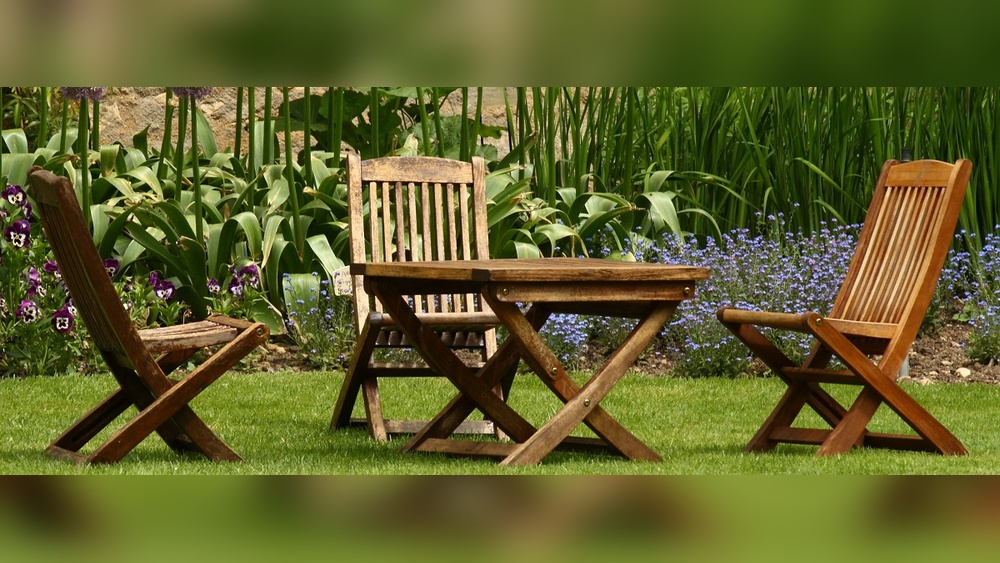
Are you worried that your beautiful stained wood furniture might get ruined by rain, sun, or moisture? You’re not alone.
Protecting your outdoor wood pieces is key to keeping them looking fresh and strong for years. But how do you make sure your stained wood stays safe without losing its charm? In this guide, you’ll discover simple, effective ways to waterproof your furniture so it resists weather damage while showing off its natural beauty.
Keep reading, and you’ll learn exactly what steps to take to shield your investment and enjoy your outdoor space worry-free.
Choosing The Right Wood
Choosing the right wood is the first step to protect stained wood furniture outdoors. The wood type affects how well your furniture stands up to rain, sun, and temperature changes. Some woods naturally resist water and decay better than others. Picking strong wood reduces the need for constant repairs and extra treatment.
Best Wood Types For Outdoor Use
Teak is a top choice for outdoor furniture. It has natural oils that repel water and insects. Cedar and redwood also work well. They resist rot and have a nice color that ages beautifully. Pressure-treated pine is cheaper and lasts longer than untreated pine. But it needs sealing to avoid damage. Avoid softwoods that absorb water quickly. Hardwoods with tight grains offer better durability.
Wood Treatments To Enhance Durability
Applying wood treatments helps wood last longer outside. Use a wood preservative before staining. It stops mold and insects from harming the wood. Sealers and waterproofing oils keep moisture out. Reapply these every year for best results. Stains with UV protection prevent color fading. Sand the surface lightly before treating. This allows better absorption and a smooth finish.
Preparing Wood For Waterproofing
Preparing wood for waterproofing is a key step before applying any protective finish. It helps the wood absorb the waterproofing product better. Good preparation makes the finish last longer and keeps the furniture safe from weather damage.
This process involves cleaning the wood and fixing any damage. Both steps create a smooth surface that is ready for waterproofing. Proper preparation also brings out the natural beauty of stained wood.
Cleaning And Sanding
Start by cleaning the wood surface thoroughly. Remove dirt, dust, and old residue with a soft brush or cloth. Use mild soap and water if needed, then let the wood dry completely. Avoid harsh chemicals that can damage the stain.
Next, sand the wood lightly using fine-grit sandpaper. Sanding smooths the surface and removes any rough spots. It also helps the waterproofing product stick better. Always sand in the direction of the wood grain. After sanding, wipe away dust with a damp cloth.
Repairing Damages And Imperfections
Check the wood for cracks, holes, or loose parts. Small cracks can let water seep inside, causing damage over time. Fill these imperfections with wood filler that matches the wood color. Use a putty knife to apply it evenly.
Let the filler dry fully, then sand it smooth. Tighten any loose screws or joints to keep the furniture stable. Fixing these issues before waterproofing prevents future problems. Well-prepared wood holds the waterproof coating better and lasts longer outdoors.
Selecting A Suitable Stain
Selecting the right stain is key to protecting outdoor wood furniture. The stain not only adds color but also shields the wood from water, sun, and weather damage. Choosing the proper stain helps keep your furniture looking good and lasting longer.
Types Of Outdoor Wood Stains
There are several types of stains made for outdoor wood. Oil-based stains penetrate deep and offer strong protection. Water-based stains dry faster and have less odor. Gel stains are thick and good for vertical surfaces. Semi-transparent stains show wood grain while adding color. Solid stains cover wood completely and act like paint. Pick a type based on the wood and the look you want.
Choosing Colors And Finishes
Colors range from natural wood tones to bold shades. Natural colors highlight the wood’s grain and texture. Darker colors hide dirt and wear better. Lighter colors reflect sunlight and keep wood cooler. Finishes include matte, satin, and glossy. Matte looks natural and hides scratches. Satin offers a soft shine and smooth feel. Glossy finishes are shiny but show marks easily. Choose color and finish to fit your style and outdoor setting.
Applying The Stain
Applying the stain is a key step to protect your wood furniture outdoors. It adds color and shields the wood from moisture and sun damage. The right method helps the stain soak evenly and last longer. Prepare your work area and tools before you start. This step requires patience and care for the best results.
Tools And Techniques
Use a clean, soft brush or a lint-free cloth to apply the stain. Brushes help reach corners and detailed parts easily. Cloths work well for smooth, flat surfaces. Stir the stain well to mix the color evenly. Apply the stain in the direction of the wood grain. Work in small sections to avoid streaks. Wipe off extra stain with a clean cloth after a few minutes. This prevents sticky or uneven patches. Use light, even coats for a natural look. Avoid heavy layers that may peel later.
Drying And Curing Times
Let the stain dry completely before touching the furniture. Drying usually takes 4 to 6 hours, depending on weather. Warm, dry air helps speed up the process. Avoid applying a second coat until the first is fully dry. Curing time is longer. It can take up to 48 hours for the stain to set well. During this time, keep furniture indoors or in a shaded place. Proper drying and curing improve stain durability and wood protection.
Waterproofing Options
Waterproofing stained wood furniture protects it from rain, sun, and moisture. This step helps keep your outdoor pieces looking fresh and lasting longer. Choosing the right waterproofing option is key. Each product type offers different benefits and suits different needs.
Sealants And Varnishes
Sealants create a protective layer over wood. They block water and prevent damage from moisture. Many sealants dry clear, keeping the wood’s natural look. Varnishes also protect wood but add a glossy or satin finish. This finish enhances wood’s color and grain. Both sealants and varnishes are easy to apply with a brush or spray. They form a tough barrier that resists water and sun damage. Reapplying every year or two keeps the protection strong.
Oil-based Vs. Water-based Products
Oil-based products soak into the wood and protect it from inside. They bring out rich colors and make the wood look warm. Oil-based finishes last longer but take more time to dry. Water-based products dry faster and have less odor. They create a clear, flexible coat on the surface. Water-based finishes keep the wood looking natural without yellowing. Both types are good choices depending on your needs. Oil-based is best for deep protection. Water-based works well for quick drying and easy cleanup.
:max_bytes(150000):strip_icc()/how-to-waterproof-wood-7563875-hero-d94a7338e5fd4b138060a0650284166c.jpg)
Credit: www.thespruce.com
Applying Waterproof Coatings
Applying waterproof coatings protects stained wood furniture from rain and sun damage. It creates a strong barrier that keeps moisture out. This step is key to making outdoor wood last longer. Choose the right waterproof coating for your wood type and finish. Follow the right process to apply it evenly and smoothly.
Step-by-step Application
Start by cleaning the wood surface. Remove dirt, dust, and old finishes. Use a soft brush or cloth to clean well. Let the wood dry completely before coating.
Stir the waterproof coating gently. Avoid shaking to keep bubbles out. Use a clean brush or foam applicator for smooth spreading. Apply a thin, even layer along the wood grain. Cover all surfaces, including edges and corners.
Allow the first coat to dry as directed on the product label. This usually takes a few hours. Check for any missed spots and touch them up. Lightly sand the surface with fine-grit sandpaper after drying. This helps the next coat stick better.
Multiple Coats And Maintenance
Apply at least two to three coats for best protection. Each coat adds strength to the waterproof barrier. Let each layer dry fully before the next application. Avoid thick layers that can peel or crack.
Inspect your furniture regularly, especially after harsh weather. Reapply waterproof coating if you notice wear or dullness. Clean the surface gently before reapplication. This routine keeps your wood furniture safe outdoors for years.
Protecting Furniture Year-round
Protecting outdoor stained wood furniture all year keeps it looking good and lasting longer. Weather can harm wood by causing cracks, fading, or mold. Taking care of your furniture regularly prevents damage and saves money over time.
Cleaning And Reapplying Sealant
Clean your furniture before sealing. Use a soft brush and mild soap with water. Remove dirt, dust, and old sealant bits. Let the wood dry completely. Apply a fresh coat of waterproof sealant for protection. Do this every year or after heavy rain. It keeps wood strong and water-resistant.
Storage Tips For Harsh Weather
Move furniture to a dry place during winter or storms. Cover it with waterproof covers if storage is not possible. Avoid plastic covers directly on wood. Use breathable fabric covers to prevent moisture build-up. Store cushions inside to avoid mold and mildew. Proper storage prevents damage from snow, ice, and strong winds.

Credit: pineandpoplar.com
Common Mistakes To Avoid
Waterproofing stained wood furniture for outdoors requires care and attention. Many people make simple mistakes that hurt the wood’s protection. Avoiding these errors helps your furniture last longer and look better.
Skipping Preparation Steps
Preparation is key to good waterproofing. Skipping sanding leaves rough spots that prevent sealant from sticking. Dirt and dust stop the finish from bonding well. Always clean and sand the wood before applying any product. This step creates a smooth surface and helps protect the wood better.
Using Incompatible Products
Not all products work well together. Using a waterproof sealant that does not match the stain type causes peeling or bubbling. Check product labels to ensure compatibility. Choose sealants made for stained wood and outdoor use. Using the wrong products wastes time and money and can damage your furniture.
Credit: www.homedepot.com
Frequently Asked Questions
How Do I Prepare Stained Wood Furniture For Waterproofing?
Clean the surface thoroughly and allow it to dry. Sand lightly to remove rough spots. Remove dust before applying any sealant or waterproofing product.
What Is The Best Waterproof Sealant For Stained Wood?
Use a clear exterior polyurethane or spar varnish. These sealants protect against moisture and UV damage, preserving the wood’s finish outdoors.
How Many Waterproof Coats Are Needed For Outdoor Wood?
Apply at least two to three coats for strong protection. Allow each coat to dry fully before applying the next for best results.
Can I Waterproof Stained Wood Without Sanding?
Light sanding is recommended for better adhesion. However, if the surface is smooth and clean, you may apply waterproofing directly with caution.
Conclusion
Waterproofing stained wood furniture keeps it safe from rain and sun. Follow the steps carefully to protect your outdoor pieces. Regular care helps maintain their color and strength. A good seal stops water from causing damage or mold. Enjoy your furniture longer with simple, easy maintenance.
Outdoor wood looks great and lasts when you take proper steps. Try these tips to keep your furniture beautiful and strong all year.