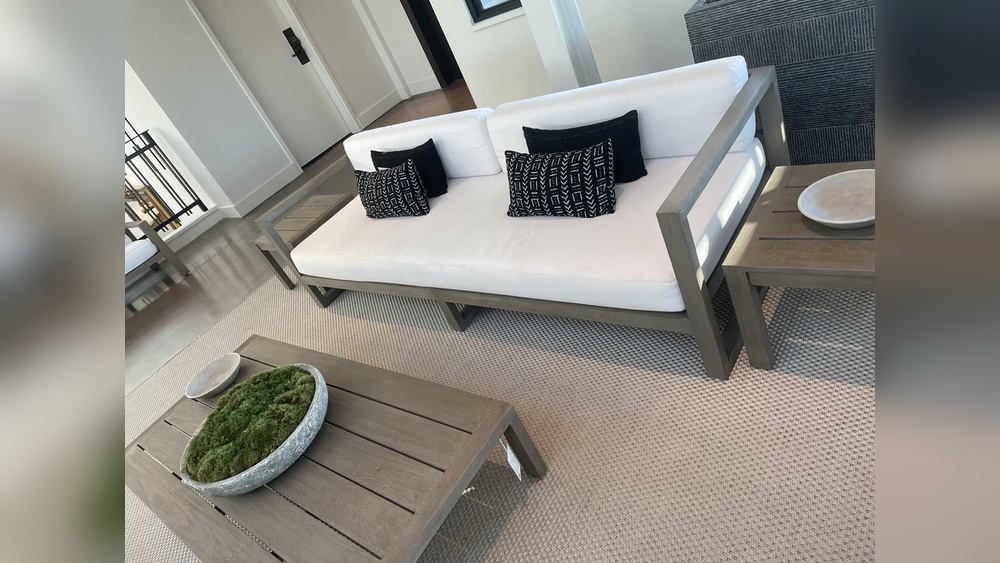
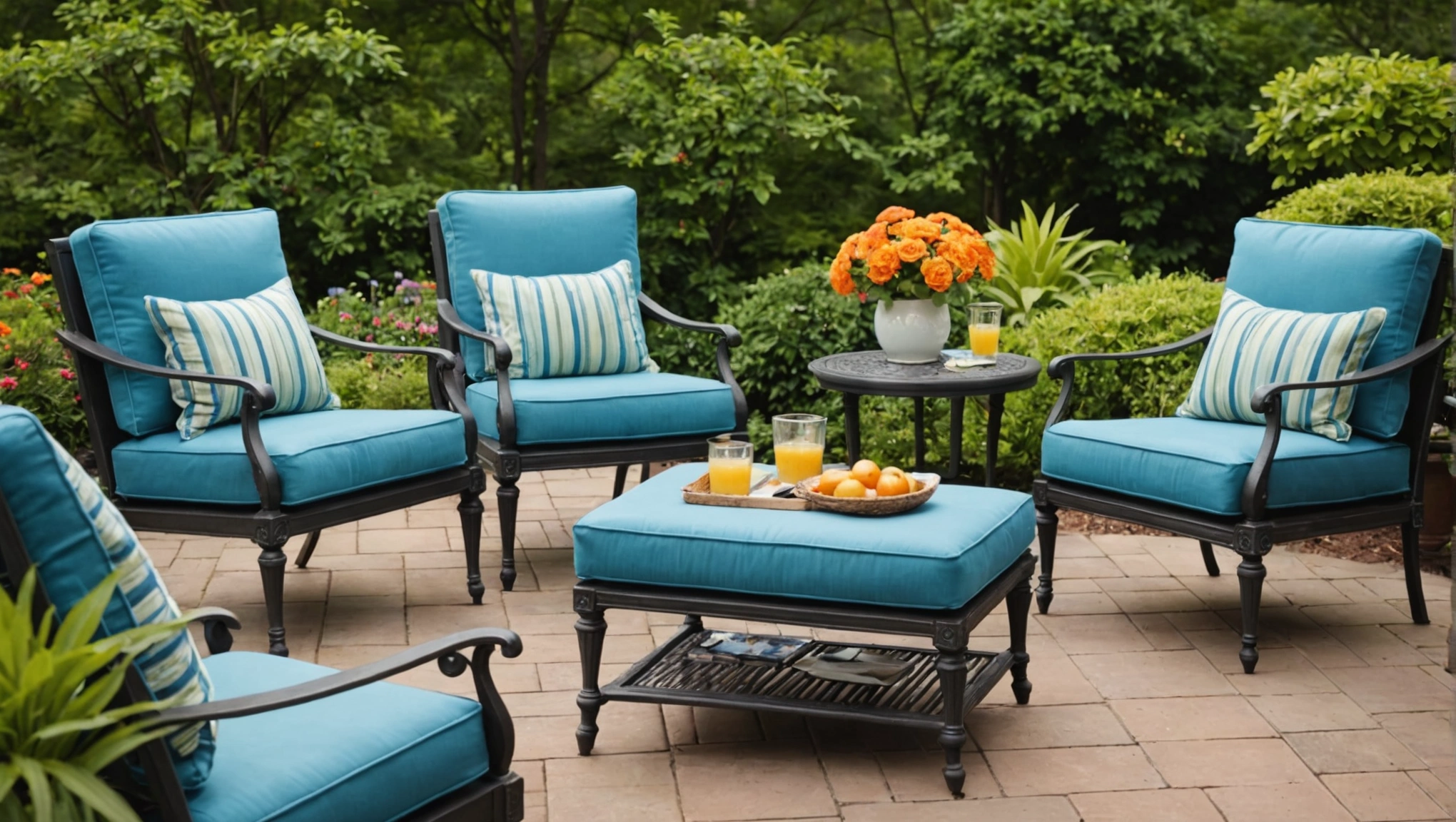
Your outdoor furniture is more than just pieces to sit on—they’re a part of your space where memories happen. But over time, sun, rain, and everyday use can leave them looking worn and tired.
You don’t have to replace everything or spend a fortune to bring them back to life. With a few simple touch-up tricks, you can restore your outdoor furniture’s charm and make it look almost new again. Ready to learn how to give your favorite pieces a fresh, inviting look?
Keep reading, and you’ll discover easy steps that anyone can follow to refresh your outdoor space quickly and effectively.
Credit: hauserspatio.com
Assessing Furniture Condition
Assessing the condition of your outdoor furniture is the first step to a good touch-up. It helps you know what repairs or cleaning your furniture needs. Careful checking saves time and money.
Take your time to look at every part. This way, you can spot small problems before they get worse. A clear understanding of the furniture’s state guides your repair choices.
Identifying Wear And Damage
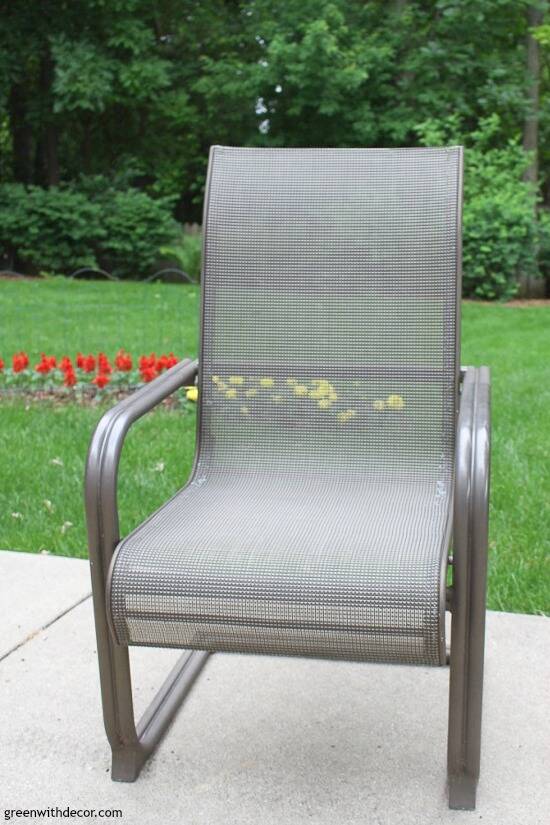
Look closely for scratches, cracks, or rust on your furniture. Check for spots where paint or finish peels off. Loose joints or broken parts need fixing too. Sun and rain cause fading and weakening over time. Knowing these issues helps you decide what to fix first.
Checking Material Type
Know the material before using any products or paint. Wood, metal, plastic, and wicker need different care. Wood may need sanding and sealing. Metal might require rust remover and special paint. Plastic and wicker often need gentle cleaning and repair. Correct treatment keeps furniture strong and looking good longer.

Credit: rattanyard.com
Cleaning Outdoor Furniture
Cleaning outdoor furniture is the first step to refresh its look. Dirt, dust, and stains build up over time. Removing these makes the furniture ready for touch-ups. Clean furniture lasts longer and looks better in your outdoor space.
Simple cleaning methods protect the material. This prevents damage during the touch-up process. Clean furniture also helps paint or sealant stick well.
Removing Dirt And Grime
Start by brushing off loose dirt with a soft brush. Use a vacuum for tight spots or cushions. Mix warm water with mild soap in a bucket. Dip a soft cloth or sponge and scrub gently. Avoid harsh scrubbing that can scratch surfaces. Rinse thoroughly with clean water. Let the furniture dry completely before the next step.
Using Appropriate Cleaners
Choose cleaners based on the furniture material. For wood, use a wood cleaner or mild soap. Metal furniture needs a solution that removes rust and dirt. Plastic or resin works well with gentle detergent. Avoid bleach or strong chemicals that cause damage. Test the cleaner on a small spot first. Follow the product instructions carefully for best results.
Sanding And Surface Preparation
Preparing the surface of outdoor furniture is the first step to a smooth, lasting finish. Sanding removes old paint, dirt, and rough spots. It helps new paint or stain stick well. Proper sanding makes the furniture look fresh and neat.
Choosing The Right Sandpaper
Select sandpaper based on the furniture material and condition. Use coarse grit (60-80) to remove thick paint or rough patches. Medium grit (100-150) works well for smoothing surfaces. Fine grit (180-220) prepares the wood for painting or staining. For metal, use fine grit to avoid scratches.
Sanding Techniques For Different Materials
Wood requires gentle, even strokes with the grain. Sand corners and crevices carefully to avoid damage. For metal furniture, use circular motions to remove rust and old paint. Plastic furniture needs light sanding to avoid scratches. Always clean dust with a brush or cloth before painting.
Credit: greenwithdecor.com
Repairing Damages
Outdoor furniture faces wear from sun, rain, and use. Repairing damages keeps it strong and looking good. Small problems can turn into big ones without care. Fixing cracks and replacing broken parts helps furniture last longer. It also saves money by avoiding full replacements. Let’s explore simple ways to repair common damages on your outdoor furniture.
Fixing Cracks And Splinters
Cracks and splinters weaken wooden furniture. Start by cleaning the damaged area. Remove dirt and loose wood pieces gently. Use wood glue to fill small cracks. Press the crack together and wipe off extra glue.
For bigger cracks, use wood filler. Apply it with a putty knife and smooth the surface. Let it dry fully before sanding. Sand lightly to blend with the surrounding wood. Finish with outdoor paint or sealant to protect the repair.
Splinters can cause injury and damage finishes. Sand the splintered area until smooth. Use fine-grit sandpaper for best results. Clean the dust and apply a protective coating. This keeps the wood safe from moisture and sun damage.
Replacing Broken Parts
Broken parts reduce furniture stability and comfort. Identify pieces that need replacement first. Common parts include legs, slats, and armrests. Remove damaged parts carefully using tools like screwdrivers or pliers.
Buy replacement parts matching your furniture’s style and material. Wood pieces should be cut to the right size. Attach new parts firmly using screws or nails. Check for a tight fit to avoid wobbling.
For metal furniture, look for rusted or bent sections. Replace with matching metal pieces. Use rust-resistant paint after installation. This prevents future corrosion and keeps the furniture safe.
Selecting Paint And Finishes
Selecting the right paint and finish is key to restoring outdoor furniture. The correct products protect your pieces from sun, rain, and wear. Choosing the best options helps keep your furniture looking good longer. It also makes the touch-up process easier and more effective.
Types Of Outdoor Paints
Outdoor paints come in different types for various surfaces. Latex paint is popular for wood and metal. It dries fast and cleans up with water. Oil-based paint lasts longer but takes more time to dry. It works well on metal and old finishes. Chalk paint offers a matte look and sticks to many materials. It needs a sealant to protect it from weather. Pick paint that matches your furniture material and style.
Choosing Weather-resistant Finishes
Weather-resistant finishes shield furniture from moisture and sun damage. Polyurethane provides a strong, clear coat. It resists scratches and water well. Look for exterior formulas to avoid yellowing. Spar varnish is flexible and good for wood. It moves with wood as it expands and shrinks. Wax finishes add softness but need frequent reapplication. Use finishes that suit your climate and furniture use.
Applying Paint And Stain
Applying paint and stain to outdoor furniture refreshes its look and protects it from weather. This step is key for making old furniture look new again. Proper application helps the finish last longer and keeps the wood safe.
Choosing the right tools and technique affects the final result. Smooth, even coats create a professional appearance. Uneven layers can peel or chip quickly.
Using Brushes And Sprayers
Brushes work well for small or detailed areas. Use a high-quality brush for smooth strokes. Natural bristles suit oil-based paints and stains. Synthetic bristles fit water-based products better.
Sprayers cover large surfaces quickly. They create a thin, even coat without brush marks. Hold the sprayer about 6 to 12 inches from the surface. Move the sprayer in steady, overlapping passes.
Practice spraying on cardboard first. Avoid heavy buildup by applying several thin layers.
Tips For Even Coating
Start with clean, dry furniture. Remove dust and dirt before painting or staining. Work in a shaded area to prevent fast drying.
Apply paint or stain in thin, consistent coats. Thick layers can drip or take longer to dry. Follow the wood grain for a natural look.
Allow each coat to dry fully before adding another. Lightly sand between coats to smooth rough spots. This ensures better adhesion and a nicer finish.
Sealing And Protecting
Sealing and protecting outdoor furniture helps it last longer. It guards against water, sun, and dirt. Proper sealing keeps the furniture looking fresh and new. It also prevents damage like cracking and fading. This step is key after any touch-up work.
Applying Sealants
Choose a sealant fit for your furniture’s material. Wood needs a different sealant than metal or plastic. Use a brush or cloth to apply the sealant evenly. Cover all surfaces, including edges and corners. Let the sealant dry fully before using the furniture. This ensures strong protection and a smooth finish.
Maintaining Protection Over Time
Sealants wear down with sun and rain exposure. Check your furniture every few months for signs of wear. Clean the surface gently before reapplying sealant. Follow the product instructions for reapplication timing. Regular maintenance keeps your furniture safe and beautiful. It saves money by avoiding major repairs later.
Refreshing Cushions And Fabrics
Outdoor cushions and fabrics face sun, rain, and dirt every day. They lose color and softness over time. Refreshing them brings new life to your outdoor space. It also makes your furniture more comfortable and inviting.
Cleaning and repairing cushions and fabrics is the first step. This removes dirt and small damages that spoil their look. Sometimes, old cushions need replacing or reupholstering. This gives your furniture a fresh, new style.
Cleaning And Repairing
Start by brushing off loose dirt and debris. Use a mild soap with warm water to clean stains. Gently scrub with a soft brush or cloth. Rinse with clean water and let cushions dry completely in the sun.
Check for tears or holes in the fabric. Use a needle and thread to sew small rips. Patch larger holes with fabric patches that match the cushion color. Fixing these issues keeps cushions usable longer.
Replacing Or Reupholstering
Replace cushions that are too worn or flat. Choose new cushions with weather-resistant fabric. This helps them last longer outdoors. Select colors and patterns that match your furniture and style.
Reupholstering is an option for sturdy cushion bases. Remove old fabric carefully. Cut new outdoor fabric to size and staple it in place. This refreshes the look without buying new cushions. It saves money and reduces waste.
Seasonal Care Tips
Taking care of your outdoor furniture through the seasons keeps it looking fresh and lasting longer. Seasonal care helps protect your pieces from weather damage. Simple steps can make a big difference.
Winterizing Outdoor Furniture
Clean your furniture before winter. Remove dirt, leaves, and dust. Dry it well to avoid mold. Apply a protective sealant or wax for wooden pieces. Cover metal parts with rust-resistant spray. Use waterproof covers to shield everything from snow and rain. Leave space under covers for air circulation to prevent moisture buildup.
Storing During Off-season
Store furniture in a dry, cool place away from direct sunlight. Use furniture covers for extra protection. Stack chairs carefully to avoid scratches. Remove cushions and store them indoors in sealed bags. Check stored items regularly to catch any damage early. Proper storage reduces wear and helps furniture stay new longer.
Frequently Asked Questions
How Do I Prepare Outdoor Furniture For Touch-up?
Clean the furniture thoroughly using mild soap and water. Remove dirt, dust, and debris. Let it dry completely before sanding or painting.
What Materials Are Best For Touching Up Outdoor Furniture?
Use outdoor-specific paint, wood filler, sandpaper, and sealant. Choose products designed for weather resistance to ensure durability.
Can I Touch Up Metal Outdoor Furniture Myself?
Yes, clean rust spots, sand the surface, and apply rust-resistant primer. Finish with outdoor metal paint for protection.
How Often Should Outdoor Furniture Be Touched Up?
Touch up once a year or when you notice wear. Regular maintenance extends furniture life and keeps it looking fresh.
Conclusion
Touching up outdoor furniture keeps it looking fresh and new. Small repairs prevent bigger damage later on. Use the right tools and materials for the best results. Regular care extends your furniture’s life and beauty. A little effort goes a long way to protect your investment.
Enjoy your outdoor space with furniture that shines again. Simple steps bring great changes. Start today and see the difference yourself.