Are you looking to give your unfinished outdoor furniture a fresh, beautiful look? Painting your outdoor pieces is a simple way to protect them from the weather and add a personal touch to your space.
But where do you start? In this guide, you’ll discover easy steps to prepare, paint, and finish your furniture like a pro. By the end, you’ll have the confidence to transform your plain wood into stunning, weather-resistant outdoor decor. Keep reading and learn how to make your furniture stand out for all the right reasons.

Credit: www.healthierhomes.com
Choosing The Right Paint
Choosing the right paint is key to a successful outdoor furniture project. The right paint protects your furniture and keeps it looking fresh. It also helps your furniture resist weather damage. Selecting the proper paint type, finish, and durability makes a big difference.
Types Of Outdoor Paint
Outdoor paints come in different types. Latex paint is water-based and easy to clean. It dries fast and resists cracking. Oil-based paint is thicker and lasts longer. It handles wear and tear better. Chalk paint offers a matte look and good adhesion. It needs sealing for protection. Choose a paint type that fits your furniture material and usage.
Selecting Paint Finish
Paint finish changes the look and feel of your furniture. Glossy finishes shine and are easier to clean. Satin finishes offer a soft glow and hide imperfections. Matte finishes have no shine and give a natural look. Pick a finish that suits your style and maintenance needs.
Considering Weather Resistance
Outdoor furniture faces rain, sun, and wind. Paint must resist moisture and UV rays. Look for paints labeled as weather-resistant or outdoor-grade. These paints prevent peeling and fading. Proper weather resistance extends your furniture’s life. It keeps colors bright for longer.

Credit: www.amazon.com
Preparing The Furniture
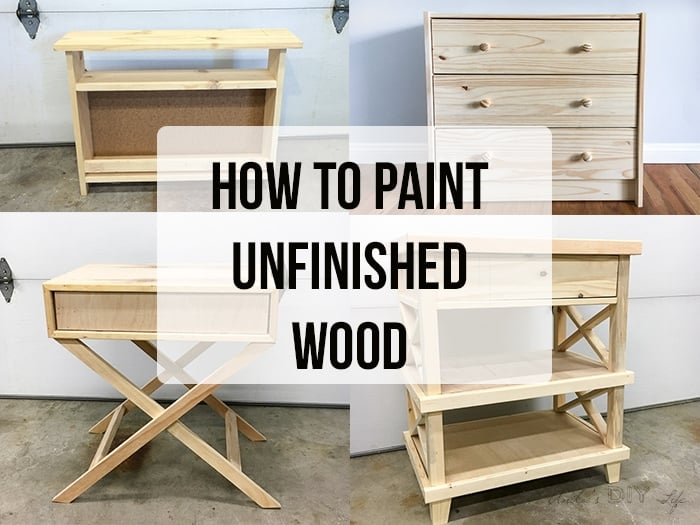
Preparing unfinished outdoor furniture before painting is important. It helps the paint stick better and last longer. A good preparation makes your furniture look smooth and fresh. Follow these steps to get your furniture ready for painting.
Cleaning And Sanding
Start by cleaning the furniture. Remove dirt, dust, and grease using soap and water. Let it dry completely. Sand the surface lightly with medium-grit sandpaper. This creates a rough texture for the paint to grip. Wipe off the sanding dust with a clean cloth.
Repairing Damages
Check the furniture for cracks, holes, or loose parts. Use wood filler to fill small holes and cracks. Let it dry fully. Sand the filled areas smooth. Tighten any loose screws or joints. This keeps the furniture strong and stable.
Priming The Surface
Apply a coat of primer to the furniture. Primer seals the wood and improves paint adhesion. Use a primer suitable for outdoor wood. Let the primer dry as per instructions. This step helps the paint resist weather damage better.
Painting Techniques
Painting unfinished outdoor furniture requires the right techniques for a smooth and lasting finish. Choosing the correct method helps the paint stick better and protects the wood from weather damage. Knowing how to apply paint evenly and allow proper drying time improves the final look. Simple steps can make your furniture look fresh and new for many seasons.
Using Brushes Vs. Sprayers
Brushes give control and work well for small areas and corners. They help spread paint evenly and prevent drips. Sprayers cover large surfaces quickly and give a smooth finish. Sprayers need practice to avoid over-spraying and waste. Choose brushes for detailed work. Use sprayers for fast coverage on big pieces.
Applying Even Coats
Thin, even coats dry better and last longer. Thick layers cause drips and uneven texture. Paint in one direction to avoid streaks. Let each coat dry before adding another. Multiple thin coats build strong protection and a clean look. Avoid rushing to keep the finish smooth.
Drying Time Tips
Drying time depends on weather and paint type. Warm, dry days speed up drying. Humid or cold weather slows it down. Wait at least 24 hours between coats. Avoid touching or moving furniture during drying. Proper drying prevents peeling and chipping later.
Credit: www.anikasdiylife.com
Protecting Your Paint Job
Protecting your paint job on outdoor furniture helps keep it looking fresh and new. Proper protection stops the paint from fading and peeling. It also guards against weather damage like rain, sun, and wind. Taking a few extra steps after painting can save you money and effort in the long run.
Applying Sealants
Sealants add a strong layer over your paint. They protect against moisture and UV rays. Choose a sealant made for outdoor use and compatible with your paint type. Apply the sealant evenly with a brush or spray. Let it dry completely before using the furniture. This step can extend the life of your paint job.
Maintaining Painted Furniture
Clean your furniture regularly with a soft cloth and mild soap. Avoid harsh chemicals that can damage the paint. Check for chips or cracks and fix them quickly. Light sanding and touch-up paint work well for small repairs. Keeping the furniture clean and smooth helps preserve the paint finish.
Seasonal Care Advice
Cover your furniture during harsh weather like heavy rain or snow. Store it indoors if possible during winter months. In summer, place furniture in shaded areas to reduce sun damage. Regularly inspect for signs of wear and address issues early. Seasonal care helps your furniture stay beautiful year-round.
Common Mistakes To Avoid
Painting unfinished outdoor furniture can refresh your space. Avoid common mistakes to get the best result. These errors can cause peeling, uneven color, and short paint life. Learn what to watch for during your project.
Skipping Preparation
Preparation is key for smooth paint. Do not skip sanding your furniture. Sanding removes rough spots and opens wood pores. Clean dust and dirt after sanding. Without prep, paint will not stick well. This causes flaking and uneven finish.
Using Wrong Paint Types
Choose paint made for outdoor use. Indoor paint does not resist weather and fades fast. Use paint labeled for wood and outdoor furniture. Oil-based or acrylic paint works best. Wrong paint leads to peeling and cracking. It wastes time and money.
Ignoring Weather Conditions
Check weather before painting. Avoid painting on rainy or very humid days. Paint needs dry air to dry properly. Too hot or cold weather affects paint drying too. Paint may bubble or crack if weather is bad. Pick calm, mild days for best results.
Frequently Asked Questions
How Do I Prepare Unfinished Outdoor Furniture For Painting?
Start by cleaning the furniture thoroughly to remove dirt and dust. Sand the surface lightly to create a smooth base. Wipe away sanding dust with a damp cloth. Ensure the furniture is completely dry before painting.
What Type Of Paint Is Best For Outdoor Furniture?
Use exterior-grade paint designed for outdoor use. Acrylic latex paint is durable and weather-resistant. It provides good protection against moisture and UV rays. Avoid indoor paints, as they may peel or fade quickly outdoors.
Should I Use A Primer Before Painting Outdoor Furniture?
Yes, applying a primer improves paint adhesion and durability. It seals the wood and prevents moisture damage. Use a primer compatible with your paint type. Allow the primer to dry fully before painting.
How Many Coats Of Paint Are Needed For Outdoor Furniture?
Two to three coats of paint are ideal for best coverage. Allow each coat to dry completely before applying the next. Multiple coats enhance durability and protect against weather elements.
Conclusion
Painting unfinished outdoor furniture can refresh your space quickly. Proper preparation and using the right paint makes a big difference. Take time to sand and clean the wood before painting. Choose paint designed for outdoor use to protect from weather.
Apply thin coats for smooth, lasting coverage. Let each coat dry fully to avoid peeling. Enjoy your furniture’s new look and extra protection. Small steps lead to great results. Now, your outdoor furniture looks fresh and ready for use.