Are you wondering how to keep your outdoor wood furniture looking beautiful year after year? Choosing the right oil can make all the difference.
The wrong product might leave your furniture dull, dry, or even damaged. But the right oil will protect, nourish, and bring out the natural beauty of the wood. You’ll discover exactly which oils work best for outdoor wood furniture and how to apply them for lasting results.
Keep reading to learn the simple secrets that will help your furniture stay stunning through every season.
Credit: simplifythechaos.com
Types Of Oils For Outdoor Wood
Oiling outdoor wood furniture helps protect it from weather and wear. Choosing the right oil keeps wood strong and looking good. Different oils offer different benefits and finishes.
Here are some common types of oils used on outdoor wood furniture.
Tung Oil
Tung oil comes from the tung tree nuts. It soaks deep into the wood. This oil creates a hard, water-resistant finish. It dries clear and adds a warm glow. Great for outdoor use because it resists moisture well.
Linseed Oil
Linseed oil comes from flax seeds. It is easy to apply and affordable. This oil darkens wood slightly and highlights grain. It protects wood from drying and cracking. Boiled linseed oil dries faster than raw oil.
Teak Oil
Teak oil is a mix of oils and varnishes. It works well on dense woods like teak. This oil improves wood’s natural color and shine. It helps repel water and dirt. Good choice for tropical hardwood furniture.
Danish Oil
Danish oil combines oil and varnish. It penetrates wood and forms a thin protective layer. This oil gives a smooth, satin finish. It enhances wood grain and color. Suitable for furniture exposed to sun and rain.
Mineral Oil
Mineral oil is a clear, odorless oil from petroleum. It does not harden or dry fully. This oil nourishes wood and prevents cracking. Often used on cutting boards but can protect outdoor wood temporarily. Needs frequent reapplication.
Credit: www.joalexander.co.uk
Benefits Of Using Oil On Wood
Oiling outdoor wood furniture offers many important benefits. It helps keep the wood strong and looking great for years. The right oil protects the furniture from weather damage. It also brings out the wood’s natural charm and color. Regular oiling makes caring for your furniture easier and extends its life.
Enhances Natural Beauty
Oil soaks deep into the wood, showing its true color. It makes the grain stand out with a warm glow. The furniture looks richer and more inviting. Oiling keeps the wood from looking dull or faded over time. It highlights the natural patterns in every piece.
Provides Water Resistance
Outdoor furniture faces rain and moisture every day. Oil creates a protective layer that repels water. This layer stops water from soaking into the wood. It reduces the chance of stains and water damage. Oiling helps wood stay dry and strong longer.
Prevents Cracking And Warping
Wood can crack or warp when it dries out. Oil keeps the wood moist and flexible. This reduces splitting and bending caused by sun and heat. The furniture stays smooth and even in shape. Oiling helps keep wood stable through changing weather.
Easy Maintenance
Oiled furniture is simple to clean and maintain. Dirt wipes off easily without harsh scrubbing. When the surface looks dull, just apply more oil. This quick step restores shine and protection. Regular oiling saves time and effort on repairs.
How To Choose The Right Oil
Choosing the right oil for outdoor wood furniture protects it and keeps it looking good. The right oil nourishes the wood and guards against weather damage. Several factors affect the choice of oil. Knowing these helps pick the best option for your furniture.
Wood Type Compatibility
Different woods absorb oil differently. Hardwoods like teak and mahogany need oils that penetrate deeply. Softer woods like pine require lighter oils. Some oils enhance the natural color of certain woods. Check what oil suits your furniture’s wood type.
Climate Considerations
Climate affects wood care needs. In wet or humid areas, use oils with water-resistant properties. Dry climates need oils that prevent cracking and drying. Oils with UV protection help in sunny places. Choose oil based on your local weather conditions.
Desired Finish And Appearance
Oils offer different finishes. Some give a glossy shine, while others provide a matte look. Consider if you want the wood to look natural or polished. Transparent oils keep the wood’s original color. Tinted oils change the wood tone slightly.
Drying Time And Durability
Drying time varies between oils. Fast-drying oils allow quick use of furniture. Slow-drying oils often offer better protection. Durability also differs. Choose oil that balances drying time with long-lasting protection. This keeps your furniture safe longer.
Application Tips For Outdoor Furniture
Applying oil on outdoor wood furniture helps protect it from weather damage. Proper application improves the wood’s look and extends its life. Follow these tips to get the best results.
Surface Preparation
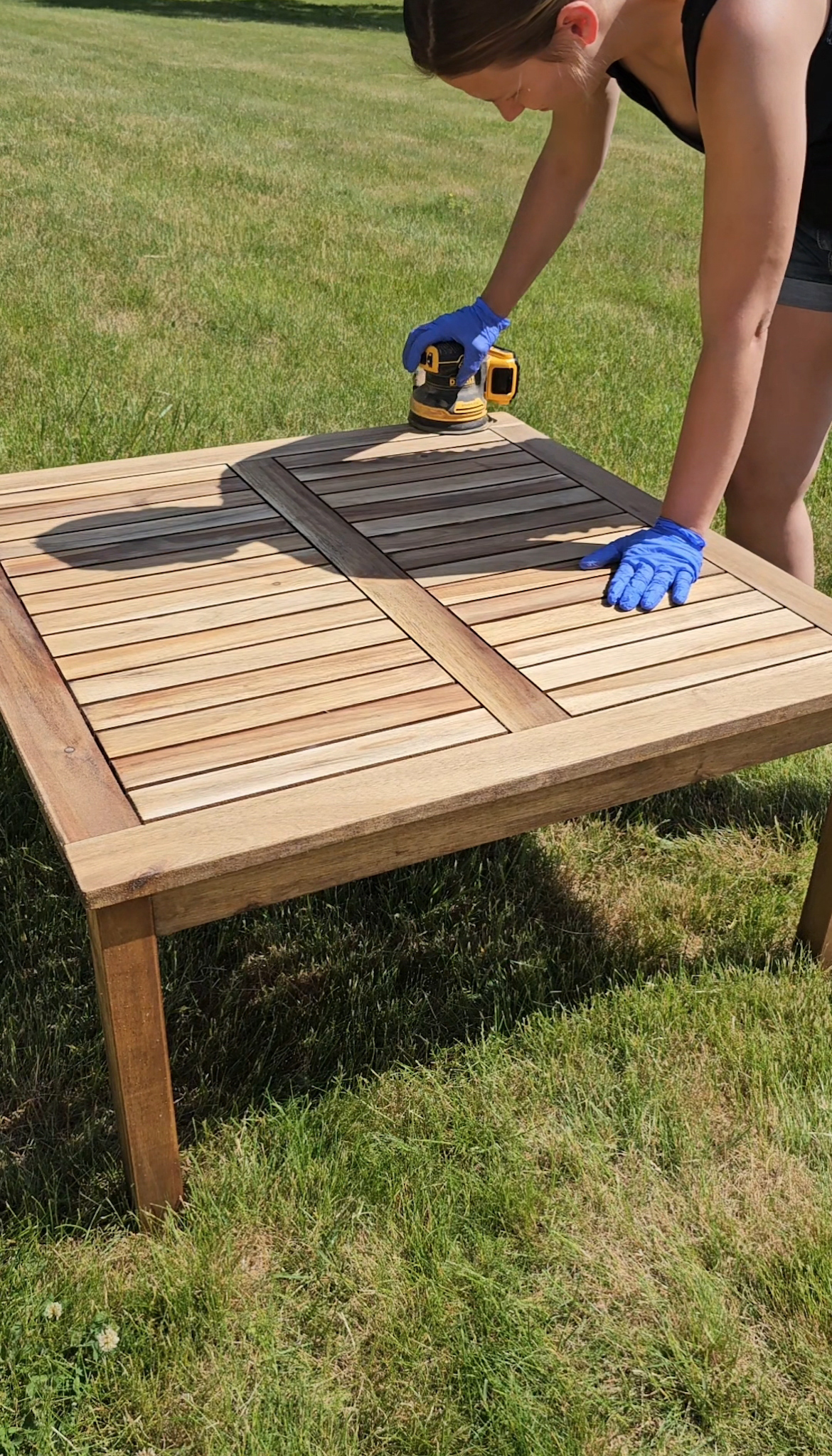
Clean the wood surface thoroughly before oiling. Remove dirt, dust, and old finishes with a soft brush or cloth. Sand rough areas gently to create a smooth surface. Wipe the wood with a dry cloth to remove dust after sanding.
Applying Oil Evenly
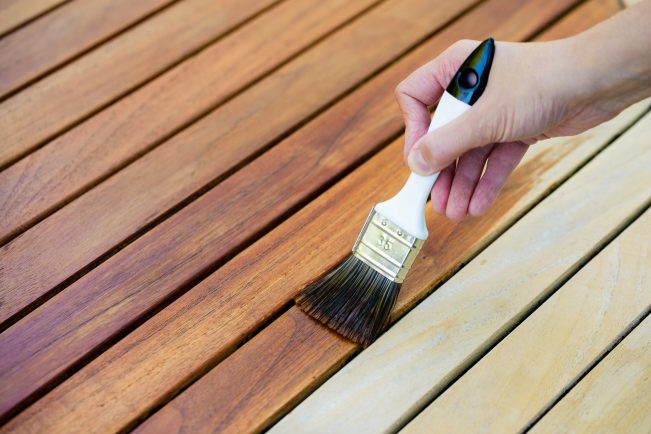
Use a clean, soft cloth or brush to apply the oil. Spread the oil in the direction of the wood grain. Avoid pouring oil directly on the wood to prevent uneven spots. Work in small sections for better control and coverage.
Number Of Coats
Apply at least two coats of oil for good protection. Wait for the first coat to soak in before adding the second. For older or dry wood, consider a third coat. Each coat adds more moisture and protection.
Drying And Curing Time
Allow the oil to dry for 24 hours after each coat. Keep furniture in a dry, shaded place during drying. Full curing can take up to a week. Avoid using or covering the furniture until it cures completely.
Common Mistakes To Avoid
Applying oil to outdoor wood furniture helps protect and enhance its beauty. Many people make mistakes that reduce the oil’s effectiveness. Avoiding these common errors ensures your furniture lasts longer and looks better.
Over-application
Applying too much oil can cause sticky surfaces and uneven drying. The wood cannot absorb excess oil properly. Use a small amount and spread it evenly. Wipe off any extra oil after application.
Ignoring Weather Conditions
Oiling your furniture in rain or high humidity stops the oil from drying. Sun exposure can dry the wood too fast, causing cracks. Choose a dry, mild day for oiling. This helps the oil soak in well.
Using The Wrong Oil
Not all oils suit outdoor wood. Some oils do not protect against water or UV damage. Use oils designed for outdoor wood furniture. These oils help keep your furniture safe and beautiful.
Skipping Regular Maintenance
Oiling once is not enough. Wood needs regular care to stay strong and fresh. Check your furniture every few months. Reapply oil when the wood looks dry or dull.
Maintaining Oiled Outdoor Furniture
Maintaining oiled outdoor furniture helps keep it looking fresh and strong. Oil protects the wood from drying out and cracking. Regular care extends the life of your furniture.
Cleaning Techniques
Start by removing dust and dirt with a soft brush or cloth. Use mild soap mixed with water for deeper cleaning. Avoid harsh chemicals that can damage the wood. Rinse with clean water and dry completely before oiling.
Reapplying Oil
Apply oil once or twice a year to keep wood nourished. Use a clean cloth to spread oil evenly along the grain. Let the oil soak in for 15-30 minutes. Wipe off any extra oil to avoid sticky surfaces. Allow furniture to dry fully before use.
Storage Tips For Longevity
Store furniture in a dry, covered area during harsh weather. Use furniture covers to protect against rain and sun. Avoid placing furniture directly on wet ground. Proper storage prevents mold and wood damage.
Credit: www.jarrimber.com.au
Frequently Asked Questions
What Is The Best Oil For Outdoor Wood Furniture?
Teak oil is ideal for outdoor wood furniture. It penetrates deeply and protects against moisture and UV damage. It enhances natural wood grain and prevents cracking or fading over time.
Can I Use Linseed Oil On Outdoor Wood Furniture?
Yes, boiled linseed oil works well outdoors. It seals wood, repels water, and adds a natural finish. However, it requires frequent reapplication to maintain protection and durability.
How Often Should I Oil Outdoor Wood Furniture?
You should oil outdoor wood furniture every 6 to 12 months. Regular oiling maintains moisture balance, prevents drying, and keeps the wood looking fresh and protected from weather damage.
Is Tung Oil Suitable For Outdoor Wood Furniture?
Tung oil is excellent for outdoor furniture. It forms a strong, water-resistant finish that enhances wood’s natural beauty. Pure tung oil requires multiple coats and proper curing for best results.
Conclusion
Choosing the right oil keeps outdoor wood furniture strong and beautiful. Oils like teak, linseed, or tung protect wood from sun and rain. Regular oiling stops cracking and fading over time. Clean the furniture before applying oil for best results.
Remember, simple care makes wood last many seasons. Enjoy your outdoor space with well-maintained furniture that feels fresh. Take small steps now to save time and money later. A little effort brings long-lasting beauty and comfort.