Choosing the right material for your outdoor furniture can be tricky. You want something that looks great, lasts long, and fits your lifestyle.
But should you go with wood or metal? Both have their strong points, and your choice can change how your outdoor space feels and functions. Keep reading, and you’ll discover which option suits your needs best—so you can create the perfect outdoor spot you’ll love spending time in.
Material Durability
Choosing the right material for outdoor furniture depends a lot on durability. Both wood and metal have strengths and weaknesses. Understanding how they hold up against weather, wear, and maintenance helps make a smart choice. Let’s explore these factors one by one.
Resistance To Weather
Wood can be sensitive to rain and sun. It may crack or warp over time. Some woods, like teak or cedar, resist weather better. Metal handles weather differently. Aluminum and stainless steel resist rust well. Iron or steel can rust without proper coating. Both materials need protection to last outdoors.
Longevity And Wear
Wood ages naturally and can last many years. It may show scratches or dents more easily. Metal furniture often lasts longer without major damage. It can stand heavy use and weight better. Over time, metal can fade or chip paint. Both materials need care to keep their look.
Maintenance Needs
Wood requires regular sealing or staining to stay strong. It may need sanding to remove rough spots. Metal furniture needs rust protection and paint touch-ups. Cleaning metal is usually easy with soap and water. Wood needs more attention to avoid decay and damage.

Credit: www.worldmarket.com
Aesthetic Appeal
Choosing outdoor furniture means thinking about how it looks. Aesthetic appeal matters because your furniture should match your garden or patio style. Wood and metal offer different looks and styles. Understanding their visual features helps you pick the best option for your outdoor space.
Design Versatility
Wood offers natural shapes and warm tones. It fits classic, rustic, and modern styles. Wood can be carved or shaped into many designs. Metal allows sleek, clean lines and bold shapes. It suits modern and industrial looks. Both materials can create unique furniture styles.
Color And Finish Options
Wood can be stained or painted in many colors. Its finish can be matte or glossy. Metal furniture often comes with powder-coated finishes. These finishes protect and add color. Metal colors include black, white, gray, and bright shades. Both materials give many color choices for your taste.
Aging And Patina
Wood changes over time. It may darken or get a soft gray tone. This natural aging adds character. Metal also changes with age. Some metals develop rust or a patina. This can create a vintage or rugged look. Both wood and metal grow more interesting as they age.
Comfort And Usability
Comfort and usability play a big role in choosing outdoor furniture. You want pieces that feel good to sit on and are easy to use. Both wood and metal have unique features affecting comfort and how you use them outside. Understanding these differences helps you pick the best option for your needs.
Weight And Mobility
Wood furniture tends to be heavier than metal. This can make it harder to move around your yard. Metal furniture is often lighter, so you can easily rearrange it. If you like changing your outdoor setup, metal might be better. Heavy wood pieces can stay put, offering more stability in windy areas.
Temperature Sensitivity
Metal heats up quickly under the sun. Sitting on hot metal can be uncomfortable. Wood stays cooler and feels better on warm days. In cold weather, metal can feel very cold to touch. Wood provides a more neutral temperature, making it pleasant year-round.
Ergonomic Considerations
Wood allows for smooth, rounded edges that support comfort. It can be shaped to fit the body better. Metal furniture often has sharp edges or straight lines. Cushions help improve comfort on metal chairs. Wood’s natural feel often adds a warmer touch to outdoor seating.
Environmental Impact
Choosing outdoor furniture affects the environment. The materials used have different impacts. Wood and metal each come with benefits and challenges. Understanding these helps you make a better choice for the planet.
Sustainability Of Materials
Wood is renewable if sourced from well-managed forests. Trees can grow back, keeping the cycle alive. Metal comes from mining, which uses a lot of energy. Mining can harm ecosystems and reduce biodiversity.
Wood furniture often uses less energy to produce than metal. Some woods, like teak or cedar, last longer outdoors. This means less frequent replacement and less waste.
Recyclability
Metal is highly recyclable and can be reused many times. Recycling metal saves energy compared to making new metal. Wood is harder to recycle, especially if treated with chemicals. Untreated wood can be composted or reused in other ways.
Recycling options depend on local facilities. Metal furniture may have an advantage if recycling is easy nearby. Wood furniture may end up in landfills more often.
Carbon Footprint
Wood stores carbon while growing, helping reduce greenhouse gases. Cutting trees releases some carbon, but new trees can absorb it again. Metal production releases more carbon due to high energy use in mining and processing.
Transport and manufacturing add to the carbon footprint of both materials. Choosing local sources can lower this impact. Wood generally has a smaller carbon footprint over its lifetime.
Cost And Value
Choosing between wood and metal for outdoor furniture involves thinking about cost and value. These factors help decide which material fits your budget and needs. Cost and value go beyond just the price tag. They include how much you spend now and later, plus the furniture’s worth over time.
Initial Investment
Wood furniture usually costs more at first. High-quality wood like teak or cedar can be expensive. Metal furniture often costs less to buy. Steel and aluminum options are common and affordable. The price depends on the type and design of the furniture. Simple metal chairs cost less than fancy wooden sets.
Long-term Expenses
Wood needs regular care to stay good. You must seal or stain it each year. This adds to its cost over time. Metal furniture needs less care but can rust. Aluminum resists rust better than steel. Repair costs for metal are often lower. Wood can crack or warp, causing extra expenses.
Resale And Replacement
Wood furniture keeps value well if cared for. It can look better as it ages. Metal furniture may lose value faster. Scratches and rust reduce its appeal. Replacing wood can be costly because of price. Metal pieces are usually cheaper to replace. Think about how long you plan to keep it.

Credit: www.countrycasualteak.com
Common Types And Styles
Outdoor furniture comes in many styles and materials. Choosing between wood and metal depends on the type and style you prefer. Each material offers unique looks and benefits. Understanding common types helps you pick the best option for your space.
Below are popular wood varieties, common metal choices, and blended material designs often seen in outdoor furniture.
Popular Wood Varieties
Teak is a top choice for outdoor furniture. It resists water and insects well. Cedar is light and has a natural smell that repels bugs. Pine is affordable but needs treatment to last outside. Eucalyptus offers a rich color and good durability. Each wood type brings a different look and care need.
Common Metal Choices
Aluminum is lightweight and does not rust easily. Steel is strong but needs a protective finish. Wrought iron is heavy and classic in style. Metal furniture often has a modern or vintage feel. Many metals get powder-coated to resist weather damage.
Blended Material Designs
Some outdoor furniture mixes wood and metal for style and strength. Metal frames with wooden seats create sturdy yet warm pieces. Synthetic rattan with metal adds a casual, cozy touch. These blends combine durability with attractive design. They suit many outdoor settings well.
Tips For Care And Maintenance
Taking care of outdoor furniture makes it last longer and look better. Wood and metal need different care methods. Knowing the right steps helps you keep your furniture in good shape. This section shares simple tips for cleaning, protecting, and storing both types.
Cleaning Techniques
Use a soft brush or cloth to remove dirt and dust. For wood, avoid harsh chemicals. Mild soap and water work well. Rinse thoroughly and dry with a towel.
Metal furniture can handle a bit more. Use warm water with mild detergent. Scrub rust spots gently with a wire brush. Dry metal quickly to avoid rust.
Protective Treatments
Wood benefits from regular oil or sealant. These keep moisture out and prevent cracking. Apply treatments once or twice a year. Sand the surface lightly before applying.
Metal furniture needs rust-proof paint or spray. Check for chips or scratches often. Touch up damaged spots to stop rust from spreading. Waxing metal can add extra protection.
Storage Recommendations
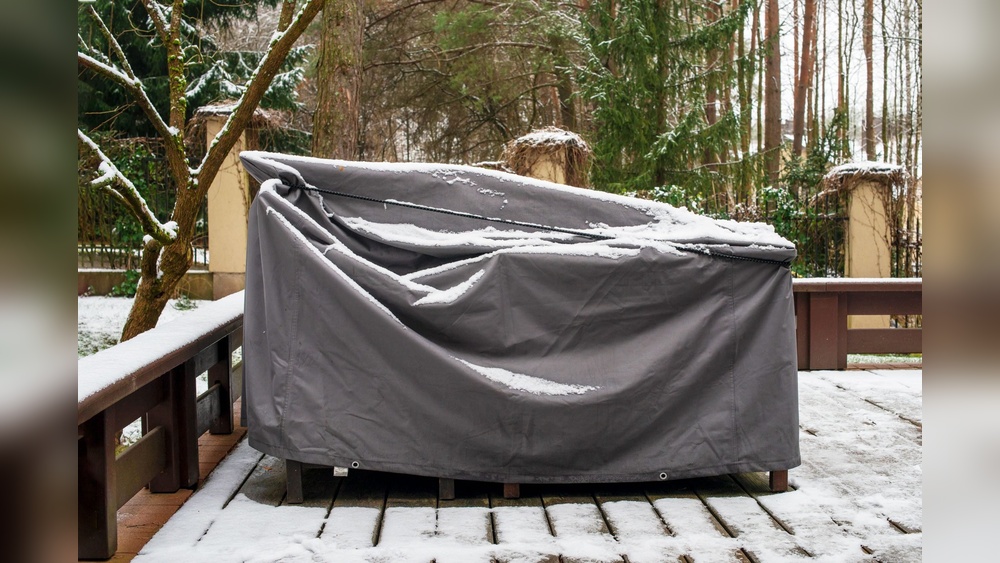
Keep furniture covered or inside during bad weather. Wood can warp if left wet for long. Metal may rust if exposed to moisture constantly.
Use breathable covers to avoid mold and mildew. Store cushions in a dry place. If possible, keep furniture in a garage or shed during winter.

Credit: www.amazon.com
Frequently Asked Questions
Is Wood Or Metal More Durable For Outdoor Furniture?
Metal is generally more durable against weather and wear. Wood can last long if properly treated and maintained. Metal resists moisture and pests better, but wood offers natural beauty and warmth. Choose based on your climate and maintenance willingness.
Which Outdoor Furniture Is Easier To Maintain, Wood Or Metal?
Metal furniture requires less maintenance, needing occasional cleaning and rust protection. Wood demands regular sealing or staining to prevent decay. If you prefer low upkeep, metal is ideal. For a natural look and willing to maintain, wood is suitable.
Does Metal Furniture Get Hotter Than Wood In Sunlight?
Yes, metal absorbs and retains more heat, making it hotter to touch in direct sunlight. Wood stays cooler due to its natural insulating properties. Consider furniture placement and cushions if heat is a concern.
Can Wood Furniture Withstand Rainy Outdoor Conditions?
Wood can endure rain if sealed and treated regularly to prevent rot and warping. Untreated wood absorbs moisture and deteriorates quickly. Choose hardwoods like teak or cedar for better rain resistance.
Conclusion
Choosing wood or metal depends on your style and needs. Wood offers warmth and natural beauty. Metal provides strength and lasts in tough weather. Both materials need care to stay beautiful. Think about your budget and how much time you spend outdoors.
Your perfect furniture blends comfort with durability. Take your time and pick what feels right. Enjoy your outdoor space with furniture that suits you best.