Are you wondering how to keep your outdoor furniture looking fresh and protected through every season? You might have heard about using lacquer, but is it really the best choice for your outdoor pieces?
Choosing the right finish can make all the difference between furniture that lasts and furniture that fades or cracks. You’ll discover the real benefits and drawbacks of using lacquer outside. By the end, you’ll know exactly if lacquer is the right option to protect your outdoor furniture and keep it looking great year after year.
Keep reading to find out!
Credit: furniturecity.com
Lacquer Basics
Lacquer is a popular finish for wood and furniture. It gives a smooth, shiny surface. Understanding lacquer basics helps decide if it suits outdoor furniture. This section explains what lacquer is and its types.
What Is Lacquer?
Lacquer is a clear or colored coating. It dries quickly and forms a hard shell. This shell protects the wood beneath. Lacquer is made from resin dissolved in a solvent. It creates a strong, glossy finish that looks clean and polished.
Unlike paint, lacquer does not cover texture. It shows the wood grain clearly. It also resists water and stains well. Many people use lacquer on indoor furniture for its shine and protection.
Types Of Lacquer
There are several types of lacquer. Each type works best for different uses. The main types are nitrocellulose, acrylic, and catalyzed lacquer.
Nitrocellulose lacquer is common and easy to apply. It dries fast but is less durable outdoors. Acrylic lacquer offers better weather resistance. It stays clear longer and resists yellowing. Catalyzed lacquer is the toughest. It hardens with a chemical reaction, making it very strong and water-resistant.
Choosing the right lacquer depends on the furniture’s location and use. Some lacquers work better indoors than outside.
Lacquer’s Durability Outdoors
Lacquer is a popular finish for many types of furniture. Its use outdoors raises questions about how well it stands up to tough conditions. Understanding lacquer’s durability outdoors helps decide if it suits your outdoor furniture needs.
Outdoor furniture faces sun, rain, wind, and dirt. The finish must protect the material beneath. Lacquer creates a smooth, hard surface that can shield furniture. Still, its effectiveness varies with different outdoor challenges.
Resistance To Weather Elements
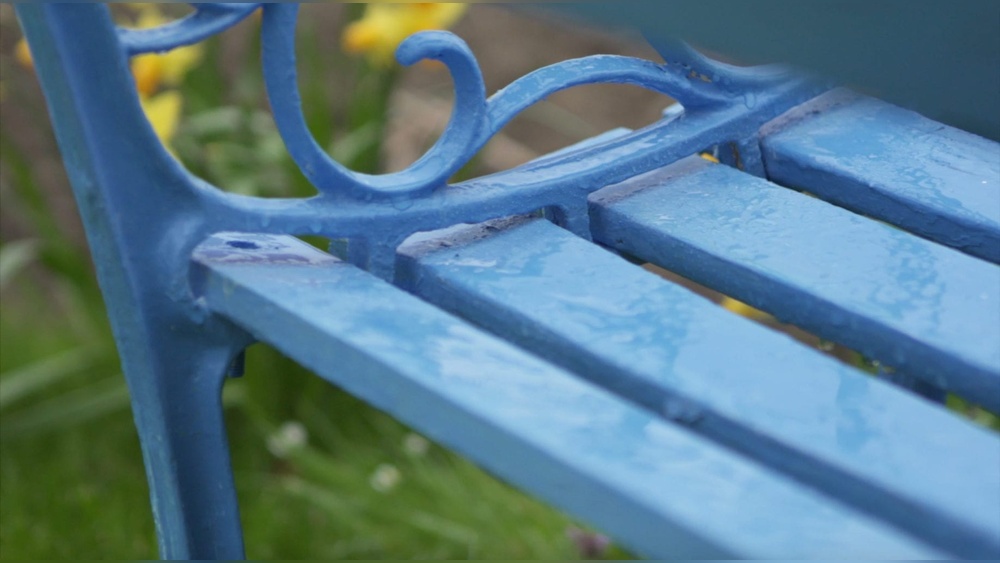
Lacquer forms a hard coating on wood and metal surfaces. This coating blocks dust and dirt from settling. It also helps stop small scratches and dents. Yet, lacquer can crack or peel under extreme weather. Heavy rain and strong winds may reduce its lifespan. Regular maintenance can extend how long lacquer lasts outdoors.
Impact Of Uv Rays
Sunlight contains UV rays that fade colors and weaken finishes. Lacquer does not resist UV rays as well as some other coatings. Over time, lacquer may yellow or become brittle in direct sunlight. Using UV-resistant lacquer variants can improve protection. Applying a clear UV topcoat over lacquer also helps.
Moisture Protection
Moisture causes wood to swell and metal to rust. Lacquer creates a water-resistant barrier that slows moisture entry. However, it is not fully waterproof. Prolonged exposure to water can cause lacquer to bubble or peel. Reapplying lacquer regularly is necessary to keep moisture out. Combining lacquer with sealants improves moisture defense.
Comparing Finishes For Outdoor Use
Choosing the right finish matters a lot for outdoor furniture. Different finishes protect wood in different ways. Some keep water out better. Others resist sun damage longer. Comparing common finishes helps find the best option for your needs. Here is a clear look at lacquer, varnish, polyurethane, and paint for outdoor use.
Lacquer Vs. Varnish
Lacquer dries fast and gives a smooth shine. It looks nice but does not hold up well outside. Water and sun can break it down quickly. Varnish takes longer to dry. It forms a tougher, thicker layer on wood. Varnish blocks water and UV rays better. It lasts longer outdoors than lacquer.
Lacquer Vs. Polyurethane
Polyurethane creates a strong, hard coat. It resists scratches, water, and sun damage. Lacquer feels softer and can peel with time. Polyurethane works well on outdoor furniture. Lacquer suits indoor pieces better because it is less durable outside.
Lacquer Vs. Paint
Paint covers wood completely and hides its natural look. It protects wood well from weather. Lacquer lets wood grain show through but is less protective. Paint lasts longer in rain and sun. Lacquer can fade or crack under harsh outdoor conditions.
Credit: furniturecity.com
Applying Lacquer On Outdoor Furniture
Applying lacquer on outdoor furniture can enhance its look and protect it from weather damage. Lacquer creates a hard, shiny surface that helps keep moisture and dirt away. Proper application is key to making the finish last longer and look better. Follow simple steps to prepare, apply, and maintain lacquer for the best results.
Preparation Tips
Start by cleaning the furniture thoroughly. Remove all dirt, dust, and old paint or varnish. Sand the surface smoothly using fine-grit sandpaper. This helps the lacquer stick better. Wipe the furniture with a damp cloth to clear dust. Make sure the furniture is dry before applying lacquer. Work in a well-ventilated area and protect nearby objects from overspray.
Application Methods
Use a brush or spray to apply lacquer. Brushes work well for small or detailed parts. Spraying gives a smoother and faster finish on large surfaces. Apply thin, even coats. Let each coat dry completely before adding the next. Avoid thick layers to prevent drips and uneven surfaces. Two to three coats usually give good protection and shine.
Maintenance And Touch-ups
Clean furniture regularly with a soft cloth and mild soap. Avoid harsh chemicals that can damage the lacquer. Check for scratches or chips often. Lightly sand damaged areas before touching up. Apply a thin coat of lacquer to fix worn spots. Proper care extends the life and beauty of lacquered outdoor furniture.
Common Issues With Lacquer Outdoors
Lacquer is a popular finish for furniture indoors. Outdoors, it faces many challenges. Weather and sunlight cause problems over time. Understanding common issues helps protect your furniture better. Here are typical problems with lacquer on outdoor furniture.
Peeling And Cracking
Sunlight heats lacquer and wood, causing expansion. This leads to cracking and peeling of the surface. Rain and moisture make the problem worse. Water seeps under the lacquer, lifting it off. Peeling and cracking ruin the look and protection.
Fading And Discoloration
UV rays break down lacquer’s color and shine. Furniture loses its bright, smooth finish. Colors become dull or change to a yellowish tone. Fading makes outdoor pieces look old and worn. Discoloration reduces the furniture’s appeal quickly.
Preventive Measures
Choose lacquer with UV protection for outdoor use. Apply thin, even coats to avoid thick layers. Reapply lacquer every year or as needed. Use covers or place furniture in shaded areas. Clean furniture regularly to remove dirt and moisture. These steps extend the life of lacquer finishes.
Best Practices For Longevity
Protecting outdoor furniture with lacquer requires smart care and good choices. These steps help your furniture stay beautiful longer. Follow simple tips to keep lacquer strong and bright in any weather.
Choosing The Right Lacquer
Select a lacquer made for outdoor use. Outdoor lacquers resist water and sun damage better. Look for products labeled as UV-resistant and weatherproof. Avoid indoor lacquers, as they wear out fast outside. Pick a lacquer that matches your furniture material for best results.
Protective Coatings
Adding a clear protective coat over lacquer improves durability. Use a polyurethane or varnish made for outdoor furniture. These layers block moisture and sun rays from reaching the lacquer. Apply several thin coats, letting each dry fully. This extra shield helps prevent cracks and peeling.
Storage And Care
Keep lacquered furniture out of harsh weather when not used. Store pieces in a covered area or use weatherproof covers. Clean furniture gently with a soft cloth and mild soap. Avoid harsh chemicals that can damage the finish. Regular care and proper storage extend lacquer life greatly.

Credit: www.antiquesboutique.com
Frequently Asked Questions
Is Lacquer Suitable For Outdoor Furniture Protection?
Lacquer offers a glossy finish but is less durable outdoors. It can crack or peel under harsh weather. For long-lasting protection, consider marine varnish or outdoor polyurethane instead.
How Does Lacquer Compare To Outdoor Varnish?
Lacquer dries fast and looks shiny but lacks UV resistance. Outdoor varnish provides better weather and water protection for outdoor furniture. Varnish is more flexible and durable for exterior use.
Can Lacquer Withstand Rain And Sunlight Exposure?
Lacquer is not ideal for prolonged rain or sunlight. It tends to degrade quickly when exposed to moisture and UV rays. Protective coatings designed for outdoors perform much better.
Should I Apply Lacquer On Wooden Outdoor Furniture?
Applying lacquer on wood outdoors is not recommended. It may look good initially but will fail to protect against weather damage over time. Use exterior-grade finishes for wood exposed to elements.
Conclusion
Lacquer offers a shiny, smooth finish for outdoor furniture. It protects wood from moisture and sun damage. Still, it may need regular touch-ups to stay strong. Choose lacquer if you want a sleek look and easy cleaning. Remember, no finish lasts forever under outdoor conditions.
Consider your climate and how much care you can give. This way, your furniture stays beautiful longer. Simple care and the right finish keep outdoor pieces looking great. Lacquer works well but is not the only option.