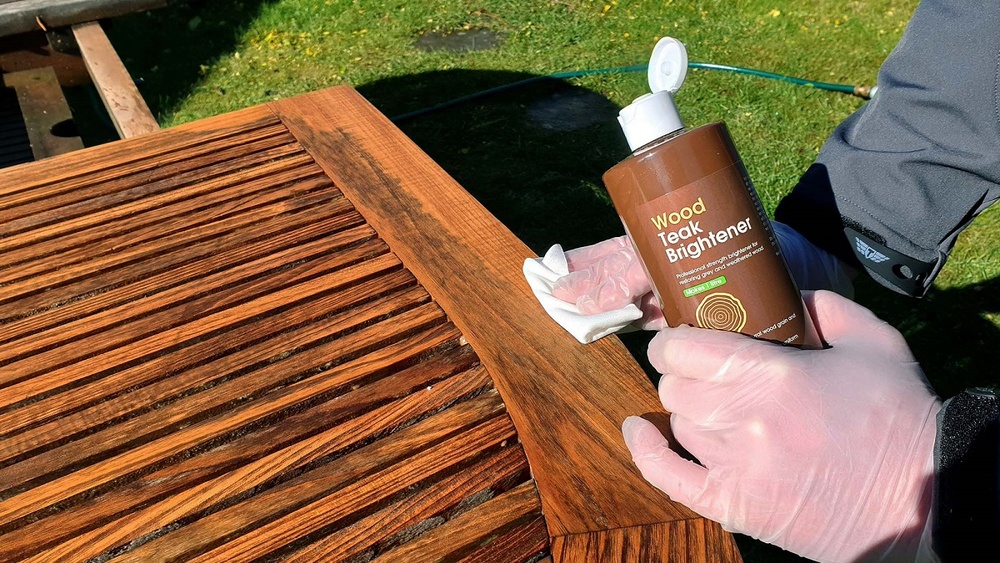
Choosing the right material for your outdoor furniture can feel overwhelming. You want something that looks great, lasts long, and stands up to the weather.
So, is iron or aluminum better for your outdoor space? This question matters because the material you pick affects comfort, durability, and maintenance. By the end of this article, you’ll know exactly which option fits your lifestyle and outdoor needs.
Keep reading to make the best choice for your perfect outdoor setup.
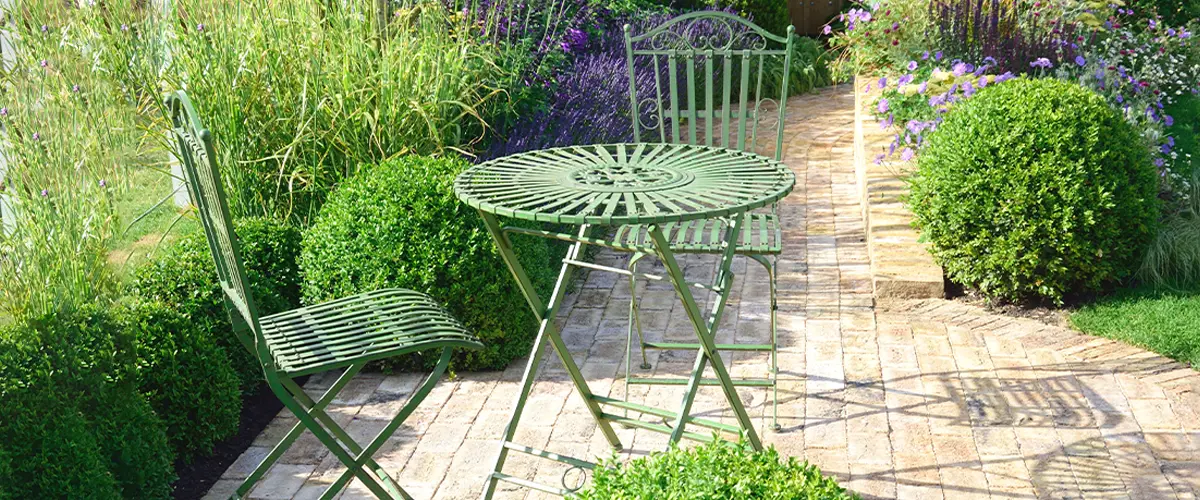
Credit: farrellslandscaping.com
Material Durability
Material durability is a key factor in choosing outdoor furniture. The material must handle different weather conditions and last a long time. Iron and aluminum are popular choices. Each has unique qualities that affect how well they hold up outdoors.
Resistance To Weather
Aluminum stands out for its excellent weather resistance. It does not absorb water or swell. Aluminum handles rain, sun, and snow without damage. Iron can suffer from moisture and temperature changes. It may crack or weaken over time.
Corrosion And Rust
Iron is prone to rust when exposed to moisture. Rust can weaken the furniture and spoil its look. Protective coatings help but need regular maintenance. Aluminum naturally resists rust and corrosion. It keeps its appearance and strength longer without extra care.
Strength And Weight
Iron is heavier and stronger than aluminum. It offers sturdy, solid furniture pieces. Aluminum is lighter, making furniture easier to move. Though lighter, aluminum remains strong enough for daily use. The choice depends on preference for weight or strength.
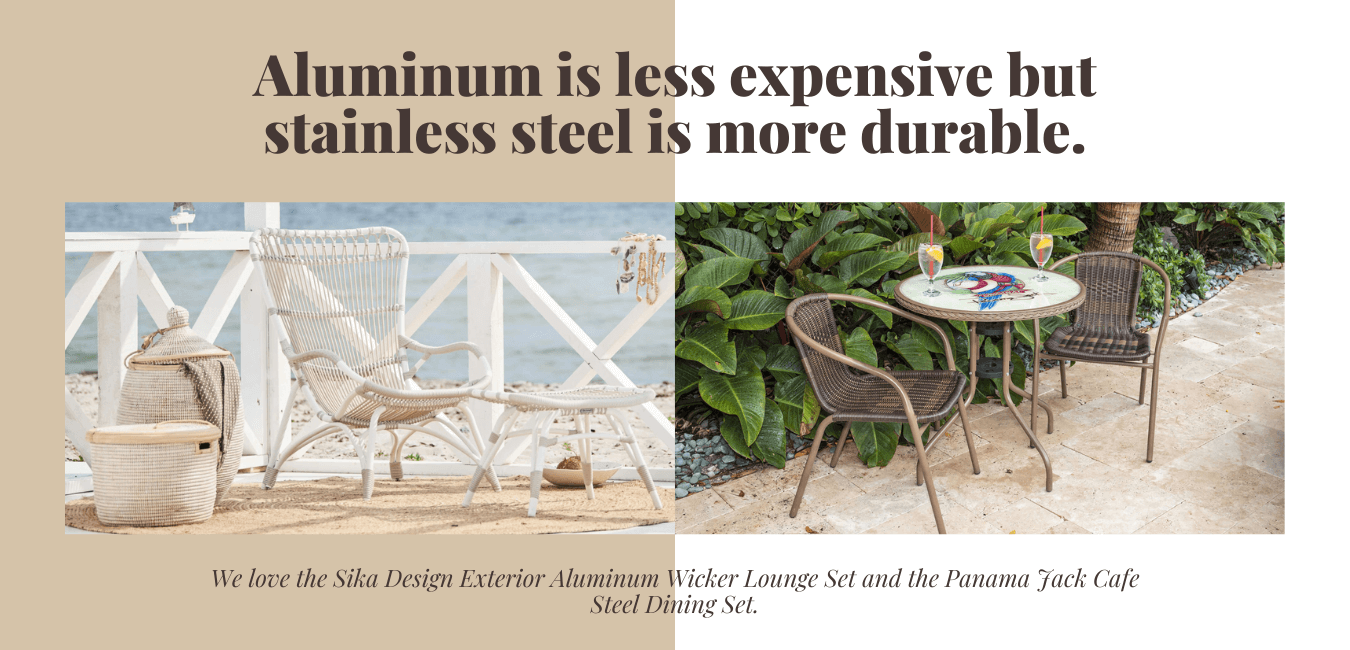
Credit: www.patioliving.com
Maintenance Needs
Maintenance is key when choosing between iron and aluminum for outdoor furniture. Both metals need care to stay beautiful and last long. Understanding their maintenance needs helps you keep your furniture in top shape.
Iron and aluminum differ in how you clean, protect, and care for them. This section breaks down those differences clearly.
Cleaning Tips
Iron furniture can rust without proper cleaning. Use mild soap and water to remove dirt. Avoid harsh chemicals that can damage the metal. Dry the furniture well after washing to prevent rust.
Aluminum is easier to clean. It does not rust but can get dull. Use a soft cloth and mild detergent to wipe it down. Rinse with water and dry to keep the shine.
Protection And Coatings
Iron needs a protective coating to avoid rust. Paint or powder coating works well. Check for chips and scratches often. Touch up damaged areas quickly to stop rust from spreading.
Aluminum usually comes with a protective finish. It resists rust naturally. Still, clear coatings help keep it looking new. Reapply coatings as the surface starts to wear.
Longevity With Care
Iron furniture lasts many years with regular care. Keep it dry and clean to avoid rust. Cover or store it during harsh weather.
Aluminum furniture can last even longer with less effort. It handles moisture well and resists corrosion. Clean it regularly and protect the finish to extend its life.
Aesthetic Appeal
The look of outdoor furniture affects the feel of your garden or patio. Choosing between iron and aluminum means thinking about style and beauty. Each metal offers different visual perks. These can shape the mood and charm of your outdoor space.
Design Flexibility
Iron allows for detailed and classic designs. It can be shaped into curls and patterns easily. This makes it perfect for traditional or vintage styles. Aluminum is lighter and easier to mold. It suits modern, sleek furniture with smooth lines and simple shapes. Both metals offer unique design choices.
Color And Finish Options
Aluminum comes with many color choices. It holds paint well and resists fading. Powder-coated finishes make it look fresh for years. Iron has a natural dark tone that ages with character. It can be painted too, but needs more care. Rust can add a rustic charm or be a problem if not treated.
Style Compatibility
Iron fits well in classic and ornate gardens. It matches stone, wood, and lush greenery. Aluminum blends easily with modern and minimalist settings. It pairs well with glass, concrete, and bright colors. Your choice can set the style tone of your outdoor area.
Cost Comparison
Choosing between iron and aluminum for outdoor furniture depends a lot on cost. Both materials have different price points that affect your budget. Understanding these costs helps you decide the best fit.
Initial Investment
Iron furniture usually costs more upfront. The material is heavier and harder to shape. This raises production and shipping costs. Aluminum furniture is lighter and easier to make. It often has a lower price tag at the start.
Long-term Value
Iron lasts longer with good care. It resists damage and supports heavy use. This makes it a good long-term buy. Aluminum resists rust well and needs less upkeep. It may show wear faster but costs less to maintain over time.
Availability And Pricing Trends
Aluminum is widely available and prices stay stable. Iron can be less common and prices may rise. Market demand and raw material costs affect both metals. Watch local prices before buying to find the best deal.
Environmental Impact
Choosing between iron and aluminum affects the environment differently. Iron requires more energy to produce but lasts longer. Aluminum is lighter and easier to recycle, reducing waste over time.
Sustainability Factors
Iron and aluminum differ in how they affect the environment. Iron is abundant and often sourced from recycled materials. It lasts a long time, reducing the need for new resources. Aluminum is lightweight and resists rust, which helps furniture last outdoors. However, mining bauxite for aluminum can harm nature. Choosing furniture made from recycled metals improves sustainability.
Recyclability
Both iron and aluminum are recyclable metals. Iron is often melted and reused without losing strength. Aluminum recycles easily and requires less energy than producing new metal. Recycling aluminum saves about 95% of the energy needed to make new aluminum. This makes aluminum highly eco-friendly when recycled properly. Proper recycling reduces waste and lowers pollution.
Production Footprint
Iron production uses a lot of energy and releases carbon dioxide. Steel mills emit greenhouse gases that affect climate change. Aluminum production is energy-intensive, especially in mining and refining bauxite. Yet, aluminum’s lightweight nature can reduce fuel use in transport. This can lower its overall carbon footprint during use. Choosing metals with lower production footprints helps protect the planet.
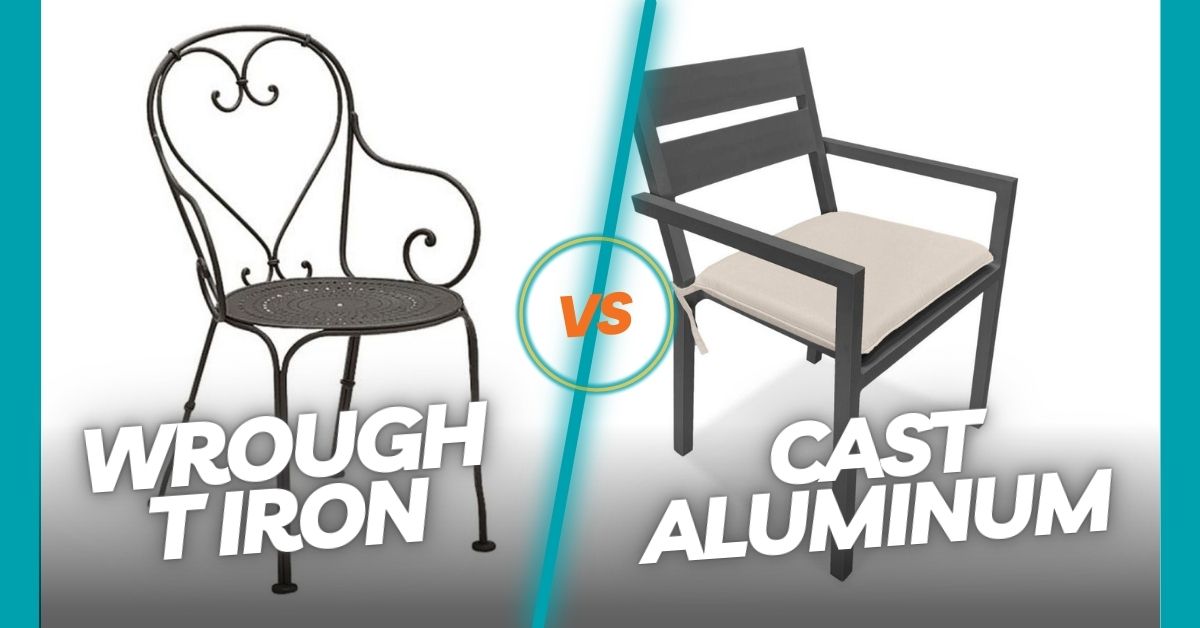
Credit: www.patioproductions.com
Suitability For Different Climates
Choosing the right material for outdoor furniture depends a lot on the climate. Different metals react differently to weather conditions. Iron and aluminum each have strengths and weaknesses in various environments. Understanding these can help you pick furniture that lasts longer and stays attractive.
Hot And Humid Areas
Aluminum works well in hot and humid places. It does not rust, so it handles moisture easily. Iron can rust quickly if not properly coated or maintained. The heat can also cause iron to become very hot to touch. Aluminum stays cooler under the sun, making it safer and more comfortable.
Cold And Wet Regions
Iron is strong and can handle cold better than aluminum. It stays sturdy in freezing weather. However, iron must have a protective coating to stop rust from rain and snow. Aluminum resists rust, but it can get brittle in very cold temperatures. Iron furniture often lasts longer if cared for properly here.
Coastal Environments
Salt air near the coast is tough on metals. Aluminum resists corrosion from salty air better than iron. Iron will rust fast unless it has special paint or treatment. Aluminum’s lightweight nature also helps it resist damage from strong coastal winds. For seaside homes, aluminum furniture is often a safer choice.
Comfort And Usability
Comfort and usability are key factors for outdoor furniture. The right material affects how you enjoy your space. Iron and aluminum each offer different experiences. Understanding their comfort traits helps you choose better.
Heat Retention
Iron gets hot quickly under the sun. Sitting on iron furniture on a sunny day can be uncomfortable. Aluminum stays cooler in the heat. It reflects sunlight better. This makes aluminum seats more pleasant during warm weather.
Weight And Mobility
Iron is heavy and hard to move. Rearranging iron furniture takes effort. Aluminum is lightweight and easy to carry. Moving aluminum chairs or tables is simple. This suits people who like to change their outdoor setup often.
Surface Texture
Iron furniture often has a rough, textured feel. It may cause discomfort without cushions. Aluminum surfaces are usually smooth. This adds to comfort but might feel slippery. Both materials work well with cushions for extra softness.
Frequently Asked Questions
Is Iron Or Aluminum More Durable For Outdoor Furniture?
Iron is stronger but prone to rust without treatment. Aluminum resists rust and lasts longer outdoors with minimal upkeep.
Which Metal Is Lighter: Iron Or Aluminum Furniture?
Aluminum furniture is much lighter than iron. This makes aluminum easier to move and rearrange in outdoor spaces.
Does Iron Or Aluminum Require More Maintenance Outside?
Iron needs regular rust protection and repainting. Aluminum requires less maintenance, usually just cleaning and occasional touch-ups.
Are Iron Or Aluminum Outdoor Furniture More Weather-resistant?
Aluminum is naturally weather-resistant and won’t rust. Iron can withstand weather if properly coated but is less durable long-term.
Conclusion
Both iron and aluminum have strong points for outdoor furniture. Iron feels heavy and very sturdy. Aluminum is light and does not rust easily. Choose iron for strength and classic style. Pick aluminum for easy moving and low care. Think about your space, weather, and how much work you want.
Both can last long with good care. Your choice depends on what fits your needs best. Simple and smart decisions make your outdoor space nice and comfy.