Have you ever noticed strange marks or discoloration on your outdoor furniture and wondered, “Does outdoor furniture stain?” You’re not alone. If you want your patio or garden space to stay looking fresh and inviting, understanding how stains happen—and how to prevent them—is key.
You’ll discover the surprising reasons behind those stubborn spots and simple steps you can take to keep your outdoor furniture spotless. Keep reading, and you’ll learn how to protect your investment and enjoy your outdoor space without worry.
Credit: outdoorfurnitureplus.com
Types Of Outdoor Furniture Materials
Outdoor furniture comes in many materials. Each type has its own look and care needs. Some materials stain easily. Others resist marks and weather well. Knowing these materials helps keep furniture clean and lasting longer.
Wood And Its Vulnerability
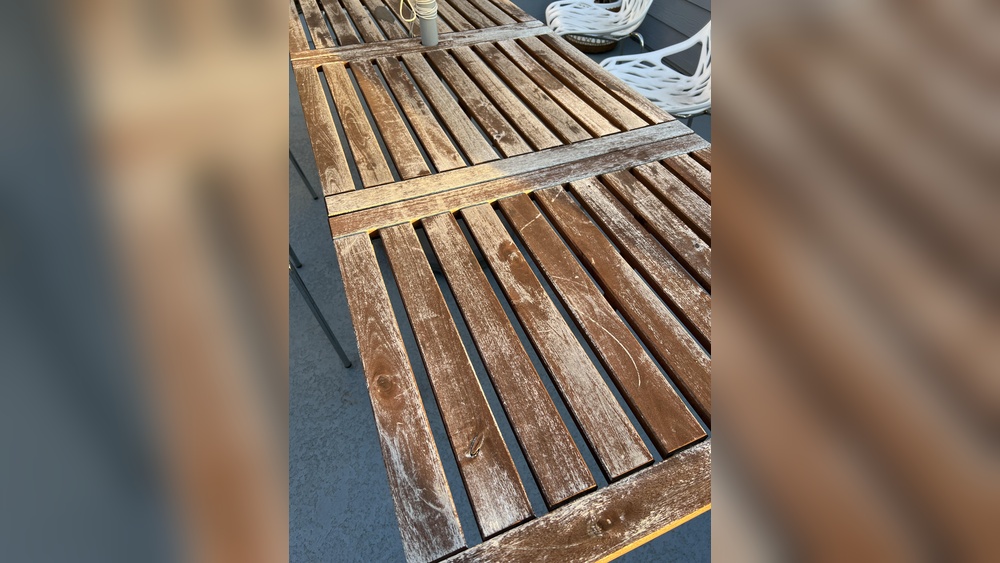
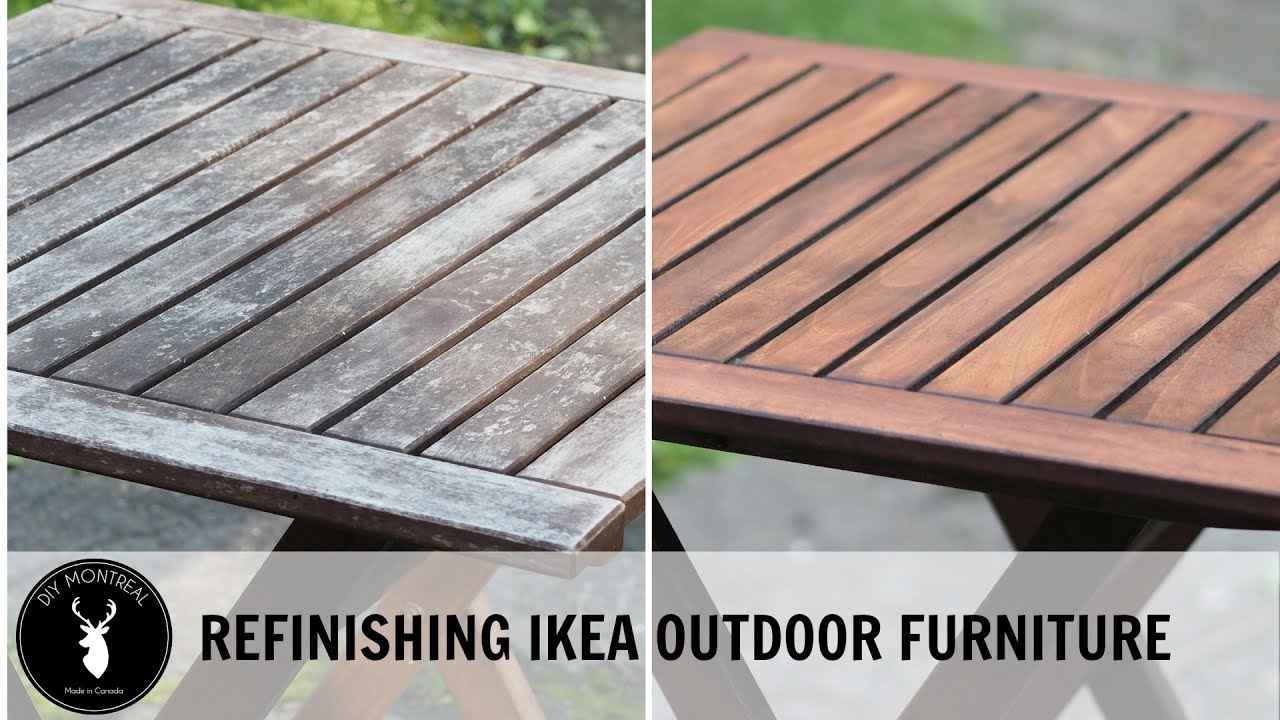
Wood is popular for outdoor furniture. It looks warm and natural. Wood can stain from water, dirt, and food. Sunlight can also fade the color. Without protection, wood may crack or warp. Regular sealing helps prevent stains and damage.
Metal Frames And Rust Issues
Metal furniture is strong and stylish. Common metals include aluminum and steel. Steel can rust if exposed to moisture. Rust stains may appear on furniture and nearby surfaces. Coated metals resist rust, but scratches can cause problems. Cleaning metal often avoids stain buildup.
Plastic And Resin Durability
Plastic and resin are low-maintenance options. They resist water and most stains well. Color fading can happen from long sun exposure. Dirt and dust stick lightly and wash off easily. These materials rarely stain deeply, making them practical choices.
Fabric Cushions And Stain Risks
Fabric cushions add comfort and style. They can soak up spills and dirt quickly. Without treatment, stains become hard to remove. Some fabrics have water-resistant coatings to reduce stains. Regular cleaning and quick drying keep cushions fresh.
Credit: www.youtube.com
Common Causes Of Outdoor Furniture Stains
Outdoor furniture often faces many challenges that cause stains. Dirt and marks can spoil its look quickly. Understanding common causes helps keep furniture clean and fresh. Below are the main reasons outdoor furniture gets stained.
Weather Effects
Sunlight can fade colors and leave marks on fabric. Rain can leave water spots or cause mold to grow. Wind blows dirt and dust that stick to surfaces. Snow and ice can cause rust or damage finishes.
Food And Drink Spills
Eating outside leads to spills on tables and chairs. Drinks like juice or wine often leave stains. Greasy or sticky foods can be hard to remove. Quick cleaning helps prevent permanent marks.
Plant Debris And Sap
Leaves, pollen, and dirt fall from nearby plants. These can leave stains or sticky spots on furniture. Tree sap is tough and can harden on surfaces. Cleaning sap quickly stops tough stains from setting.
Bird Droppings And Insects
Bird droppings contain acids that damage furniture finishes. Bugs leave small stains or residue on surfaces. Some insects secrete sticky fluids that attract dirt. Regular cleaning removes these stains before damage occurs.
Preventive Measures For Wood Furniture
Wood outdoor furniture adds charm but needs care to stay beautiful. Protecting it from stains and damage is key. Simple steps can keep wood looking fresh for years. This section shares easy ways to protect your wooden furniture.
Sealing And Staining Techniques
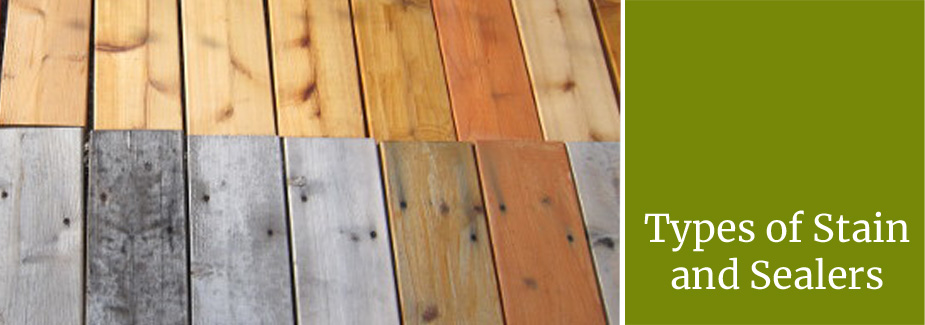
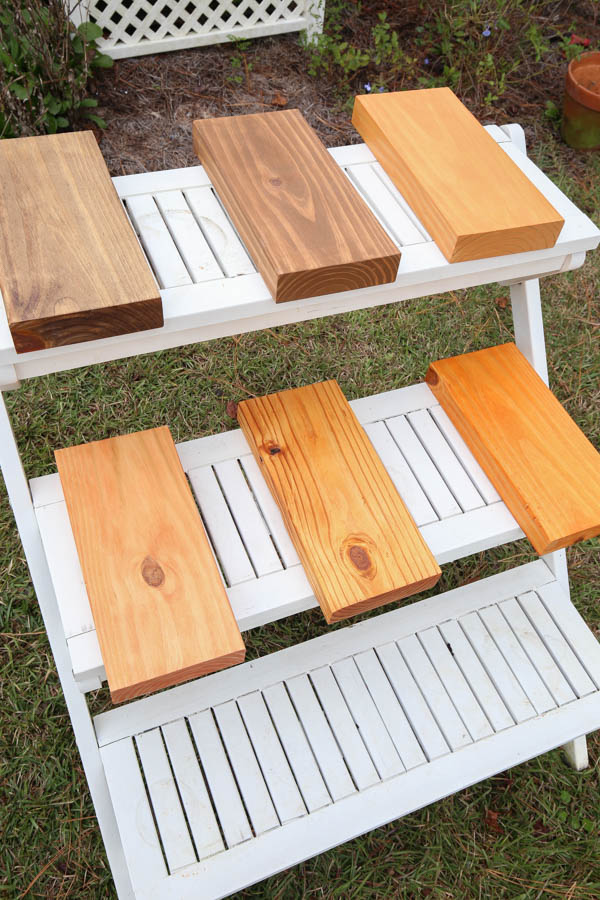
Sealing wood creates a protective barrier against moisture and dirt. Use a good outdoor wood sealer for best results. Staining adds color and extra protection. Choose a stain with UV protection to stop fading. Apply sealers and stains with a brush or cloth. Let each coat dry completely before adding more. Repeat this process every year to maintain protection.
Regular Cleaning Routines
Cleaning wood furniture regularly removes dirt and prevents stains. Use a soft brush or cloth with mild soap and water. Avoid harsh chemicals that can damage the wood. Rinse with clean water and dry with a towel. Clean furniture at least once a month during use. Quick cleaning stops dirt from settling deep into the wood.
Covering During Harsh Weather
Cover your wood furniture during rain, snow, or strong sun. Use waterproof covers that fit well and allow air flow. Covers stop water stains and reduce sun damage. Remove covers on dry days to prevent mold and mildew. Store furniture indoors or in a shed during winter. Proper covering extends the life of your wood furniture.
Protecting Metal And Plastic Furniture
Protecting metal and plastic furniture extends its life and keeps it looking good. Both materials face different challenges outdoors. Metal can rust and plastic may fade or crack. Simple care steps help avoid damage and stains. Understanding proper protection ensures your furniture stays strong and clean.
Rust Prevention Tips
Rust forms when metal meets water and air. Keep metal furniture dry to stop rust. Wipe off rain or spills quickly. Use a rust-resistant spray or paint. Check for scratches that expose bare metal. Cover these spots with touch-up paint. Regular cleaning removes dirt that traps moisture.
Uv Protection Methods
Sunlight can fade plastic and weaken metal finishes. Use UV-protective sprays made for outdoor furniture. These products block harmful rays and keep colors bright. Place furniture in shaded areas when possible. Use umbrellas or awnings to reduce sun exposure. Avoid placing plastic furniture directly on hot surfaces.
Proper Storage Ideas
Storing furniture properly prevents stains and damage. Move furniture indoors during bad weather. Use breathable covers to avoid moisture buildup. Store items in a dry, cool place. Avoid stacking heavy objects on top of plastic furniture. Lift metal furniture off damp ground to prevent rust.
Caring For Fabric And Cushions
Fabric and cushions on outdoor furniture add comfort and style. They can stain easily if not cared for properly. Taking care of these items helps them last longer and look good. Simple steps can protect your furniture from dirt, water, and sun damage.
Water-resistant Treatments
Water-resistant sprays create a barrier against moisture and stains. Apply these sprays before first use and repeat every few months. Choose treatments safe for outdoor fabrics. This helps prevent water from soaking into cushions and fabric.
Spot Cleaning Tips
Act fast when spills happen. Blot the spot with a clean cloth to remove excess liquid. Use mild soap mixed with water for cleaning. Gently rub the stain with a soft brush or cloth. Avoid harsh chemicals that can damage fabric fibers.
Storage And Maintenance
Store cushions in a dry place during bad weather. Use furniture covers to protect fabric from sun and rain. Regularly shake out and air cushions to avoid mold and mildew. Clean fabrics every few weeks to keep them fresh and clean.
Effective Cleaning Solutions
Outdoor furniture often faces dirt, stains, and weather effects. Choosing the right cleaning method helps keep it fresh and lasting longer. Effective cleaning solutions remove stains without damaging the material. This section explores safe and easy ways to clean your outdoor furniture.
Natural Cleaning Agents
Natural agents are gentle and safe for most furniture types. Soap and water work well for light dirt and dust. Mix mild dish soap with warm water. Use a soft cloth or sponge to clean surfaces. White vinegar is great for tougher stains. Combine vinegar with water in equal parts. Apply with a spray bottle and wipe clean. Baking soda can remove stubborn grime. Make a paste with water and scrub gently. These options avoid harsh chemicals and protect the environment.
Commercial Cleaners To Use
Some stains need stronger cleaning power. Choose commercial cleaners made for outdoor furniture. Look for products labeled safe for your furniture material. Spray or apply the cleaner and let it sit briefly. Scrub with a soft brush or cloth. Rinse thoroughly with water to remove residue. Avoid cleaners with bleach or ammonia. They can cause fading or damage. Follow the product instructions for best results.
Avoiding Harsh Chemicals
Harsh chemicals can ruin outdoor furniture quickly. Avoid bleach, ammonia, and strong solvents. These can strip paint and weaken materials. They may also cause skin irritation or breathing problems. Stick to mild soaps or natural cleaners. Test any new cleaner on a small hidden spot first. This prevents unexpected damage or discoloration. Gentle cleaning protects your furniture and your health.
Long-term Maintenance Practices
Outdoor furniture faces sun, rain, and dirt every day. These elements can cause stains and wear over time. Long-term maintenance keeps your furniture looking good and lasting longer. Simple habits help prevent damage and keep surfaces clean.
Routine Inspections
Check your outdoor furniture often. Look for stains, cracks, or rust spots. Catching small problems early stops them from growing. Inspect joints and screws to keep furniture stable and safe. Routine checks save money on big repairs later.
Timely Repairs
Fix stains and damages quickly. Clean spots as soon as you see them. Repair loose parts or broken pieces right away. Using the right tools and materials keeps the furniture strong. Timely repairs prevent stains from settling deep into surfaces.
Seasonal Deep Cleaning
Give your furniture a deep clean every season. Use mild soap and water to remove dirt and grime. Avoid harsh chemicals that may damage finishes. Rinse well and dry completely to stop mold and mildew. Seasonal cleaning refreshes furniture and reduces staining risks.
Credit: angelamariemade.com
Frequently Asked Questions
Does Outdoor Furniture Easily Get Stained?
Outdoor furniture can stain, especially if exposed to spills, dirt, or bird droppings. Materials like wood and fabric are more prone. Regular cleaning and protective treatments help prevent stains and maintain appearance.
What Causes Stains On Outdoor Furniture?
Stains arise from food spills, plant debris, dirt, and environmental factors like rain or mold. Certain materials absorb moisture or oils, making stains more likely. Proper care reduces these risks.
How Can I Prevent Stains On Outdoor Furniture?
Use covers, apply sealants, and clean spills immediately. Regular maintenance and storing furniture during harsh weather also minimize staining and prolong lifespan.
Are Some Outdoor Furniture Materials Stain-resistant?
Yes, materials like metal, plastic, and treated wicker resist stains better than wood or fabric. Choosing stain-resistant options simplifies maintenance and keeps furniture looking fresh.
Conclusion
Outdoor furniture can stain, but proper care helps prevent it. Clean spills quickly to avoid permanent marks. Using covers protects your furniture from dirt and rain. Choosing stain-resistant materials reduces the chances of damage. Regular cleaning keeps your outdoor space looking fresh and inviting.
Small stains don’t have to ruin your furniture’s look. Remember, simple steps can keep your furniture beautiful for years. Enjoy your outdoor area without worry about stains or damage.