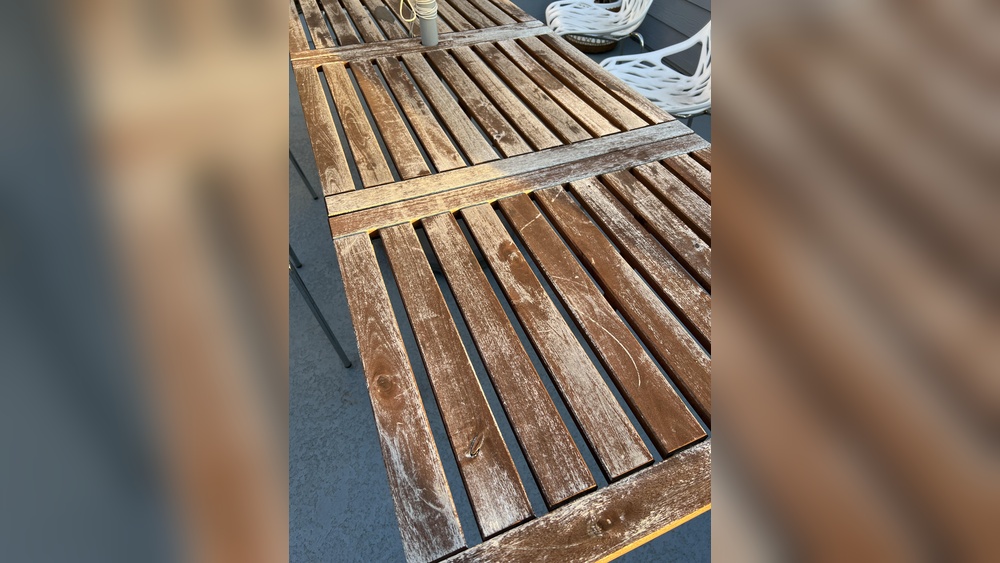
Your wood outdoor furniture has seen better days, hasn’t it? Maybe the paint is peeling, the wood looks dull, or it feels wobbly when you sit down.
Don’t rush to toss it out just yet. Imagine bringing back that cozy chair or sturdy table to its original charm, making your outdoor space inviting again. This guide will show you exactly how to refurbish your wood outdoor furniture step-by-step.
By the end, you’ll have the skills to save money, protect your investment, and enjoy your favorite spot outside like never before. Ready to transform your weathered furniture into something beautiful? Let’s get started.
Choosing The Right Furniture
Choosing the right wood furniture is key before starting your refurbishment project. The type of wood affects how you clean, sand, and refinish the piece. Understanding the wood and its condition helps you plan the work better. This step saves time and gives better results.
Identifying Wood Types
Different woods have different qualities. Teak and cedar resist water well. Pine and fir are softer and easier to sand. Look at the grain and color to guess the wood type. Hardwoods usually have tight, smooth grains. Softwoods show wider, rough grains. Knowing the wood helps you pick the right products and techniques.
Assessing Damage And Wear
Check your furniture carefully for cracks, rot, or loose joints. Look for splinters or deep scratches. Small cracks can be fixed with wood filler. Rotted wood may need replacement. Loose joints need tightening or new glue. Understanding the damage tells you how much work is needed. This helps you decide if the piece is worth refurbishing.
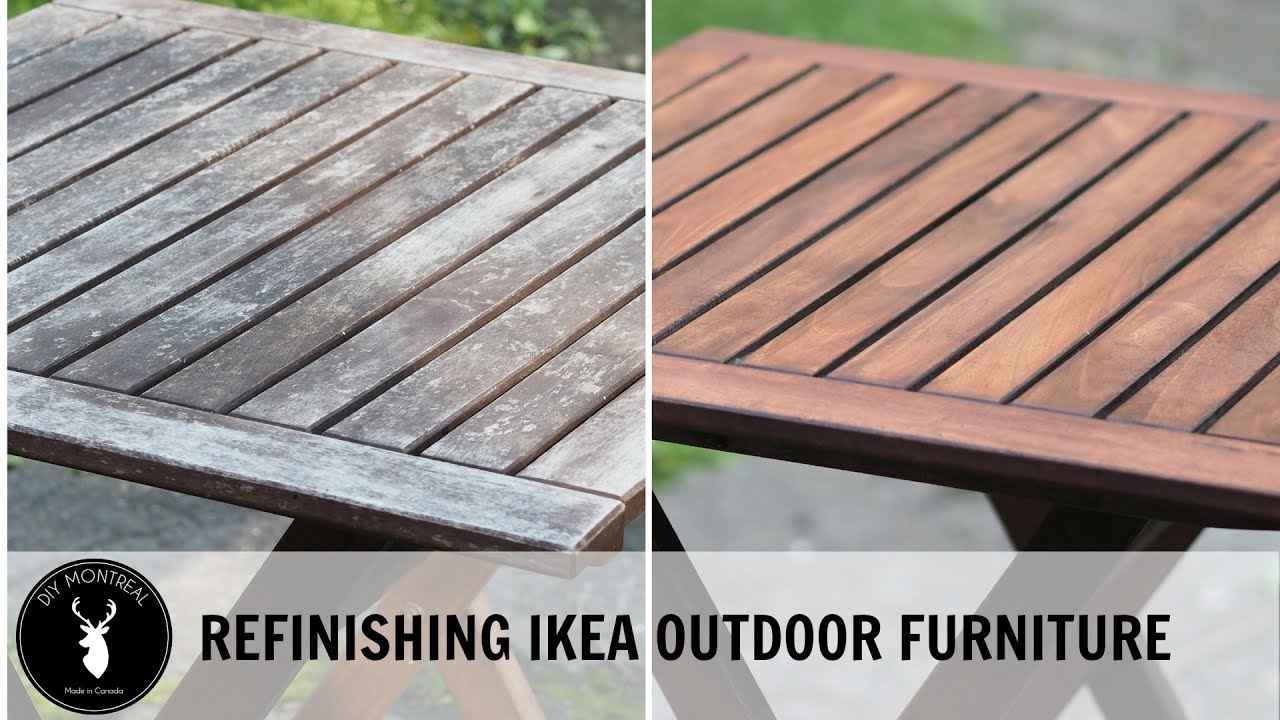
Credit: www.youtube.com
Gathering Tools And Materials
Gathering the right tools and materials is the first step in refurbishing wood outdoor furniture. Good preparation makes the work easier and gives better results. Having all items ready saves time and helps avoid interruptions. Below are the main supplies needed to start your project.
Essential Cleaning Supplies
Clean furniture before any sanding or painting. Use a soft brush to remove dirt and dust. Soap and warm water help wash away grime. A sponge or cloth works well for scrubbing. Rinse with clean water and let the wood dry. Cleaning ensures the finish will stick properly to the surface.
Sanding And Stripping Tools
Old paint or rough wood needs sanding or stripping. Use sandpaper with different grits, starting coarse and finishing fine. A sanding block or electric sander speeds up the job. Chemical paint stripper helps remove thick layers of paint. Wear gloves and work in a ventilated area. Smooth wood is easier to refinish and looks better.
Paints, Stains, And Sealants
Choose paint or stain based on your style and wood type. Paint covers completely and changes color. Stain shows wood grain and adds color. Sealants protect wood from moisture and sun damage. Use outdoor formulas made for wood furniture. Apply with brushes or sprayers. Let each coat dry before adding the next.
Cleaning And Preparing Wood
Cleaning and preparing wood is the first step in refurbishing outdoor furniture. This process removes dirt, grime, and old finishes. It helps the wood look fresh and ready for new paint or stain. Proper cleaning also protects the wood from damage and decay.
Removing Dirt And Grime
Start by brushing off loose dirt using a soft brush. Use a mixture of mild soap and water to scrub the surface gently. Avoid harsh chemicals that can harm the wood. Rinse with clean water and let the wood dry fully. This step clears away dust, mold, and stains.
Stripping Old Paint Or Finish
Old paint or finish can hide the wood’s natural beauty. Use a chemical paint stripper or sandpaper to remove it. Apply the stripper with a brush, following the product instructions carefully. Scrape off softened paint with a plastic scraper. Sand the wood surface smooth to remove any leftover finish. This prepares the wood for a new coat of paint or sealant.
Sanding Techniques
Sanding is a key step in refurbishing wood outdoor furniture. It removes old paint, smooths rough spots, and prepares the wood for new finishes. Good sanding makes the furniture look fresh and helps coatings stick better. Using the right sanding methods saves time and effort.
Choosing The Right Grit
Start with a coarse grit to remove old layers and rough patches. A grit between 60 and 80 works well. After that, switch to medium grit, like 120, to smooth the surface. Finish with fine grit, 180 or higher, for a soft touch. Changing grit gradually prevents scratches and uneven spots.
Sanding Tips For Smooth Surfaces
Always sand along the wood grain, never across it. This avoids scratches and keeps the texture natural. Use gentle, even pressure to prevent gouges. Clean dust often to see progress clearly. Hand sanding corners and edges helps reach tight spots. Finish by wiping the wood with a damp cloth to remove all dust.
Repairing Damages
Repairing damages is a key step in refurbishing wood outdoor furniture. It restores strength and improves the look. Small cracks and loose parts can cause bigger problems if not fixed early. Taking time to repair these issues keeps the furniture sturdy and safe. This section shows how to handle common repairs with simple tools and materials.
Filling Cracks And Holes
Start by cleaning the cracked or damaged area. Remove dirt and loose wood pieces. Use a wood filler that matches the furniture color. Apply it with a putty knife, pressing into cracks and holes. Smooth the surface and let the filler dry completely. Sand the area lightly to blend it with the wood. This process hides damage and prevents water from seeping in.
Fixing Loose Joints
Loose joints weaken the furniture’s structure. Find the loose parts by gently shaking or pressing them. Take apart the joint if possible. Clean old glue and dirt from both surfaces. Apply wood glue evenly and press the joint firmly together. Clamp or hold the pieces until the glue dries. Check for stability before using the furniture again.
Applying Stain Or Paint
Applying stain or paint is a key step in refurbishing wood outdoor furniture. It protects the wood from weather damage. It also improves the look of old or worn pieces. Choosing the right color and finish makes the furniture stand out. Using proper methods ensures a smooth, lasting surface. This section explains how to select colors and finishes. It also covers the best ways to apply stain or paint.
Selecting Colors And Finishes
Pick colors that match your outdoor space. Natural wood tones show the grain and give a classic look. Bright colors add a fun, modern touch. Choose finishes based on protection and style. Matte finishes hide scratches well. Glossy finishes reflect light and look shiny. Semi-gloss is a good balance of both. Consider using outdoor-specific stains or paints. They resist fading and water damage better. Test a small area first to see the color.
Proper Application Methods
Start with clean, dry furniture. Sand the surface lightly to remove old finish. Use a brush or a cloth for stain. Apply thin, even coats with the grain. Wipe off extra stain after a few minutes. For paint, use a quality brush or spray. Apply thin coats to avoid drips and lumps. Let each coat dry fully before the next. Sand lightly between coats for smoothness. Apply at least two coats for good coverage. Store leftover stain or paint tightly sealed.
Sealing And Protecting
Sealing and protecting wood outdoor furniture is key to keeping it strong and beautiful. Wood faces sun, rain, and dirt every day. Without proper care, it can crack, fade, or rot. A good sealant stops water and dirt from getting inside the wood.
Protective coatings add an extra layer to fight weather damage. They keep the wood looking fresh and last longer. Taking time to seal and protect your furniture saves money and effort in the long run.
Choosing Sealants For Outdoors
Pick a sealant made for outdoor use. These sealants block water and resist UV rays. Look for products labeled “waterproof” or “weatherproof.” Oil-based sealants soak deep into the wood. They protect better but take longer to dry.
Water-based sealants dry fast and have less smell. They are easy to clean up with soap and water. Check if the sealant is clear or tinted. Clear sealants keep the wood’s natural color. Tinted ones add color and extra sun protection.
Applying Protective Coatings
Clean the furniture well before applying any coating. Use a brush or cloth to apply sealant evenly. Cover all surfaces, including edges and legs. Apply thin coats to avoid drips and bubbles. Wait for each coat to dry fully before adding another.
For best results, apply at least two coats. Lightly sand between coats for a smooth finish. Let the furniture dry completely before use. Regularly check the coating and reapply every year to keep protection strong.

Credit: www.youtube.com
Maintenance Tips
Maintaining your wood outdoor furniture keeps it looking fresh and lasting longer. Simple care steps stop damage from weather and dirt. These tips help your furniture stay strong and beautiful year-round.
Regular Cleaning
Clean your furniture often to remove dust and grime. Use a soft brush or cloth with mild soap and water. Avoid harsh chemicals that can harm the wood. Rinse well and dry with a clean towel. This prevents mold and dirt build-up.
Seasonal Care
Check your furniture each season for wear or damage. Sand rough spots lightly to smooth the surface. Apply a fresh coat of wood sealant or oil to protect it. Store cushions in a dry place during bad weather. Cover furniture or move it indoors in winter to avoid cracks and fading.
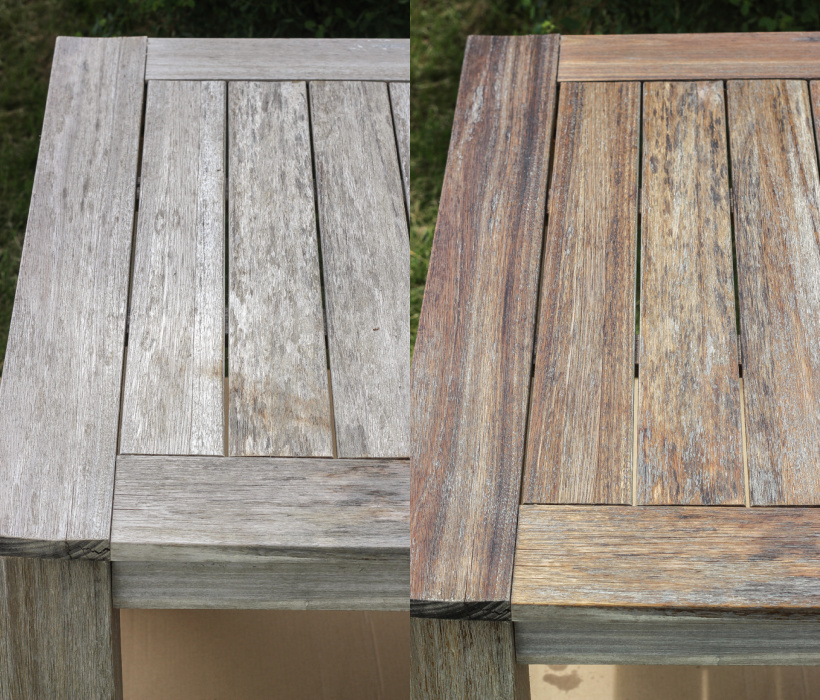
Credit: lovegrowswild.com
Frequently Asked Questions
How Do I Prepare Wood Outdoor Furniture For Refurbishing?
Start by cleaning the furniture with mild soap and water. Remove dirt and debris. Sand the surface to remove old finishes and smooth imperfections. Ensure the wood is dry before applying any treatments or paint for best results.
What Type Of Paint Is Best For Wood Outdoor Furniture?
Use exterior-grade paint designed for wood. Acrylic latex paint is durable and weather-resistant. It protects against moisture and UV damage. Choose a paint that matches your desired finish and provides long-lasting protection outdoors.
How Often Should I Refinish Outdoor Wood Furniture?
Refinish your wood furniture every 1 to 3 years. This depends on weather exposure and wood type. Regular maintenance prevents damage and prolongs furniture life. Inspect your furniture yearly for signs of wear or peeling finish.
Can I Repair Cracks In Wood Outdoor Furniture?
Yes, fill small cracks with exterior wood filler or epoxy. Sand the area smooth once dry. For larger cracks, consider professional repair or replacing damaged parts. Proper filling prevents water damage and maintains structural integrity.
Conclusion
Refurbishing wood outdoor furniture brings new life and charm. Clean, sand, and apply finish carefully for best results. Small repairs can make old pieces strong again. Take your time and enjoy the process. Your garden will look fresh and inviting.
This simple project saves money and reduces waste. Try it yourself and feel proud of your work.

