When winter arrives, you might wonder what to do with your outdoor furniture cushions. Should you leave them outside or bring them inside?
This decision can save you money, protect your investment, and keep your cushions looking great for years. If you want to avoid soggy, moldy cushions next spring, this article is for you. Keep reading to find out the best way to care for your outdoor cushions through the cold months.

Credit: armadillosun.com
Winter Risks For Outdoor Cushions
Outdoor furniture cushions face many risks during winter. Cold weather, snow, and moisture can cause serious damage. Knowing these risks helps you protect your cushions and extend their life.
Impact Of Moisture And Snow
Moisture from rain and snow soaks into cushions. Wet cushions take a long time to dry. This dampness promotes mold and mildew growth. Mold causes stains and bad smells. Snow melting on cushions adds more water inside. Over time, wet cushions lose their shape and comfort.
Effects Of Freezing Temperatures
Freezing weather makes water inside cushions freeze. Ice crystals expand and damage fabric and foam. This leads to cracks and tears in cushions. Frozen cushions become hard and uncomfortable. Repeated freezing and thawing make damage worse each winter.
Damage From Uv Exposure
Winter sun still emits UV rays that harm cushions. UV rays fade colors and weaken fabric fibers. This makes cushions look old and worn out. Even on cold days, UV damage continues silently. Protecting cushions from sun keeps them bright and strong.
Benefits Of Bringing Cushions Indoors
Bringing outdoor furniture cushions indoors during winter offers many benefits. Cushions face harsh weather outside. Snow, rain, and cold can damage them fast. Storing cushions inside helps protect them and keeps them in good shape. This simple step saves money and effort over time. It also keeps your outdoor seating inviting and comfortable year after year.
Extending Cushion Lifespan
Winter weather wears down cushions quickly. Cold and moisture break down fabric and filling. Keeping cushions indoors stops this damage. It lowers the risk of tearing and fading. Cushions stay stronger and last longer. This means fewer replacements and less waste.
Maintaining Comfort And Appearance
Cushions left outside get soggy and hard. Sitting on wet or frozen cushions feels unpleasant. Bringing them inside keeps them dry and soft. Cushions keep their shape and color better. Your outdoor furniture looks fresh and inviting each season.
Preventing Mold And Mildew Growth
Moisture trapped in cushions causes mold and mildew. These fungi smell bad and harm fabric fibers. Mold can cause allergies too. Storing cushions indoors in a dry place stops mold growth. This keeps cushions clean, healthy, and safe to use.
Preparing Cushions For Storage
Preparing outdoor furniture cushions for storage is important to keep them in good shape. Proper care stops mold, smells, and damage. Cushions last longer when stored correctly. Start with cleaning and drying. Then pick the best storage space. Finally, protect cushions with covers.
Cleaning And Drying Tips
Remove loose dirt by shaking or brushing cushions gently. Use mild soap and water to clean stains. Avoid harsh chemicals that can damage fabric. Rinse well to remove soap. Let cushions dry completely outside. Drying stops mold and mildew growth. Do not store damp cushions.
Choosing The Right Storage Space
Choose a cool, dry place for storing cushions. Avoid damp basements or hot attics. A closet, garage, or shed works well. Keep cushions off the floor. Place them on shelves or pallets. Good air circulation helps prevent mold. Check the space for pests before storing.
Using Protective Covers
Cover cushions with breathable fabric bags or cotton sheets. Avoid plastic covers that trap moisture. Protective covers shield cushions from dust and bugs. They keep cushions fresh and clean. Replace covers if they get wet or dirty. Use covers designed for outdoor cushions if available.
Alternatives To Bringing Cushions Inside
Bringing outdoor cushions inside is not the only way to protect them during winter. Some cushions can stay outside if you take certain steps. These methods save space and keep cushions ready for spring. They also reduce wear from moving cushions in and out.
Weatherproof Cushion Options
Choose cushions made with weatherproof fabric. These cushions resist water, mold, and fading. They dry quickly after rain or snow. Using weatherproof cushions means less worry about damage. They last longer and stay comfortable all season.
Outdoor Storage Solutions
Use outdoor storage boxes or benches to keep cushions safe. These containers protect cushions from snow and dirt. They keep cushions dry and clean without bringing them inside. Storage boxes come in many sizes and styles. Pick one that fits your outdoor space well.
Using Waterproof Covers
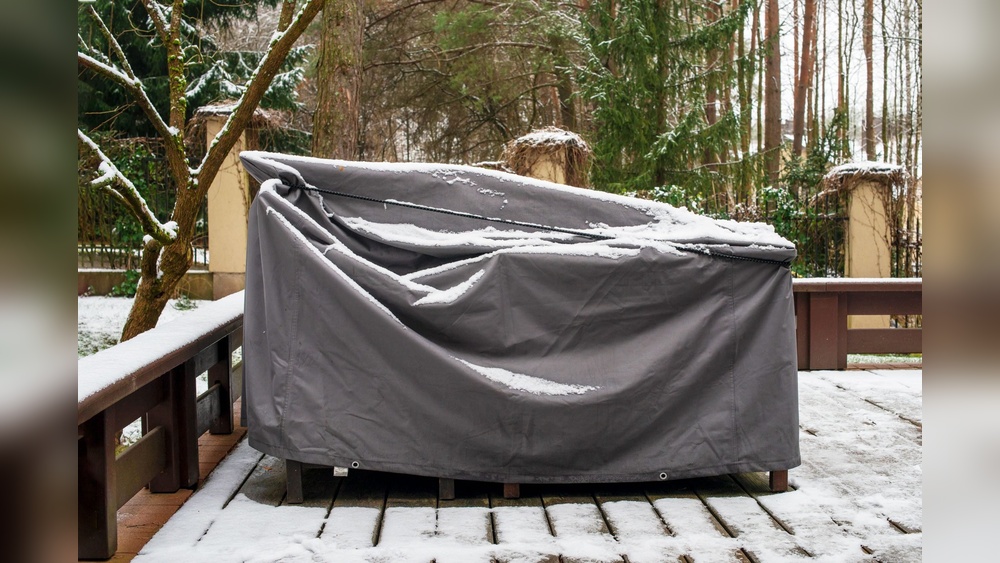
Cover cushions with waterproof covers made for outdoor use. These covers block rain, snow, and moisture. They are easy to put on and take off. Covers keep cushions dry while still outdoors. Choose covers that fit snugly to avoid wind damage.
Seasonal Cushion Care Tips
Seasonal cushion care is important to keep your outdoor furniture looking good. Proper care helps cushions last longer and stay comfortable. Simple steps during winter protect cushions from damage caused by cold, moisture, and dirt. Follow these tips to keep your cushions clean and fresh all season.
Regular Maintenance During Winter
Check cushions often for dirt and wet spots. Brush off leaves, dirt, and dust gently. Dry cushions if they get wet to stop mold growth. Store cushions in a dry place if possible. Use cushion covers to shield them from snow and rain.
Inspecting Cushions Before Use
Look for tears, stains, and mold before using cushions. Small tears can get worse if left alone. Clean stains quickly with mild soap and water. Make sure cushions are fully dry before putting them back outside. Fix problems early to avoid bigger damage.
Reviving Cushions After Storage
Take cushions out of storage and air them well. Shake cushions to remove dust and fluff them up. Clean them lightly to remove any musty smells. Let cushions dry in the sun for a few hours. This refreshes fabric and keeps cushions soft and fresh.
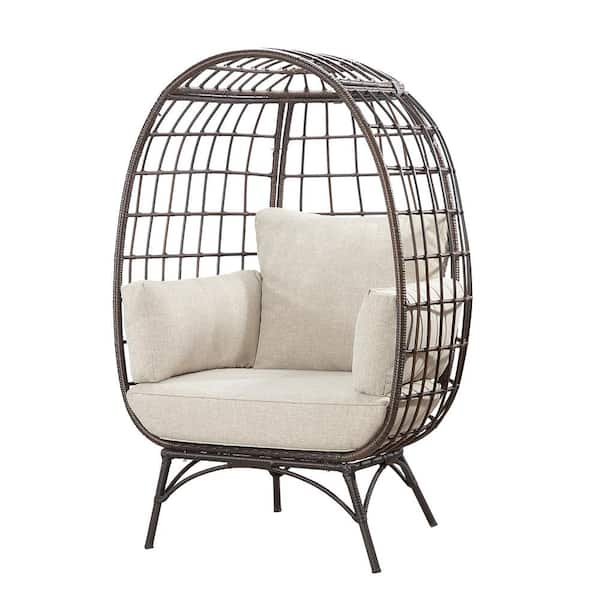
Credit: www.homedepot.com

Credit: yardbird.com
Frequently Asked Questions
Should Outdoor Cushions Be Stored Indoors During Winter?
Yes, storing outdoor cushions indoors prevents moisture damage and mold growth. It extends cushion life and maintains appearance.
How To Prepare Outdoor Cushions For Winter Storage?
Clean cushions thoroughly, dry completely, and store in a dry, ventilated space. Use protective covers for extra protection.
Can Leaving Cushions Outside In Winter Cause Damage?
Yes, exposure to snow and rain can cause fabric fading, mildew, and foam deterioration. Indoor storage is best.
Are Waterproof Cushions Safe To Leave Outside In Winter?
Waterproof cushions resist moisture but can still suffer from cold-related damage. Bringing them inside is safer for longevity.
Conclusion
Protecting outdoor cushions during winter keeps them clean and dry. Wet cushions can grow mold and fade in the cold. Bringing cushions inside helps them last longer and look better. Store them in a dry, cool place away from sunlight.
This small step saves money on replacements later. Enjoy fresh, comfy furniture when warm weather returns. Taking care now means less hassle next spring. Simple actions make a big difference for your outdoor space. Keep cushions safe, and your patio stays inviting year after year.