Is your maintenance-free outdoor furniture looking worn or damaged? You rely on these pieces to relax and enjoy your outdoor space, so seeing them in poor shape can be frustrating.
But here’s the good news: you don’t have to replace your furniture just yet. With a few simple steps, you can bring your outdoor furniture back to life and keep it looking great for years to come. Keep reading, and you’ll discover easy, effective ways to repair your furniture without spending a fortune or calling in a pro.
Your outdoor oasis is about to get a fresh new look—let’s get started!
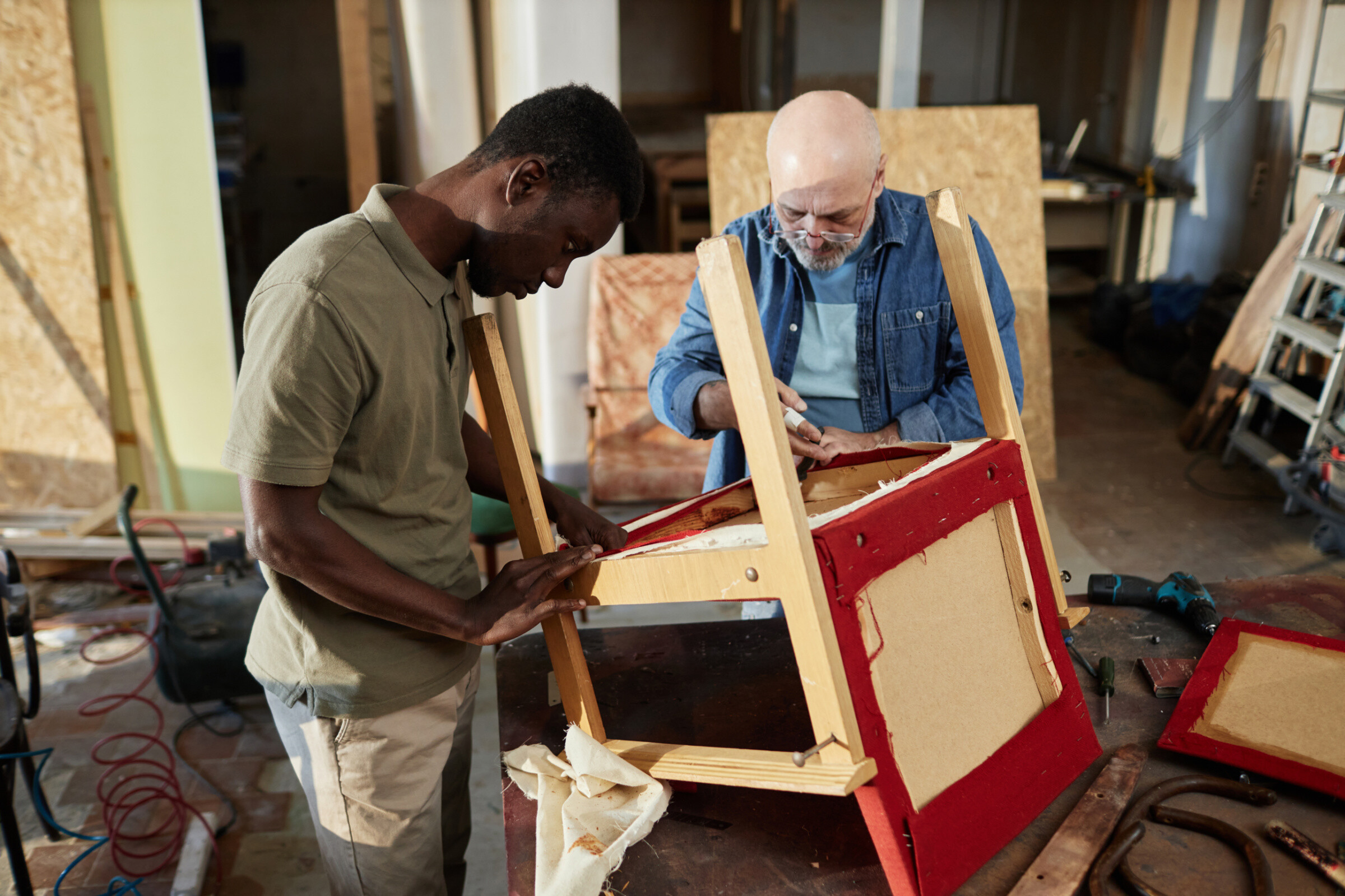
Credit: www.airtasker.com
Common Damage Types
Outdoor furniture made to be maintenance-free still faces wear and tear. Weather, use, and time cause damage. Knowing the common damage types helps you fix your furniture easily. This section covers the usual problems you might find.
Scratches And Scuffs
Scratches and scuffs often appear on plastic or coated surfaces. These marks happen from moving furniture or rough use. Light scratches can be buffed out with a soft cloth and mild cleaner. Deeper scratches may need touch-up paint or a repair kit. Fixing scratches keeps furniture looking fresh and new.
Faded Surfaces
Sun exposure fades colors on outdoor furniture. UV rays break down the finish and cause dullness. Faded surfaces can be restored with special outdoor paint or sealant. Clean the furniture well before applying any product. This step protects the furniture and brings back its original look.
Loose Or Broken Parts
Loose screws, bolts, or broken joints weaken the furniture. These parts come loose from use or weather changes. Tighten screws and bolts with the right tools. Replace broken parts with new pieces from the manufacturer or hardware store. Secure parts make furniture safe and sturdy again.
Rust And Corrosion
Metal furniture can develop rust over time. Moisture causes rust and corrosion on exposed metal. Remove rust with a wire brush or sandpaper. Apply rust-resistant primer and paint to protect the metal. Proper care prevents rust from spreading and damaging the furniture further.
Tools And Materials Needed
Repairing damaged maintenance-free outdoor furniture needs the right tools and materials. These help fix issues quickly and keep furniture looking good. Having everything ready makes the job easier and faster.
Basic Repair Tools
Start with simple tools like a screwdriver and pliers. A hammer helps with loose nails or small dents. A wrench tightens bolts and screws. Sandpaper smooths rough or chipped areas. These basic tools cover most repairs.
Cleaning Supplies
Clean the furniture before repairing. Use mild soap and water for dirt and grime. A soft brush helps remove stuck debris. Dry cloths wipe surfaces dry. Clean furniture allows better repair results.
Touch-up Paints And Sealants
Touch-up paints fix scratches and chips. Match the paint color to the furniture. Sealants protect wood or metal from weather damage. They stop rust and water from ruining the furniture. Use them to keep repairs lasting longer.
Replacement Parts
Some repairs need new parts. Look for matching screws, bolts, or hinges. Replace broken or missing pieces for stability. Use original or similar parts for best fit. This keeps furniture strong and safe to use.
Cleaning Before Repair
Cleaning outdoor furniture before repair is important. Dirt and grime hide damage and weaken materials. A clean surface helps repairs stick better. It also shows where fixes are needed most. Take time to clean well. This step saves effort and improves results.
Removing Dirt And Debris
Start by brushing off loose dirt and leaves. Use a soft brush or cloth. Avoid harsh scrubbing that can scratch surfaces. Blow away dust with a handheld blower or a gentle spray of water. Clear out debris from corners and crevices. Clean surfaces reveal cracks and chips easily.
Using Mild Detergents
Mix a small amount of mild detergent with warm water. Use a sponge or cloth to wash the furniture gently. Focus on stained or greasy spots. Do not use bleach or strong chemicals. These can damage maintenance-free coatings. Rinse thoroughly with clean water to remove soap.
Drying Techniques
Dry furniture completely before repair. Use a soft towel to absorb water. Allow pieces to air dry in shade to prevent sun damage. Avoid using heat sources like hair dryers. Dry surfaces ensure adhesives and paints bond properly. Patience here leads to longer-lasting repairs.
Credit: www.castlery.com
Fixing Scratches And Scuffs
Scratches and scuffs can make maintenance-free outdoor furniture look old and worn. Fixing these marks restores the furniture’s smooth, clean look. Simple steps like sanding, painting, and polishing bring back its charm quickly. This guide shows easy ways to repair scratches and scuffs without special tools or skills.
Sanding Techniques
Start by sanding the scratched area gently. Use fine-grit sandpaper to avoid damaging the surface. Sand in small circles to smooth the edges of the scratch. This helps the paint stick better later. Clean the dust with a soft cloth after sanding. Take care not to sand too hard or too deep.
Applying Touch-up Paint
Choose touch-up paint that matches your furniture color exactly. Use a small brush or a cotton swab for precise application. Apply thin layers of paint on the scratched area. Let each layer dry before adding the next one. This prevents uneven patches and makes the repair less visible. Check the color match in natural light for best results.
Polishing For A Smooth Finish
After the paint dries, polish the area to blend the repair. Use a soft cloth and a gentle polish or wax. Rub in small circles until the surface feels smooth and shiny. Polishing helps hide any marks left from sanding or painting. It also protects the furniture from future scratches and weather damage.
Restoring Faded Surfaces
Outdoor furniture often fades due to sun exposure and weather changes. Restoring faded surfaces can bring back its original look. Simple steps can improve the color and protect the furniture from further damage.
Use the right products and methods to repair and refresh your maintenance-free furniture. This keeps it looking fresh and extends its life.
Using Uv Protection Sprays
UV protection sprays shield furniture from sun rays. They stop colors from fading quickly. Spray evenly on clean, dry surfaces for best results. Reapply every few months to maintain protection. Choose sprays made for outdoor use and safe for your furniture material.
Reapplying Protective Coatings
Protective coatings create a barrier against dirt and moisture. Clean the furniture thoroughly before applying. Use a brush or cloth to spread the coating evenly. Let it dry completely before use. Repeat this process yearly to keep the surface strong and shiny.
Color Restoration Tips
Use outdoor-safe paint or stain to restore color. Match the original shade for a natural look. Lightly sand the surface to remove old flakes. Apply thin, even coats for better coverage. Allow each coat to dry before adding another. This improves the furniture’s appearance and durability.
Repairing Loose Or Broken Parts
Loose or broken parts can make your outdoor furniture unsafe and uncomfortable. Fixing these issues quickly keeps your furniture strong and looking good. Small repairs save money and extend the life of your items. This section covers easy ways to repair loose or broken parts.
Tightening Screws And Bolts
Screws and bolts often loosen over time from use and weather. Check all connections regularly. Use a screwdriver or wrench to tighten any loose screws or bolts. Avoid overtightening to prevent damage. Tight parts keep your furniture steady and safe.
Replacing Damaged Components
Some parts may break beyond repair. Replace broken slats, legs, or brackets with new ones. Find parts that match your furniture’s material and design. Replacing damaged pieces restores stability and appearance. Keep spare parts handy for quick fixes.
Using Adhesives For Quick Fixes
Adhesives can fix small cracks or loose joints fast. Use outdoor glue or epoxy made for furniture. Clean surfaces before applying glue for better hold. Hold pieces together until the glue dries. This method is good for minor repairs without tools.
Treating Rust And Corrosion
Rust and corrosion can damage maintenance-free outdoor furniture. These problems not only spoil the look but also weaken the material. Treating rust and corrosion early helps keep your furniture strong and looking good. Simple steps can remove rust and stop it from coming back. Regular care extends the life of your outdoor pieces.
Rust Removal Methods
Start by cleaning the rusted area with a wire brush or sandpaper. Scrub gently to remove loose rust and dirt. Use a rust remover solution for stubborn rust spots. Apply it with a cloth or brush, then wipe off after a few minutes. Rinse the area with water and dry it completely. Repeat if needed until the metal looks clean.
Applying Rust Inhibitors
After removing rust, apply a rust inhibitor to protect the metal. This creates a barrier that stops moisture from causing rust again. Use a brush or spray to cover all affected areas. Let the inhibitor dry fully before using the furniture. Choose products safe for outdoor use and follow the instructions carefully.
Preventive Maintenance
Check your furniture regularly for signs of rust or damage. Clean the surface often to remove dirt and moisture. Cover or store furniture during heavy rain or winter months. Touch up any scratches or chips with paint to prevent rust. Small actions keep your furniture looking new and rust-free for years.
Maintenance Tips To Prevent Future Damage
Keeping your maintenance-free outdoor furniture in good shape saves time and money. Small efforts prevent major damage. Follow simple care tips regularly to keep your furniture looking new and sturdy.
Regular Cleaning Schedule
Clean your furniture often to remove dirt and grime. Use mild soap and water with a soft cloth or sponge. Avoid harsh chemicals that can damage surfaces. Rinse well and dry completely. This stops stains and mold from forming.
Proper Storage Solutions
Store furniture in a dry, covered space during bad weather. Use furniture covers that fit well to block rain and dust. Avoid leaving cushions outside for long periods. Proper storage protects materials from sun, rain, and cold damage.
Seasonal Care Practices
Check your furniture each season for wear or loose parts. Tighten screws and bolts to keep pieces stable. Treat metal parts with rust-resistant spray if needed. Clean and dry furniture before storing it for winter. Seasonal care extends your furniture’s life.

Credit: www.dutchcrafters.com
Frequently Asked Questions
How Do I Fix Scratches On Maintenance-free Outdoor Furniture?
To fix scratches, clean the area with mild soap and water. Use a matching color repair marker or touch-up paint. Apply gently and let it dry. This restores the appearance without damaging the furniture’s protective coating.
Can I Repair Rust On Metal Outdoor Furniture?
Yes, remove rust with sandpaper or a wire brush. Apply a rust converter or primer. Finish with outdoor metal paint to prevent future rust and maintain durability. This keeps your furniture looking good and extends its life.
What’s The Best Way To Fix Cracked Plastic Furniture?
Clean the crack thoroughly and dry it. Use a strong adhesive designed for plastic, like epoxy or super glue. Clamp the pieces together until fully set. This ensures a durable repair and maintains the furniture’s strength.
How Do I Restore Color On Faded Outdoor Furniture?
Clean the furniture with mild detergent and rinse well. Apply a UV-resistant outdoor paint or spray designed for the material. This revives the color and protects against future sun damage, keeping your furniture vibrant longer.
Conclusion
Repairing your maintenance-free outdoor furniture is easier than it seems. Small cracks and scratches do not have to ruin your pieces. Use simple tools and materials to fix damage quickly. Regular care helps keep furniture looking fresh longer. A little effort saves money and extends furniture life.
Enjoy your outdoor space without worry. Keep your furniture strong and attractive with these steps. Regular checks catch problems early. Start repairing today and protect your investment.