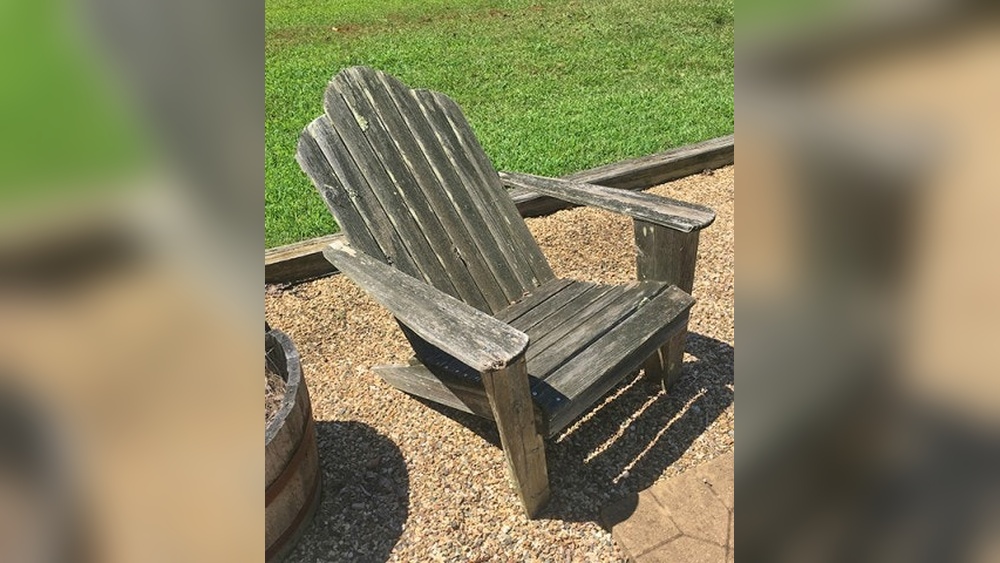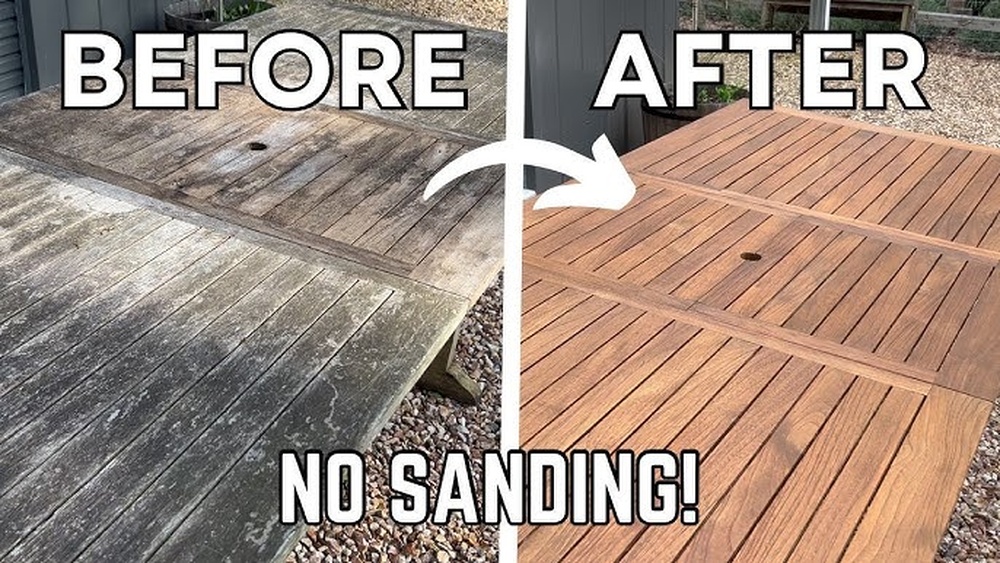
Your outdoor furniture is more than just a place to sit—it’s where memories are made. But over time, sun, rain, and weather can wear down the finish, leaving your pieces looking dull and worn out.
If you want to bring back that fresh, natural shine and protect your furniture for years to come, re-oiling is the secret. In this guide, you’ll learn simple steps to refresh your outdoor furniture quickly and easily. Keep reading to discover how a little care can make a big difference in keeping your favorite outdoor spots inviting and beautiful.
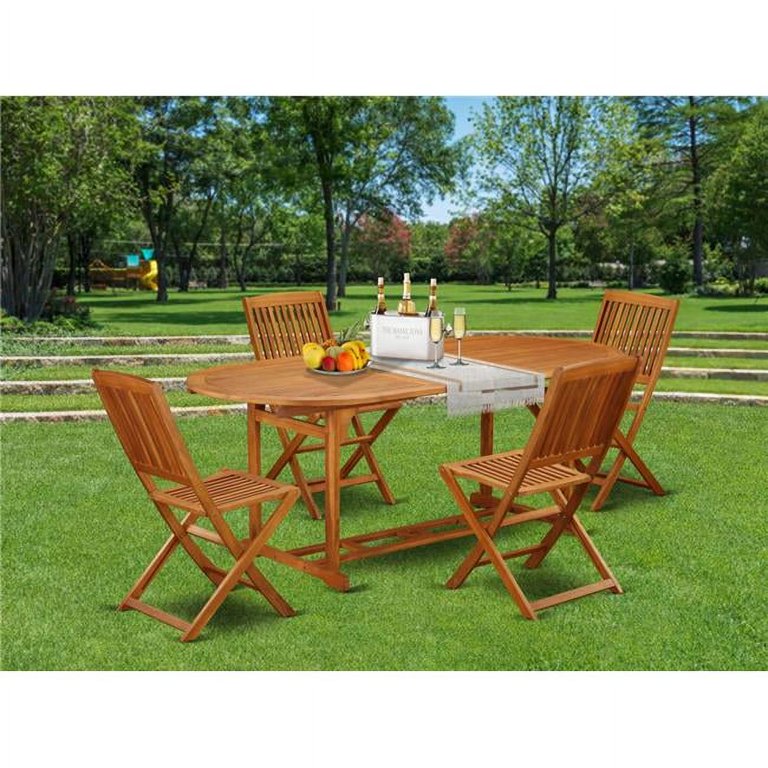
Credit: www.walmart.com
Choosing The Right Oil
Choosing the right oil is key to keeping outdoor furniture in great shape. The right oil protects wood from water and sun damage. It also brings out the natural beauty of the wood. Using the wrong oil can lead to poor results and damage. This section explains how to pick the best oil for your outdoor furniture.
Types Of Oils For Outdoor Furniture
Several oils work well for outdoor furniture. Teak oil is popular for hardwoods. It penetrates deeply and protects wood from drying out. Linseed oil is another option, made from flax seeds. It enhances wood grain and adds a warm tone. Tung oil comes from tung tree nuts. It creates a strong, water-resistant finish. Mineral oil is less common but good for lighter woods. Each oil has a unique look and level of protection.
Benefits Of Natural Vs. Synthetic Oils
Natural oils come from plants and nuts. They soak into the wood and nourish it. Natural oils give a soft, natural finish. They are safe for the environment and easy to apply. Synthetic oils mix chemicals to improve durability. They often last longer and resist stains better. Synthetic options can be more water and UV resistant. Choosing depends on how much protection you need and your preference for natural products.
Where To Buy Quality Oils
Buy oils at hardware stores or garden centers. Look for products labeled for outdoor wood use. Online shops offer a wide range of oils and brands. Check customer reviews to find trusted products. Avoid very cheap oils, which may not protect well. Choose oils from known brands for better results.

Credit: www.youtube.com
Preparing Furniture For Oiling
Preparing outdoor furniture for oiling is a crucial step. It helps the oil soak in well and protects the wood. Proper preparation extends the life of your furniture and keeps it looking fresh.
Start with a clean surface. Remove dirt and grime for better oil absorption. Smooth surfaces allow the oil to penetrate evenly. Fix any cracks or damages to prevent further wear.
Cleaning And Removing Dirt
Use a soft brush or cloth to remove loose dirt. Mix mild soap with water for stubborn spots. Scrub gently to avoid damaging the wood. Rinse with clean water and let the furniture dry fully before the next step.
Sanding For Smooth Surfaces
Sand the furniture with fine-grit sandpaper. This removes old finishes and rough patches. Work in the direction of the wood grain. Wipe away dust with a damp cloth after sanding. Smooth surfaces help the oil soak deeper and last longer.
Repairing Damages And Cracks
Fill small cracks with wood filler or putty. Let it dry completely before sanding. Replace any broken parts if needed. Repairing prevents moisture from entering the wood. It also helps the oil protect the furniture better.
Applying Oil Properly
Applying oil properly is key to protecting your outdoor furniture. It keeps the wood nourished and safe from weather damage. The right method helps the oil soak deep into the wood. This way, your furniture stays beautiful and lasts longer.
Take your time and follow each step carefully. Proper oiling improves the wood’s color and texture. It also prevents cracking and drying out.
Tools Needed For Application
- Clean, lint-free cloths
- Soft-bristle brush
- Gloves to protect your hands
- Sandpaper (optional, for rough spots)
- Container for the oil
Step-by-step Oiling Process
- Clean the furniture and let it dry fully.
- Lightly sand any rough areas to smooth the surface.
- Dip the cloth or brush in the oil.
- Apply the oil evenly along the grain of the wood.
- Cover all surfaces, including edges and corners.
- Let the oil soak in for 15 to 30 minutes.
- Wipe off any excess oil with a clean cloth.
- Allow the furniture to dry before use.
Tips For Even Coverage
- Work in small sections for better control.
- Apply thin coats to avoid sticky spots.
- Follow the wood grain to help oil penetrate deeply.
- Use a soft cloth to spread oil smoothly.
- Check for missed spots and reapply oil if needed.
- Allow enough drying time between coats.
Drying And Maintenance
After re-oiling your outdoor furniture, drying and maintenance are very important. Proper drying helps the oil soak in and protects the wood. Regular care keeps your furniture looking fresh and strong for years.
Follow these tips to dry and maintain your furniture well.
Optimal Drying Conditions
Dry your furniture in a shaded area with good airflow. Direct sunlight can dry the oil too fast and cause cracks. Avoid damp or humid places. Let the oil soak for at least 24 hours before using the furniture again. Proper drying ensures deep oil penetration and lasting protection.
Frequency Of Re-oiling
Re-oil your furniture every six to twelve months. This depends on the weather and how much you use it. Check for dryness, dullness, or rough spots on the wood. These signs mean it is time to re-oil. Regular oiling keeps the wood soft and prevents cracking.
Protecting Against Weather Damage
Use covers or move furniture indoors during harsh weather. Rain and sun can wear down the oil finish quickly. Clean the furniture before re-oiling to remove dirt and mildew. A good maintenance routine protects your furniture from damage and keeps it beautiful.
Troubleshooting Common Issues
Troubleshooting common issues during the re-oiling process keeps your outdoor furniture looking great. Small problems can cause big frustration. Knowing how to fix them helps save time and effort. The tips below address the most frequent challenges and offer easy solutions.
Dealing With Sticky Or Uneven Finish
A sticky finish means too much oil was applied or it did not dry well. Wipe the surface with a clean cloth soaked in mineral spirits. This removes extra oil and smooths the texture. Let the furniture dry completely in sunlight before reapplying oil. Apply thin, even coats next time. Use a brush or cloth to spread oil in the wood grain direction.
Removing Old Or Excess Oil
Old or excess oil can create a dull or patchy look. Sand the furniture lightly with fine-grit sandpaper. This removes the top layer of old oil and opens the wood pores. Clean dust off with a soft brush or cloth. Avoid heavy sanding as it can damage the wood. After sanding, apply fresh oil evenly for a smooth finish.
Handling Mold And Mildew
Mold and mildew thrive in damp places and cause stains or damage. Mix equal parts water and white vinegar in a spray bottle. Spray the affected areas and scrub gently with a soft brush. Rinse with clean water and dry the furniture fully in sunlight. Reapply oil only after the wood is completely dry to prevent mold from returning.

Credit: www.furnitureclinic.co.uk
Frequently Asked Questions
How Often Should I Re Oil Outdoor Furniture?
Re oil outdoor furniture every 6 to 12 months. This protects wood from drying and cracking. Regular oiling maintains its natural look and durability.
What Type Of Oil Is Best For Outdoor Furniture?
Use teak oil or linseed oil for outdoor furniture. These oils penetrate wood deeply and offer water resistance. Avoid vegetable oils, as they can go rancid.
Can I Re Oil Furniture In Rainy Weather?
No, avoid re oiling furniture during rainy or humid weather. Moisture prevents oil absorption and may cause uneven finish. Choose a dry, mild day for best results.
How Do I Prepare Furniture Before Re Oiling?
Clean furniture thoroughly with mild soap and water. Remove dirt, dust, and old oil residues. Allow it to dry completely before applying new oil.
Conclusion
Re-oiling outdoor furniture keeps it looking fresh and lasts longer. Clean the surface well before applying oil for best results. Use a soft cloth to spread oil evenly and gently. Let the oil soak in, then wipe off any extra.
Regular care protects wood from weather damage and fading. Simple steps make your furniture ready for many seasons. Keep your outdoor space inviting and comfortable with proper upkeep. Small efforts bring big rewards for your furniture’s life.