Do you love the look of your indoor furniture and wish you could enjoy it outside too? Taking your favorite pieces outdoors can instantly transform your space, making it cozy and inviting.
But here’s the catch: indoor furniture isn’t made to handle weather, sun, or moisture. Without the right care, your beautiful furniture could quickly wear out or get damaged. What if you could keep your furniture looking great outside, season after season?
You’ll discover simple, practical tips to protect your indoor furniture and make it last outdoors. Keep reading to learn how to enjoy your favorite pieces in the fresh air without worrying about damage.
Choosing The Right Furniture
Choosing the right furniture is key to making indoor pieces last outdoors. Not all indoor furniture can handle weather changes. Picking the right materials and designs helps protect your furniture. This choice saves money and keeps your space stylish. Consider the furniture’s strength against rain, sun, and wind. Also, think about how it looks and fits outside.
Materials That Withstand Weather
Some materials hold up better outside than others. Teak wood is strong and resists water well. It can last many years with little care. Metal furniture made of aluminum or stainless steel also works. These metals do not rust easily. Plastic and resin are good for wet conditions. They dry fast and do not break down. Avoid soft woods and fabrics that soak water. These can rot or mold quickly.
Designs Suitable For Outdoor Use
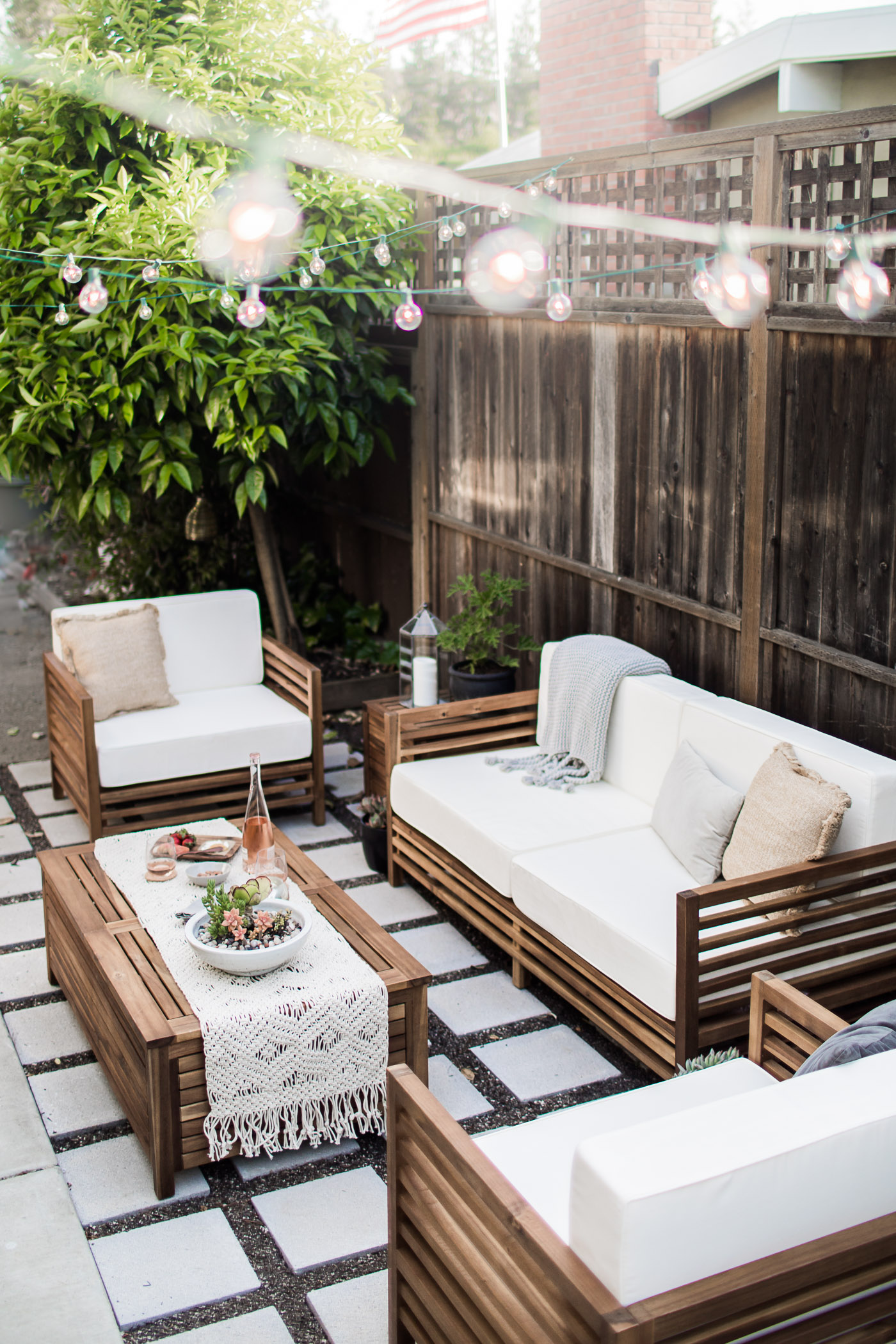
Simple designs often work best outdoors. Avoid furniture with many small parts or tight joints. These can trap water and cause damage. Look for pieces with smooth surfaces and open spaces. Furniture with slats or gaps lets rain drain away. Rounded edges reduce wear from wind and weather. Choose cushions with quick-dry fabric or no cushions at all. This helps furniture stay fresh and clean.

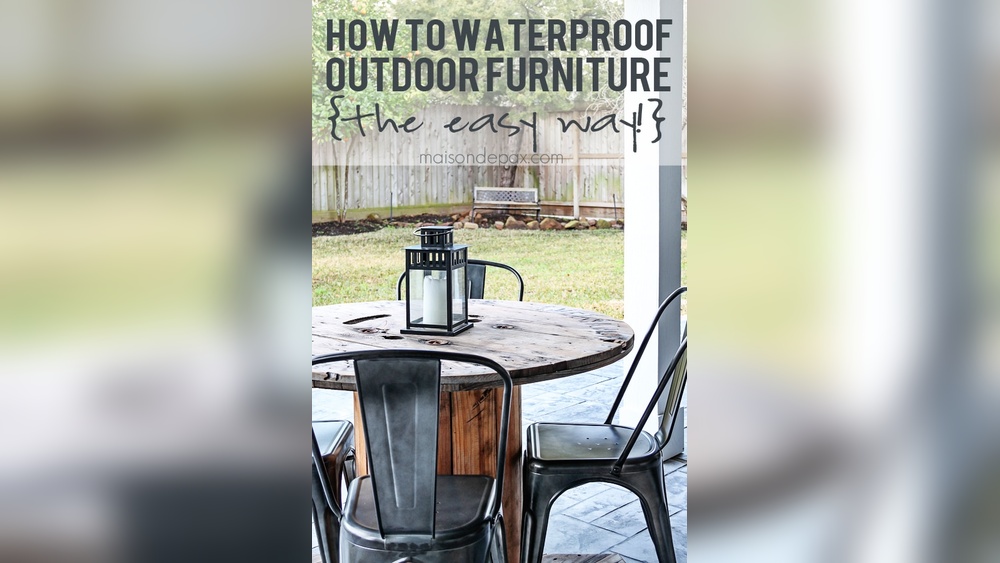
Credit: stayhomestyle.blog
Cleaning And Preparation
Preparing indoor furniture for outdoor use requires careful cleaning and surface preparation. Dirt, dust, and old finishes can cause damage when exposed to weather. Clean and smooth surfaces help protect the furniture and extend its life outside.
Removing Dirt And Debris
Start by removing loose dirt and debris using a soft brush or cloth. For stubborn grime, use a mild soap mixed with water. Gently scrub the furniture to avoid damaging the surface. Rinse well and let it dry completely before the next step.
Sanding And Smoothing Surfaces
Light sanding removes old paint, stains, and rough patches. Use fine-grit sandpaper to smooth the wood or metal surfaces. Sanding helps the new finish stick better and prevents peeling. Wipe away dust with a damp cloth after sanding.
Protective Treatments
Protective treatments help indoor furniture survive outdoor conditions. They guard against moisture, sun, and dirt. Applying the right treatment extends furniture life and keeps it looking good.
Applying Sealants And Varnishes
Sealants create a strong, clear layer on furniture surfaces. This layer blocks water and stops wood from swelling or cracking. Use a brush to apply sealants evenly. Let each coat dry fully before adding another. Varnishes add shine and extra protection. Choose outdoor-grade varnish for the best results. Regular reapplication keeps the furniture safe over time.
Using Waterproof Covers
Waterproof covers shield furniture from rain and dust. Choose covers made with durable, breathable fabric. They prevent mold and mildew by allowing air flow. Covers protect furniture during bad weather and when not in use. Always dry furniture before covering to avoid trapping moisture. A well-fitted cover helps furniture last longer outdoors.
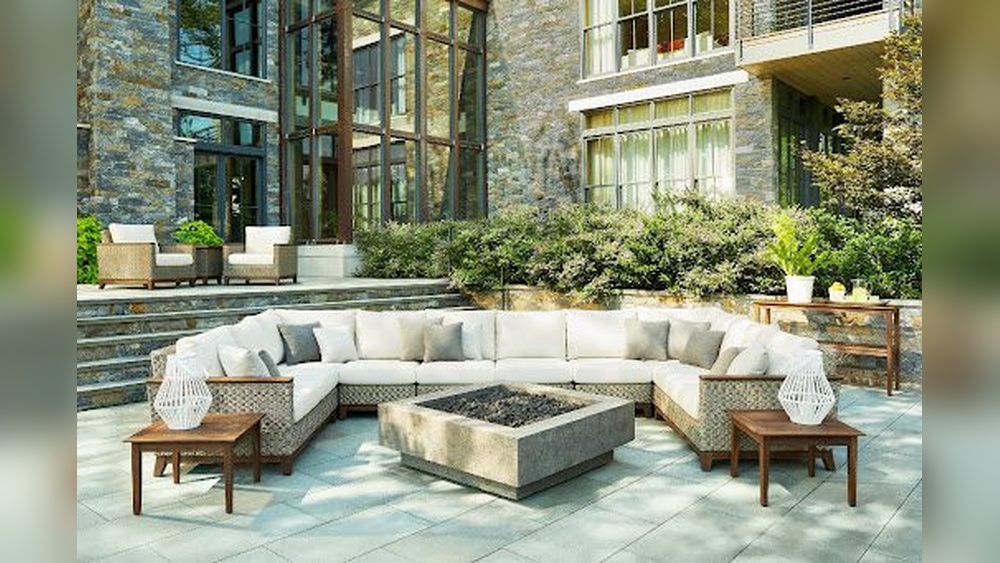
Credit: hejdoll.com
Maintenance Tips
Keeping indoor furniture outside needs care. Maintenance helps furniture stay strong and look good. Simple steps can protect your furniture from weather and dirt. Follow these tips to make your furniture last longer outdoors.
Regular Cleaning Routines
Clean furniture often to remove dust and grime. Use a soft cloth and mild soap with water. Avoid harsh chemicals that can damage the finish. Rinse well and dry completely to stop mold and mildew. Clean cushions by brushing off dirt and spot cleaning stains. Regular cleaning keeps furniture fresh and prevents wear.
Inspecting For Damage
Check furniture regularly for cracks, chips, or loose parts. Early fixes stop small problems from growing. Look under tables and chairs for rust or rot. Tighten screws and bolts to keep furniture sturdy. Replace broken pieces quickly to avoid accidents. Regular inspection keeps furniture safe and strong outdoors.
Storage Solutions
Proper storage is key to making indoor furniture last outdoors. Furniture faces sun, rain, and wind. These elements can damage wood, fabric, and metal. Good storage keeps your furniture safe and clean. It extends the life of your pieces and saves money.
Focus on two main storage solutions. First, indoor storage during harsh weather. Second, using protective furniture covers. Both protect your furniture from damage and wear.
Indoor Storage During Harsh Weather
Bring your indoor furniture inside when storms or cold weather come. A garage, shed, or basement works well. Keep furniture off the floor with pallets or shelves. This stops moisture from causing damage. Make sure the space is dry and clean. Avoid places with high humidity to prevent mold and mildew.
Indoor storage also protects furniture from strong sunlight. Sun can fade colors and weaken materials. Store cushions and pillows separately in airtight containers. This helps keep them fresh and dry. Rotate furniture pieces if possible. It reduces stress on any one part.
Using Protective Furniture Covers
Choose covers made from waterproof and breathable fabric. Waterproof covers keep rain and snow out. Breathable fabrics stop moisture buildup and mold growth. Covers with UV protection reduce sun damage. Make sure covers fit snugly and fully cover furniture.
Secure covers with ties or elastic bands. This stops wind from blowing them off. Remove covers occasionally to check furniture condition. Clean covers regularly to remove dirt and debris. Proper cover use keeps your furniture safe and looking good.

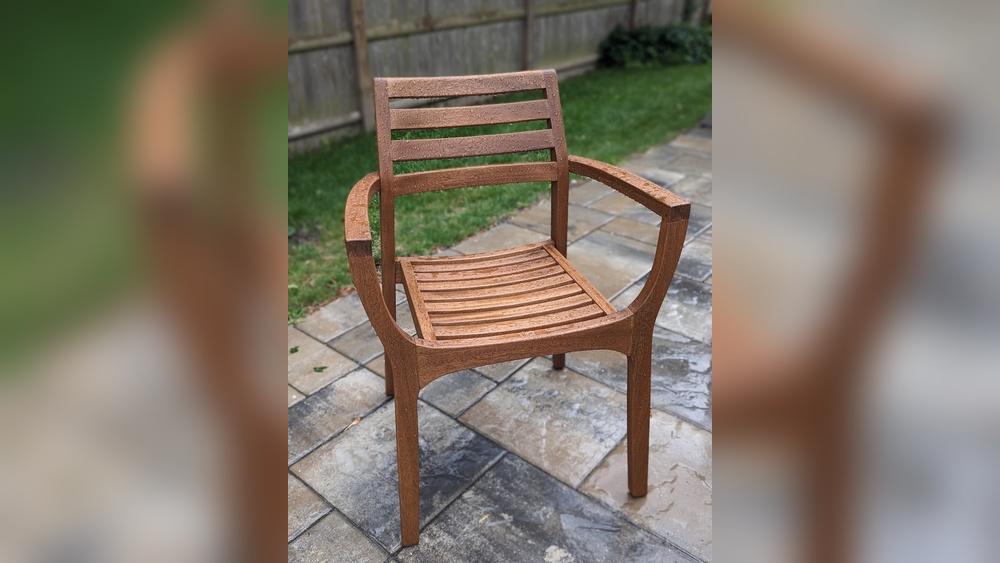
Credit: armadillosun.com
Additional Accessories
Additional accessories can help protect indoor furniture used outdoors. These items guard against weather damage and wear. Simple additions improve comfort and extend furniture life. Choose accessories that suit your style and outdoor space.
Cushions And Fabrics For Outdoors
Use cushions made from outdoor fabrics. These fabrics resist water, stains, and fading. They dry quickly after rain and prevent mold growth. Pick cushions with removable covers for easy washing. Bright colors and patterns can refresh old furniture.
Using Furniture Pads And Feet
Furniture pads protect legs from moisture and rough surfaces. They reduce scratches on decks and patios. Feet lifts keep furniture off wet ground. Use rubber or plastic pads for better grip. These small accessories prevent wood rot and metal rust.
Frequently Asked Questions
How Can I Protect Indoor Furniture Outdoors?
Use weatherproof covers and sealants to protect furniture. Apply water-resistant finishes and keep items under shade to prevent damage.
What Materials Make Indoor Furniture Last Outside?
Choose hardwood, metal, or treated wood furniture. These materials resist moisture, sun damage, and insects better than untreated wood or fabric.
How Often Should I Maintain Indoor Furniture Outdoors?
Inspect and clean furniture monthly. Reapply protective coatings every 6 months to prevent wear and extend outdoor durability.
Can I Use Indoor Cushions Outside Safely?
Use waterproof or quick-dry cushions designed for outdoor use. Store cushions indoors when not in use to prevent mold and fading.
Conclusion
Protecting indoor furniture for outdoor use takes effort and care. Clean your furniture regularly to avoid dirt build-up. Use covers to shield it from rain and sun damage. Apply sealants or waterproof sprays to keep moisture away. Move furniture to shaded spots when possible.
Small steps can help your furniture stay strong longer outside. Enjoy your outdoor space with comfort and style. Simple habits make a big difference in lasting furniture.