Choosing the right color for your wood furniture in the bedroom can change how your entire space feels. You want a look that makes you feel calm, cozy, and refreshed every time you walk in.
But with so many options, it’s easy to get overwhelmed. What shade will match your walls? Which tone will help you relax better? You’ll discover simple tips to pick the perfect wood color that fits your style and mood. By the end, you’ll know exactly how to create a bedroom that feels just right for you.
Keep reading to find out more!
Choosing Wood Colors For Bedrooms
Choosing the right wood color for your bedroom furniture shapes the room’s feel. It affects mood and style more than most people realize. The color sets the tone and influences comfort. Wood tones range from pale and bright to rich and dark. Each option brings a unique atmosphere to the space.
Consider the size and lighting of your bedroom. Think about the mood you want to create. Soft, calming, or warm and inviting? The right wood color makes your bedroom feel just right. Here are some popular choices and what they offer.
Light Wood For Airy Spaces
Light wood colors create a fresh and open look. They reflect more light and make small rooms feel larger. Shades like pine, ash, or birch add brightness. These tones work well in modern and minimalist styles. They give the bedroom a clean and natural vibe.
Dark Wood For Cozy Vibes
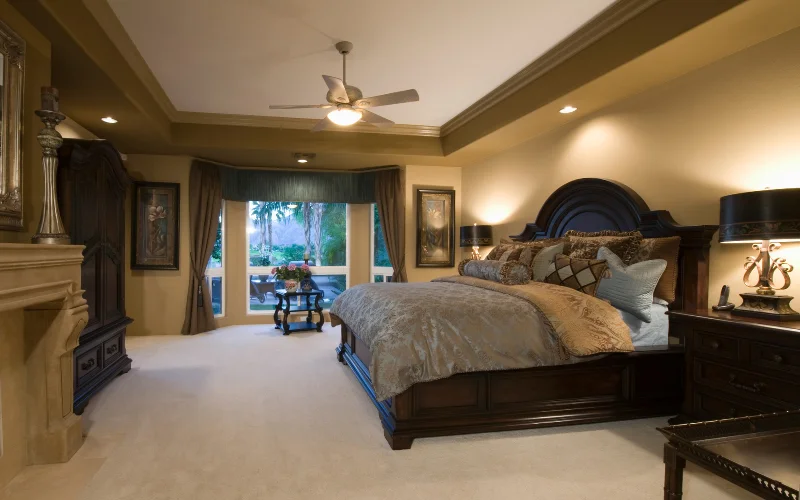
Dark wood tones bring warmth and richness to bedrooms. Colors like walnut, mahogany, or cherry add depth. These woods make large rooms feel intimate and inviting. They suit traditional or rustic designs well. Dark wood furniture adds a touch of elegance and comfort.
Mid-tones For Versatility
Mid-tone woods balance light and dark perfectly. Oak, teak, and maple are common examples. These colors fit many styles and colors in the room. They provide warmth without overpowering the space. Mid-tones work well with both bright and muted decor.

Credit: www.colders.com
Matching Wood With Bedroom Walls
Matching wood furniture with bedroom walls creates a balanced and inviting space. Wood tones can either blend with or stand out from wall colors. Choosing the right combination enhances the room’s look and feel. Consider how colors work together before picking your furniture.
Complementary Color Schemes
Complementary colors sit opposite each other on the color wheel. Pairing wood furniture with walls in these colors adds harmony. For example, warm oak furniture matches well with soft blue walls. The contrast feels natural and pleasing to the eye. This scheme brings calmness and warmth to your bedroom.
Contrasting Shades For Impact
Bold contrasts create a strong visual statement. Dark wood furniture looks striking against light-colored walls. White or pale gray walls make mahogany or walnut furniture pop. This style adds drama and focus to the room. Use contrast to highlight your favorite furniture pieces.
Neutral Walls And Wood Choices
Neutral walls offer great flexibility with wood furniture. Beige, cream, or light gray walls suit almost all wood tones. Light woods add airiness, while dark woods bring richness. Neutrals create a peaceful backdrop that lets the furniture shine. This approach suits any bedroom style or size.
Blending Wood Furniture With Flooring
Choosing the right wood furniture color for your bedroom depends a lot on the floor. The floor sets the base for the room’s style. Matching or contrasting wood furniture with the floor can change the whole look. It is important to blend them well to create a cozy and balanced space.
Wood furniture and flooring come in many tones and shades. Careful selection helps avoid clashing colors. It also highlights the beauty of both elements. Simple choices can make the bedroom feel warm and inviting.
Harmony With Hardwood Floors
When your bedroom has hardwood floors, matching wood furniture creates a smooth look. Choose furniture with similar tones to the floor. This harmony makes the room feel calm and connected. Light floors pair well with light wood furniture. Dark floors suit rich, deep-toned wood pieces.
Using the same color family links the floor and furniture. It also lets other bedroom elements stand out. This approach works well for small rooms. It keeps the space open and airy.
Balancing With Carpets And Rugs
Carpets and rugs add texture and softness to the bedroom floor. They break up large wood floor areas. Choose carpet colors that balance the wood furniture tone. Neutral carpets work with almost all wood colors. Bold carpets can highlight simple wood furniture.
Rugs can help blend different wood tones in one room. For example, a rug with warm colors softens the contrast between light and dark wood. This balance makes the room feel comfortable and stylish.
Using Area Rugs To Tie Colors
Area rugs are powerful tools to connect wood furniture and flooring. Pick rugs that include colors from both floor and furniture. This creates a visual link that pulls the room together. Patterns in rugs can mix wood tones subtly.
Area rugs also define spaces in larger bedrooms. They add warmth and protect floors. Using rugs this way brings color harmony and a finished look to the room.

Credit: www.grossmanfurniture.com
Mixing Wood Tones In One Room
Mixing wood tones in one room creates a rich and inviting bedroom space. It adds depth and character without feeling dull or flat. Using different shades of wood can make your bedroom feel cozy and stylish at the same time.
The key is to blend these tones carefully. This balance helps the room look natural and well thought out. A mix of wood colors can highlight furniture shapes and textures beautifully.
Layering Different Wood Shades
Start by choosing a base wood tone for the larger furniture pieces. Use lighter or darker shades for smaller items like nightstands or shelves. This layering creates a visual flow and interest across the room.
Try to vary the wood grain and finish. Matte and shiny surfaces can complement each other well. This mix keeps the room lively and adds texture without clashing.
Balancing Warm And Cool Tones
Warm woods like cherry or walnut bring a cozy feeling. Cool woods like ash or oak create a calm, fresh vibe. Combining warm and cool tones balances the room’s mood.
Keep the balance equal to avoid one tone dominating. Use warm tones in furniture and cool tones in decor or vice versa. This method keeps the space feeling harmonious and soothing.
Avoiding Overwhelm With Accessories
Simple accessories help tie together mixed wood tones. Choose neutral colors for rugs, curtains, and bedding. These items prevent the room from feeling busy or chaotic.
Limit the number of wood accessories to maintain focus. A few well-placed pieces enhance the wood mix without overwhelming the space. This approach creates a peaceful and stylish bedroom.
Considering Bedroom Lighting
Choosing the right wood furniture color depends a lot on bedroom lighting. Light changes how wood looks and feels. It can make colors brighter or duller. This affects the room’s mood and style. Understanding lighting helps pick the best wood tones for your space.
Natural Light Effects On Wood Color
Natural light shows the true color of wood. Morning sunlight is soft and warm. It can make wood look golden or reddish. Afternoon light is cooler and sharper. It may bring out darker shades in the wood. The direction of windows also matters. South-facing rooms get more light all day. East or west rooms get light only part of the day. This changes how wood colors appear at different times.
Artificial Lighting And Wood Appearance
Artificial lights change wood colors in unique ways. Warm bulbs make wood look cozy and rich. They bring out red and yellow tones. Cool bulbs give wood a modern, clean look. They highlight gray or blue tones in wood. Bright lights can make wood look shiny. Dim lights create a soft, calm feel. The type and placement of lights affect wood’s appearance.
Choosing Finishes For Light Reflection
Wood finishes affect how light reflects on surfaces. Glossy finishes reflect more light. They make wood look bright and lively. Matte finishes absorb light. They give wood a natural and soft look. Satin finishes balance shine and softness. Consider the room’s light when choosing finishes. Reflective finishes suit darker rooms. Matte finishes work well in bright spaces.
Wood Furniture Styles And Colors
Choosing the right color and style of wood furniture shapes the bedroom’s mood. Wood tones bring warmth and character. They create a cozy and inviting space.
Wood furniture styles vary from sleek and simple to rich and detailed. Each style has colors that fit different tastes and room designs. Understanding these options helps pick the best match for your bedroom.
Modern Minimalist Choices
Modern minimalist wood furniture uses light colors like white, ash, or pale oak. These shades open up the room and feel fresh. Designs focus on clean lines and smooth surfaces. The simplicity makes the bedroom look neat and calm. It fits well with neutral walls and soft bedding.
Rustic And Traditional Hues
Rustic wood furniture often shows rich browns and deep reds. These colors bring a natural, earthy feel. The wood grain looks strong and visible. Traditional styles use darker finishes like walnut or cherry. These tones add warmth and a classic touch. Perfect for cozy, timeless bedroom themes.
Vintage And Distressed Finishes
Vintage wood furniture has faded, soft colors like gray, cream, or light blue. Distressed finishes create an aged, worn look. This style adds charm and personality to the bedroom. It blends well with shabby chic or farmhouse decor. The colors give a gentle, relaxed vibe.
Tips For Maintaining Wood Color
Maintaining the color of wood furniture in your bedroom keeps it looking fresh and beautiful. Wood can change color over time due to light, dust, and wear. Simple care steps help protect its natural charm. Follow these tips to keep your wood furniture’s color rich and vibrant.
Protecting Against Sun Damage
Sunlight can fade wood color quickly. Place furniture away from direct sun or use curtains. Window films also block harmful rays. Rotate furniture pieces occasionally to avoid uneven fading. Use UV-protective finishes for extra defense.
Cleaning To Preserve Finish
Dust your wood furniture regularly with a soft cloth. Avoid harsh cleaners that strip the finish. Use mild soap mixed with water for sticky spots. Dry the surface immediately to prevent water damage. Clean gently to keep the wood’s color intact.
Re-staining And Touch-ups
Small scratches or dull spots can be fixed with touch-up markers. Choose a stain color that matches your furniture. Light sanding helps new stain stick better. Apply stain evenly and wipe off excess. Regular touch-ups keep wood looking new longer.
Credit: kukabyarterio.com
Frequently Asked Questions
What Color Wood Furniture Suits A Small Bedroom?
Light-colored wood furniture works best in small bedrooms. It creates an airy, spacious feel and reflects natural light. Shades like oak, maple, or pine brighten the space and prevent it from feeling cramped. Avoid dark wood as it can make the room look smaller.
How To Match Wood Furniture With Bedroom Wall Colors?
Choose wood tones that complement your wall colors. Warm woods like cherry pair well with beige or cream walls. Cool woods like ash match gray or blue walls. Ensure contrast to avoid a dull look. Consider wood grain and finish for added harmony.
Which Wood Color Creates A Cozy Bedroom Atmosphere?
Rich, dark woods like walnut or mahogany create a warm, cozy vibe. These colors add depth and elegance to your bedroom. Pair with soft lighting and warm textiles to enhance comfort. Avoid overly dark shades if the room lacks natural light.
Can Mixed Wood Colors Work In Bedroom Furniture?
Yes, mixing wood tones can add visual interest if done thoughtfully. Use similar undertones or finishes to maintain cohesion. For example, pair light oak with medium walnut. Balance the arrangement to avoid clashing styles. This approach adds character and style.
Conclusion
Choosing the right wood color sets your bedroom’s mood. Light woods make the space feel bright and open. Dark woods add warmth and a cozy touch. Think about your room size and lighting too. Match wood tones with your walls and decor for balance.
Trust your taste and comfort above all. A well-chosen wood color can create a peaceful retreat. Simple choices lead to a beautiful, inviting bedroom space. Your perfect wood color awaits.

