If you want your wood furniture to stay beautiful and strong outdoors, sealing it is a must. Without the right protection, sun, rain, and moisture can quickly damage your pieces.
But don’t worry—sealing wood is easier than you think. In this guide, you’ll discover simple steps to protect your furniture and keep it looking great season after season. Ready to make your wood last longer and shine brighter outside? Let’s get started!
:max_bytes(150000):strip_icc()/how-to-seal-painted-wood-for-the-outdoors-5214910-hero-02-0dd1602cb80e4b33a09b10e15ebc1c7d.jpg)
Credit: www.thespruce.com
Choosing The Right Wood
Choosing the right wood is key to making outdoor furniture last long. Wood types vary in strength, look, and how they handle weather. Picking the right wood saves effort in sealing and care later. This section explains good wood choices and what makes wood strong outdoors.
Types Of Wood Suitable For Outdoors
Cedar and redwood resist insects and decay naturally. They stay strong without many chemicals. Teak and mahogany are dense woods. They handle rain and sun well. Pressure-treated pine is common and cheaper. It gets a chemical treatment to fight rot and bugs.
These woods are popular for outdoor furniture. Each has a unique look and feel. Choose wood that fits your style and budget.
Wood Durability And Resistance
Durability means how well wood fights wear from weather. Some woods soak water and rot fast. Others resist moisture and insects better. Dense woods like teak last longer without much care. Softwoods like pine need more sealing and upkeep.
Wood resistance depends on natural oils and grain tightness. Tight grain stops water from entering. Oils keep bugs and fungus away. Wood with these traits needs less sealing. It stays beautiful and strong outdoors.
Preparing Wood Surface
Preparing the wood surface is the first step to protect outdoor furniture. This step ensures the sealant sticks well and lasts longer. Clean and smooth wood helps stop damage from rain and sun. Proper preparation also keeps the wood looking fresh and natural.
Cleaning And Sanding
Start by removing dirt and dust from the wood. Use a soft brush or cloth for gentle cleaning. For tough stains, mild soap and water work well. Let the wood dry completely before moving on.
Next, sand the surface with fine sandpaper. Sanding removes old finishes and rough spots. It also opens the wood pores for better sealant absorption. Always sand in the wood grain direction to avoid scratches.
Repairing Imperfections
Check the wood for cracks, holes, or splits. Small damages can let water seep inside and cause rot. Fill these gaps with wood filler or putty. Use a putty knife to smooth the surface evenly.
After the filler dries, sand the area lightly. This step creates a flat surface for sealing. Repairing imperfections helps keep the furniture strong and durable outdoors.
Selecting Sealants
Selecting the right sealant is key to protecting wood furniture outdoors. The sealant keeps water, dirt, and sun damage away. It also helps the wood last longer. Different sealants work better for different needs. Understanding the choices helps you pick the best one.
Oil-based Vs Water-based Sealers
Oil-based sealers soak deep into the wood. They give strong protection and a rich color. Oil-based sealers take longer to dry. They also have a stronger smell during application. Water-based sealers dry quickly and have less odor. They keep the wood’s natural color. Water-based options are easier to clean with soap and water.
Clear Coats And Stains
Clear coats protect wood without changing its color. They show the natural grain and texture. Stains add color and protect the wood surface. Stains help hide imperfections or old marks. Both options create a barrier against moisture. Choose based on whether you want color or a natural look.
Uv Protection Options
Sunlight can fade and damage wood over time. Some sealants include UV blockers to prevent this. UV protection keeps wood color bright and fresh. Look for sealants labeled with UV protection. This helps your furniture stay beautiful longer outdoors.
Application Techniques
Applying a sealant to outdoor wood furniture protects it from weather damage. Proper techniques ensure the sealant works well and lasts longer. Choosing the right method helps you cover the surface evenly. Good application avoids peeling and cracking over time.
Brushing And Spraying Methods
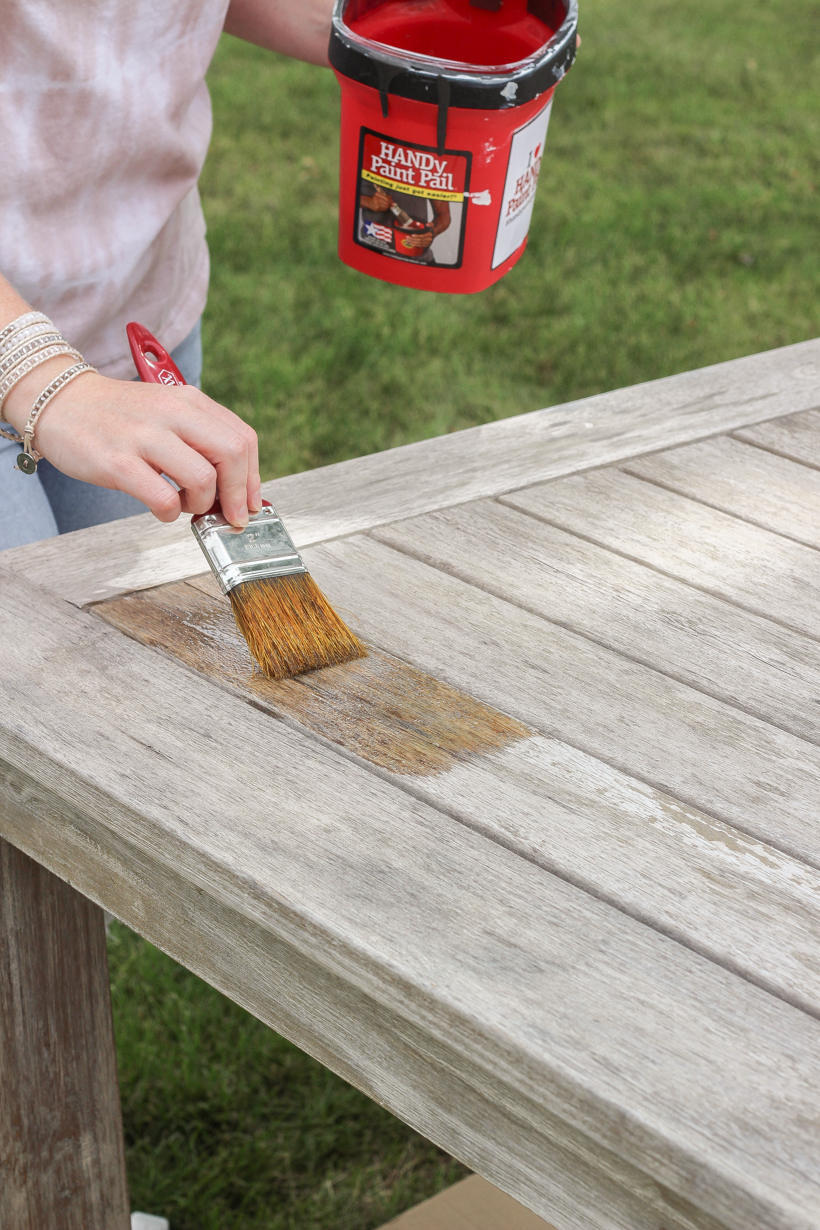
Brushing is the most common method for sealing wood. Use a high-quality brush with soft bristles. Apply the sealant in smooth, even strokes. Follow the wood grain direction to avoid streaks. Brushing allows better control on edges and corners.
Spraying works well for large or detailed pieces. Use a spray gun or aerosol sealant for quick coverage. Hold the spray nozzle about 6 to 12 inches from the surface. Spray in light, even coats to prevent drips. Wear a mask and work outdoors or in a ventilated area.
Number Of Coats Needed
Most wood sealants need two to three coats. The first coat soaks into the wood pores. It provides a base layer for protection. The second coat creates a stronger barrier against moisture. Add a third coat for extra durability in harsh climates. Let each coat dry before applying the next.
Drying And Curing Times
Drying time varies by sealant type and weather conditions. Most sealants dry to the touch in one to two hours. Wait at least 24 hours before using the furniture. Full curing can take up to a week. Avoid heavy use or exposure to rain during this time. Proper curing ensures the sealant hardens and protects well.
Maintaining Sealed Furniture
Sealing wood furniture for outdoors protects it from damage and extends its life. Maintaining sealed furniture keeps the protective layer strong. This helps the wood resist water, sun, and dirt. Follow simple steps to keep your outdoor wood looking great for years.
Regular Cleaning Tips
Clean sealed furniture often to remove dirt and dust. Use a soft brush or cloth with mild soap and water. Avoid harsh chemicals that can wear down the seal. Rinse with clean water and dry with a towel. Do this gently to protect the seal and wood.
Reapplying Sealants
Sealants wear off over time, so reapply them every year or two. Lightly sand the surface before applying a new coat. Choose a sealant suitable for outdoor wood, like polyurethane or spar varnish. Apply in thin, even layers for the best protection. Let each layer dry fully before adding another.
Protecting Against Weather Damage
Place sealed furniture in shaded or covered areas when possible. Use furniture covers during heavy rain or snow. Avoid placing furniture directly on wet ground to prevent moisture damage. Move furniture indoors during extreme weather. These steps help keep the seal intact and wood safe.
Credit: lovegrowswild.com
Common Mistakes To Avoid
Sealing wood furniture for outdoor use needs care and attention. Many people make simple mistakes that affect the finish and protection. Avoiding these errors helps your furniture last longer and look better. Below are common mistakes to watch out for during the sealing process.
Sealing Over Dirty Surfaces
Never seal wood that is dirty or dusty. Dirt stops the sealant from sticking properly. Clean the surface well with a soft brush or cloth. Let the wood dry before applying any sealant. This step ensures a smooth, strong finish.
Applying Sealant In Poor Conditions
Seal wood only in good weather. Avoid sealing when it is too hot, cold, or humid. Extreme temperatures can cause the sealant to dry unevenly. Choose a dry day with mild temperatures for best results. This helps the sealant cure correctly and last longer.
Using Incompatible Products
Use sealants made for outdoor wood. Some products do not work well together. Check the label to see if the sealant matches your wood type and previous coatings. Mixing wrong products can lead to peeling or poor protection. Stick to recommended products for safety and durability.

Credit: osmouk.com
Frequently Asked Questions
What Is The Best Sealer For Outdoor Wood Furniture?
The best sealer for outdoor wood furniture is a high-quality, waterproof, UV-resistant wood sealer. Look for products with mildew and weather protection to ensure durability.
How Often Should I Reseal Outdoor Wood Furniture?
Reseal outdoor wood furniture every 1 to 2 years. This maintains protection against moisture, sun damage, and extends the furniture’s lifespan.
Can I Seal Wood Furniture Without Sanding It First?
Sanding before sealing is recommended. It smooths the surface and helps the sealer adhere better for long-lasting protection.
Is Polyurethane Suitable For Sealing Outdoor Wood Furniture?
Polyurethane can be used, but choose exterior-grade products. They offer good protection but may yellow over time when exposed to sunlight.
Conclusion
Sealing wood furniture keeps it safe from rain and sun damage. Choose the right sealant for your wood type and outdoor use. Clean and dry the wood before applying the sealant. Apply the sealant evenly and let it dry completely.
Regular sealing helps your furniture last longer and look better. Protect your wood well to enjoy it for many years. Simple steps can make a big difference in outdoor wood care. Keep your furniture strong and beautiful with good sealing.


