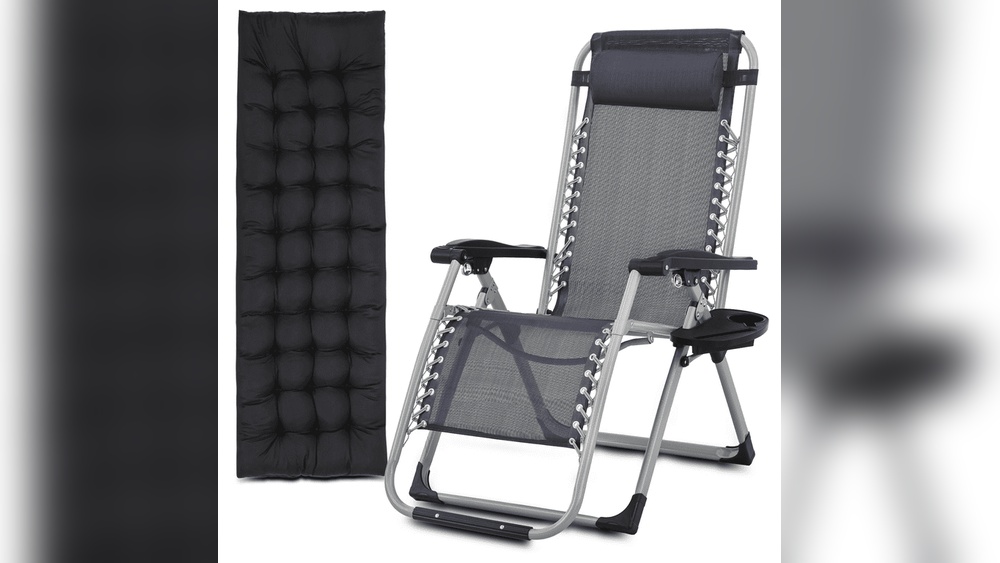
Is your plastic outdoor furniture looking dull, faded, or worn out? You don’t have to buy new pieces just yet.
Restoring your plastic furniture can bring back its original charm and save you money. You’ll discover simple and effective ways to refresh your outdoor furniture, making it look clean and vibrant again. Keep reading to find out how you can easily breathe new life into your plastic pieces and enjoy your outdoor space like never before.

Credit: www.youtube.com
Common Issues With Plastic Outdoor Furniture
Plastic outdoor furniture is popular for its lightweight and low cost. It sits outside in sun, rain, and wind. These conditions cause common problems. Knowing these issues helps in restoring and maintaining the furniture.
Fading And Discoloration
Sunlight harms plastic furniture. It causes colors to fade and look dull. UV rays break down the plastic surface. This makes the furniture lose its bright color. Faded furniture looks old and tired.
Cracks And Breaks
Plastic can crack from cold or heat changes. Heavy use also causes cracks and breaks. Once cracked, the furniture weakens. Small breaks can become bigger over time. Broken furniture is unsafe and ugly.
Stains And Dirt Build-up
Outdoor furniture gathers dirt and stains. Dust, bird droppings, and food stains leave marks. Dirt can go into small cracks. This makes cleaning harder and spoils the look. Stains lower the furniture’s appeal.
Loose Or Broken Parts
Plastic chairs and tables have joints and screws. These parts can become loose or break. Movement causes wear and tear on these parts. Loose pieces make the furniture wobbly. Broken parts stop the furniture from working well.
Cleaning Techniques For Plastic Furniture
Cleaning plastic outdoor furniture keeps it looking fresh and new. Dirt, dust, and weather marks build up over time. Simple cleaning methods restore its original shine and extend its life. These techniques work well without damaging the plastic surface.
Using Mild Detergents
Mix a mild detergent with warm water. Use a soft cloth or sponge to clean the furniture. Gently scrub all surfaces to remove dirt. Avoid harsh chemicals that can weaken the plastic. Rinse thoroughly with clean water to remove soap residue. Dry with a soft towel to prevent water spots.
Removing Mold And Mildew
Mold and mildew appear in damp places. Make a solution of one part vinegar and three parts water. Spray the mixture on affected areas. Let it sit for 10 minutes to kill spores. Scrub with a soft brush to lift stains. Rinse well to remove all vinegar smell. Repeat if necessary for stubborn mold.
Tackling Stubborn Stains
Use baking soda paste for tough stains. Mix baking soda with a little water to form a paste. Apply the paste on the stain and let it sit for 15 minutes. Scrub gently with a soft brush or sponge. Rinse off completely with water. Avoid abrasive tools that scratch the plastic surface.
Pressure Washing Tips
Pressure washing removes deep dirt and grime. Use a low-pressure setting to protect plastic. Keep the nozzle at least 12 inches away from the furniture. Move the spray in a sweeping motion to avoid damage. Test on a small area first to check results. Always follow safety instructions for the pressure washer.
Repairing Cracks And Breaks
Cracks and breaks in plastic outdoor furniture are common problems. Repairing these damages can extend the life of your furniture. Small cracks can worsen over time if not fixed. Proper repair restores strength and improves appearance.
Using Plastic Welds And Adhesives
Plastic welds and adhesives bond broken parts tightly. They melt or glue pieces together for a strong hold. Clean the damaged area before applying the product. Follow instructions carefully for the best results. This method works well on small to medium cracks.
Applying Epoxy For Strength
Epoxy is a strong glue that fills gaps and seals cracks. Mix the two parts well before use. Apply epoxy evenly over the damaged area. Allow it to dry completely for a firm bond. Epoxy adds durability and water resistance to repairs.
Replacing Broken Parts
Sometimes, broken parts cannot be fixed. Replacing these parts restores function and looks new. Check if the manufacturer sells spare pieces. Measure and match the part before buying. Install carefully to maintain furniture stability.
Preventing Further Damage
After repair, protect furniture from more damage. Avoid placing heavy items on weak spots. Keep furniture clean and dry to prevent wear. Store indoors during harsh weather. Regular checks catch new cracks early.

Credit: www.amazon.com
Restoring Color And Shine
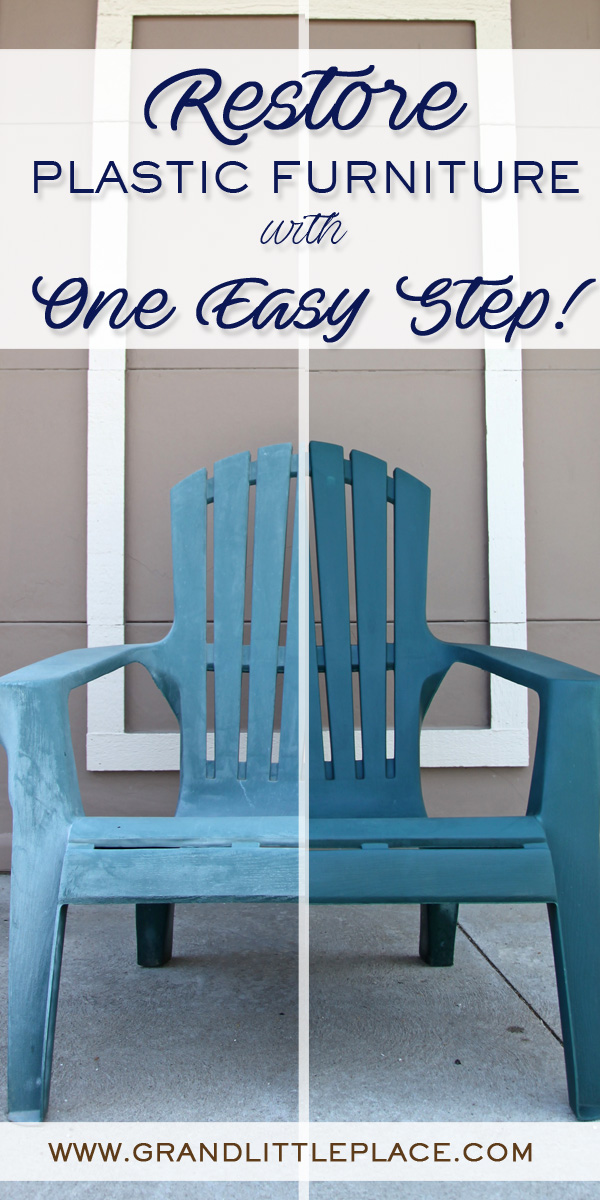
Plastic outdoor furniture often loses its bright color and shine over time. Sunlight, rain, and dirt cause fading and dullness. Restoring the original look can make your furniture look new again. Simple methods and products help bring back the color and shine.
Using Plastic Restorers
Plastic restorers are designed to revive faded surfaces. They add color and shine back to old plastic. Apply the restorer with a clean cloth or sponge. Let it sit for a few minutes, then wipe off excess. These products protect the plastic from future fading too.
Diy Solutions For Faded Furniture
Home remedies can improve your plastic furniture’s look. Mix equal parts of vinegar and water to clean dirt. Use baking soda paste for tough stains. Rubbing a small amount of olive oil can add shine. Test any solution on a small spot first to avoid damage.
Applying Uv Protectants
UV protectants block harmful sun rays from damaging plastic. Spray or wipe the protectant evenly over the furniture. This helps prevent future fading and cracking. Reapply the protectant every few months for best results. It keeps your furniture looking fresh longer.
Regular Maintenance For Longevity
Clean your furniture regularly to avoid buildup of dirt and grime. Use mild soap and water to wash the surface gently. Cover furniture during harsh weather to protect from sun and rain. Store items indoors or in a shed during winter. Small habits extend the life and look of your furniture.
Preventive Care Tips
Preventive care helps keep plastic outdoor furniture looking new longer. Small actions protect against sun, dirt, and weather damage. Follow simple steps to maintain beauty and strength. Regular attention saves money and effort in the future.
Proper Storage Methods
Store furniture in a dry place during harsh weather. Use a garage or shed to avoid rain and snow. Keep pieces off the ground to prevent moisture damage. Cover furniture with breathable cloth if indoor storage is not possible. Proper storage stops fading and cracking over time.
Seasonal Maintenance
Clean furniture at the start and end of each season. Use mild soap and water for washing. Rinse well to remove dirt and soap residue. Check for cracks or loose parts and fix them quickly. Seasonal care keeps furniture strong and fresh-looking.
Avoiding Harsh Chemicals
Do not use bleach or strong detergents on plastic furniture. Harsh chemicals can cause discoloration and weaken plastic fibers. Choose gentle cleaners designed for outdoor use. Test any new cleaner on a small hidden spot first. Avoiding harsh chemicals protects color and material.
Protective Covers And Treatments
Use covers designed for plastic furniture when not in use. Covers shield against dust, dirt, and UV rays. Apply UV-protective sprays to reduce sun damage. These treatments help prevent fading and brittleness. Protective gear extends the life of outdoor furniture.
Credit: vixencomposites.com
Frequently Asked Questions
How Can I Restore Faded Plastic Outdoor Furniture?
Use a mixture of baking soda and water to scrub gently. Rinse thoroughly and apply a plastic restorer or UV protectant. This revives color and prevents further fading.
What Products Work Best For Cleaning Plastic Patio Furniture?
Mild soap and water work well for routine cleaning. For stubborn stains, try a solution of vinegar and water or specialized plastic cleaners. Avoid harsh chemicals that can damage the surface.
Can Plastic Outdoor Furniture Be Repaired If Cracked?
Small cracks can be fixed using plastic epoxy or adhesive designed for outdoor use. Clean the area, apply the adhesive, and let it cure fully. Large cracks may require replacement.
How Do I Prevent Plastic Furniture From Weather Damage?
Apply UV-resistant spray or wax regularly to shield from sun damage. Cover furniture when not in use and store indoors during extreme weather conditions for longer life.
Conclusion
Restoring plastic outdoor furniture is simple with the right steps. Clean the surface well to remove dirt and stains. Use gentle scrubbing and mild soap for best results. Apply a plastic restorer or protectant to bring back color and shine.
Regular care keeps furniture looking fresh and lasts longer. Small efforts make a big difference over time. Enjoy your outdoor space with furniture that looks almost new. Taking these easy actions helps save money and the environment too. Try these tips and see your plastic furniture improve quickly.