When you choose furniture for your outdoor space, you want pieces that not only look great but can handle the elements. But what exactly makes furniture suitable for outdoor use?
You might be wondering why some chairs fade or crack after one season, while others stay strong and beautiful year after year. Understanding what deems furniture fit for the outdoors can save you time, money, and frustration. You’ll discover the key factors that make outdoor furniture durable and stylish, helping you create a space you’ll love to relax in—no matter the weather.
Keep reading to find out how to pick the perfect pieces that stand up to sun, rain, and everything in between.
Materials Built For Outdoors
Outdoor furniture needs materials that resist rain, sun, and wind. These materials last longer and stay strong. Choosing the right materials makes your outdoor space comfortable and beautiful.
Durability is key. Materials should handle heat, cold, and moisture without breaking down. Some materials naturally resist damage. Others receive special treatments to stay tough outdoors.
Weather-resistant Woods
Certain woods handle outdoor conditions well. Teak, cedar, and redwood contain oils that protect against water and insects. These woods do not rot easily. They keep their color and shape for years. Regular sealing or oiling helps maintain their look.
Metal Frames And Coatings
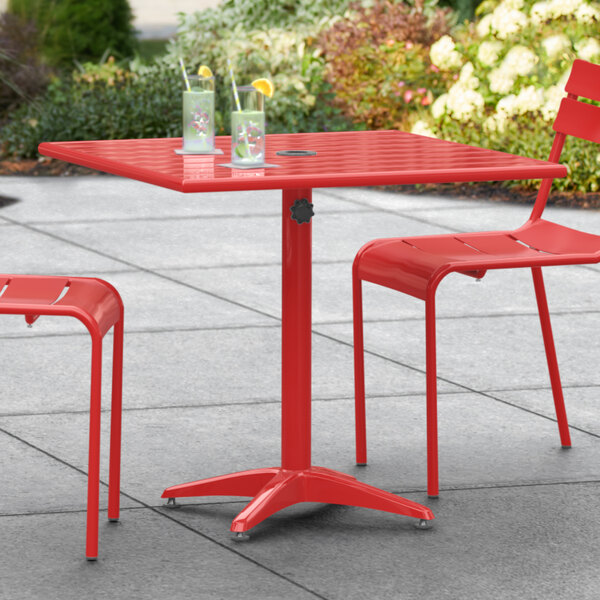
Metals like aluminum and stainless steel suit outdoor furniture. They resist rust and corrosion. Powder coating adds extra protection and color. This coating prevents scratches and fading. Metal frames provide strong, stable support that lasts.
Durable Plastics And Resins
Plastics and resins are lightweight and weatherproof. They do not absorb water or stain easily. These materials can mimic wood or metal looks. They resist cracking and fading under sun and rain. Easy to clean and maintain, they suit all outdoor styles.
Outdoor Fabrics And Cushions
Outdoor fabrics resist water, mold, and fading. Materials like solution-dyed acrylic and polyester dry quickly. They stay soft and comfortable over time. Cushions often include quick-dry foam to prevent mildew. Covers are removable for washing or replacement.
Resistance To Weather Elements
Outdoor furniture faces many challenges from weather. Rain, sun, heat, and cold all affect it. Resistance to these elements keeps furniture strong and looking good. It also makes sure furniture lasts longer outside. Let’s explore key ways outdoor furniture resists weather damage.
Waterproofing And Moisture Resistance
Water can ruin outdoor furniture fast. Waterproof materials stop water from soaking in. Moisture resistance helps prevent swelling and warping. Furniture with sealed surfaces or water-repellent coatings stays dry. This protection avoids damage from rain or dew.
Uv Protection And Sun Damage
Sunlight fades colors and weakens materials. UV protection blocks harmful rays from breaking down furniture. Fabrics and finishes with UV blockers keep their color longer. This helps furniture look fresh despite strong sun exposure.
Temperature Fluctuation Tolerance
Outdoor furniture faces hot days and cold nights. Materials that tolerate these changes stay stable. They do not crack or become brittle from heat or cold. This keeps furniture safe and comfortable all year.
Mold And Mildew Prevention
Moist places can cause mold and mildew on furniture. Mold damages surfaces and smells bad. Materials that resist mold keep furniture clean and healthy. Proper ventilation and treated surfaces stop mold from growing.
Structural Strength And Stability
Structural strength and stability are key for outdoor furniture. These qualities ensure the furniture holds up against weather and daily use. Strong, stable furniture lasts longer and keeps users safe. The design and build of outdoor furniture focus on these factors. Solid construction helps resist wind, rain, and weight.
Frame Construction Techniques
Frames form the backbone of outdoor furniture. Common materials include wood, metal, and synthetic fibers. Each material needs proper construction methods. Welding, screwing, and joining parts tightly add strength. Frames should prevent wobbling or bending. Good frames keep the furniture steady on uneven ground.
Load-bearing Capacity
Load-bearing capacity means how much weight furniture can hold. Outdoor furniture must support people and items safely. Testing weight limits helps choose strong pieces. Higher capacity suits families or frequent use. Furniture with weak load support can break or collapse.
Joint And Fastener Durability
Joints and fasteners connect frame parts. Durable joints keep furniture firm over time. Screws, bolts, and brackets must resist rust and wear. Quality fasteners avoid loosening from wind or movement. Tight connections reduce noise and movement. Check that joints are sealed from moisture.

Credit: www.grandinroad.com
Maintenance And Longevity
Outdoor furniture faces many challenges from weather and daily use. Proper maintenance extends its life and keeps it looking good. Understanding how to care for your furniture helps protect your investment. Small efforts in cleaning and protection make a big difference over time.
Cleaning And Care Tips
Regular cleaning removes dirt and prevents damage. Use mild soap and water for most materials. Avoid harsh chemicals that can harm finishes. Wipe down surfaces with a soft cloth to avoid scratches. Dry furniture thoroughly to stop mold and mildew growth. Store cushions indoors or in a dry place when not in use. Clean cushions according to the care label instructions.
Protective Treatments And Sealants
Applying sealants protects wood and metal from moisture and sun. Use a water-repellent finish on wooden furniture annually. Metal pieces benefit from rust-resistant sprays or paint. Reapply treatments after heavy rain or snow. Cover furniture during harsh weather to reduce wear. Use breathable covers to avoid trapping moisture. Proper protection slows fading, cracking, and rusting.
Signs Of Wear And Replacement Timeframes
Look for fading, cracking, or rust spots as wear signs. Loose joints or broken parts signal the need for repair. Worn cushions lose support and comfort. Most outdoor furniture lasts 5 to 15 years. Materials like teak and aluminum tend to last longer. Replace furniture if repairs become frequent or costly. Timely replacement ensures safety and maintains outdoor style.
Design Considerations For Outdoor Use
Design plays a key role in choosing furniture for outdoor use. Outdoor furniture must be practical and look good. It needs to handle weather and still be comfortable. Understanding the design needs helps pick the right pieces for your space.
Ergonomics And Comfort
Comfort is important for outdoor furniture. Chairs and sofas should support your body well. Soft cushions help, but they must dry quickly after rain. The shape of furniture should allow easy sitting and standing. Good design reduces strain and adds relaxation.
Portability And Storage
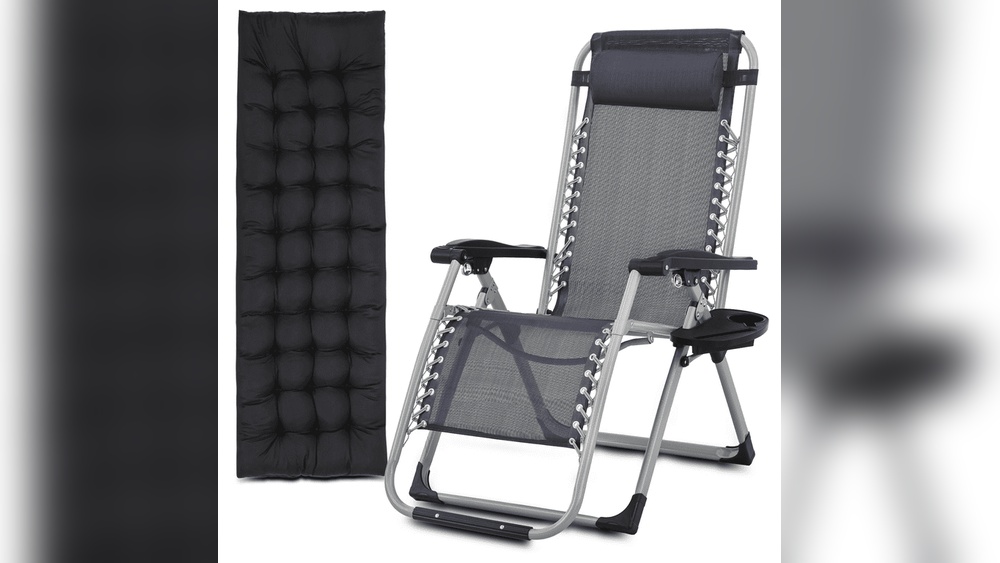
Outdoor furniture often needs to move or be stored. Lightweight materials make moving easier. Folding or stackable furniture saves space when not in use. Strong, durable designs resist damage during storage. Easy-to-store furniture fits small outdoor areas perfectly.
Style Adapted To Environment
Furniture style must match the outdoor setting. Natural materials blend with gardens and green spaces. Sleek, modern designs suit urban patios. Colors should resist fading from sun and rain. Matching style with environment creates harmony and beauty.

Credit: www.amazon.com
Credit: www.webstaurantstore.com
Frequently Asked Questions
What Materials Make Furniture Suitable For Outdoor Use?
Outdoor furniture needs weather-resistant materials like teak, aluminum, or synthetic wicker. These materials resist moisture, UV rays, and temperature changes. They ensure durability and maintain appearance despite exposure to elements, making them ideal for outdoor settings.
How Does Weather Resistance Affect Outdoor Furniture Longevity?
Weather resistance protects furniture from rain, sun, and wind damage. It prevents rust, fading, and cracking, extending furniture life. Durable finishes and protective coatings enhance this resistance, ensuring outdoor furniture remains functional and attractive over time.
Why Is Maintenance Important For Outdoor Furniture?
Regular maintenance prevents wear caused by dirt, moisture, and UV exposure. Cleaning and protective treatments preserve material integrity and appearance. Maintenance helps identify damage early, prolonging furniture life and keeping it safe and comfortable for outdoor use.
What Design Features Improve Outdoor Furniture Durability?
Designs with sturdy joints, rust-proof hardware, and sloped surfaces for water drainage improve durability. Breathable cushions and UV-resistant fabrics also enhance comfort and longevity. Thoughtful design reduces wear and supports furniture performance in outdoor environments.
Conclusion
Outdoor furniture must resist weather, moisture, and sunlight well. Materials like treated wood, metal, and plastic work best. Comfort and durability matter for long-term use. Choose furniture that stays strong through rain and sun. Easy care also helps furniture last longer.
Investing in the right pieces makes outdoor spaces inviting. This way, you enjoy your patio or garden without worry. Simple choices lead to lasting, beautiful outdoor furniture.

