Are you tired of your plastic outdoor furniture looking dull and faded? You want to refresh your patio without spending a fortune on new pieces, but painting plastic can feel tricky.
Choosing the right paint is key to making your furniture look great and last through sun, rain, and wind. You’ll discover exactly what kind of paint works best on plastic outdoor furniture, how to prepare your pieces, and tips to get a smooth, long-lasting finish.
Keep reading to transform your outdoor space with confidence!
Choosing The Right Paint
Choosing the right paint for plastic outdoor furniture is important. The paint must stick well and resist weather. It should also keep its color over time. Not all paints work on plastic. Some peel off or fade quickly. Knowing the best paint types helps you get good results and a fresh look.
Types Of Paint For Plastic
Some paints are made specially for plastic surfaces. They contain chemicals that help the paint stick firmly. Regular paints often do not hold well on plastic. Look for paint labeled for plastic use or multi-surface paint. These paints handle outdoor conditions better and last longer on plastic furniture.
Benefits Of Spray Paint
Spray paint is popular for plastic furniture. It spreads evenly and covers hard spots easily. Spray paint dries fast and gives a smooth finish. It helps avoid brush marks and uneven layers. Many spray paints also include primers, improving paint adhesion on plastic. This saves time and effort.
Using Acrylic Paints
Acrylic paints work well on plastic if used with a primer. They come in many colors and are easy to find. Acrylic paint is flexible, so it resists cracking. It also dries quickly and cleans up with water. For outdoor use, seal acrylic paint with a clear topcoat to protect it from sun and rain.
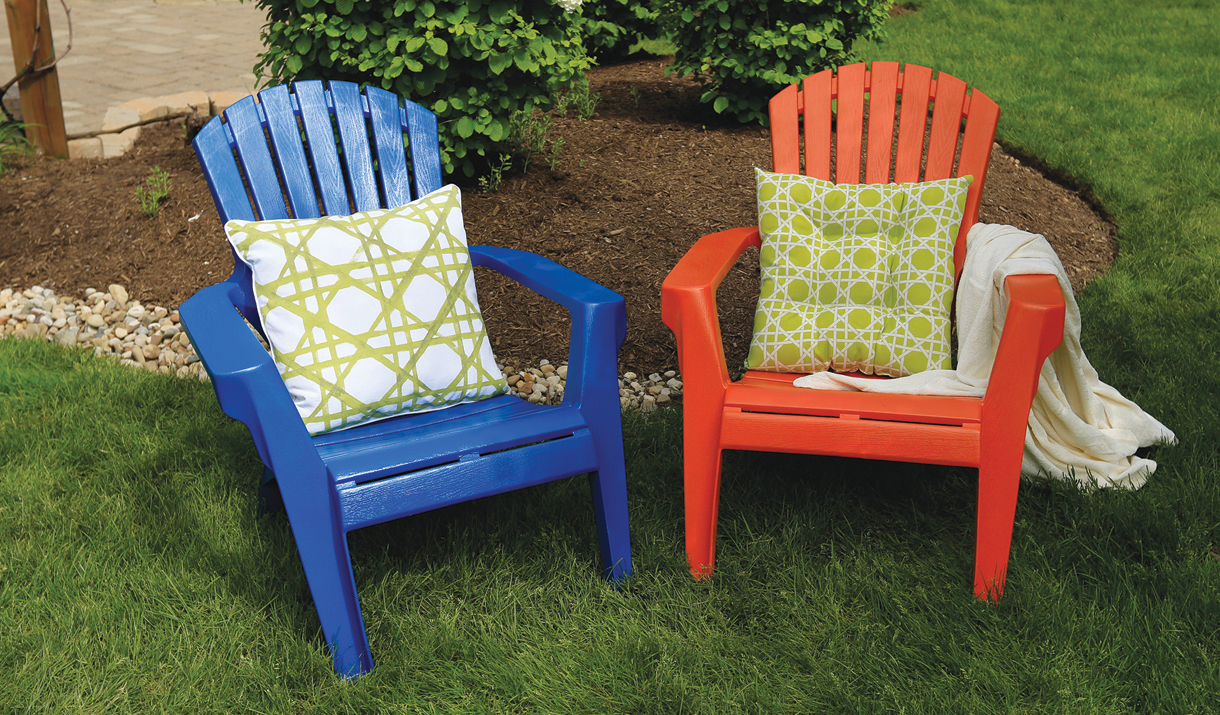
Credit: www.krylon.com
Preparing Plastic Furniture
Preparing plastic furniture for painting is an important step. It helps the paint stick better and last longer. Taking time to clean, sand, and prime your furniture will give the best results. This process removes dirt and creates a smooth surface for the paint.
Cleaning And Sanding
Start by cleaning the plastic furniture with soap and water. Use a soft brush or cloth to remove dirt and grime. Let it dry completely before moving on.
Lightly sand the surface with fine-grit sandpaper. This roughens the plastic just enough to help the paint grip. Be gentle to avoid damaging the furniture. After sanding, wipe away dust with a damp cloth.
Priming For Better Adhesion
Apply a plastic primer designed for outdoor use. This primer helps the paint stick to smooth plastic. Use a spray primer for an even coat. Let the primer dry fully before painting.
Priming improves paint durability and prevents peeling. It also enhances the color and finish of your paint job. Do not skip this step for the best outcome.
Painting Techniques
Painting plastic outdoor furniture needs careful technique for best results. Proper steps help paint stick well and last longer. A smooth finish looks great and protects furniture from weather. Follow these painting techniques to get a strong, even coat on your plastic pieces.
Applying Even Coats
Start with a clean, dry surface. Use light, even strokes to apply paint. Avoid thick layers that drip or bubble. Thin coats dry faster and hold better. Wait a few minutes between coats. This helps layers bond and reduces cracking. Multiple thin coats work better than one thick coat.
Drying And Curing Times
Let paint dry fully before touching the furniture. Drying times depend on paint type and weather. Usually, wait at least one hour between coats. After the last coat, allow 24 to 48 hours to cure. Curing makes paint hard and durable. Avoid heavy use until paint cures completely.

Credit: www.architectureofamom.com
Weatherproofing Your Finish
Weatherproofing your finish is key for plastic outdoor furniture. It keeps paint strong and stops damage from rain, sun, and wind. A good finish protects your furniture and helps it last longer outdoors.
Using Sealants And Clear Coats
Sealants and clear coats add a strong layer over paint. They block water and prevent paint from peeling or cracking. Choose a sealant made for outdoor use on plastic surfaces. Apply thin, even coats and let each dry fully. This step locks in color and keeps the furniture looking fresh.
Protecting Against Uv Damage
Sunlight causes paint to fade and plastic to weaken. UV protectants help stop this damage. Look for paints or clear coats with built-in UV blockers. These products shield furniture from harsh sun rays. Reapply UV protectants every year for the best protection. Your furniture stays bright and sturdy longer.
Maintenance Tips
Maintaining painted plastic outdoor furniture keeps it looking fresh and new. Proper care helps the paint last longer and protects the plastic underneath. Simple steps can make a big difference in preserving your furniture’s appearance.
Cleaning Painted Surfaces
Use a soft cloth or sponge with mild soap and water. Avoid harsh chemicals or abrasive scrubbers that can damage the paint. Rinse with clean water and dry with a soft towel. Clean regularly to prevent dirt build-up and fading.
Touching Up Chips And Scratches
Small chips or scratches happen over time. Lightly sand the damaged area with fine-grit sandpaper. Wipe away dust and apply matching paint carefully. Let it dry fully before using the furniture again. This keeps the surface smooth and protects the plastic from weather damage.

Credit: www.tastefullyeclectic.com
Frequently Asked Questions
What Type Of Paint Works Best On Plastic Furniture?
Acrylic latex paint is ideal for plastic furniture. It adheres well and resists chipping. Use a primer designed for plastic for better durability.
Can Spray Paint Be Used On Plastic Outdoor Furniture?
Yes, spray paint formulated for plastic works well. It provides even coverage and dries quickly. Always clean and prime the surface before painting.
How Do I Prepare Plastic Furniture Before Painting?
Clean the furniture with soap and water. Sand lightly to create a rough surface. Apply a plastic primer to ensure paint adhesion and longevity.
Is Outdoor Paint Necessary For Plastic Furniture?
Outdoor paint is recommended as it resists weather damage. It protects against UV rays and moisture, extending the life of your painted furniture.
Conclusion
Choosing the right paint helps your plastic furniture last longer outside. Use paint made for plastic surfaces. It sticks well and resists weather damage. Clean and dry the furniture before painting. Apply thin, even coats for the best look. Let each coat dry fully before adding another.
This simple process refreshes your furniture’s style easily. Enjoy a fresh, colorful outdoor space with painted plastic furniture. Keep your furniture looking good through all seasons. Painting plastic furniture is an easy way to update your outdoor area.