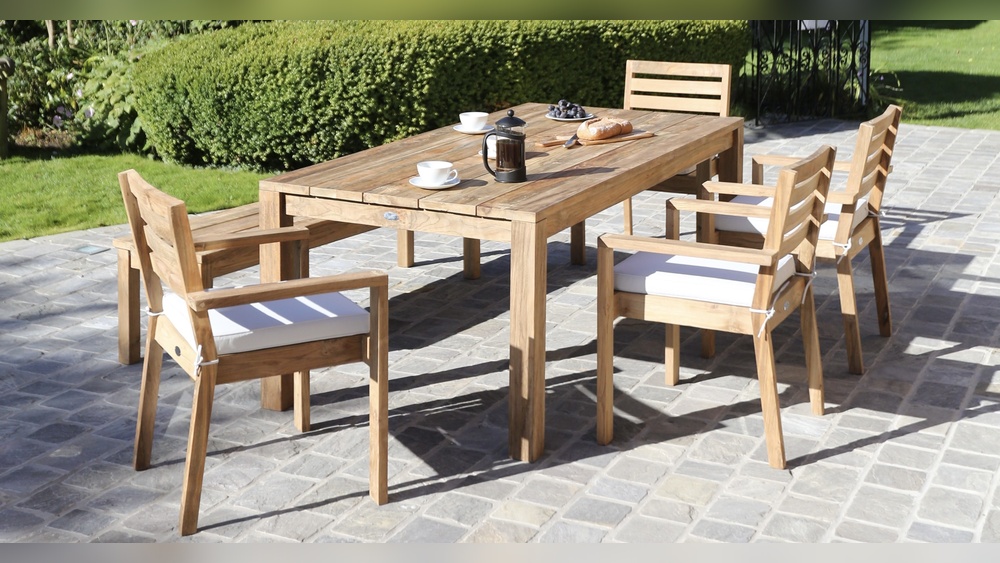
If you want your wooden outdoor furniture to stay beautiful and last for years, choosing the right oil is key. You might wonder, which oil is best to protect your wood from sun, rain, and wear?
Using the wrong product can cause damage or leave your furniture looking dull. You’ll discover exactly what kind of oil works best to keep your outdoor wood strong, vibrant, and ready for any season. Keep reading, and you’ll learn simple tips that make a big difference for your furniture’s life and appearance.
Choosing The Right Oil
Choosing the right oil for wooden outdoor furniture helps keep it strong and beautiful. The right oil protects wood from water, sun, and dirt. It also makes cleaning easier and prevents the wood from cracking or fading. Not all oils work the same way, so picking the best one matters a lot.
Types Of Oils For Wood
Several oils suit wooden outdoor furniture. Teak oil is popular for its deep protection and natural look. Linseed oil is common and easy to find. Tung oil dries hard and offers good water resistance. Some oils mix natural and synthetic ingredients for extra strength. Each type has its own benefits and limits.
Natural Vs Synthetic Oils
Natural oils come from plants and soak deeply into wood. They keep wood looking natural and are safe for the environment. Synthetic oils often add chemicals to protect better against weather and insects. They may last longer but can change the wood’s color. Choose natural oils for a soft look. Choose synthetic oils for heavy protection.
Factors To Consider
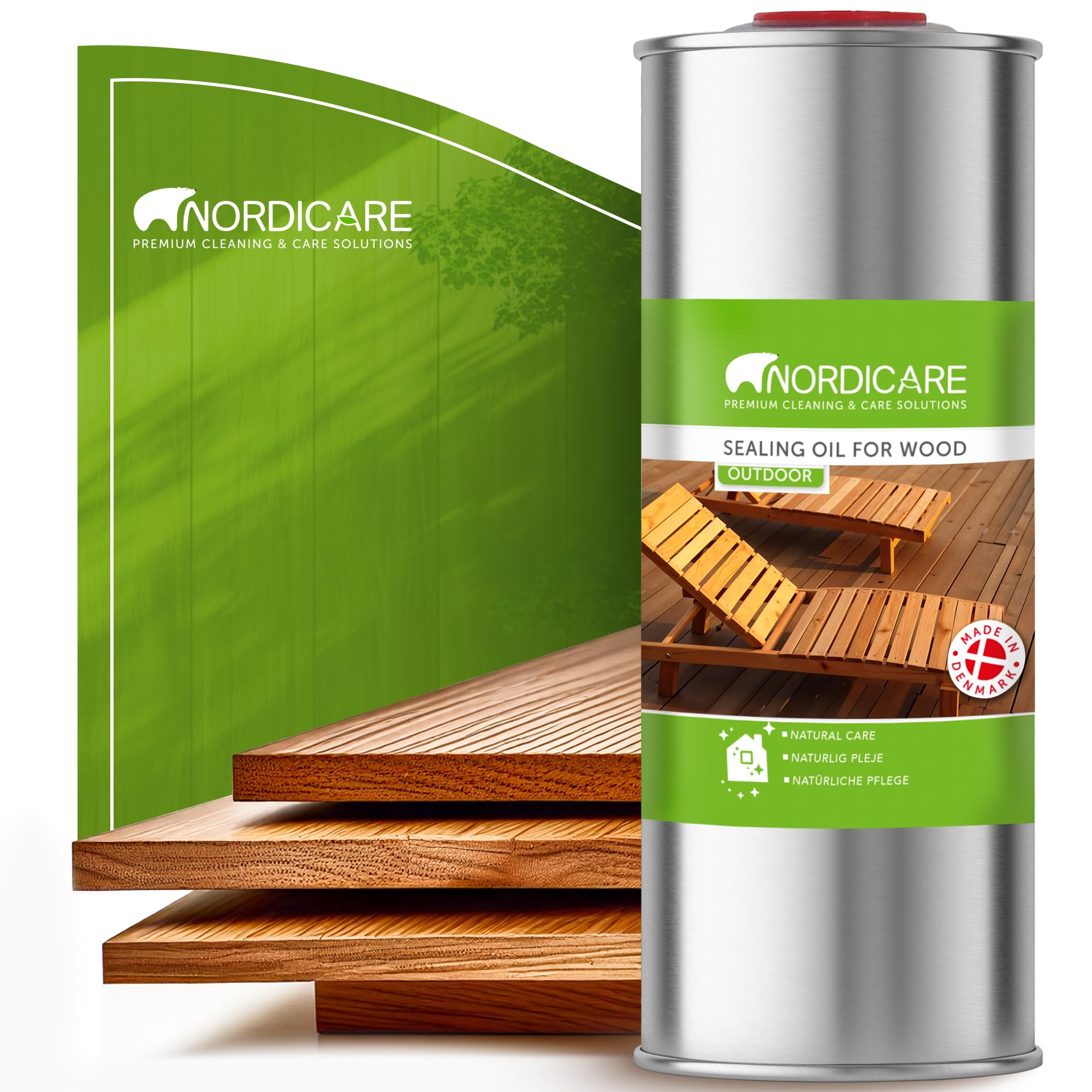
Think about your climate. Wet places need oils that stop water damage. Sunny spots need oils that block UV rays. Also, consider how often you want to reapply oil. Some need yearly care, others last longer. Wood type matters too. Some woods absorb oil better. Lastly, check if the oil is easy to use and safe for your family.
Credit: www.amazon.com
Popular Oils For Outdoor Furniture
Choosing the right oil protects wooden outdoor furniture from weather damage. Oils help wood stay strong and look great for years. Some oils work better for certain wood types and climates. Here are popular oils often used for outdoor furniture.
Teak Oil
Teak oil is made for dense woods like teak and mahogany. It penetrates deeply to protect wood from moisture and sun. This oil keeps wood color rich and natural. Applying teak oil regularly prevents cracking and fading.
Linseed Oil
Linseed oil comes from flax seeds and is widely used on wood. It soaks into the grain and strengthens the wood. Linseed oil offers good water resistance but takes time to dry. It works best on softwoods like pine and cedar.
Tung Oil
Tung oil is natural and dries to a hard, water-resistant finish. It protects wood from rain and sun damage. This oil enhances the wood’s natural grain and color. Pure tung oil lasts long and is safe for outdoor use.
Danish Oil
Danish oil is a blend of oil and varnish for easy application. It creates a durable, satin finish that resists water and stains. This oil works well on many wood types and improves outdoor durability. Danish oil dries faster than pure oils.
Application Techniques
Applying oil to wooden outdoor furniture protects the wood and keeps it looking fresh. Using the right techniques helps the oil soak in well. This section explains how to prepare the surface, apply the oil, and allow it to dry properly.
Preparing The Surface
Start by cleaning the wood. Remove dirt, dust, and old finishes. Use a soft brush or cloth and mild soap with water. Let the wood dry completely before oiling.
Lightly sand the surface with fine-grit sandpaper. This opens wood pores for better oil absorption. Wipe away sanding dust with a dry cloth.
How To Apply Oil
Use a clean, soft cloth or a natural bristle brush to apply the oil. Work in small sections to cover the wood evenly. Apply oil along the grain for the best results.
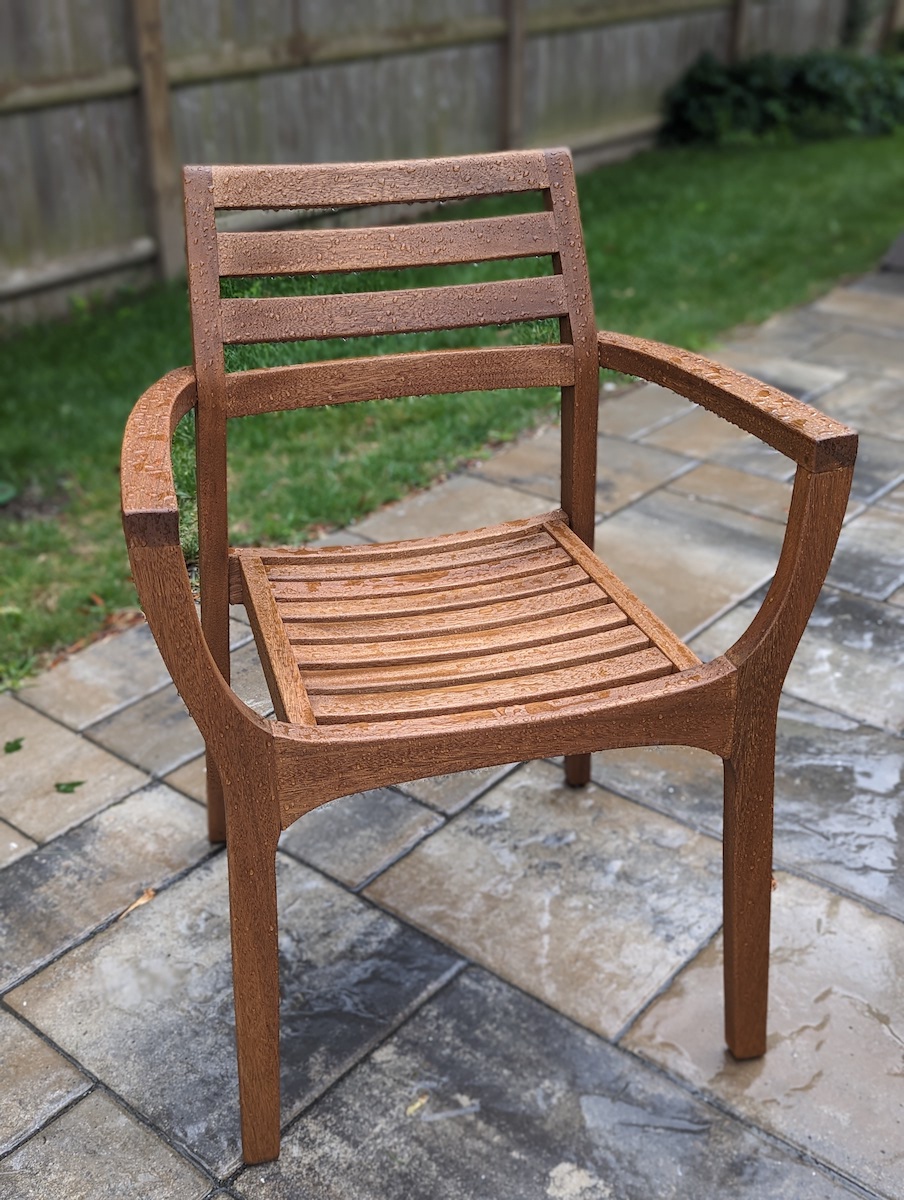
Rub the oil gently into the wood. Avoid thick layers; thin coats work best. Let the oil soak in for about 15-20 minutes.
Wipe off any excess oil with a dry cloth. Excess oil can leave a sticky surface and attract dirt.
Drying And Curing Time
Allow the wood to dry in a well-ventilated area. Drying usually takes 24 hours but can vary with weather. Avoid using the furniture until the oil cures fully.
Curing can take several days. During this time, the oil hardens and protects the wood. Reapply oil every few months to maintain the finish and protection.
Credit: www.findingsilverpennies.com
Maintenance Tips
Maintaining wooden outdoor furniture keeps it beautiful and strong for years. Regular care protects the wood from sun, rain, and dirt. Oiling is one of the best ways to preserve the wood’s natural look and texture. Follow these simple tips to care for your oiled wooden furniture properly.
When To Reapply Oil
Check your furniture every few months. If the wood looks dry or faded, it needs oil. Touch the surface; if it feels rough or dull, reapply oil. Spring and fall are good times for oiling. Clean the wood first, then apply a thin coat of oil. Let it soak in and dry fully before using the furniture again.
Cleaning Oiled Furniture
Use a soft brush or cloth to remove dust and dirt. Avoid harsh chemicals or abrasive tools. Mild soap and water work well for cleaning. Rinse with clean water and dry with a towel. Never let water sit on the wood for long. Clean regularly to keep the oil layer strong and effective.
Protecting Against Weather
Cover furniture during heavy rain or snow. Use breathable covers to stop moisture buildup. Move furniture to a shaded area if possible. Sun can dry the wood quickly and cause cracking. Oiling adds a protective layer but does not replace covers. Proper protection extends the life of your wooden furniture.
Common Mistakes To Avoid
Applying oil to wooden outdoor furniture helps protect it and keeps it looking good. Many people make mistakes that reduce the oil’s effectiveness. Avoiding these errors will improve your furniture’s life and beauty. Here are common mistakes to watch out for.
Using The Wrong Oil
Not all oils suit wooden outdoor furniture. Some oils do not soak in well or protect against weather. Avoid cooking oils or cheap oils meant for indoor use. Choose oils made for outdoor wood, like teak oil or linseed oil. The right oil keeps wood healthy and prevents damage.
Over-oiling
Applying too much oil causes problems. Excess oil stays on the surface and never dries. This sticky layer attracts dirt and dust. Over-oiling can lead to a patchy, uneven look. Apply thin coats and let each dry fully before adding more.
Ignoring Surface Preparation
Oiling dirty or rough wood wastes time. Dirt, dust, and old finishes block oil absorption. Clean the wood thoroughly with a soft brush or cloth. Sand rough spots gently to open the wood grain. Proper prep helps the oil soak deep and work well.

Credit: www.findingsilverpennies.com
Frequently Asked Questions
What Type Of Oil Is Best For Wooden Outdoor Furniture?
Teak oil is ideal for wooden outdoor furniture. It penetrates deeply, protects against moisture, and enhances wood grain. It is water-resistant and prevents cracking. Linseed oil is also popular but takes longer to dry. Choose oils designed specifically for outdoor use to ensure durability.
How Often Should I Oil Outdoor Wooden Furniture?
Oil outdoor wooden furniture every 6 to 12 months. Frequency depends on weather exposure and wood type. Regular oiling keeps wood hydrated, prevents drying, and maintains appearance. Inspect furniture seasonally to decide if reapplication is needed. Proper maintenance extends the furniture’s life and beauty.
Can I Use Cooking Oil On Wooden Outdoor Furniture?
No, cooking oils like olive or vegetable oil are not suitable. They can go rancid and attract insects. Use specially formulated wood oils like teak or linseed oil instead. These oils protect, nourish, and preserve outdoor wood furniture effectively and safely.
Does Oiling Wooden Furniture Protect Against Weather Damage?
Yes, oiling wooden furniture creates a protective barrier against moisture and UV rays. It reduces cracking, warping, and fading caused by weather. Regular application helps maintain wood’s natural beauty and durability. Proper oiling is essential for outdoor wooden furniture longevity.
Conclusion
Choosing the right oil protects your wooden outdoor furniture well. Oils like teak or linseed keep wood strong and beautiful. Regular oiling stops cracks and fading from sun and rain. Clean the furniture before applying oil for best results. Simple care helps your wood last many years.
Enjoy your outdoor space with furniture that looks great. Keep oiling every few months to maintain its shine. This small step makes a big difference in wood care.

