Your outdoor furniture is more than just a place to sit—it’s a part of your backyard’s charm. But over time, weather and wear can make it look dull and worn out.
If you want to bring back its original beauty and protect it for years to come, staining and varnishing is the way to go. In this guide, you’ll learn simple, step-by-step tips to transform your furniture quickly and easily. By the end, your outdoor pieces will not only look stunning but also stand strong against sun, rain, and time.
Ready to give your furniture the care it deserves? Let’s get started!
Choosing The Right Wood
Choosing the right wood is key for outdoor furniture. The wood must resist weather and last long. Some woods handle rain, sun, and wind better than others. This choice affects how well your stain and varnish will work. Picking good wood makes your project easier and more durable.
Best Wood Types For Outdoor Use
Teak is a top choice. It stays strong and resists water without much care. Cedar is light and smells nice. It fights off bugs and rot. Redwood is another good option. It holds up well outside and looks great. Pine can work if treated well. It is cheaper but needs good protection from moisture.
Wood Preparation Tips
Start by cleaning the wood surface. Remove dirt and old finishes with sandpaper. Smooth the wood to help stain stick better. Check for cracks or holes and fill them. Let the wood dry fully before staining. Dry wood absorbs stain evenly. This step helps the finish last longer outdoors.
Selecting Stain And Varnish
Selecting the right stain and varnish is key for outdoor furniture care. These products protect wood from weather damage and keep it looking good. Choosing the right type helps your furniture last longer and look fresh. Understanding the options makes the job easier and more effective.
Types Of Stains For Outdoor Furniture
Stains come in three main types: transparent, semi-transparent, and solid. Transparent stains show the wood grain and add light color. Semi-transparent stains hide some grain but keep natural wood texture. Solid stains cover the wood fully and look like paint.
Each type offers different protection levels. Transparent stains let wood breathe but need more frequent reapplication. Solid stains give strong protection but hide the wood’s natural look. Choose based on your style and how much maintenance you want.
Varnish Options And Their Benefits
Varnish seals and protects stained wood. It adds shine and shields wood from sun and rain. There are oil-based and water-based varnishes.
Oil-based varnish is tough and lasts long. It gives a warm, rich finish. Water-based varnish dries fast and has less odor. It keeps colors true and cleans easily with water.
Pick varnish that fits your climate and furniture use. Both types improve durability and keep wood safe outdoors.
Preparing Furniture For Staining
Preparing outdoor furniture for staining is a key step. It helps the stain stick well and last longer. Proper preparation also protects the wood from damage. Taking time to clean and fix the furniture makes a big difference in the final look.
Cleaning And Sanding Techniques
Start by cleaning the furniture thoroughly. Use a mild soap and water mix. Scrub gently with a soft brush to remove dirt and grime. Rinse well and let the wood dry completely. This step removes dust and old finishes.
Next, sand the surface smoothly. Use medium-grit sandpaper for rough areas. Follow with fine-grit sandpaper to finish. Sanding opens the wood pores for better stain absorption. Always sand in the wood grain direction to avoid scratches.
Repairing Damages Before Staining
Check the furniture for cracks, dents, or loose parts. Use wood filler to fix small cracks and holes. Let the filler dry and sand it smooth. Tighten screws and replace any broken pieces. Fixing damages creates a smooth surface and improves durability.

Credit: www.amazon.com
Applying Stain
Applying stain to outdoor furniture protects the wood and enhances its natural beauty. Staining also helps prevent damage from sun and rain. The process is simple but needs care to get the best results. Use the right tools and follow clear steps for even coverage.
Tools Needed For Staining
- Paintbrush or foam brush
- Clean cloths or rags
- Sandpaper (medium and fine grit)
- Wood stain
- Protective gloves
- Drop cloth or old newspapers
- Stir stick
Step-by-step Staining Process
Start by sanding the furniture to smooth the surface. Use medium grit sandpaper first, then fine grit for a smooth finish. Wipe away dust with a clean cloth.
Stir the stain well before use. Dip your brush or cloth into the stain. Apply the stain in the direction of the wood grain. Work on small sections at a time.
Use even strokes to avoid blotches. Let the stain sit for a few minutes to soak in. Wipe off excess stain with a clean cloth to prevent sticky spots.
Allow the first coat to dry before deciding if a second coat is needed. More coats deepen the color but avoid over-applying.
Drying Times And Tips
Let the stain dry for at least 24 hours before varnishing. Drying time depends on weather and humidity. Warm, dry days speed up drying. Avoid staining if rain is expected soon.
Keep furniture in a shaded, ventilated area while drying. Touch the surface lightly; it should feel dry and not tacky. Proper drying ensures a smooth varnish finish later.
Applying Varnish
Applying varnish is the final step to protect outdoor furniture. It adds a clear, hard layer over the stain. This layer guards against sun, rain, and wear. A good varnish makes wood last longer and look better. The process needs care and patience to get the best results.
Choosing The Right Varnish Application Method
Brushes give control and smooth finish. Use a soft, natural-bristle brush for best results. Spraying works well for large surfaces. It applies thin, even coats quickly. Wiping with a cloth suits small or detailed areas. Pick a method based on furniture size and shape.
Layering And Drying
Apply varnish in thin, even layers. Thick layers dry slowly and may peel. Let each layer dry fully before the next. Drying time depends on temperature and humidity. Usually, wait 4 to 6 hours between coats. Lightly sand with fine sandpaper after each coat. It helps the next layer stick well.
Final Touches For Protection
Check for missed spots or rough patches. Apply a final thin coat for extra shine and seal. Allow the varnish to cure for several days. Avoid placing furniture in direct sun or rain during this time. Proper curing makes the finish stronger and long-lasting.
Maintenance And Care
Maintaining outdoor furniture keeps it looking fresh and extends its life. Proper care stops wood from cracking and fading. Staining and varnishing protect wood from sun and rain. Regular upkeep makes a big difference in how long furniture lasts.
Regular Cleaning Tips
Clean furniture often with a soft brush or cloth. Use mild soap and water to remove dirt. Avoid harsh cleaners that can damage the finish. Rinse well and dry with a towel to stop moisture buildup. Clean furniture before reapplying stain or varnish.
Reapplying Stain And Varnish
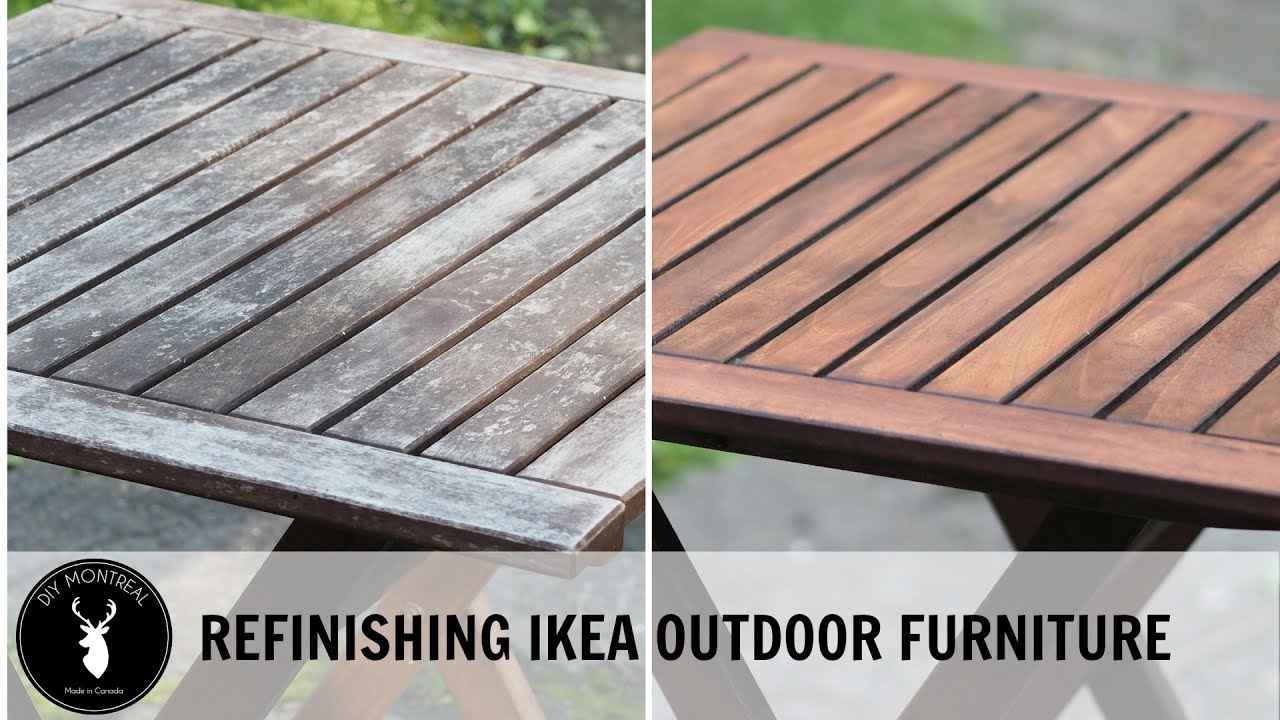
Check furniture yearly for signs of wear. Sand lightly to remove old, peeling finish. Apply new stain evenly with a brush or cloth. Let the stain dry fully before adding varnish. Use a clear varnish to seal and protect the wood. Two coats of varnish give the best defense.
Protecting Furniture From Weather
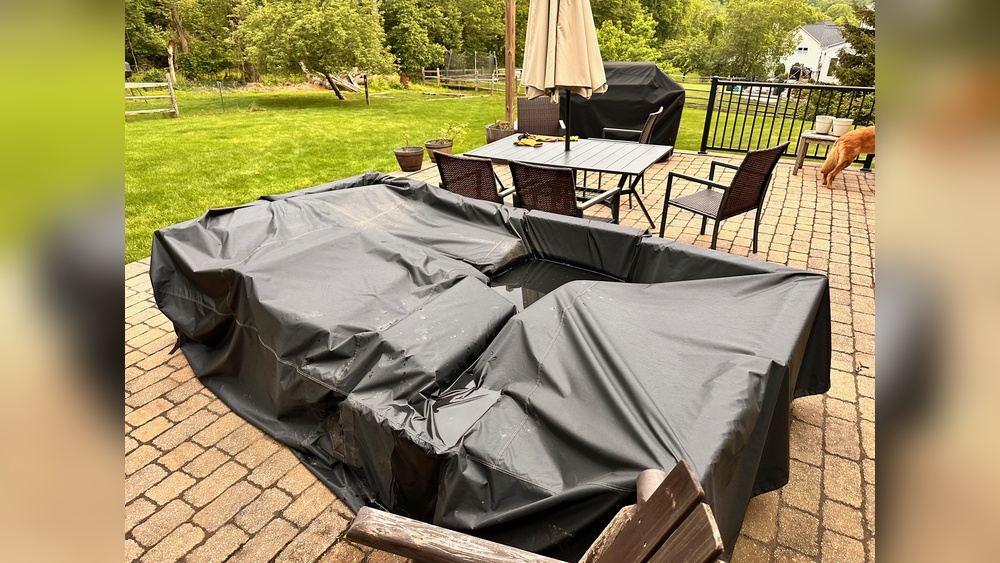
Cover furniture during heavy rain or snow. Move it to a sheltered spot in winter. Use waterproof covers for extra protection. Avoid placing furniture directly on wet ground. Sun can bleach wood, so place furniture in shaded areas when possible. Proper shelter helps furniture last through all seasons.
Common Mistakes To Avoid
Staining and varnishing outdoor furniture can make it last longer and look beautiful. But many people make simple mistakes that ruin their work. Avoiding these errors saves time and money. This section covers common mistakes to avoid during the process.
Mistakes During Staining
Not cleaning the furniture first causes poor stain absorption. Dirt and dust block the wood from soaking in the stain. Using thick or old stain leads to uneven color. Applying stain under direct sunlight makes it dry too fast. This results in blotchy and patchy finishes. Skipping the test spot can cause unexpected color results. Always test the stain on a hidden area first.
Varnish Application Errors
Applying varnish on a wet surface traps moisture inside. This causes bubbles and peeling later. Using the wrong brush creates streaks and uneven layers. Applying thick coats slows drying and causes drips. Rushing to add more layers before drying leads to sticky surfaces. Sanding between coats is important but many skip it. This makes the finish rough and weak.
Long-term Care Pitfalls
Ignoring regular cleaning lets dirt damage the finish. Using harsh chemicals removes varnish and stain protection. Leaving furniture in direct sun without shade fades the wood. Not reapplying varnish every few years weakens the surface. Covering furniture with plastic traps moisture and causes mold. Proper care extends the beauty and life of your furniture.
Credit: www.youtube.com

Credit: www.amazon.com
Frequently Asked Questions
What Type Of Wood Stain Is Best For Outdoor Furniture?
Oil-based stains are best for outdoor furniture. They penetrate deeply and resist weather damage. Water-based stains dry faster and are eco-friendly but may need frequent reapplication.
How Long Should Stain Dry Before Applying Varnish?
Allow the stain to dry for 24-48 hours before varnishing. This ensures proper adhesion and a smooth finish. Check the stain’s label for specific drying times.
Can I Use Indoor Varnish On Outdoor Furniture?
No, indoor varnish is not suitable for outdoor use. Use exterior varnish, which contains UV blockers and weather-resistant chemicals to protect your furniture outside.
How Many Varnish Coats Are Needed For Protection?
Apply 2 to 3 coats of varnish for effective protection. Each coat should dry completely before applying the next to ensure durability and a polished look.
Conclusion
Staining and varnishing outdoor furniture protects it from sun and rain. Clean and sand the wood well before you start. Apply stain evenly to bring out natural colors. Let it dry fully, then add varnish for a strong finish. Use thin coats and let each dry to avoid sticky spots.
This care helps your furniture last many seasons. Enjoy your beautiful, weather-resistant outdoor pieces every day. Simple steps make a big difference.