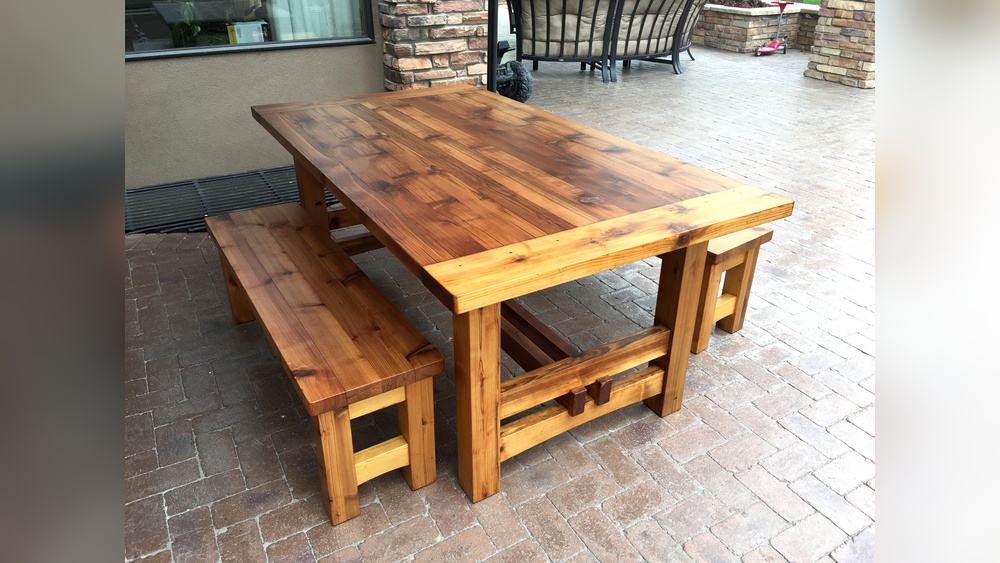
Are you wondering how many coats of polyurethane you should apply to your outdoor furniture? Getting this right can make all the difference between a surface that withstands weather and one that quickly wears down.
Too few coats might leave your furniture unprotected, while too many could create a sticky mess. You’ll discover the perfect balance to keep your outdoor pieces looking great and lasting longer. Keep reading to find out exactly how to protect your investment with just the right number of polyurethane layers.

Credit: www.amazon.com
Choosing The Right Polyurethane
Choosing the right polyurethane is key for protecting outdoor furniture. It keeps wood safe from weather damage and wear. Picking the correct type helps your furniture last longer and look better. Different polyurethanes offer various benefits. Understanding these options makes the choice easier.
Oil-based Vs Water-based Options
Oil-based polyurethane creates a strong, durable coat. It darkens wood slightly, giving a warm look. This type resists scratches and water well. It takes longer to dry and smells stronger.
Water-based polyurethane dries fast and has less odor. It keeps the wood’s natural color. This type is easier to clean with soap and water. It may need more coats for full protection.
Matte, Satin, Or Glossy Finish
Matte finish gives a smooth, dull look. It hides scratches and dirt well. Satin finish adds a soft shine. It balances beauty and hiding marks. Glossy finish shines bright and highlights wood grain. It shows scratches more but looks very polished.
Uv Resistance Features
UV resistance protects furniture from sun damage. It stops wood from fading and cracking. Some polyurethanes include UV blockers in their formula. This feature is important for long-lasting outdoor use. It keeps furniture looking fresh under sunlight.
Preparing Outdoor Furniture
Preparing outdoor furniture before applying polyurethane is key to lasting protection. Clean and smooth surfaces help the finish stick better. Proper preparation prevents peeling and damage over time. It also makes the furniture look great and feel smooth to touch.
Cleaning And Sanding Tips
Start by cleaning the furniture with mild soap and water. Remove all dirt, dust, and old finishes. Let the furniture dry completely before sanding. Use fine-grit sandpaper to smooth rough spots. Sand along the wood grain to avoid scratches. Wipe off sanding dust with a damp cloth.
Repairing Surface Imperfections
Check for cracks, holes, or dents on the surface. Fill small holes with wood filler and let it dry. Lightly sand the filled areas to make them smooth. Replace any broken parts or loose screws. Fixing imperfections ensures a smooth finish and strong surface.
Ensuring Proper Drying Conditions
Work in a dry, dust-free area with good air flow. Avoid direct sunlight or humid conditions during drying. Keep temperatures between 65°F and 75°F for best results. Allow enough time for each coat to dry fully before the next. Proper drying prevents bubbles and peeling in the finish.
Applying Polyurethane Coats
Applying polyurethane coats on outdoor furniture protects the wood from weather damage. It also enhances the wood’s natural beauty. Proper application ensures a long-lasting finish. Understanding the right tools, number of coats, drying times, and techniques is key. These steps help achieve a smooth and durable surface.
Tools And Materials Needed
Gather a high-quality brush or foam applicator for even coverage. Use sandpaper with fine grit to smooth the surface between coats. Have clean rags handy for wiping dust. Choose a polyurethane suitable for outdoor use, either oil-based or water-based. Gloves and a well-ventilated space improve safety and comfort.
Recommended Number Of Coats
Apply at least three coats of polyurethane on outdoor furniture. Three coats provide enough protection against moisture and sunlight. Some surfaces may need a fourth coat for extra durability. Avoid applying too many coats to prevent peeling or cracking. Follow the product instructions for best results.
Drying Time Between Coats
Allow each coat to dry fully before adding the next. Drying times vary by product but usually range from 4 to 6 hours. In cooler or humid conditions, drying may take longer. Lightly sanding between coats improves adhesion. Patience during drying leads to a stronger finish.
Techniques For Smooth Application
Apply thin, even coats to avoid drips and bubbles. Brush with the wood grain for a natural look. Avoid over-brushing, which can cause streaks. Keep a wet edge to blend new strokes smoothly. Sand lightly after each coat to remove imperfections.

Credit: www.amazon.com
Maintaining Polyurethane Finish
Maintaining the polyurethane finish on outdoor furniture keeps it looking fresh and protects it from damage. A well-kept finish helps the furniture last longer. It also keeps the surface smooth and shiny. Proper care means fewer repairs and less frequent refinishing.
Regular Cleaning Tips
Clean outdoor furniture often to keep the polyurethane finish intact. Use a soft cloth and mild soap with water. Avoid harsh chemicals that can wear down the finish. Gently wipe dirt and dust away. Let the furniture dry completely after cleaning.
Touch-up And Reapplication Frequency
Check the finish for scratches or dull spots regularly. Small damages need quick touch-ups to stop further wear. Reapply a new coat every one to two years for best results. More coats might be necessary in harsh climates. Light sanding before reapplying helps the new layer stick well.
Protecting Against Weather Damage
Weather can harm the polyurethane finish over time. Use covers to shield furniture from rain and sun. Store furniture indoors during heavy storms or winter months. Avoid placing furniture in direct sunlight for long periods. This prevents fading and cracking of the finish.
Common Mistakes To Avoid
Applying polyurethane on outdoor furniture is a great way to protect it. Yet, some common mistakes can ruin your work. Avoid these errors to keep your furniture safe and looking good for a long time.
Applying Too Many Or Too Few Coats
Applying too many coats makes the surface sticky and uneven. It takes longer to dry and may peel off. Too few coats leave the wood unprotected. Usually, two to three coats are enough for outdoor use. Follow the product instructions for best results.
Ignoring Surface Preparation
Skipping sanding or cleaning wastes your effort. Dirt or old finish stops the polyurethane from sticking well. Sand the wood smoothly and clean off dust before applying. A clean and smooth surface helps the finish last longer and look better.
Using Incompatible Products
Mixing different brands or types of finishes causes problems. Oil-based and water-based polyurethanes do not blend well. Use the same type for all coats. Check product labels to avoid chemical reactions and peeling. Compatibility keeps the finish strong and clear.
Alternatives To Polyurethane
Polyurethane is a popular finish for outdoor furniture, but it is not the only option. Many other finishes protect wood and add beauty. These alternatives offer different levels of durability and ease of use. Choosing the right finish depends on the wood type, climate, and desired look.
Spar Varnish Benefits
Spar varnish is made for outdoor wood exposed to sun and water. It stays flexible and resists cracking. This finish protects against UV rays and moisture. Spar varnish enhances the natural grain of the wood. It lasts longer than regular varnish in harsh weather.
Teak Oil And Other Oils
Teak oil and other oils soak into the wood to nourish it. They keep wood from drying and cracking. Oils are easy to apply and give a natural look. They need reapplication more often than varnishes. Oils work best on dense woods like teak and mahogany.
Paints And Sealers
Paints cover wood completely and add color. They protect wood from sun, rain, and insects. Sealers are clear and keep water out while showing the wood grain. Both paint and sealer require regular maintenance. They are good choices for a fresh, bright finish on outdoor furniture.
Credit: www.reddit.com
Frequently Asked Questions
How Many Coats Of Polyurethane For Outdoor Furniture?
Apply 2 to 3 coats of polyurethane on outdoor furniture. This ensures strong protection against weather and wear. Each coat must dry completely before applying the next for optimal durability.
Can I Apply Polyurethane Directly On Outdoor Wood?
Yes, but prepare the wood first by sanding and cleaning. Proper surface prep improves polyurethane adhesion and finish quality, extending the furniture’s lifespan outdoors.
How Long Should Polyurethane Dry Between Coats?
Allow polyurethane to dry for 4 to 6 hours between coats. Drying time may vary by brand and weather, but full curing takes about 24 hours.
Does More Polyurethane Coats Mean Better Protection?
Not always. Too many coats can cause peeling or a sticky finish. Stick to 2-3 coats for balanced protection and appearance.
Conclusion
Applying the right number of polyurethane coats protects outdoor furniture well. Usually, two to three coats work best for strong and lasting coverage. Let each coat dry fully before adding the next one. This helps avoid peeling and keeps the wood safe from weather damage.
Taking time to apply layers carefully saves money and effort later. Now, your furniture can stay beautiful through rain, sun, and wind. Simple steps like these make all the difference outdoors.


