Is your outdoor furniture constantly sliding around when you sit down or move? It can be frustrating and even unsafe when your favorite chairs and tables won’t stay put.
You want to relax outdoors without worrying about slipping or tipping over. The good news is, you don’t have to accept this annoyance. You’ll discover simple and effective ways to keep your outdoor furniture firmly in place. By the end, you’ll enjoy a stable, comfortable outdoor space that feels just right every time you step outside.
Keep reading to find out how to stop your furniture from sliding once and for all.
Causes Of Outdoor Furniture Sliding
Outdoor furniture sliding can be a common problem. It makes your patio look messy and can cause accidents. Understanding why furniture slides helps you stop it. Several factors cause outdoor furniture to move or slide easily. These include the surface, weather, and the furniture itself.
Smooth Surfaces And Slopes
Smooth surfaces like tile or polished concrete offer little grip. Furniture legs can easily slide across them. Slopes or uneven ground also cause furniture to move. Gravity pulls the furniture down the slope. This makes chairs and tables unstable.
Weather Impact
Rain or moisture makes surfaces slippery. Wet floors reduce friction between furniture and ground. Wind can push lightweight furniture across the patio. Cold weather can cause surfaces to freeze and become slick. These weather effects increase sliding risks.
Furniture Material And Design
Furniture made from metal or plastic often has smooth legs. They slide easier on hard surfaces. Furniture with thin legs or no rubber tips also slips. Heavy furniture tends to stay in place better. Design affects how well furniture grips the floor.

Credit: www.hookandloop.com
Simple Fixes For Sliding Furniture
Outdoor furniture sliding can be a big annoyance. It disrupts comfort and may cause accidents. Simple fixes can stop this problem quickly. These methods use common materials and need little effort. They also keep your furniture stable on different surfaces.
Using Non-slip Pads
Non-slip pads work well under furniture legs. They grip the ground and prevent movement. These pads come in various sizes and materials. Foam or rubber pads are best for outdoor use. Attach them easily with adhesive backing. Pads protect floors and keep furniture steady.
Adding Rubber Feet
Rubber feet are small caps for furniture legs. They add grip and stop sliding on hard surfaces. Rubber feet can be screwed or slipped on. These feet last long and resist weather damage. They also protect furniture legs from wear.
Placing Furniture On Mats Or Rugs
Mats or rugs create a non-slip base for furniture. Outdoor mats with rubber backing work best. They hold furniture in place and add style. Mats also protect floors from scratches. Choose mats sized to fit under your furniture.
Diy Solutions To Secure Furniture
Keeping outdoor furniture from sliding improves safety and comfort. DIY methods work well for securing your furniture without spending much. These simple solutions use everyday items to keep furniture stable on smooth surfaces.
Creating Sandbag Anchors
Sandbags add weight to furniture legs. Fill small bags with sand or soil. Place them over or around the furniture legs. The added weight stops sliding on patios or decks. Sandbags are affordable and easy to move when needed.
Attaching Furniture To Decks Or Patios
Use brackets or straps to fix furniture to the deck. Screw brackets into the deck and furniture base. This holds chairs or tables firmly in place. Make sure screws suit your deck material. This method works well for windy areas.
Using Double-sided Tape Or Grip Strips
Double-sided tape sticks furniture to smooth surfaces. Choose strong, weather-resistant tape for outdoor use. Grip strips also provide friction under furniture legs. Cut strips to fit and stick them to furniture bottoms. These options prevent slipping without damage.

Credit: www.amazon.com
Choosing The Right Furniture For Stability
Choosing the right outdoor furniture is key to keeping it stable and secure. The right choice reduces sliding on smooth or uneven surfaces. Stability starts with the furniture’s weight, design, and material.
These factors help your furniture stay put during wind or activity. They also improve safety and comfort in your outdoor space.
Heavy Vs. Lightweight Furniture
Heavy furniture tends to stay in place better. It resists wind and accidental bumps. Lightweight furniture moves easily, which can cause sliding. Choose heavier pieces for more stable outdoor settings. If you prefer light furniture, add weight by using cushions or weights under the legs.
Designs That Resist Sliding
Look for furniture with wide, flat legs. These spread weight and prevent sinking into soft ground. Furniture with rubber or textured feet grips surfaces better. Avoid narrow or smooth legs that slide easily. Some designs include built-in anti-slip pads for extra hold.
Materials With Natural Grip
Materials like teak, wrought iron, or textured plastic offer good grip. Teak wood has a slightly rough surface that prevents sliding. Wrought iron is heavy and stable with natural friction. Smooth metals or glass can slide on slick surfaces. Choose materials that add grip for safer placement.
Maintenance Tips To Prevent Sliding
Keeping outdoor furniture in place improves safety and comfort. Simple maintenance helps stop chairs and tables from sliding. Small efforts prevent damage to floors and furniture legs. Follow these tips to keep your furniture steady all year.
Regular Cleaning Of Contact Points
Clean the spots where furniture touches the ground. Dirt and dust can make surfaces slippery. Use a soft brush or cloth to wipe these areas. Clean regularly to keep good grip and avoid sliding.
Inspecting And Replacing Pads
Check furniture pads often for wear and tear. Old pads lose grip and cause slipping. Replace worn pads with new ones that suit your flooring. Proper pads protect both furniture and floor surfaces.
Adjusting Furniture Placement Seasonally
Move furniture slightly during different seasons. Changes in temperature can affect floor surfaces. Adjust placement to keep furniture stable and avoid damage. Seasonal shifts help maintain balance and prevent sliding.

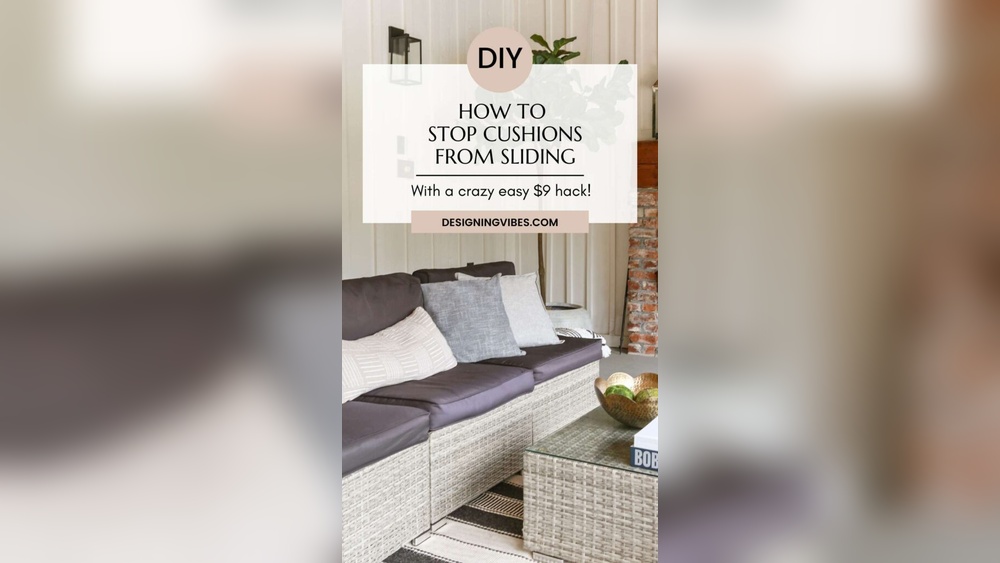
Credit: designingvibes.com
Frequently Asked Questions
How Can I Prevent Outdoor Furniture From Sliding On Tiles?
Use non-slip pads or rubber feet under the furniture legs. These increase grip and reduce movement on smooth surfaces like tiles. Regularly check and replace these pads to maintain effectiveness.
What Materials Work Best To Stop Furniture From Sliding Outside?
Rubber, silicone, and textured mats are ideal. They provide strong grip and resist weather damage. Choose materials designed for outdoor use for lasting stability.
Are Outdoor Furniture Anchors Effective To Stop Sliding?
Yes, anchors secure furniture firmly to the ground. They work well on soft surfaces like grass or dirt. Anchors prevent movement during wind or heavy use.
Can Diy Methods Help Keep Outdoor Furniture From Sliding?
Absolutely. Using items like tennis balls cut in half or double-sided tape can add traction. These simple fixes are affordable and easy to apply for quick results.
Conclusion
Keeping outdoor furniture stable is easier than it seems. Use simple fixes like rubber pads or grips under the legs. These small steps stop furniture from sliding on smooth surfaces. Regularly check and adjust your furniture to keep it steady.
Enjoy your outdoor space without worrying about slipping chairs or tables. A little effort goes a long way to improve safety and comfort. Make your patio or deck a relaxing, secure place for everyone.