Your outdoor furniture is an investment you want to protect. But how do you keep it safe from rain, sun, dust, and dirt without damaging the materials?
Choosing the right cover can make all the difference in keeping your furniture looking new and lasting longer. You’ll discover the best options to cover your outdoor furniture, how to pick the perfect fit, and tips to avoid common mistakes.
Keep reading to find out exactly what you need to know to protect your outdoor space effortlessly.
Choosing The Right Cover Material
Choosing the right cover material for outdoor furniture protects it from weather and dirt. The right cover keeps furniture dry and clean. It also helps furniture last longer. Different materials offer various benefits. Understanding these options helps pick the best cover.
Waterproof Fabrics
Waterproof fabrics keep rain and snow out. They stop water from soaking into the furniture. This helps prevent damage and mold growth. These covers work well in wet climates. Some waterproof fabrics also resist stains. Cleaning them is easy with a quick wipe.
Uv-resistant Options
UV-resistant covers block harmful sun rays. They stop colors from fading on your furniture. These covers protect materials from cracking and drying. Perfect for sunny areas and long summer days. UV protection keeps furniture looking new longer. They help maintain your outdoor space’s beauty.
Breathable Covers
Breathable covers allow air to flow through. This prevents moisture buildup under the cover. Moisture can cause mold, mildew, and rust. These covers reduce condensation on furniture surfaces. Breathable covers are ideal for humid places. They balance protection and airflow well.

Credit: www.furnituremaxi.com
Measuring Your Furniture
Measuring your outdoor furniture is a key step before buying a cover. It helps you choose the right size and protect your furniture well. Take time to measure carefully. This avoids covers that are too tight or too loose. Both can cause damage or let dirt inside.
Taking Accurate Dimensions
Start by measuring the length, width, and height of your furniture. Use a tape measure for the best results. Write down each number clearly. Measure the widest and tallest points. Check all sides, including arms and backs. Take measurements twice to be sure they are correct.
Allowing For Coverage Gaps
Add extra space to your measurements for a proper fit. Covers should not be tight. Leave a few inches for air circulation. This helps stop mold and mildew. Also, extra room makes it easier to put on and remove the cover. Consider adding 2 to 4 inches to each measurement.
Securing Covers Effectively
Securing covers effectively keeps outdoor furniture safe from wind and rain. Proper securing stops covers from blowing away or shifting. It also helps prevent dirt and moisture from reaching the furniture. This section explains easy ways to secure covers for better protection.
Using Straps And Ties
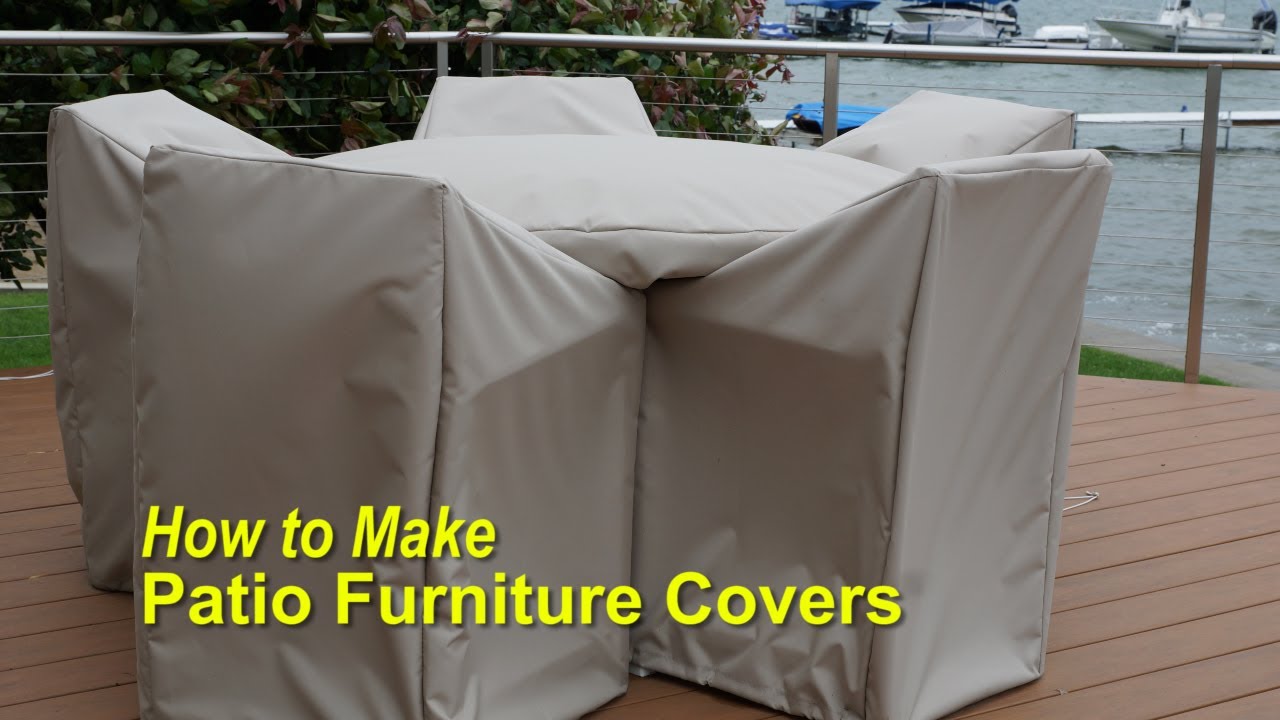
Straps and ties hold covers tightly around furniture. Many covers come with built-in straps for quick use. Wrap the straps under or around the furniture legs. Pull the straps tight to remove slack. Secure the ends with buckles or knots. Ties work well for smaller pieces or cushions. They keep covers stable in strong winds. Using straps and ties prevents covers from flapping or loosening.
Weighting Down Loose Edges
Loose edges catch wind and lift covers off furniture. Add weights to edges for a firm hold. Use heavy objects like bricks or stones. Place them carefully on the cover edges. Some covers have pockets to hold weights. Weights stop covers from moving and protect furniture better. This method works best on flat surfaces. It also helps keep dirt and leaves away.
Credit: www.youtube.com
Protecting Different Furniture Types
Outdoor furniture needs protection to last longer. Different materials require different care. Using the right cover helps keep furniture safe from rain, sun, dust, and dirt. Covers also prevent damage like rust, fading, and cracking. Choose covers based on the furniture type for the best results.
Wooden Sets
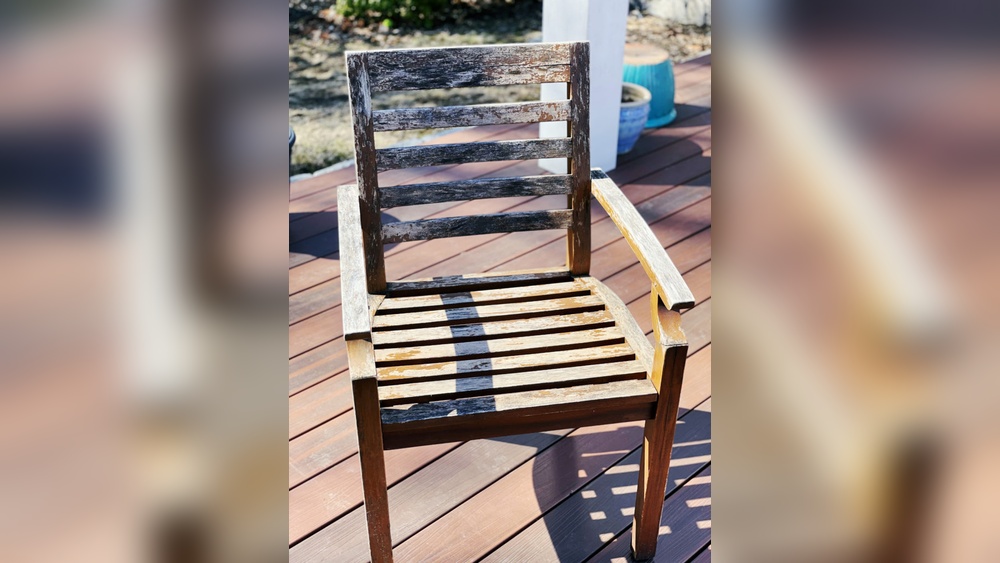
Wooden furniture needs breathable covers to avoid moisture build-up. Moisture can cause wood to warp or rot. Use covers made from cotton or polyester with air vents. Avoid plastic covers that trap water. Clean and dry wood before covering. Treat wood with sealant for extra protection.
Metal Furniture
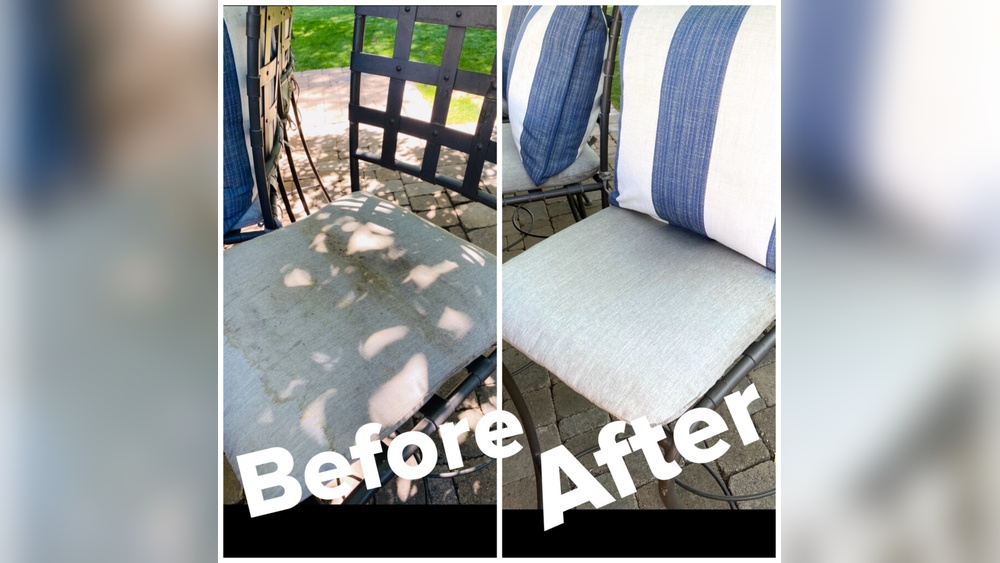
Metal furniture is prone to rust without proper covering. Use waterproof covers to keep rain away. Look for covers with soft lining to prevent scratches. Secure covers tightly to stop wind from lifting them. Remove covers periodically to check for rust spots. Clean and dry metal before covering.
Wicker And Rattan Pieces
Wicker and rattan need gentle covers that allow air flow. These materials can crack if exposed to too much moisture or sun. Choose lightweight, breathable covers. Avoid heavy plastic covers that trap heat. Regularly wipe down wicker or rattan before covering. Keep furniture in shaded areas for extra care.
Preventing Mold And Mildew
Mold and mildew damage outdoor furniture quickly. These fungi grow in damp, dark places. Covering furniture helps protect it from rain and dirt. But covers can trap moisture, causing mold and mildew inside.
Stopping mold needs good air flow and dry covers. Letting air move reduces dampness. Drying covers before use keeps mold away. These steps keep furniture clean and last longer.
Ventilation Tips
Choose covers with vents or breathable fabric. This lets air flow under the cover. Avoid plastic covers without holes. They trap moisture and make mold grow fast.
Lift covers slightly sometimes. Allow fresh air to reach furniture. Do this on dry, sunny days. Good ventilation stops damp and mold buildup.
Drying Covers Properly
Always dry covers before putting them back. Hang covers outside on warm, dry days. Avoid folding wet covers into storage. Moisture stays trapped and causes mildew.
Clean covers regularly to remove dirt and mold spores. Use mild soap and water. Let covers dry completely in the sun. Dry covers protect your furniture better.
Seasonal Covering Strategies
Changing seasons bring different challenges for outdoor furniture. Covering strategies must adapt to protect your furniture all year. Proper protection extends the life and looks of your pieces. Here are simple ways to cover furniture during winter and summer.
Winter Protection
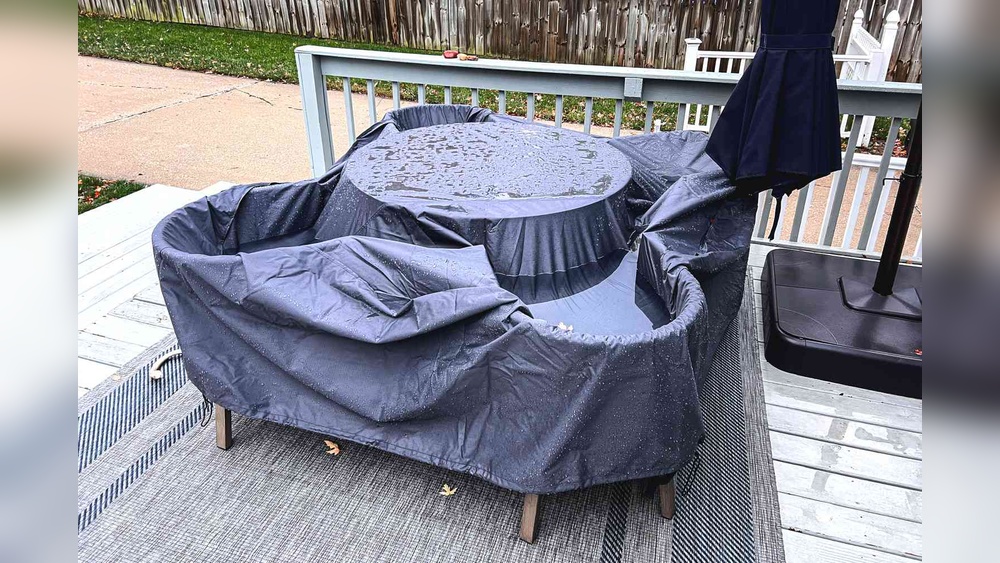
Winter weather is harsh on outdoor furniture. Snow, ice, and freezing temperatures can cause damage. Use thick, waterproof covers to keep moisture out. Secure covers tightly to prevent wind from blowing them away. Consider adding padding under covers for extra insulation. Store cushions indoors or in waterproof bins to avoid mold. Check covers regularly for tears or holes. Remove snow buildup gently to avoid strain on furniture.
Summer Shielding
Summer sun can fade and dry out furniture. Use lightweight, breathable covers to block UV rays. Choose covers that allow air flow to stop mold and mildew. Shade furniture when possible to reduce heat damage. Remove covers during dry, sunny days to prevent moisture buildup. Wash covers often to keep them clean and effective. Protect cushions with fabric protectors designed for outdoor use.
Maintenance Of Covers
Outdoor furniture covers protect your furniture from rain, sun, and dust. Proper maintenance keeps these covers effective for longer. Clean and store them well to avoid damage and dirt buildup. This helps you save money and keeps your furniture looking new.
Cleaning Techniques
Remove loose dirt by brushing the cover gently. Use a mild soap mixed with water for cleaning. Scrub the cover softly with a sponge or cloth. Rinse thoroughly with clean water to remove soap. Avoid using harsh chemicals that can damage the fabric. Let the cover dry completely before using or storing it.
Storage Tips
Store covers in a dry, cool place away from sunlight. Fold them neatly to avoid creases and tears. Use a breathable bag or container to keep dust out. Never store covers when they are wet or damp. Check covers regularly for mold or mildew. Proper storage extends the life of your outdoor furniture covers.

Credit: www.reddit.com
Frequently Asked Questions
What Materials Are Best For Outdoor Furniture Covers?
Durable fabrics like polyester and vinyl are best for outdoor furniture covers. They resist water, UV rays, and mildew, protecting your furniture effectively.
How Do I Choose The Right Size Cover For Furniture?
Measure your furniture’s height, width, and depth. Choose a cover slightly larger to ensure full coverage and easy fitting.
Can I Use Tarps To Cover Outdoor Furniture?
Yes, tarps can be used but are less breathable. Use waterproof tarps with secure fasteners to avoid moisture buildup and damage.
How Often Should Outdoor Furniture Covers Be Replaced?
Replace covers every 1-3 years depending on weather exposure and material quality. Regularly inspect for tears or mildew to maintain protection.
Conclusion
Choosing the right cover protects your outdoor furniture well. It keeps dirt, rain, and sun away. A good cover lasts long and saves money. Breathable materials stop mold and mildew from growing. Make sure the cover fits snugly and is easy to use.
Regularly check and clean the cover to keep furniture fresh. Protecting your furniture helps it look nice for years. Simple steps make a big difference outdoors. Keep your space ready for fun, no matter the weather.