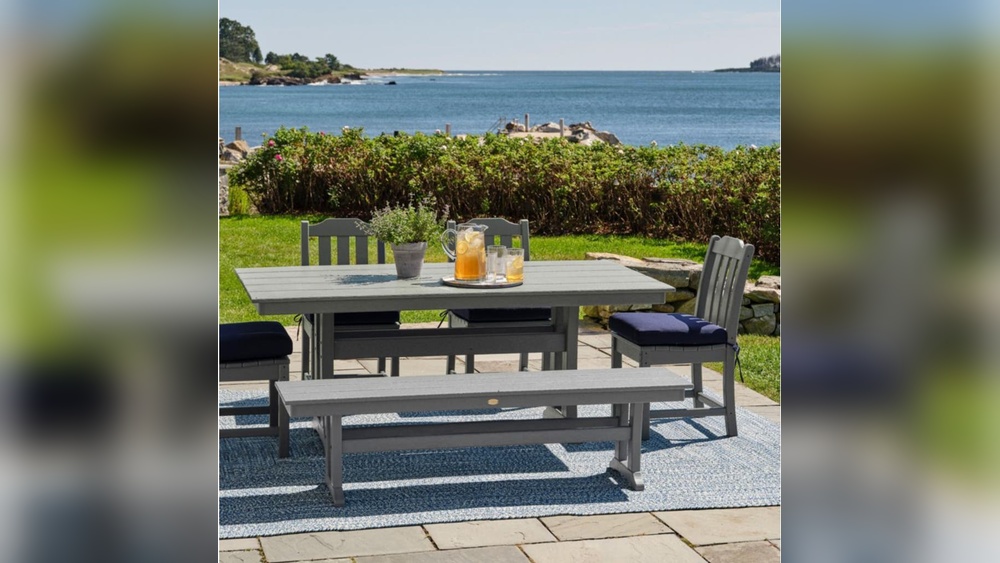
Is your outdoor furniture looking more like your dog’s personal chew toy? You’re not alone.
Watching your favorite patio set get shredded can be frustrating and expensive. But don’t worry—you can stop your dog from chewing on your outdoor furniture for good. You’ll discover simple, effective steps that protect your furniture and keep your furry friend happy.
Keep reading to find out how to bring peace back to your outdoor space.
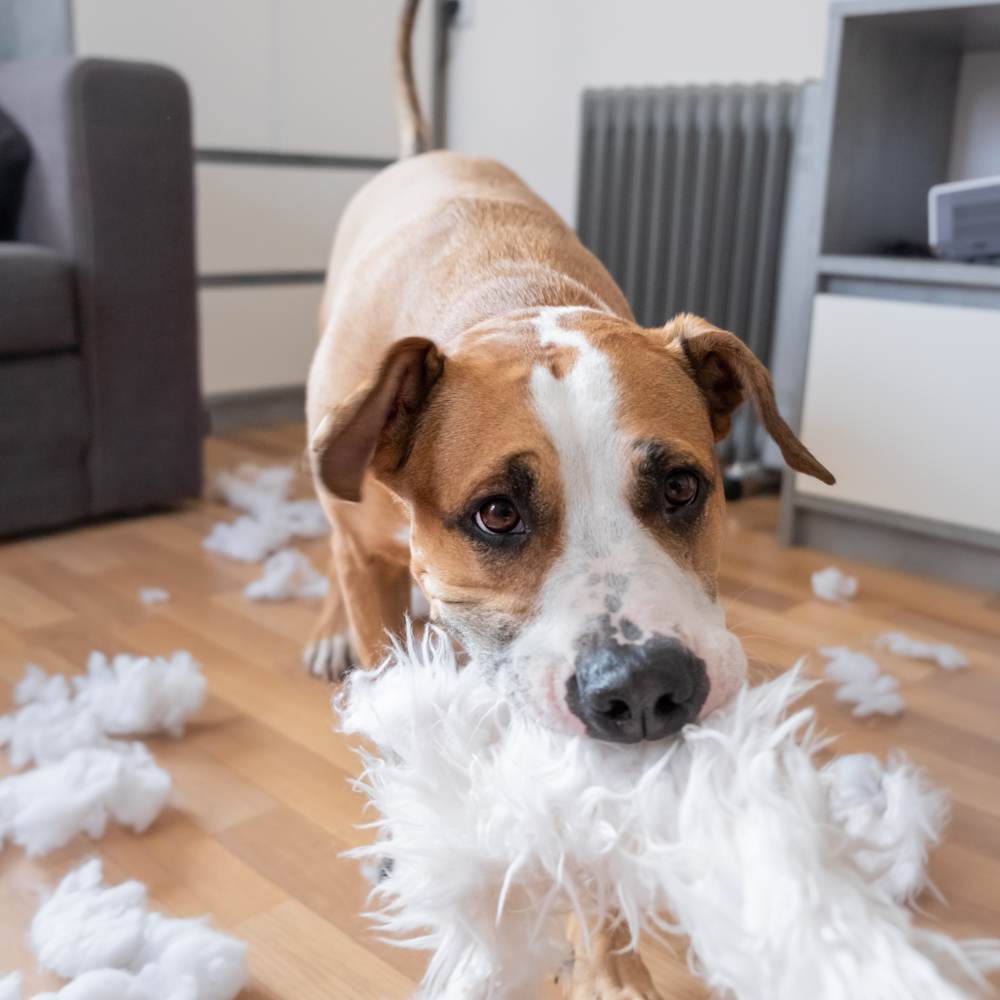
Credit: supertails.com
Reasons Dogs Chew Outdoor Furniture
Dogs chew outdoor furniture for several reasons. Understanding why helps you stop this behavior. Chewing is natural but can cause damage. Recognizing the cause lets you find the right solution. Below are common reasons dogs chew outdoor furniture.
Teething And Age Factors
Puppies chew more because of teething pain. Their gums hurt and chewing soothes them. Young dogs also explore the world with their mouths. Older dogs may chew less but still do it sometimes. Age affects how often dogs chew furniture outdoors.
Boredom And Anxiety
Dogs need exercise and mental activity daily. Without enough playtime, they feel bored. Bored dogs chew to pass time and stay busy. Anxiety can also cause chewing as a stress relief. Separation or loud noises can make dogs anxious outdoors.
Attraction To Furniture Materials
Certain furniture materials attract dogs to chew. Wood, plastic, and fabric have smells or textures dogs like. Some dogs enjoy the taste of treated wood or paint. Furniture that smells like food or other animals invites chewing. This attraction makes outdoor furniture a target for dogs.
Credit: www.barclondon.com
Identifying Your Dog’s Chewing Triggers
Understanding why your dog chews outdoor furniture is key to stopping the behavior. Dogs chew for many reasons. Some chew because they are bored. Others chew due to stress or excitement. Identifying these triggers helps you find the right solution. Watch your dog closely to see what causes the chewing. Here are some common triggers to check.
Environmental Stimuli
Outdoor sounds and sights can excite your dog. Birds, squirrels, or passing people may catch their attention. This excitement can lead to chewing as a way to cope. Bright lights or sudden noises might also trigger chewing. Your dog may react to these stimuli by chewing nearby furniture.
Separation Stress
Dogs often chew when left alone. This behavior shows they feel anxious or stressed. Separation from their owner causes this stress. Chewing helps them deal with feelings of loneliness. If your dog only chews when you leave, stress is likely the cause.
Lack Of Exercise
Dogs need regular physical activity to stay calm. Without enough exercise, they become restless. Restlessness often leads to destructive chewing. Outdoor furniture is easy to reach and chew. Make sure your dog gets daily walks and playtime. This reduces energy and chewing urges.
Preventive Measures For Furniture Protection
Preventing your dog from chewing outdoor furniture saves money and keeps your space neat. Taking steps early helps avoid damage. Simple actions protect your furniture and teach your dog good habits.
Use Of Deterrent Sprays
Deterrent sprays taste bad to dogs. Spraying these on furniture stops chewing. Choose sprays safe for pets and plants. Reapply after rain or cleaning. This discourages your dog without harm.
Physical Barriers And Covers
Barriers block access to furniture. Use fences or screens around your outdoor seating. Covers protect wood and fabric from bites. Barriers and covers create a clear no-go zone for your dog.
Providing Alternative Chew Toys
Offer toys made for chewing. Choose durable, safe options to keep your dog busy. Rotate toys to keep interest high. Chew toys satisfy your dog’s need to bite. This reduces attention on your furniture.
Training Techniques To Discourage Chewing
Training your dog to stop chewing outdoor furniture takes time and effort. The right techniques can help your dog learn what is okay to chew and what is not. Training focuses on teaching good habits and avoiding bad ones. Patience and consistency are key for success.
Positive Reinforcement Methods
Reward your dog when it behaves well around the furniture. Use treats, praise, or petting to show approval. This helps your dog connect good behavior with positive outcomes. Avoid punishment, as it can cause fear or confusion. Positive reinforcement builds trust and encourages your dog to repeat good actions.
Redirecting Chewing Behavior
Give your dog safe toys to chew instead of furniture. When you see chewing on furniture, gently move your dog to a toy. Praise your dog for choosing the toy. This teaches your dog what is okay to chew. Keep plenty of toys available outside to prevent boredom.
Consistency And Patience In Training
Keep training sessions short and regular. Everyone in the family must follow the same rules. Mixed messages confuse the dog and slow learning. Be patient; changes take time. Celebrate small improvements to keep motivation high. Consistency helps your dog understand and remember the rules.
Enhancing Your Dog’s Outdoor Environment
Enhancing your dog’s outdoor environment helps stop chewing on furniture. Dogs need more than just space. They need activities and comfort to keep their minds busy. A happy dog chews less and enjoys the yard more.
Creating a fun and safe outdoor area makes a big difference. It keeps your dog active and less bored. Let’s explore key ways to improve your dog’s outdoor space.
Regular Exercise And Playtime
Exercise helps your dog burn off energy. A tired dog chews less and behaves better. Walks, runs, and fetch games are great options. Playtime strengthens your bond and keeps your dog healthy.
Set a daily routine for exercise. Consistent activity reduces stress and boredom. Use toys that encourage movement. This stops your dog from focusing on furniture.
Mental Stimulation Activities
Dogs need mental challenges to stay sharp. Puzzle toys and treat games work well. Hide treats around the yard for your dog to find. This keeps their mind busy and happy.
Training sessions outside also help. Teach new commands or tricks regularly. Mental tasks reduce chewing caused by boredom or anxiety.
Safe And Engaging Outdoor Spaces
Create a secure and inviting outdoor area. Use fencing to keep your dog safe. Add shaded spots for rest during hot days. Comfortable spaces encourage your dog to relax outside.
Provide chew toys and safe objects to explore. Rotate toys often to keep interest high. Avoid leaving tempting furniture within reach. A well-planned space guides your dog’s behavior positively.
When To Seek Professional Help
Knowing when to seek professional help is important for your dog’s chewing problem. Sometimes, chewing is more than just a habit. It might signal deeper issues that need expert care. Early help can stop damage and stress for you and your dog.
Behavioral Issues Beyond Chewing
Chewing can be a sign of anxiety or boredom. Dogs may chew to release stress or frustration. Some dogs chew due to separation anxiety or lack of mental stimulation. If your dog chews nonstop or destroys many items, it may show bigger problems. These behaviors need special attention and training.
Consulting A Veterinarian Or Trainer
A vet can check if health issues cause chewing. Pain or discomfort sometimes makes dogs chew more. A professional trainer can teach your dog better habits. Trainers use positive methods to change unwanted behavior. They also guide owners on how to manage chewing safely. Seeking experts saves time and helps your dog live happily.

Credit: www.reddit.com
Frequently Asked Questions
Why Is My Dog Chewing Outdoor Furniture?
Dogs chew outdoor furniture to relieve boredom, anxiety, or teething discomfort. It’s a natural behavior but can cause damage. Understanding the reason helps in applying the right training or providing appropriate chew toys to redirect their attention.
How Can I Prevent My Dog From Chewing Furniture?
Prevent chewing by offering durable chew toys and regular exercise. Use deterrent sprays on furniture and supervise your dog outdoors. Training commands like “leave it” also help discourage this behavior effectively over time.
What Types Of Chew Toys Work Best For Dogs?
Durable rubber or nylon chew toys are ideal for dogs. They satisfy chewing urges and reduce boredom. Choose toys suitable for your dog’s size and chewing strength to ensure safety and long-lasting use.
Are There Safe Sprays To Stop Furniture Chewing?
Yes, bitter apple or citrus sprays are safe and effective. These sprays taste unpleasant to dogs, discouraging chewing. Always test sprays on a small furniture area first to prevent damage.
Conclusion
Stopping your dog from chewing outdoor furniture takes patience and care. Offer plenty of toys and attention to keep them busy. Use safe sprays or covers to protect your furniture. Teach your dog what is okay to chew. Watch their behavior and reward good habits.
Small steps lead to big changes over time. Enjoy your outdoor space without worry or damage. Your dog will thank you with better behavior and happiness. Keep trying, and success will come soon.