Are you thinking about adding new furniture to your outdoor space? Choosing the right wood can make all the difference in how long your furniture lasts and how good it looks.
Cedar is a popular choice, but is it really the best option for your outdoor furniture? You’ll discover why cedar might be the perfect fit for your patio or garden. Keep reading to find out if cedar meets your needs for durability, beauty, and comfort.

Credit: www.woodcountry.com
Cedar Wood Characteristics
Cedar wood resists decay and insects, making it strong for outdoor use. Its natural oils help protect furniture from weather damage. This wood stays stable, preventing warping and cracking over time.
Types Of Cedar
Cedar wood comes in several types, each with unique features. Western Red Cedar is popular for outdoor use. It has a rich reddish color and is lightweight. Eastern White Cedar is lighter in color and very durable. Alaskan Yellow Cedar is strong and resists decay well. Choosing the right type affects the furniture’s look and life.
Natural Oils And Aroma
Cedar contains natural oils that protect it from insects and rot. These oils keep the wood durable outdoors without many chemicals. The wood smells fresh and pleasant. This aroma can help keep bugs away. Over time, the scent fades but the protection remains strong.
Grain And Texture
Cedar has a smooth texture that feels nice to touch. Its grain is straight and even, creating a neat appearance. The wood is easy to work with, allowing for clean cuts and smooth finishes. This makes cedar perfect for crafting outdoor furniture. Its texture also helps it age well under outdoor conditions.
Credit: reneerenovates.com
Durability Factors
Cedar is a popular choice for outdoor furniture. Its durability plays a key role in this. This section explains the main durability factors of cedar wood. These factors help cedar last long outside. They protect the wood from natural damage.
Resistance To Rot And Decay
Cedar naturally resists rot and decay. It contains oils that prevent fungi growth. This helps cedar stay strong in wet weather. Wood that resists rot lasts much longer outdoors. This makes cedar a smart choice for outdoor use.
Insect Repellent Qualities
Cedar has a smell that insects dislike. This natural scent keeps bugs away from the wood. Insects like termites and ants avoid cedar. This lowers the chance of wood damage. Furniture made of cedar stays safe from pests.
Weather Resistance
Cedar handles different weather conditions well. It resists cracking and warping in sun and rain. The wood stays stable in cold and heat. This makes cedar reliable for outdoor furniture. It keeps its shape and beauty for years.
Maintenance Needs
Cedar is a popular choice for outdoor furniture because it resists weather well. Still, it needs some care to keep its beauty and strength. Understanding the maintenance needs helps your furniture last longer. Simple steps can protect cedar from damage and wear.
Cleaning And Care Tips
Clean cedar furniture regularly to remove dirt and dust. Use a soft brush or cloth with mild soap and water. Avoid harsh chemicals that can damage the wood. Rinse thoroughly and let it dry in the sun. Check for mold or mildew and clean them quickly.
Sealing And Finishing
Sealing cedar helps protect it from moisture and sun damage. Use a clear wood sealer or finish made for outdoor use. Apply the sealer every one or two years. Sand the surface lightly before applying to remove rough spots. This keeps the wood smooth and helps the finish stick better.
Lifespan With Proper Maintenance
With proper care, cedar furniture can last 10 to 15 years or more. Regular cleaning and sealing prevent cracks and warping. Neglecting maintenance can cause the wood to weaken faster. Taking simple steps extends the life of your outdoor furniture. Enjoy beautiful cedar pieces for many seasons.

Credit: www.cedarwoodfurniture.com
Comparing Cedar To Other Woods
Choosing the right wood for outdoor furniture matters a lot. Different woods offer different looks and last for different times. Cedar is popular, but how does it compare to other woods used outdoors? Let’s explore how cedar stacks up against teak, redwood, and pressure-treated lumber. This helps you pick the best wood for your garden or patio.
Cedar Vs Teak
Cedar is lighter and softer than teak. It has a fresh, natural smell that many like. Cedar resists insects well but is less dense than teak. Teak is very strong and oily, which helps it resist water. Teak can last longer outside without much care. Cedar needs regular sealing to stay protected. Teak costs more but requires less maintenance. Cedar offers good value and a warm look.
Cedar Vs Redwood
Cedar and redwood both have natural resistance to rot and insects. Redwood is darker and has a richer color than cedar’s light reddish tone. Cedar is lighter and easier to work with. Redwood tends to be more stable and less prone to warping. Both woods age beautifully, turning silver-gray over time. Redwood is usually more expensive than cedar. Both woods need protection from moisture to last long.
Cedar Vs Pressure-treated Lumber
Cedar is natural and chemical-free, making it safer for people and pets. Pressure-treated lumber contains chemicals to resist decay and insects. It is usually heavier and stronger than cedar. Pressure-treated wood can last longer in wet conditions. Cedar has better natural beauty and aroma. Pressure-treated lumber may need painting or staining to look good. Cedar offers a classic, warm look without chemicals.
Design And Aesthetic Appeal
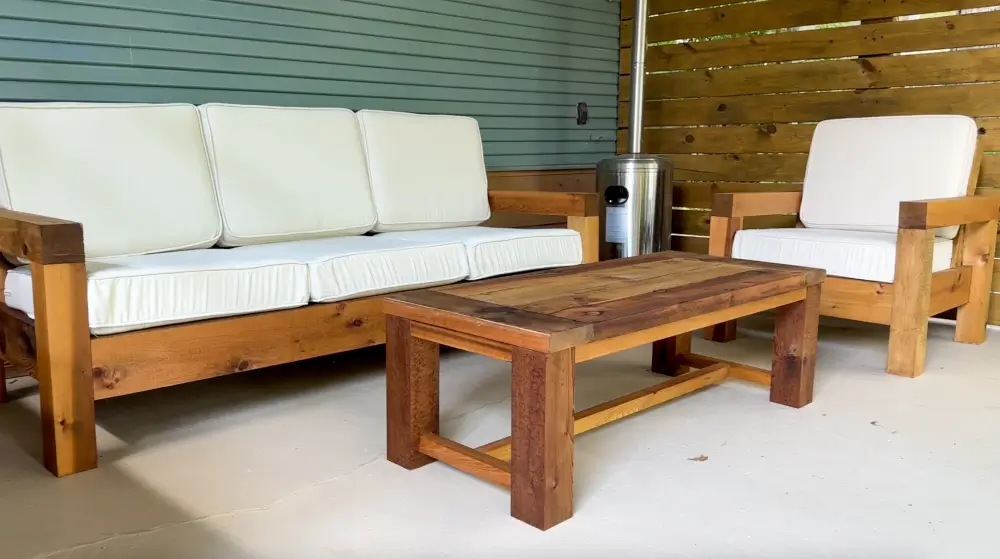
Cedar wood is popular for outdoor furniture because of its unique design and look. It brings a warm, natural feel to any outdoor space. The wood’s texture and grain add character to garden chairs, tables, and benches. Its natural beauty fits many outdoor styles.
Color Variations
Cedar wood shows a range of colors. It can be light tan, reddish-brown, or even a soft pink. These natural colors make each piece of furniture special. The variety in hues gives a lively and rich appearance. This helps create a cozy and inviting outdoor area.
Aging And Weathering Effects
Over time, cedar changes color when exposed to sun and rain. It slowly turns into a silver-gray shade. This weathering adds a rustic charm to the furniture. Many people like the aged look because it feels natural and timeless. The wood ages gracefully without losing strength.
Style Compatibility
Cedar furniture matches many outdoor styles. It works well with modern, rustic, or classic garden designs. The wood’s smooth finish and warm color suit simple or detailed furniture shapes. Cedar blends easily with plants, stone, and metal decorations. It helps create a balanced and beautiful outdoor space.
Cost Considerations
Cost plays a big role in choosing wood for outdoor furniture. Cedar is a popular choice, but understanding its cost helps you decide better. This section covers the price of cedar, its value over time, and how easy it is to find.
Initial Investment
Cedar furniture usually costs more than pine or fir. The wood is soft, easy to work with, and has natural oils that protect it. This raises the price a bit at the start. Buying cedar means paying for quality and durability upfront.
Long-term Value
Cedar lasts long outdoors without much damage. It resists rot, insects, and warping. This means you spend less on repairs or replacements. Over time, cedar saves money by keeping furniture in good shape for years.
Availability And Sourcing
Cedar is widely available in most areas. You can find it in home stores and lumber yards. Some types, like Western Red Cedar, may cost more due to shipping. Always check local sources to avoid extra costs.
Environmental Impact
Cedar wood resists decay and insects, reducing the need for harmful chemicals outdoors. It comes from renewable sources, making it eco-friendly for furniture use. Choosing cedar helps protect the environment while providing durable outdoor seating.
Sustainability Of Cedar
Cedar wood is known for its natural durability and resistance to decay. It grows relatively fast compared to other hardwoods. This means cedar trees can be harvested and regrown quickly. Many cedar forests are managed to maintain a steady supply without harming the ecosystem. This careful management helps keep cedar a renewable resource. Choosing cedar furniture supports forest health and reduces pressure on old-growth trees.
Eco-friendly Practices
Harvesting cedar involves less chemical treatment than other woods. Cedar’s natural oils protect it from insects and rot. This reduces the need for harmful preservatives or stains. Manufacturers often use low-impact methods to cut and shape cedar. These practices lower energy use and pollution. Buying cedar made with eco-friendly methods helps reduce environmental harm. It supports cleaner air and water around production sites.
Recycling And Disposal
Cedar wood is biodegradable and breaks down naturally in the environment. Old cedar furniture can be repurposed or recycled into mulch or wood chips. Avoiding landfill disposal cuts down on waste. Burning cedar wood releases less toxic smoke than treated woods. This makes cedar safer for disposal by burning in controlled settings. Recycling and proper disposal of cedar help lower its overall environmental footprint.
Frequently Asked Questions
Is Cedar Wood Durable For Outdoor Furniture?
Cedar wood is naturally durable and resistant to decay. It withstands moisture, insects, and harsh weather well. This makes it ideal for outdoor furniture that lasts long with minimal maintenance.
Does Cedar Require Special Maintenance Outdoors?
Cedar needs occasional cleaning and sealing to maintain its appearance. Applying a protective finish prevents weather damage. Regular maintenance keeps cedar furniture looking fresh and extends its lifespan outdoors.
How Does Cedar Compare To Other Outdoor Woods?
Cedar is lighter and more resistant to rot than many hardwoods. It offers a pleasant aroma and natural insect repellence. Compared to pine or oak, cedar requires less upkeep for outdoor use.
Can Cedar Wood Withstand Extreme Weather Conditions?
Yes, cedar handles extreme weather like rain, snow, and sun exposure well. Its natural oils protect against moisture absorption and cracking. Proper finishing further enhances cedar’s weather resistance for outdoor furniture.
Conclusion
Cedar wood works well for outdoor furniture. It resists rot and insects naturally. Cedar stays strong in different weather conditions. The wood smells nice and looks warm. It needs some care to last longer. A simple oil finish helps protect it.
Cedar furniture feels light and easy to move. This wood offers good value for outdoor use. Choose cedar if you want durable, beautiful furniture. It blends well in gardens and patios. Overall, cedar is a smart choice for outdoor furniture.