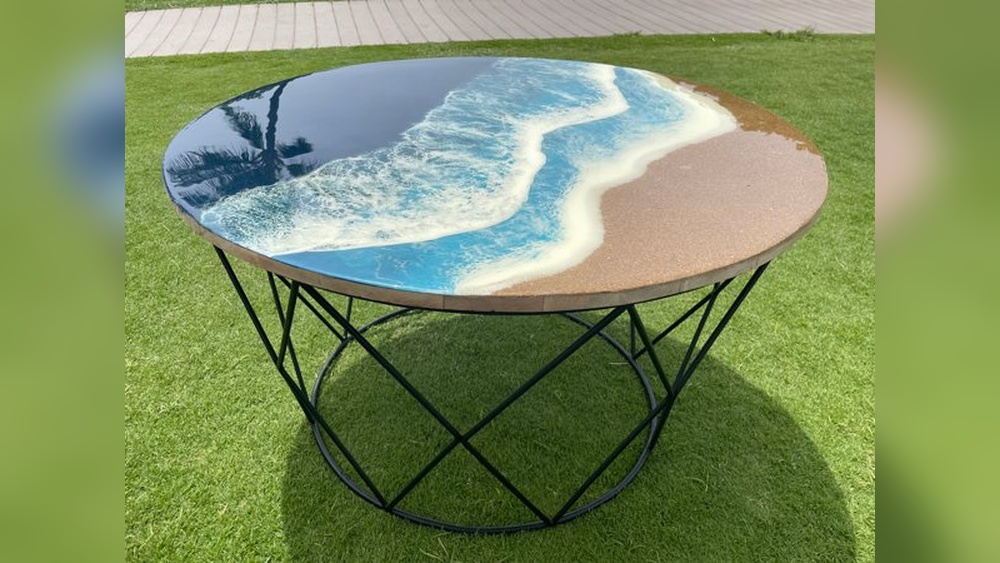
Is your wooden outdoor furniture looking dull or spotted with unsightly mould? You’re not alone.
Mould can sneak in quickly, especially when your furniture faces rain and humidity. But don’t worry—cleaning it off is easier than you think. You’ll discover simple, effective ways to restore your wooden furniture to its natural beauty. Keep reading, and you’ll learn how to protect your investment and enjoy your outdoor space without worrying about mould.
Causes Of Mould On Wood
Mould grows easily on wooden outdoor furniture. It happens because wood holds moisture and organic material. Understanding the causes helps to prevent mould and keep furniture clean.
Moisture And Humidity
Wood absorbs water from rain and dew. High humidity keeps the wood damp for a long time. Damp wood creates a perfect place for mould to grow. Moisture trapped inside wood fibers feeds the mould spores.
Lack Of Sunlight
Sunlight dries out wood quickly. Shade or covered areas block sunlight. Without sunlight, wood stays wet longer. Mould thrives in dark and damp conditions. Lack of sunlight increases mould growth risk.
Organic Debris
Leaves, dirt, and pollen collect on furniture. These materials hold moisture and provide food for mould. Organic debris creates a layer that traps water. This keeps wood damp and promotes mould growth.

Credit: www.lazysusanfurniture.co.uk
Safety Precautions
Cleaning mould from wooden outdoor furniture needs care and safety. Mould can cause health problems. Taking the right safety steps protects your skin, eyes, and lungs. Prepare well to keep safe during the cleaning process.
Wear Protective Gear
Always wear gloves to protect your hands from mould and cleaning chemicals. Use safety goggles to shield your eyes from splashes. A mask helps avoid breathing in mould spores. Long sleeves and pants reduce skin contact with mould.
Work In A Ventilated Area
Clean your furniture outside or in a place with fresh air. Good airflow lowers mould spore concentration in the air. Avoid working in closed rooms to stop breathing in spores. Open windows and doors if you clean indoors.
Gathering Cleaning Supplies
Cleaning mould off wooden outdoor furniture starts with gathering the right supplies. Using proper products and tools makes the job easier and safer. Preparing in advance saves time and protects the wood from damage.
Recommended Cleaning Solutions
Choose cleaning solutions that remove mould without harming wood. A mix of mild soap and water works well for light mould. For tougher spots, use a solution of white vinegar and water. Vinegar kills mould and is safe for most wood types. Avoid bleach, as it can weaken wood fibers and change the color.
Tools You’ll Need
Gather soft brushes or sponges to scrub the mould gently. A bucket helps mix and carry your cleaning solution. Use a spray bottle for easy application on small areas. Have clean cloths or towels ready to wipe excess moisture. Gloves protect your hands from mould and cleaning liquids. A garden hose or a watering can will rinse off the cleaning solution after scrubbing.

Credit: belleze.com
Step-by-step Cleaning Process
Cleaning mould off wooden outdoor furniture is simple with the right steps. Follow this guide to restore your furniture safely and effectively. Each step helps remove mould without harming the wood.
Remove Loose Dirt And Debris
Start by brushing off dirt and leaves from the furniture. Use a soft brush or cloth to avoid scratches. Clear away all loose materials to reach the mould below. This step prepares the surface for deep cleaning.
Apply Cleaning Solution
Mix a gentle cleaning solution using water and mild soap or vinegar. Apply it evenly on mouldy areas with a spray bottle or sponge. Let the solution sit for 10 minutes. This helps break down the mould for easy removal.
Scrub The Surface
Use a soft-bristle brush to scrub the wood gently. Work in circular motions to lift the mould from the grain. Avoid harsh scrubbing to protect the wood surface. Focus on affected spots until the mould fades.
Rinse And Dry
Rinse the furniture with clean water using a hose or bucket. Remove all soap and mould residues completely. Wipe excess water with a dry cloth. Allow the furniture to air dry fully in the sun. This prevents mould from returning.
Dealing With Stubborn Mould
Stubborn mould on wooden outdoor furniture needs special care. It does not come off easily with simple cleaning. The wood may absorb mould, making removal harder. Stronger methods work best to clear it completely. Protect your furniture and keep it looking fresh.
Using Vinegar Or Baking Soda
Vinegar kills mould without harming wood. Spray white vinegar on the mould spots. Let it sit for an hour. Then scrub gently with a soft brush. Baking soda also works well. Make a paste with water and baking soda. Apply it to the mould and scrub carefully. These natural cleaners are safe and effective.
Applying Commercial Cleaners
Commercial mould cleaners remove tough stains fast. Choose a cleaner made for wood surfaces. Follow the instructions on the label closely. Wear gloves to protect your skin. Apply the cleaner and wait a few minutes. Scrub the mould with a brush. Rinse thoroughly with water to remove residue. Always test on a small area first to avoid damage.
Preventing Future Mould Growth
Preventing mould on wooden outdoor furniture is key to keeping it safe and looking good. Mould grows fast in damp, shaded places. Stopping it before it starts saves time and effort. Simple steps help protect your furniture all year.
Regular Cleaning Routine
Clean your furniture often to stop mould spores from settling. Use a soft brush or cloth with mild soap and water. Rinse well and let it dry completely in the sun. Clean at least once a month during wet seasons. This keeps dirt and moisture from building up.
Proper Storage Tips
Store wooden furniture in a dry, ventilated area when not in use. Avoid placing it directly on wet ground. Use furniture covers that allow air flow but keep rain out. If possible, move furniture inside during heavy rain or winter. Good storage reduces dampness and mould growth.
Applying Protective Finishes
Use a water-resistant sealant or wood oil to protect the wood. Apply it evenly and let it dry fully before using the furniture. Reapply every year or after heavy rain. Protective finishes stop moisture from soaking into the wood. This lowers the chance of mould forming.
When To Seek Professional Help
Mould on wooden outdoor furniture can sometimes be tough to remove. Some cases need more than just household cleaning. Knowing when to call a professional saves time and protects your furniture from damage.
Professionals have special tools and products. They can clean mould deeply and safely. They also spot problems that are easy to miss. This helps keep your furniture strong and looking good.
Signs Of Deep Or Widespread Mould
Large patches of mould covering most of the furniture need expert care. Deep mould can hide inside the wood. Cleaning only the surface will not fix the problem. Professionals remove mould from all areas.
Wood Damage Or Rot
Soft, crumbling, or discolored wood shows damage. Mould can cause or worsen wood rot. Experts assess the damage and suggest repairs. They can treat the wood to stop further decay.
Health Concerns
Mould can cause allergies or breathing problems. If you or family members feel sick near the furniture, avoid cleaning it yourself. Professionals use safe methods to handle mould without health risks.
Failed Diy Cleaning Attempts
Trying to clean mould without success indicates a tough problem. Some mould types resist home treatments. Experts have stronger solutions and know how to use them safely.
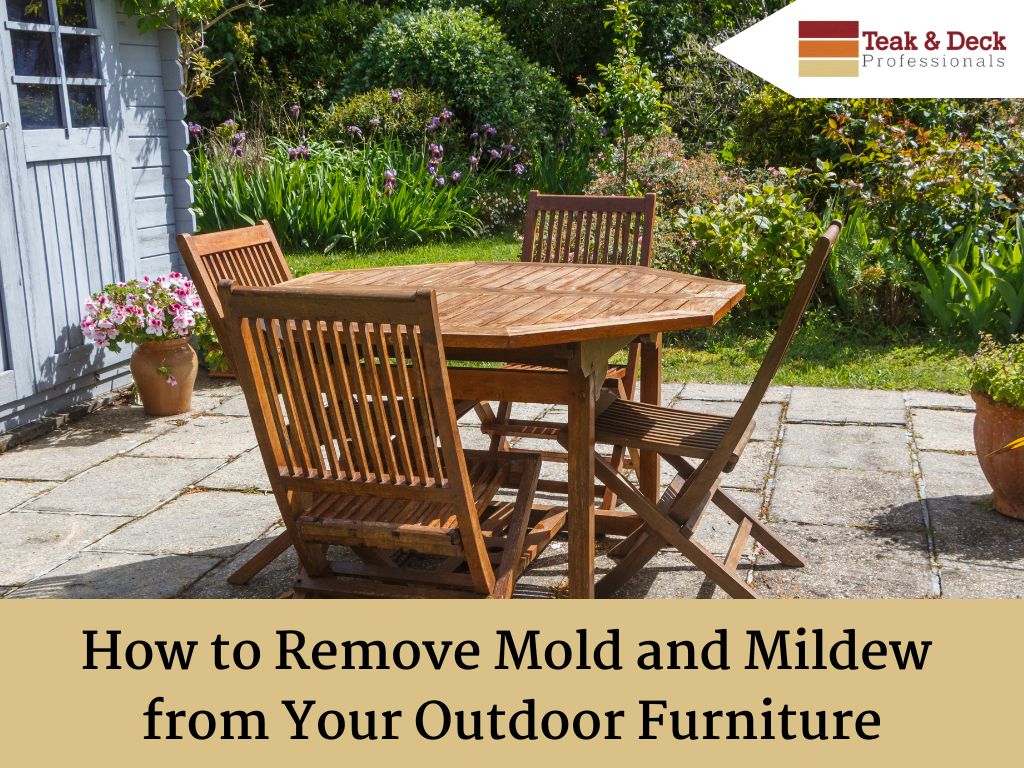
Credit: teakanddeck.com
Frequently Asked Questions
How Do I Remove Mould From Wooden Outdoor Furniture?
To remove mould, mix water and mild detergent. Scrub the wood gently with a soft brush. Rinse with clean water and let it dry completely in sunlight. Avoid harsh chemicals to protect the wood’s finish.
What Natural Solutions Work For Mould On Wood?
White vinegar and baking soda are effective natural cleaners. Spray vinegar on mouldy areas, let it sit for an hour, then scrub. Baking soda paste can also be applied and rinsed off for mould removal.
Can I Use Bleach To Clean Mould On Wood?
Bleach can remove mould but may damage wood and harm the environment. Use diluted bleach cautiously on sealed wood and rinse thoroughly. Prefer gentler cleaners for better wood preservation.
How To Prevent Mould On Outdoor Wooden Furniture?
Keep furniture dry by covering it or moving it indoors during rain. Clean regularly to remove dirt and debris. Apply a water-resistant sealant annually to protect wood from moisture and mould growth.
Conclusion
Cleaning mould off wooden outdoor furniture keeps it safe and nice. Use gentle scrubbing with soap and water for best results. Avoid harsh chemicals that can harm the wood. Dry the furniture well to stop mould from coming back. Regular cleaning helps the furniture last longer.
A clean outdoor space feels fresh and inviting. Keep your wood furniture mould-free with simple care steps. Enjoy your outdoor area without worrying about mould damage.