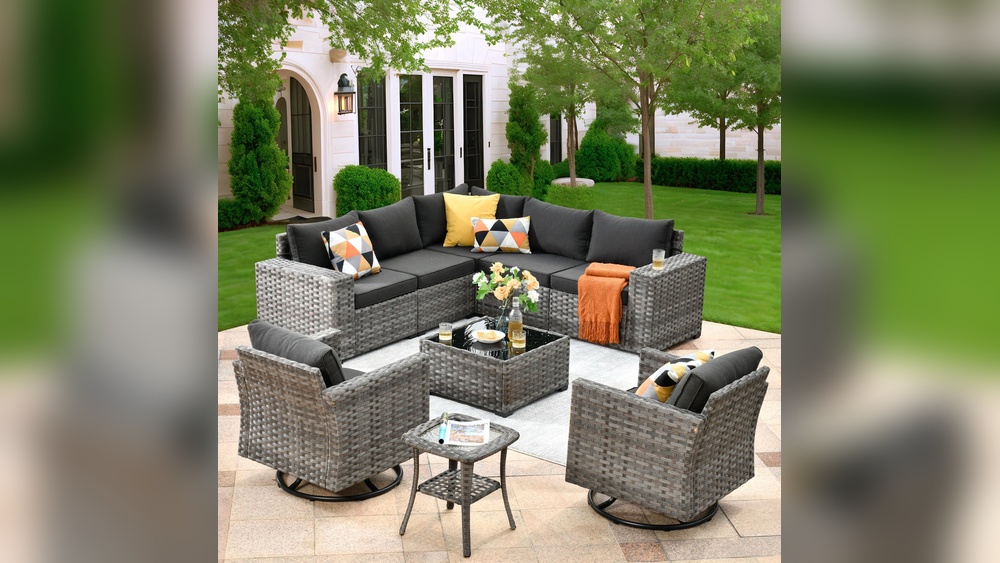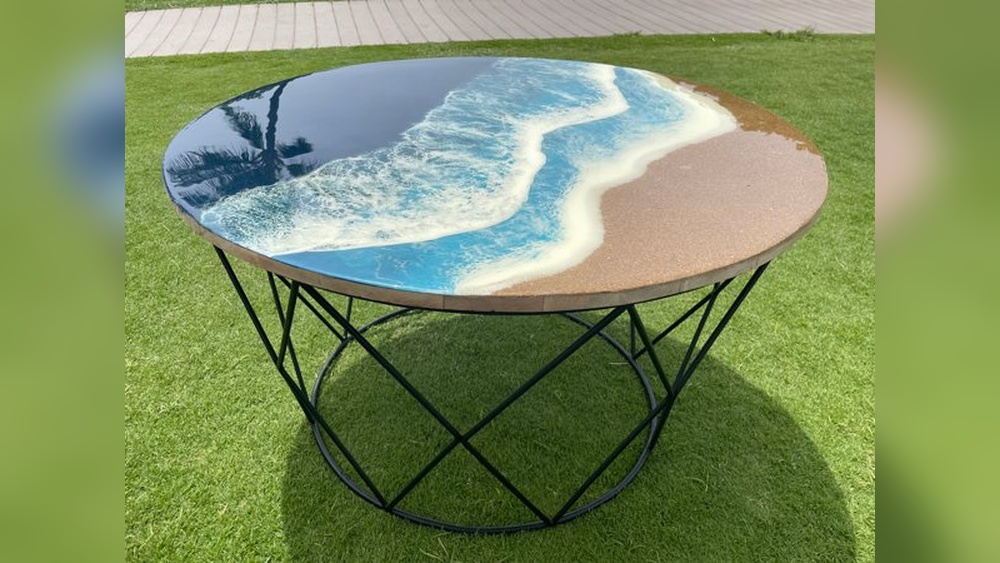
You’ve invested in outdoor furniture to create a cozy and inviting space. But how long should you expect it to last?
Knowing the lifespan of your furniture helps you plan your budget and avoid unexpected replacements. Imagine relaxing on a worn-out chair or a table that’s lost its charm—frustrating, right? You’ll discover what factors affect the durability of outdoor furniture and how to make your pieces last longer.
Keep reading to protect your investment and enjoy your outdoor space for years to come.
Credit: repurposeandupcycle.com
Factors Affecting Outdoor Furniture Lifespan
Outdoor furniture lifespan depends on many factors. These factors affect how long furniture stays strong and attractive. Understanding these can help you choose the best pieces for your space. It can also help you care for your furniture properly. This section explains the main elements that impact outdoor furniture durability.
Material Types And Durability
Different materials last different lengths of time. Wood furniture can last many years but needs regular care. Metal furniture is usually strong but can rust if not treated. Plastic furniture resists water but may crack in the sun. Wicker furniture offers style but can fade or break under harsh weather. Choosing the right material is key for long-lasting outdoor furniture.
Climate And Weather Impact
Weather plays a big role in furniture life. Sun can cause colors to fade and materials to dry out. Rain and snow add moisture that may cause rust or rot. Wind can knock over or damage lightweight pieces. High humidity encourages mold and mildew growth. Knowing your local climate helps select furniture that can handle it well.
Maintenance And Care
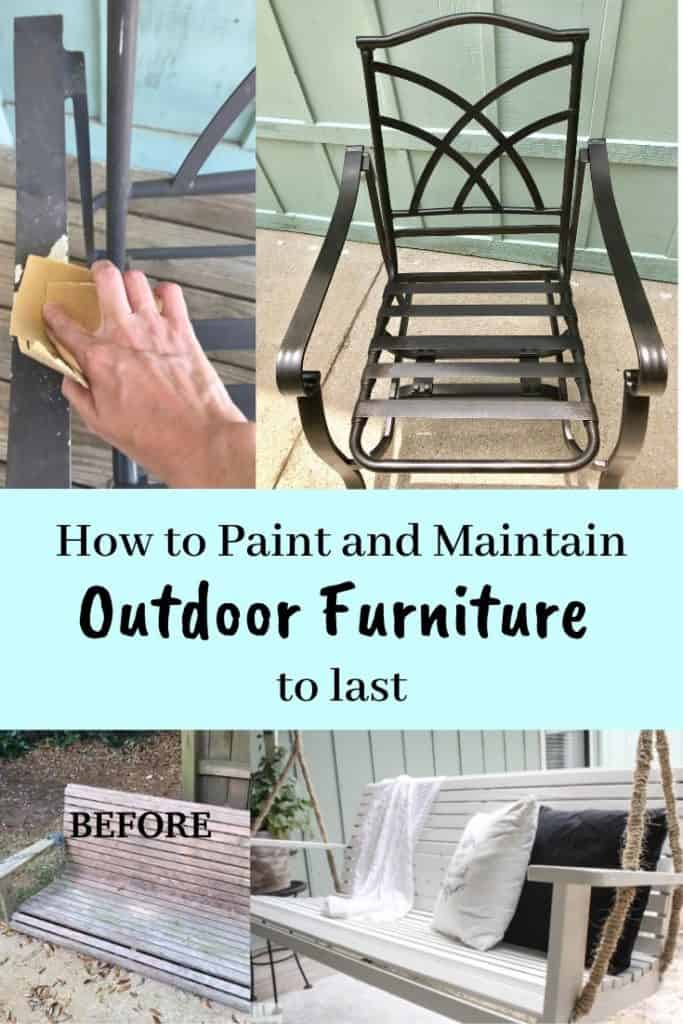
Proper care extends outdoor furniture life. Cleaning dirt and debris regularly prevents damage. Applying protective coatings shields materials from sun and water. Storing furniture indoors or covering it during bad weather helps a lot. Fixing small issues early stops bigger problems. Good maintenance keeps furniture looking good longer and saves money.
Lifespan Of Common Outdoor Furniture Materials
Outdoor furniture faces sun, rain, wind, and dirt daily. These elements affect how long different materials last. Choosing the right material helps you enjoy your furniture longer. Each material has its own lifespan and care needs.
Wood Furniture Durability
Wood furniture can last many years. Hardwoods like teak and cedar resist decay well. Softwoods need more protection from moisture. Regular sealing or oiling extends wood’s life. Without care, wood may crack or warp in a few years.
Metal Furniture Longevity
Metal furniture is strong and lasts long. Aluminum resists rust and is lightweight. Steel furniture is sturdy but can rust. Powder coating protects metal surfaces from damage. Proper cleaning keeps metal furniture looking new for 10 to 20 years.
Plastic And Resin Furniture Lifespan
Plastic and resin furniture resists moisture and insects. It does not rust or rot. These materials can fade or crack in strong sun. Good quality plastic furniture lasts about 5 to 10 years. UV protection extends its lifespan significantly.
Wicker And Rattan Furniture Expectancy
Natural wicker and rattan look beautiful but wear fast outside. They last 1 to 3 years outdoors. Synthetic wicker lasts longer, up to 10 years. Avoid leaving wicker furniture in direct rain or sun. Cover or store it during bad weather.
Fabric And Cushion Durability
Outdoor fabrics face sun, rain, and dirt daily. Fabrics made for outdoors last 3 to 5 years. Look for water-resistant and UV-protected cushions. Regular cleaning prevents mold and fading. Store cushions indoors to extend their life.
Signs Your Outdoor Furniture Needs Replacement
Outdoor furniture faces sun, rain, wind, and dirt every day. Over time, these elements wear it down. Knowing when to replace your furniture keeps your space safe and cozy. Some signs show your set has reached its limit.
Structural Damage And Weakness
Look closely at the frame and joints. Cracks, splits, or wobbling mean it is weak. Rust on metal parts can cause breaks. Wood that feels soft or spongy is rotting inside. These issues risk your safety. Repair may not last long, so replacement is best.
Fading And Discoloration
Sun fades colors on fabrics and surfaces. When cushions lose their brightness, they look old and worn. Wood can turn gray and lose its shine. Plastic may become brittle and chalky. Faded furniture spoils the look of your outdoor space. New pieces bring fresh color and style.
Comfort And Usability Decline
Comfort matters most in outdoor seating. Cushions that are flat or lumpy lose support. Broken springs or missing padding hurt sitting. Tables with uneven legs or rough tops make use hard. When furniture no longer feels good or works well, it is time for a change.
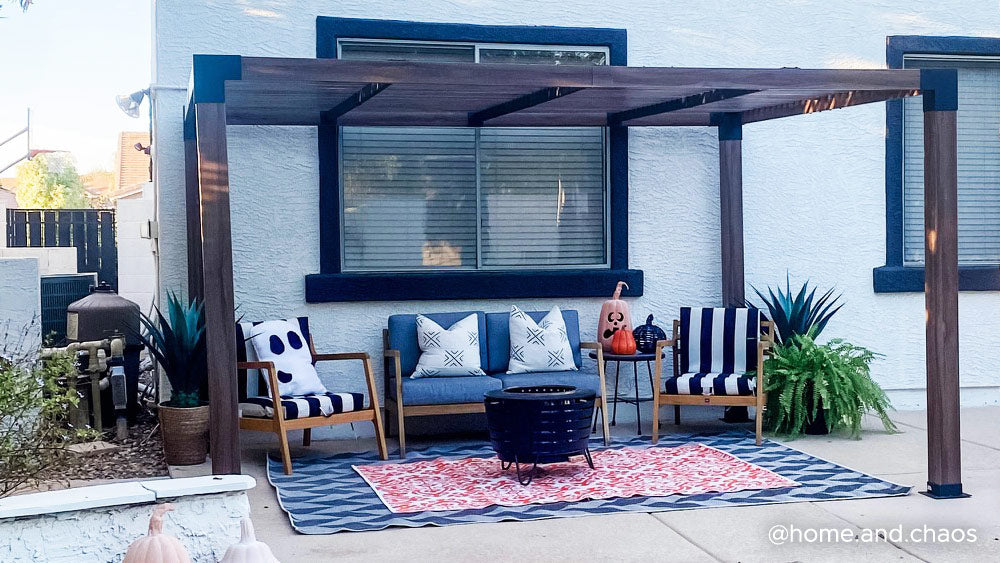
Credit: sunjoyshop.ca
Tips To Extend Outdoor Furniture Life
Outdoor furniture faces sun, rain, dust, and dirt every day. These elements can damage the furniture and reduce its life. Simple care steps can keep your furniture looking good and lasting longer. Follow these tips to protect your investment and enjoy your outdoor space.
Regular Cleaning Practices
Clean your outdoor furniture often. Use mild soap and water to remove dirt and grime. Avoid harsh chemicals that can damage surfaces. Rinse well and dry with a soft cloth. Clean cushions separately and dry them fully. This prevents mold and fading.
Protective Treatments And Covers
Apply protective treatments to wood, metal, or plastic furniture. Use sealants or oils designed for your furniture type. These treatments block moisture and sun damage. Cover furniture when not in use. Choose covers that fit well and allow air flow. Covers keep dust and rain away.
Proper Storage Solutions
Store furniture indoors during harsh weather or winter months. If indoor storage is not possible, use a dry, sheltered area. Stack chairs carefully to avoid scratches. Remove cushions and store them in a dry place. Proper storage prevents warping, rust, and mold growth.
Choosing Long-lasting Outdoor Furniture
Choosing long-lasting outdoor furniture means thinking about what will stand up to sun, rain, and wind. Good furniture lasts many years without losing its look or comfort. This saves money and effort over time. Focus on strong materials, trusted brands, and solid warranties. These factors help you pick furniture that stays beautiful and useful.
Selecting Durable Materials
Materials decide how well furniture lasts outside. Look for metals like aluminum or stainless steel. They resist rust and stay strong. Teak and eucalyptus woods handle weather well and age nicely. Synthetic wicker made from resin also holds up to sun and rain. Avoid soft woods and cheap plastics. They break or fade fast.
Investing In Quality Brands
Brands with good reputations often make reliable furniture. They use better materials and build with care. Read reviews and check customer feedback. Trusted brands usually offer pieces that last longer. Spending a bit more upfront can save money later. Cheap furniture can cost more in repairs and replacements.
Considering Warranty And Guarantees
Warranties show how much a company trusts its products. A long warranty means the furniture should last many years. Check what the warranty covers, like rust or frame damage. Guarantees protect your purchase and give peace of mind. Choose furniture with clear and fair warranty terms.

Credit: www.reddit.com
Frequently Asked Questions
How Long Does Outdoor Furniture Typically Last?
Outdoor furniture usually lasts between 5 to 15 years. The lifespan depends on materials, quality, and maintenance. Proper care extends its durability and appearance over time.
Which Materials Offer The Longest Outdoor Furniture Lifespan?
Teak, aluminum, and synthetic wicker last the longest outdoors. These materials resist weather, rust, and decay better than others. Choosing durable materials boosts furniture longevity.
How Does Weather Affect Outdoor Furniture Lifespan?
Sun, rain, and humidity cause fading, rust, and weakening. Harsh weather shortens furniture life if not protected. Regular cleaning and covers help prevent damage.
Can Maintenance Extend Outdoor Furniture Life?
Yes, regular cleaning, sealing, and storing furniture properly extend its life. Maintenance prevents damage from dirt, moisture, and UV rays. Well-maintained furniture stays functional and attractive longer.
Conclusion
Outdoor furniture can last many years with proper care. Materials like teak and metal usually last longer than plastic. Sun, rain, and wind affect how long furniture stays good. Covering or storing furniture during bad weather helps a lot. Regular cleaning keeps it looking fresh and strong.
Choose quality pieces to get the best value for your money. Remember, small efforts extend your furniture’s life and keep your outdoor space inviting. Enjoy your outdoor furniture for seasons to come.