Is your outdoor wood furniture looking tired, faded, or worn out? You don’t have to buy new pieces to refresh your patio or garden space.
Repainting your outdoor wood furniture is a simple and cost-effective way to bring it back to life. But how do you make sure the paint lasts through sun, rain, and changing seasons? And what kind of paint should you use for the best results?
In this guide, you’ll discover easy steps to prep, paint, and protect your wood furniture so it looks great and stands strong for years to come. Ready to transform your outdoor space with a fresh coat of paint? Let’s get started!
Choosing The Right Paint
Choosing the right paint is key to a lasting finish on outdoor wood furniture. Paint protects wood from weather, sun, and moisture. The right paint also enhances the furniture’s look and feel. Understanding paint types, primers, and finishes helps achieve a smooth, durable coat.
Each paint type has unique benefits. Primer choice affects adhesion and durability. Finishes change the final appearance and protection level. Careful selection ensures the furniture stays beautiful for years.
Exterior-grade Latex Vs Oil-based Paints
Exterior-grade latex paint is water-based and easy to clean. It dries quickly and resists cracking and peeling. Latex paint expands and contracts with wood, reducing damage in Texas heat.
Oil-based paint offers a hard, durable finish. It resists scratches and stains well but takes longer to dry. Oil paint can yellow over time and needs mineral spirits for cleanup.
Latex paint suits most outdoor wood furniture. Oil-based paint works best on high-wear pieces needing extra protection.
Primer Selection For Wood
Primer prepares wood for paint by sealing and improving adhesion. A stain-blocking primer prevents wood tannins from bleeding through the paint. It also helps paint stick evenly.
Choose an exterior primer designed for wood. This primer should resist moisture and mildew. Applying primer extends the paint’s life and keeps the finish smooth.
Finish Options: Satin, Semi-gloss, Matte
Satin finish offers a soft sheen and hides minor imperfections. It is easy to clean and works well on most outdoor furniture.
Semi-gloss finish shines brighter and resists moisture better. It is ideal for furniture exposed to rain or heavy use.
Matte finish has little to no shine. It gives a natural look but may show dirt and wear faster. Choose matte for a rustic or vintage style.
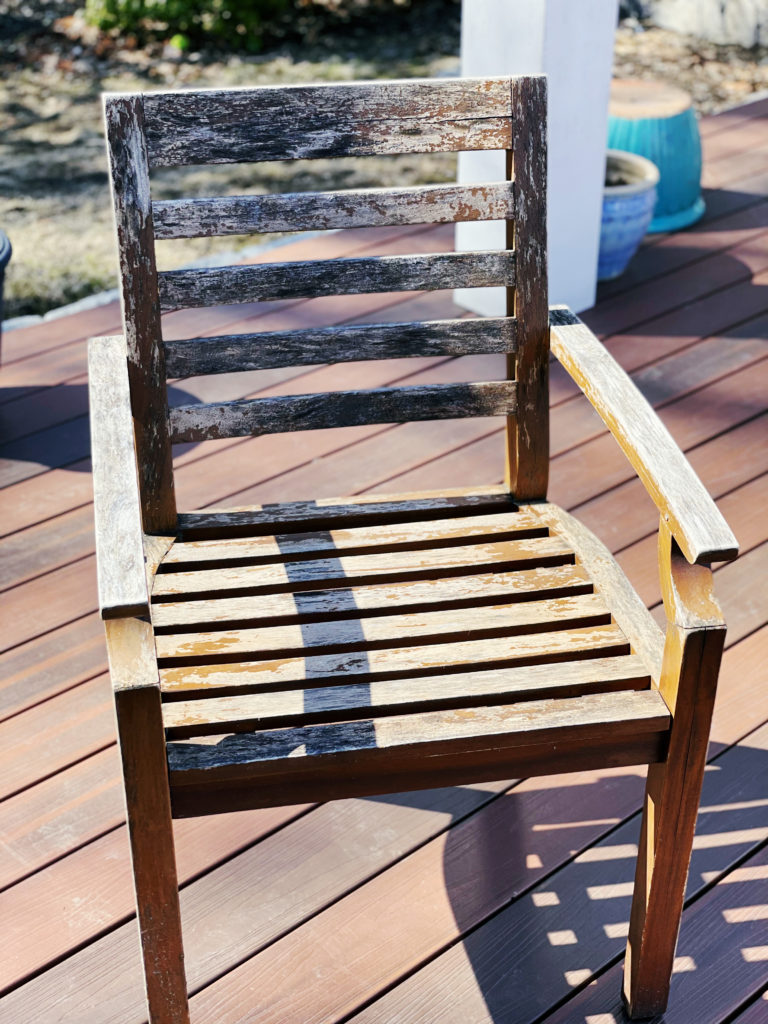
Credit: whitneysowles.com
Preparing Wood Furniture
Preparing your outdoor wood furniture is key to a smooth and lasting paint job. This step removes dirt, fixes damage, and creates a perfect surface for paint. Taking time here saves effort later and helps the paint stick better. Follow these simple steps for the best results.
Cleaning And Removing Debris
Start by wiping the furniture with a soft brush or cloth. Remove leaves, dust, and spider webs. Use a mixture of mild soap and water to clean the wood. Scrub gently to avoid damage. Rinse with clean water and let it dry fully before moving on.
Filling Holes And Sealing Cracks
Check the furniture for holes, cracks, or splits. Use wood filler to fill these gaps. Apply it with a putty knife and press it into the damaged areas. Smooth the surface and let the filler dry as the package suggests. This step stops moisture from seeping in and keeps the wood strong.
Sanding Patched Areas Smooth
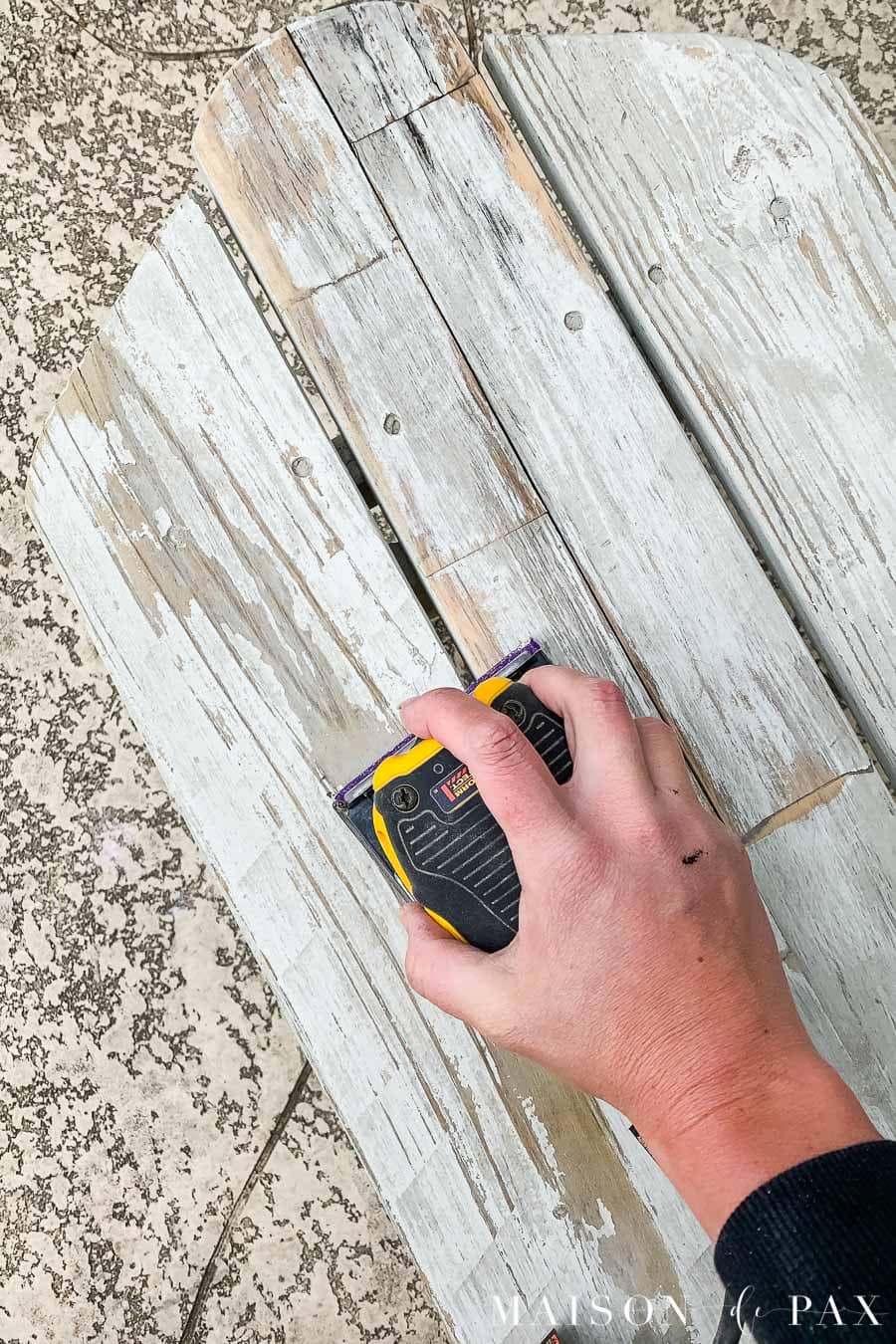
Once the filler is dry, sand the patched spots with fine-grit sandpaper. Sand until the surface feels even and blends with the rest of the wood. Wipe off dust with a damp cloth. Smooth patches help the paint layer look uniform and stick well.
Surface Preparation Tips
Preparing the surface is the first step to repainting outdoor wood furniture. A clean, smooth surface helps paint stick better and last longer. Proper preparation prevents peeling and uneven color. Take time with this phase for a professional finish.
When To Sand Or Use A Deglosser
Sanding removes old paint and smooths rough spots. Use fine-grit sandpaper for light sanding to avoid damage. Sanding is best when the old paint is peeling or rough.
A deglosser works well on smooth, glossy surfaces. It cleans and dulls the finish without sanding. Choose a deglosser for furniture with a shiny, sealed coat to prep for paint.
Drying Time Before Painting
Let the wood dry completely after cleaning or sanding. Moisture can stop paint from sticking well. Wait at least 24 hours in dry weather. Faster drying happens in warm, sunny conditions.
Covering Undersides And Hidden Areas
Don’t forget the undersides and hidden parts of furniture. These areas also face weather damage. Cover them with primer and paint to protect wood fully. This step improves furniture durability outdoors.
Applying Primer And Paint
Applying primer and paint is a crucial step in repainting outdoor wood furniture. It protects the wood from weather damage and improves paint adhesion. Proper application prevents peeling and extends the life of your furniture. Follow these tips for a lasting, beautiful finish.
How To Apply Stain-blocking Primer
Choose a stain-blocking primer made for outdoor wood. Stir the primer well before use. Use a brush or roller to apply an even coat. Cover all surfaces, including edges and corners. Let the primer dry completely, usually for a few hours. This step blocks stains and tannins from bleeding through the paint.
Number Of Paint Coats For Durability
Apply at least two coats of exterior-grade paint for strong protection. The first coat seals the primer and wood. The second coat builds color and weather resistance. Allow each coat to dry fully before applying the next. Avoid thick layers to prevent drips and cracking. More coats may be needed in harsh climates.
Techniques For Smooth Coverage
Use long, even brush strokes following the wood grain. Avoid over-brushing, which causes streaks and bubbles. Rollers work well for flat surfaces, while brushes suit detailed areas. Thin the paint slightly if it feels too thick. Check your work in good light to spot missed areas. Smooth coverage creates a neat, professional look.
Maintaining Painted Furniture
Maintaining painted outdoor wood furniture keeps it looking fresh and extends its life. Regular care prevents paint from peeling and wood from rotting. Simple steps help preserve the beauty of your furniture through all seasons.
Cleaning And Upkeep
Clean furniture often to remove dirt and dust. Use a soft brush or cloth with mild soap and water. Avoid harsh chemicals that can damage the paint. Rinse well and dry with a clean cloth. Regular cleaning stops grime from building up and dulling the paint.
Touch-up Tips
Check furniture for chips or scratches regularly. Lightly sand the damaged area before repainting. Use the same paint and primer for touch-ups. Apply thin coats and let each dry fully. Touch-ups keep the surface smooth and prevent further paint damage.
Protecting Against Weather Damage
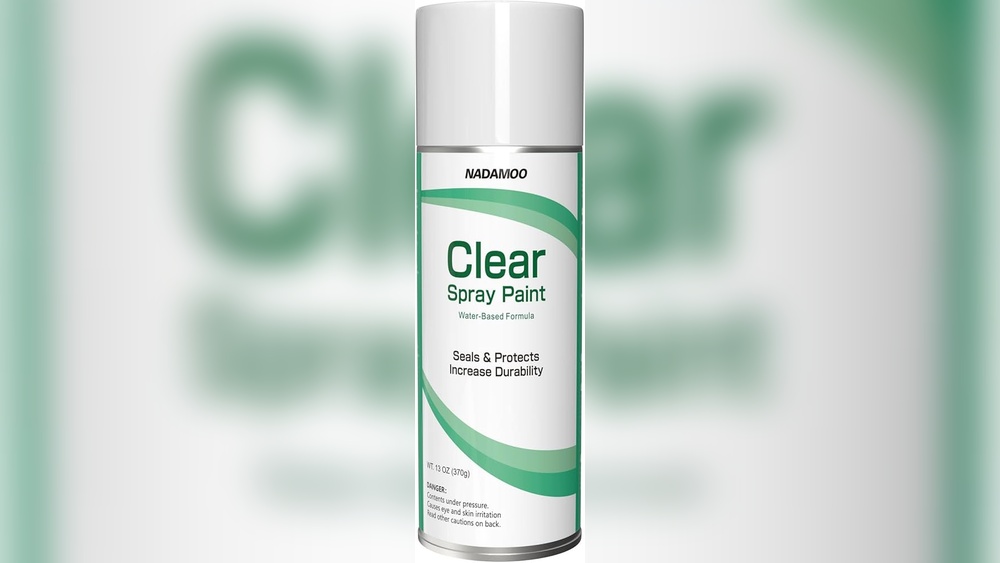
Shield your furniture from extreme weather when possible. Use covers during heavy rain or snow. Place furniture in shaded areas to avoid sun fading. Apply a clear, water-resistant sealant yearly. This layer adds extra protection against moisture and UV rays.
Credit: www.maisondepax.com
Credit: whitneysowles.com
Frequently Asked Questions
Do You Have To Sand Outdoor Furniture Before Painting?
Sanding outdoor furniture before painting is not always required. Clean the surface thoroughly and consider using a deglosser for better paint adhesion. Sanding helps if the surface is rough or has old paint peeling. Proper prep ensures a smooth, long-lasting finish.
Can You Paint Over Wood That’s Already Painted?
Yes, you can paint over wood that’s already painted. Sand the surface, apply a primer, then paint for best results.
What Kind Of Paint To Use On Outdoor Wood Furniture?
Use exterior-grade latex or acrylic paint for outdoor wood furniture. Apply a stain-blocking primer first, then at least two paint coats. Choose satin or semi-gloss finishes for durability and easy cleaning. These paints resist weather, cracking, and provide long-lasting protection.
How To Prep Outdoor Wood For Repainting?
Clean the wood thoroughly with soap and water. Sand rough or peeling areas smooth. Remove dust with a tack cloth. Apply exterior-grade primer evenly. Let it dry before painting with weather-resistant exterior paint.
Conclusion
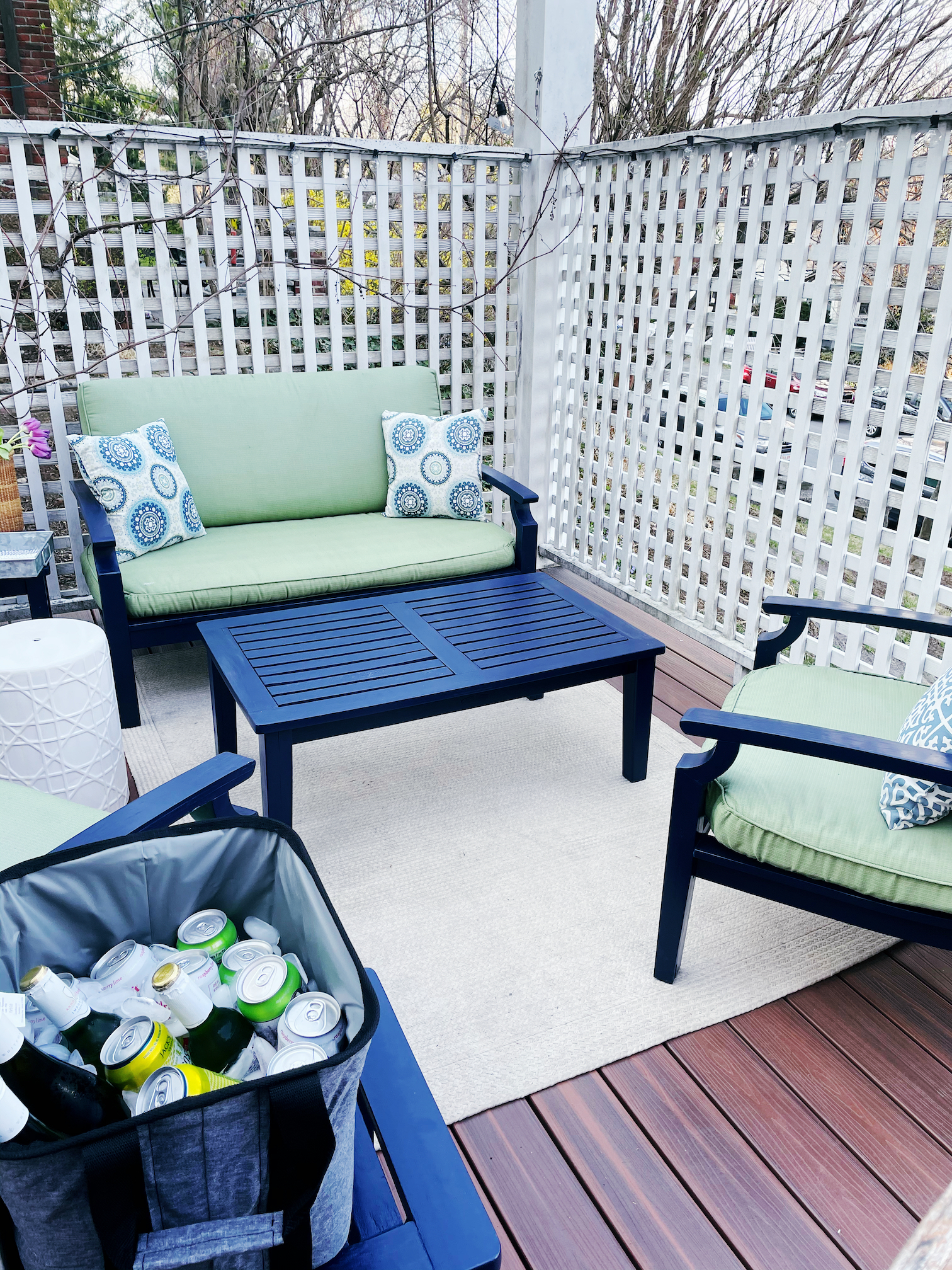
Repainting outdoor wood furniture can refresh your space easily. Proper preparation and the right paint matter most. Clean and prime the wood before applying paint. Use exterior-grade latex or acrylic paint for durability. Apply two or more coats for full protection.
Let each layer dry fully to avoid peeling. Take your time and enjoy the process. Your furniture will look new and last longer. Simple steps lead to beautiful, weather-resistant results. Try it yourself and see the difference!