Are you worried about your wood furniture getting damaged by rain, sun, or humidity when placed outside? You’re not alone.
Outdoor wood furniture faces constant wear from weather, but the good news is—you can protect it. Waterproofing your wood furniture is easier than you think, and it can save you money while keeping your pieces looking great for years. In this guide, you’ll discover simple, effective ways to make your wood furniture weatherproof.
Ready to keep your outdoor space beautiful and durable? Let’s dive in and start protecting your wood the right way.
Credit: www.reddit.com
Choosing The Right Wood
Choosing the right wood is key for long-lasting outdoor furniture. Not all wood types resist water or weather well. Picking durable wood helps protect your furniture from damage. It saves time and money on repairs later.
Wood that naturally resists moisture and insects works best outside. Some woods handle rain, sun, and cold better than others. Knowing which wood suits outdoor use makes waterproofing easier.
Best Wood Types For Outdoors
Teak is a top choice. It has natural oils that repel water. It stays strong and looks good for years.
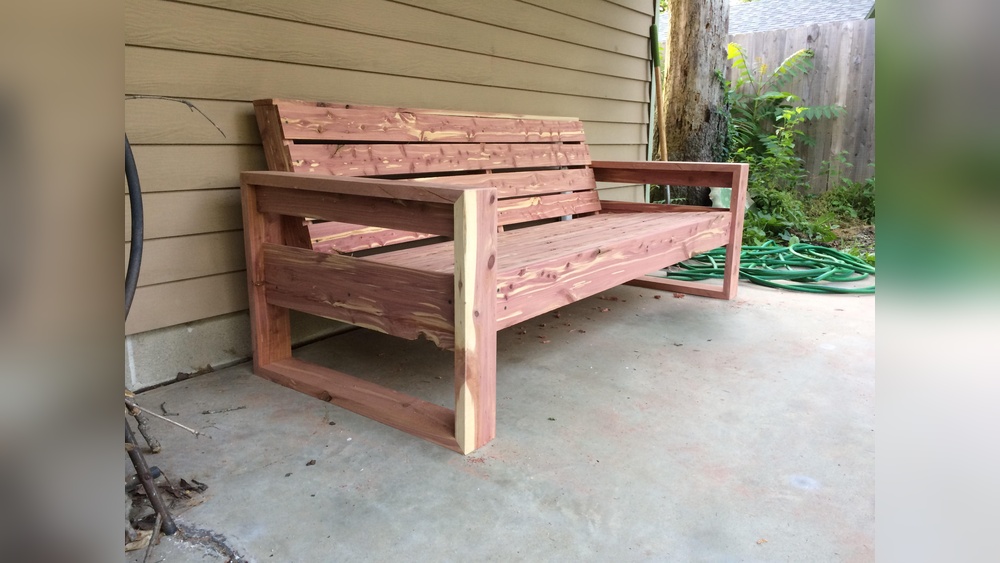
Cedar also works well outdoors. It resists rot and insects. Cedar smells good and is lightweight.
Redwood holds up well in all weather. It is easy to work with and resists decay.
White oak is tough and water-resistant. It is a bit heavier but very durable.
Wood Preparation Tips
Start by sanding the wood surface smooth. This removes rough spots and opens pores for sealers.
Clean the wood with a brush or cloth. Remove dirt, dust, and old finishes.
Dry the wood completely before applying any waterproofing. Moist wood will trap water inside.
Fill any cracks or holes with wood filler. This prevents water from seeping in.
Apply a primer or wood conditioner to help seal the surface. It improves the finish’s bond.

Credit: osmouk.com
Essential Tools And Materials
Waterproofing wood furniture for outdoors needs the right tools and materials. These help protect your furniture from rain, sun, and wear. Using proper products and gear makes the job easier and more effective. Preparing well saves time and keeps wood strong for years.
Waterproofing Products To Consider
Choose a product that fits your wood type and outdoor use. Clear sealers keep the natural look of wood. They stop water from soaking in. Wood stains add color and protect the surface. Look for stains with waterproof qualities.
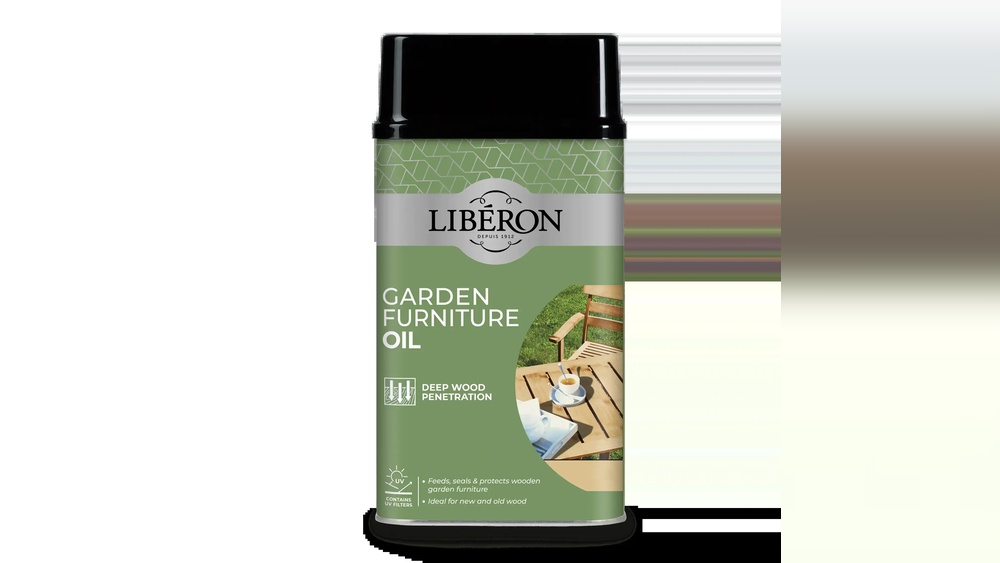
Outdoor varnishes create a hard shell against water and sun. They are good for tables and chairs. Oil-based products soak into wood and repel moisture. They keep wood flexible and less likely to crack. Pick a product that suits your style and needs.
Protective Gear And Equipment
Wear gloves to protect your hands from chemicals. Safety glasses keep your eyes safe from splashes. Use a mask if you work with spray products or powders. Sandpaper or sanding blocks smooth the wood before applying products.
Brushes and rollers help spread sealers evenly. Clean cloths remove dust and wipe off extra product. A drop cloth or old newspaper protects your workspace from spills. Having the right gear keeps you safe and your work neat.
Surface Cleaning And Repair
Preparing wood furniture for outdoor use starts with proper surface cleaning and repair. Dirt, dust, and old finishes can stop waterproof coatings from sticking well. Fixing cracks and holes is important to protect the wood from water damage. This step makes the furniture last longer and look better outdoors.
Removing Dirt And Old Finish
Start by brushing off loose dirt with a soft brush. Use a damp cloth to wipe away grime. Avoid soaking the wood. Use a mild soap solution for tough stains. Rinse with clean water and let the wood dry fully.
Remove old paint or varnish with sandpaper. Use medium-grit first, then fine-grit for smoothness. Sanding reveals fresh wood and helps new coatings stick.
Fixing Cracks And Imperfections
Inspect the wood for cracks, holes, or dents. Fill small cracks with wood filler. Apply it with a putty knife and smooth the surface. Let it dry according to instructions.
For larger gaps, use epoxy or outdoor wood putty. Sand the repaired area to blend with the surface. This stops water from seeping inside and causing damage.
Applying Sealants And Finishes
Applying sealants and finishes is key to protecting wood furniture outdoors. These products create a barrier that stops water from soaking into the wood. This keeps the furniture strong and looking good for a long time. Choosing the right sealant and applying it carefully makes a big difference.
Types Of Waterproof Sealants
Several sealants work well for wood furniture. Polyurethane is common. It forms a hard, clear coat that resists water and scratches. Spar varnish is made for outdoor use. It stays flexible and handles sun and rain well. Water-based sealants dry fast and have low odor. Oil-based sealants soak into the wood and give deep protection. Pick the one that fits your furniture type and outdoor conditions.
Step-by-step Application Process
Start by cleaning the wood surface. Remove dirt and old finishes with sandpaper. Wipe away dust with a damp cloth. Stir the sealant gently, do not shake it. Apply the sealant using a brush or cloth. Spread it evenly along the wood grain. Let the first coat dry completely. Lightly sand the surface with fine sandpaper. Remove dust again before the next coat. Apply two or three coats for best waterproofing. Allow each coat to dry fully before applying the next. Finish by letting the furniture dry for a day or two before use.
Tips For Long-lasting Protection
Protecting wood furniture outdoors takes effort beyond just one coat of waterproofing. Long-lasting protection needs regular care and smart habits. This keeps your furniture strong and looking good for years. Follow simple steps to avoid damage and extend the life of your wood pieces.
Regular Maintenance Routines
Clean wood furniture often with a soft brush or cloth. Remove dirt and debris to stop buildup. Check for cracks or peeling finishes regularly. Sand rough spots gently before applying more waterproof sealant. Reapply sealant every year or as needed. Cover furniture during heavy rain or snow. Store pieces indoors or under shelter in winter months.
Avoiding Common Mistakes
Do not skip surface preparation before sealing. Dirt or moisture trapped under sealant weakens protection. Avoid using harsh chemicals that strip wood oils. Do not use low-quality sealants that wear off fast. Avoid leaving furniture in direct sun without shade. Do not let water pool on surfaces. Water left standing causes wood to swell and crack.
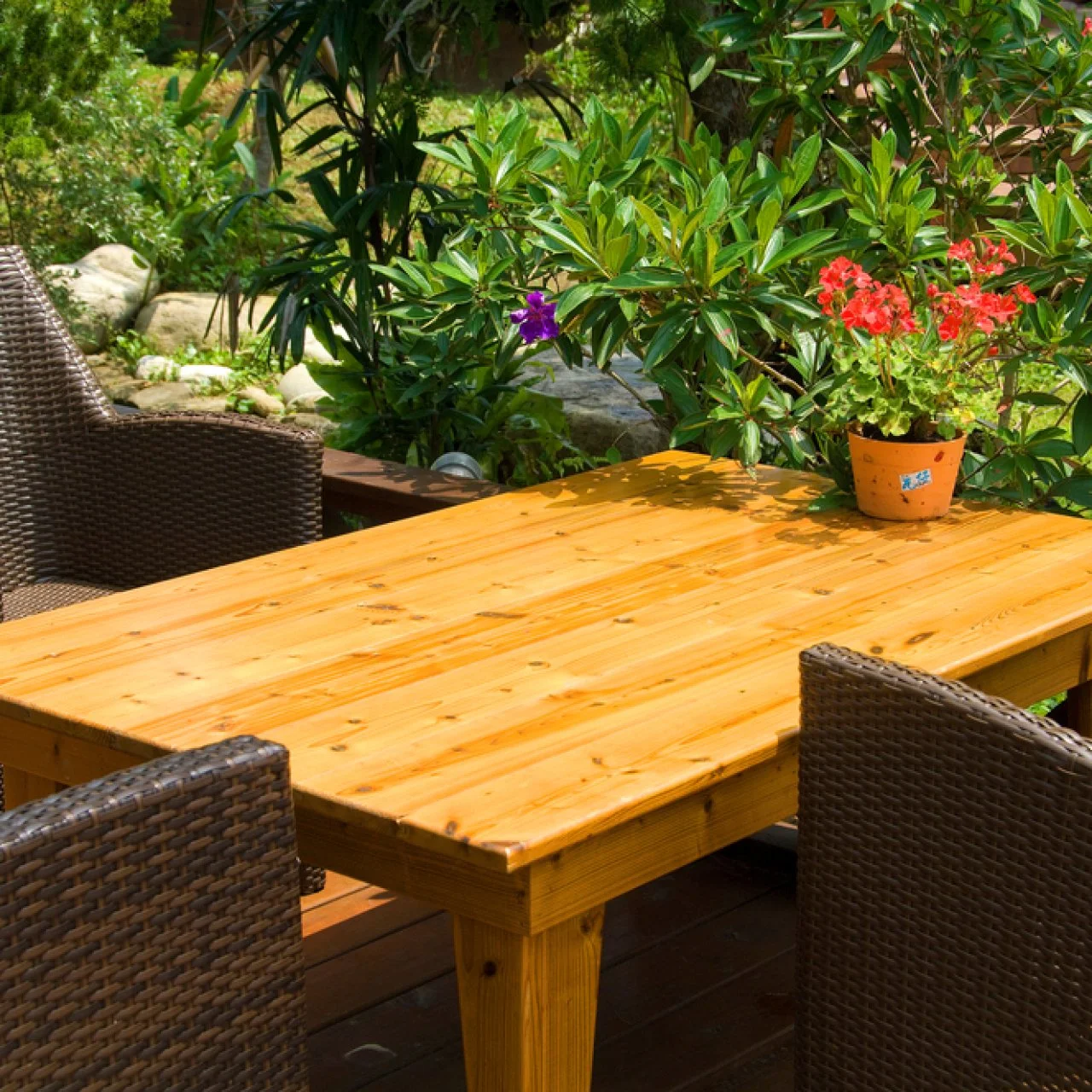
Credit: www.hgtv.com
Alternative Waterproofing Methods
Wood furniture outdoors faces water damage risks. Alternative waterproofing methods help protect it without complex steps. These options use different materials to create a water barrier. They can suit different needs and budgets. Explore these methods to find one that fits your project.
Using Paints And Varnishes
Paints and varnishes are common waterproofing choices. They form a solid layer that blocks moisture. Use exterior-grade paint designed for wood surfaces. It seals pores and prevents water from soaking in. Varnishes add a clear, protective coat. They keep the wood’s natural look while shielding it. Apply two or three thin coats for best results. Let each coat dry fully before adding the next. These finishes also protect against sun damage and wear.
Natural Waterproofing Options
Natural oils and waxes provide gentle waterproofing. Linseed oil soaks deep into wood fibers. It hardens to form a water-resistant surface. Tung oil is another popular choice for outdoor wood. Beeswax can be mixed with oils for extra protection. These options keep wood breathable and look natural. They require regular reapplication to maintain waterproofing. Natural methods work well for small furniture and decorative pieces.
Seasonal Care For Outdoor Wood
Outdoor wood furniture faces many weather changes. Each season affects wood differently. Proper seasonal care keeps wood strong and looking good. Simple steps help protect furniture from damage. Adjust care routines with the seasons to extend furniture life.
Preparing Furniture For Winter
Winter brings cold, moisture, and frost. These can cause wood to crack or swell. Clean furniture thoroughly before winter. Remove dirt, dust, and old finish. Use a gentle soap and water mix.
Apply a fresh coat of waterproof sealant. This seals the wood against water and ice. Cover furniture with breathable covers. Avoid plastic, which traps moisture inside. Store smaller pieces indoors if possible.
Summer Protection Strategies
Summer heat and sun can dry out wood. This leads to cracks and fading. Place furniture in shaded areas or use umbrellas. Apply UV-resistant sealants to block sun damage.
Wipe off dirt and spills quickly. Clean furniture regularly to prevent buildup. Use light oils or wood conditioners to keep wood hydrated. Rotate cushions to avoid uneven wear.
Frequently Asked Questions
How Do I Prepare Wood Furniture For Waterproofing?
Clean the wood surface thoroughly and sand it smooth. Remove dirt, dust, and old finishes. This ensures better sealant adhesion and durability.
What Types Of Waterproof Sealants Work Best On Wood?
Use polyurethane, spar varnish, or marine-grade sealants. These provide strong protection against moisture and UV damage for outdoor wood furniture.
How Often Should I Reapply Waterproofing On Wood Furniture?
Reapply waterproofing every 1-2 years or when water stops beading. Regular maintenance keeps wood protected and extends furniture lifespan outdoors.
Can I Waterproof Wood Furniture Without Sanding?
Sanding is recommended for better sealant adhesion, but light cleaning with a damp cloth can work for minor waterproofing jobs.
Conclusion
Protecting wood furniture outdoors takes simple steps. Clean the wood well before applying sealant. Choose the right waterproof product for your furniture type. Apply thin, even coats and let each dry fully. Regular maintenance keeps your furniture strong and looking good.
Small efforts now save big repairs later. Enjoy your outdoor space without worrying about damage. Keep your wood furniture safe through all seasons. Easy care makes your outdoor pieces last longer.