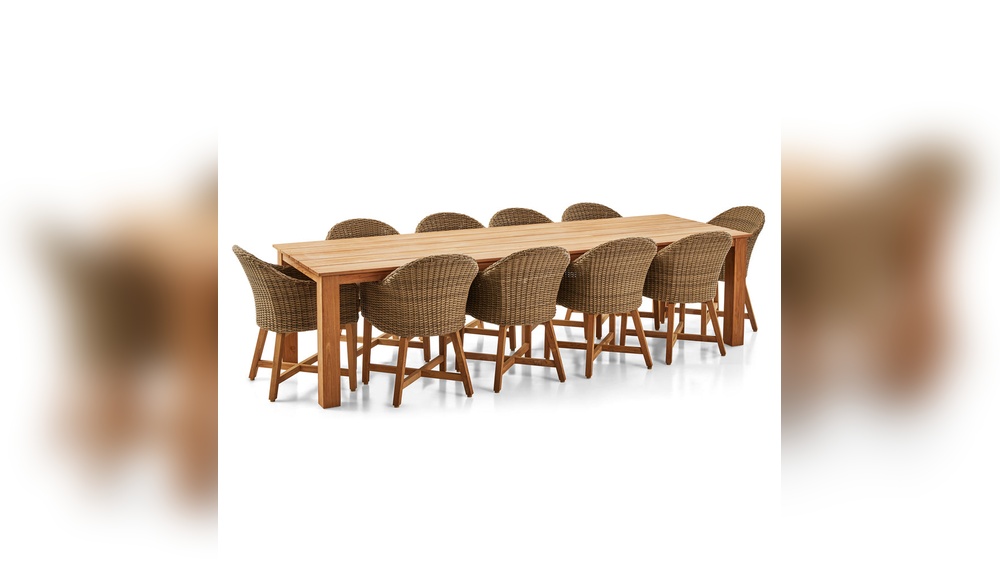
Choosing the right timber for your outdoor furniture can make all the difference in how long it lasts and how good it looks. You want wood that can handle sun, rain, and changing seasons without losing its charm.
But with so many options out there, it’s easy to feel overwhelmed. This guide will help you discover which types of timber work best for your outdoor space, so you can enjoy beautiful, sturdy furniture for years to come. Keep reading to find out how to pick timber that matches your style, budget, and needs perfectly.

Credit: daniafurniture.com
Key Factors For Outdoor Timber
Choosing the right timber for outdoor furniture is important. The wood must handle weather well and last long. It should also look good and be easy to care for. These key factors help you pick the best timber for your outdoor space.
Weather Resistance
Outdoor timber must resist rain, sun, and wind. Some woods naturally fight water and decay. These woods stay strong even in wet conditions. Others may need extra treatment to avoid rotting. Good weather resistance means your furniture lasts longer.
Durability Rating
Durability shows how long the wood can last outside. Timbers with high durability handle insects and fungi better. They keep their shape and strength over time. Low durability woods may break or weaken quickly. Checking durability helps avoid frequent replacements.
Maintenance Needs
All outdoor timber needs some care. Some woods need regular oiling or sealing. Others stay good with little effort. Knowing maintenance helps you choose wood that fits your time and skills. Easy-care timber saves work and keeps your furniture nice.
Appearance And Texture
Wood looks and feels different by type. Some have smooth surfaces, others are rough. Colors range from light to dark shades. Choose timber that matches your style and outdoor decor. A beautiful look adds charm to your garden or patio.
Top Timber Types For Outdoor Use
Choosing the right timber for outdoor furniture is important. It affects how long your furniture lasts and how it looks. Some woods handle weather better than others. Here are some top timber types for outdoor use. Each has good qualities for outdoor furniture.
Teak
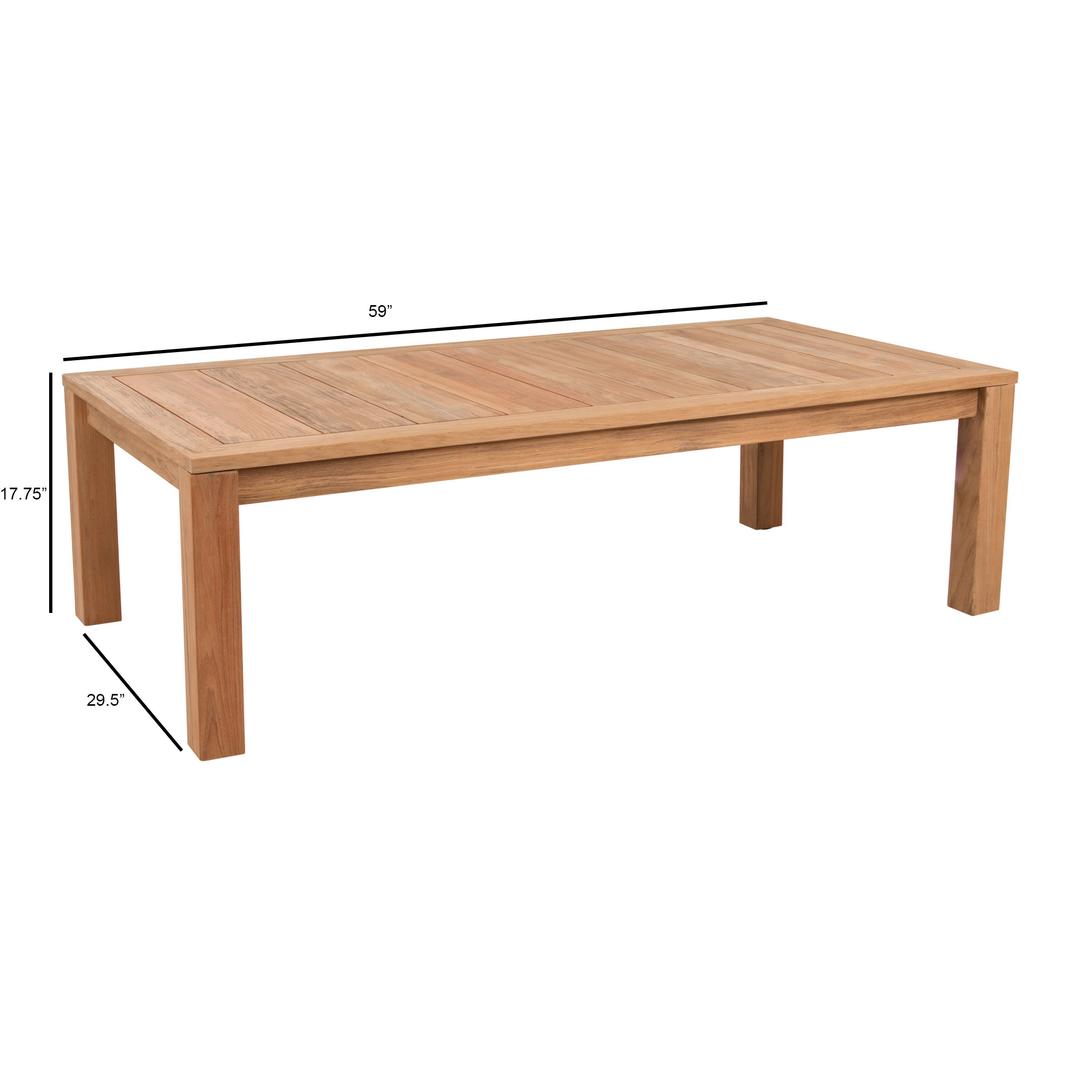
Teak is strong and very durable. It has natural oils that stop water damage. It resists insects and decay well. Teak ages with a nice silver-gray color. It needs little care to stay beautiful.
Cedar
Cedar is light and smells nice. It naturally fights rot and bugs. Cedar stays stable and does not warp easily. It is softer but still good for furniture. Cedar furniture looks warm and inviting.
Redwood
Redwood is known for its rich color. It resists moisture and insects naturally. Redwood is stable and does not shrink much. It is easy to work with for many designs. Redwood furniture feels strong and classic.
Eucalyptus
Eucalyptus wood is dense and hard. It handles rain and sun well. This wood is often more affordable than teak. It needs sealing to last longer outdoors. Eucalyptus gives a smooth and fresh look.
Acacia
Acacia wood is tough and durable. It has a rich, warm tone. It resists water and insect damage well. Acacia furniture is affordable and stylish. It needs regular oiling to keep its shine.
Ipe
Ipe is one of the hardest woods. It lasts many years without rotting. It resists scratches and insect attacks. Ipe wood has a deep brown color. It is heavy but very strong for outdoor use.
Pros And Cons Of Common Timbers
Choosing the right timber for outdoor furniture is key for durability and beauty. Different woods offer unique benefits and challenges. Knowing these helps make the best choice for your garden or patio.
Teak Benefits And Drawbacks
Teak is famous for its strength and natural oils. These oils resist water, insects, and decay. It lasts many years with little care. The wood has a warm, golden color that ages to silver-gray. Teak is heavy and dense, making it very sturdy. The main drawback is the high price. It also needs regular cleaning to maintain its look.
Cedar Strengths And Weaknesses
Cedar is light and easy to work with. It has natural oils that repel insects and moisture. The wood smells nice and resists warping. Cedar furniture feels warm and comfortable. It can fade to a soft gray over time. Cedar is softer than teak, so it dents easier. It requires regular sealing for long life.
Redwood Advantages And Limitations
Redwood is known for its rich color and fine grain. It resists decay and insects naturally. This wood stays stable and does not shrink much. Redwood furniture looks elegant and smooth. It is lighter than teak but stronger than cedar. The cost is moderate. Redwood needs protection against sun damage to keep its color.
Credit: authenteak.com
Treatment And Finishing Tips
Treating and finishing timber for outdoor furniture is key to its durability. Proper care protects wood from weather and wear. It also keeps the furniture looking good for years. Choose the right treatment based on the type of wood and the outdoor conditions.
Natural Oils And Sealants
Natural oils nourish and protect timber deeply. Oils like linseed or teak oil soak into the wood. They keep moisture out and prevent cracks. Sealants add a clear protective layer on the surface. Use a brush or cloth to apply oils evenly. Let the wood dry completely before use.
Painting And Staining
Painting covers timber with a strong, colorful layer. It hides imperfections and blocks sunlight damage. Staining enhances the wood’s natural grain and color. Both need clean, dry wood before application. Apply multiple coats for better protection. Sand lightly between coats for smooth finish.
Preventing Rot And Insects
Rot and insects can ruin outdoor timber fast. Use wood treated with preservatives to resist decay. Apply a wood preservative regularly for extra defense. Keep furniture dry and off the ground. Check for signs of damage and treat early. Proper care extends the life of outdoor wood.
Sustainable Timber Choices
Choosing timber for outdoor furniture affects the environment. Sustainable options help protect forests and wildlife. These choices reduce waste and save resources.
Sustainable timber lasts long and looks great. It supports eco-friendly living and smart use of nature.
Certified Wood Sources
Certified wood comes from forests managed carefully. These forests follow strict rules to stay healthy. They avoid harmful cutting and protect animals.
Look for certificates like FSC or PEFC. These labels show the wood is legal and sustainable. Using certified wood supports good forest care and future growth.
Reclaimed Timber Options
Reclaimed timber is old wood reused for new furniture. It saves trees and lowers waste. Each piece has a unique story and charm.
Reclaimed wood often comes from old buildings or furniture. It is strong and already dried, making it ideal outside. Choosing reclaimed timber helps the planet by giving wood a second life.
Maintenance Routines For Longevity
Proper maintenance is key to making timber outdoor furniture last longer. Regular care protects wood from sun, rain, and dirt. It also keeps the furniture looking fresh and strong. Small efforts every season can prevent major damage later.
Cleaning Techniques
Use a soft brush or cloth to remove dust and dirt. Wash with mild soap and water. Avoid harsh chemicals that can damage wood. Rinse well and dry with a towel. Clean furniture regularly to stop mold and stains.
Seasonal Care
Check furniture at the start of each season. Apply wood oil or sealant to protect from moisture and sun. Store furniture in a dry place during winter or heavy rain. Use covers to shield from weather when not in use.
Repair And Restoration
Fix small cracks or loose joints early. Sand rough spots gently to smooth the surface. Reapply paint or varnish to restore color and protection. Regular repairs keep furniture safe and beautiful for years.
Cost Considerations
Choosing the right timber for outdoor furniture involves understanding the cost factors. The price of wood varies widely. It depends on the type, quality, and durability of the timber. Thinking about cost helps you pick wood that fits your budget and lasts long.
Initial Investment
Some woods cost more upfront. Hardwoods like teak and mahogany are pricier. They offer natural resistance to weather and insects. Softwoods like pine are cheaper but need treatment. The first cost is just the start. It covers buying and sometimes treating the wood.
Long-term Value
Expensive wood can save money over time. Durable timber needs less repair and replacement. It stays strong through seasons and weather changes. Cheaper wood might wear out fast. You may spend more on maintenance. Think about how long the wood will last.
Balancing Budget And Quality
Find a wood type that fits your budget and quality needs. Look for wood that holds up well outdoors. Consider how much time and money you want to spend later. Sometimes mid-range woods give good strength and cost less. Balance upfront cost with how long the furniture will last.
Credit: neotimber.com
Frequently Asked Questions
What Type Of Timber Is Best For Outdoor Furniture?
Teak is the best timber for outdoor furniture. It resists water, pests, and decay naturally. Its durability and low maintenance make it ideal for outdoor use.
How Does Cedar Wood Perform Outdoors?
Cedar wood is highly resistant to moisture, decay, and insects. It stays stable in varying weather conditions, making it a popular choice for outdoor furniture.
Is Eucalyptus Wood Suitable For Outdoor Furniture?
Yes, eucalyptus is strong and weather-resistant. It is affordable and has natural oils that protect against decay, making it suitable for outdoor furniture.
How To Maintain Outdoor Timber Furniture?
Regular cleaning and sealing protect timber furniture. Apply oil or sealant yearly to prevent cracking and moisture damage, ensuring longevity in outdoor conditions.
Conclusion
Choosing the right timber makes outdoor furniture last longer. Hardwoods like teak and cedar resist weather and pests well. Softwoods need extra care but can be budget-friendly. Remember to treat and seal wood regularly for protection. Good timber keeps furniture strong and beautiful through all seasons.
Think about your climate and style before buying wood. Quality wood means less repair and more comfort outside. Your outdoor space will feel warm and inviting with the right choice. Trust simple wood care to keep furniture looking great year after year.


