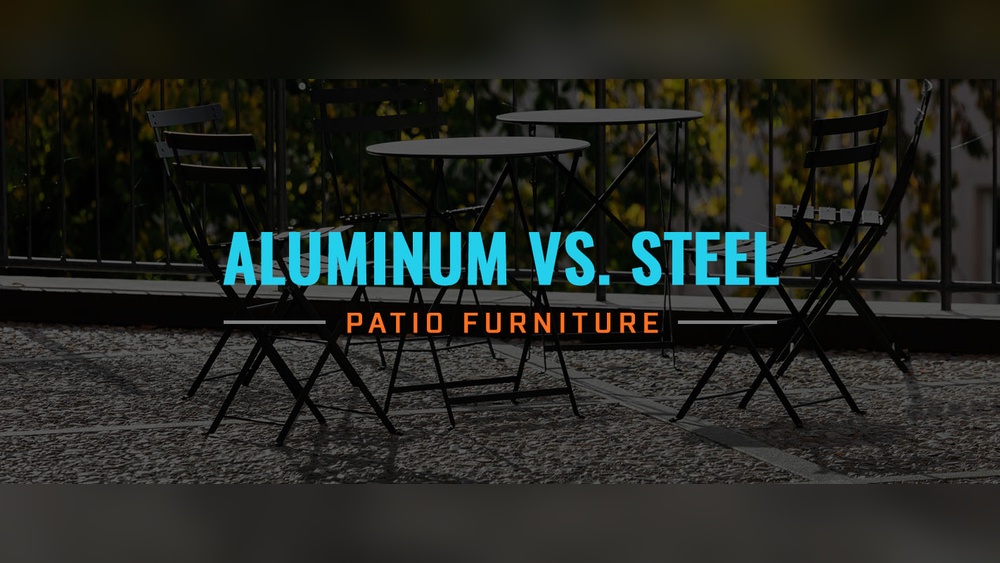
Choosing the right material for your outdoor furniture can feel overwhelming. You want pieces that look great, last long, and handle the weather without constant care.
So, is aluminum or steel better for your outdoor space? This question matters because your choice affects comfort, style, and how much effort you’ll spend on maintenance. Keep reading to discover which material suits your needs best and helps you create the perfect outdoor retreat.
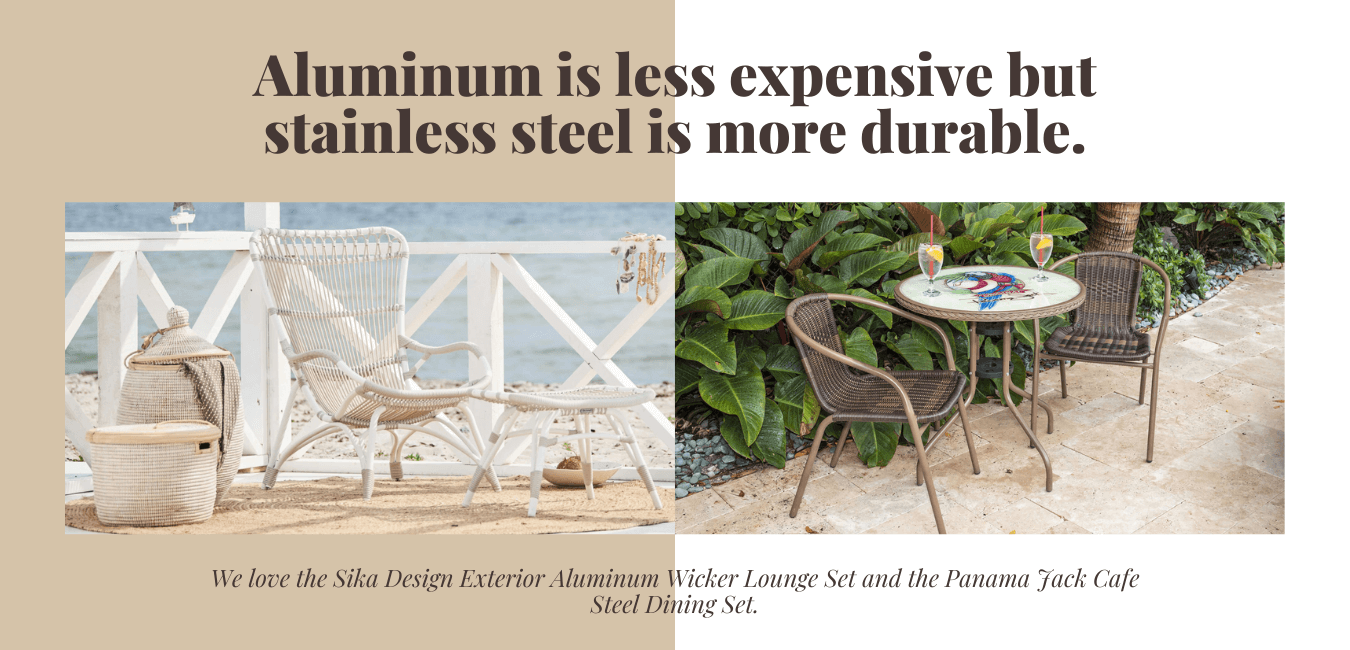
Credit: www.patioliving.com
Material Properties
Choosing the right material for outdoor furniture depends on many factors. The material properties of aluminum and steel affect durability, comfort, and overall use. Understanding these properties helps make a smart choice.
Weight And Strength
Aluminum is light. It is easy to move and rearrange outside. Steel is heavier and stronger. It holds more weight and resists bending better. For heavy use, steel offers solid support. For portability, aluminum is the better option.
Corrosion Resistance
Aluminum resists rust. It forms a natural layer that protects it from water and air. Steel can rust if not treated. Painted or coated steel lasts longer outdoors. Without protection, steel may corrode and weaken over time.
Maintenance Needs
Aluminum needs little care. Wiping it with a damp cloth keeps it clean. Steel requires more attention. It needs regular checks for rust spots. Painting or sealing steel helps prevent corrosion. Maintenance keeps steel furniture safe and lasting longer.
Durability And Longevity
Durability and longevity are key factors when choosing outdoor furniture. The material must stand strong against nature’s challenges. Aluminum and steel both offer benefits, but their lasting power varies. Understanding how each handles wear, weather, and time helps make a smart choice.
Weather Resistance
Aluminum resists rust and corrosion very well. It handles rain, snow, and sun without much damage. Steel can rust if not coated properly. It needs special paint or treatment to stay protected. Aluminum’s natural resistance makes it easier to maintain outdoors.
Wear And Tear
Steel is very strong and can handle rough use. It resists dents and scratches better than aluminum. Aluminum is lighter but can bend or scratch more easily. Both metals show signs of wear over time, but steel is tougher in daily use.
Impact On Lifespan
Aluminum furniture often lasts longer in wet climates. It keeps its look and structure without much upkeep. Steel lasts longer in dry areas with less risk of rust. Proper care extends both metals’ life, but aluminum generally has an edge in lasting through bad weather.
Aesthetic Appeal
The aesthetic appeal of outdoor furniture plays a big role in garden and patio design. Choosing between aluminum and steel affects the look and feel of your space. Each material offers unique styles and finishes that can match different tastes and outdoor themes. Understanding these differences helps you pick furniture that looks great and lasts long.
Design Flexibility
Aluminum is light and easy to shape. It allows for smooth curves and modern designs. This makes aluminum great for creative, sleek furniture styles. Steel is stronger and can support heavier designs. It suits classic and industrial looks well. Both metals offer good choices for various outdoor settings.
Finish And Texture
Aluminum often has a smooth, clean finish. It feels cool and sleek to touch. Steel can have rougher textures or smooth surfaces. It can be polished or brushed for different effects. Finishes on both metals protect from rust and wear, keeping furniture looking fresh.
Color Options
Aluminum furniture comes in many colors. Powder coating adds bright, lasting shades. Steel also offers good color choices. It can be painted in deep or soft tones. Both materials let you match furniture to your outdoor style easily.

Credit: bluesky-outdoor.com
Cost Comparison
Choosing between aluminum and steel for outdoor furniture often comes down to cost. Understanding the expenses tied to each material helps in making a smart purchase. Both have different price points and costs over time. This section breaks down the cost comparison clearly.
Initial Investment
Aluminum furniture usually costs more at the start. It is lighter and rust-resistant, which adds to the price. Steel furniture is cheaper upfront but may need extra coatings to stop rust. The price difference can affect your budget for the first buy.
Long-term Expenses
Steel needs more care to prevent rust and damage. You might spend money on paint or treatments later. Aluminum is low maintenance and resists weather better. This reduces repair and replacement costs over the years.
Value For Money
Steel offers a strong feel for less money initially. It suits those on a tight budget but needs upkeep. Aluminum costs more first but saves money on repairs. It lasts longer and stays good with little effort.
Environmental Impact
Choosing outdoor furniture involves more than looks and price. The environmental impact is a key factor. Aluminum and steel have different effects on nature. Understanding these helps make a better choice for the planet.
Recyclability
Both aluminum and steel can be recycled many times. Recycling saves energy and reduces waste. Aluminum recycling uses only about 5% of the energy needed to make new aluminum. Steel recycling also saves energy but uses more than aluminum. Steel scraps are easy to collect and recycle. Aluminum is lighter, so it costs less to transport for recycling. Using recycled metal lowers the need for mining. This helps protect natural habitats and reduces pollution.
Production Footprint
Making aluminum requires a lot of electricity. Most energy comes from fossil fuels, which cause pollution. Steel production uses coal and iron ore. It releases carbon dioxide and other greenhouse gases. Steel factories often produce more pollution than aluminum plants. However, steel is stronger and may last longer outdoors. Longer life means less frequent replacement and less waste. Both metals have impacts, but choosing recycled materials cuts the footprint significantly.
Comfort And Practicality
Choosing outdoor furniture means thinking about comfort and practicality. Both matter for daily use and long-term enjoyment. Comfort affects how much you relax outside. Practicality shapes how well the furniture fits your lifestyle and space. Aluminum and steel have different qualities that impact these factors.
Heat Retention
Steel holds heat longer than aluminum. On hot days, steel furniture can feel very warm to touch. Aluminum cools down faster in the shade or breeze. This makes aluminum more comfortable in sunny weather. In cold weather, steel may feel colder faster. Aluminum offers a more balanced temperature experience.
Furniture Weight
Steel furniture is heavier than aluminum. This adds stability on windy days. It stays put without tipping over easily. Aluminum furniture is lighter, making it easier to handle. Lighter weight means less strain when moving or rearranging. Both materials can support weight well, but steel feels sturdier.
Ease Of Moving
Aluminum furniture is simple to move. Its light weight suits people who like to change layouts. Steel furniture needs more effort to lift and carry. For frequent moves, aluminum is more practical. Steel works better for permanent setups. Consider how often you plan to move your furniture.
Common Uses And Styles
Choosing between aluminum and steel for outdoor furniture depends on where and how you want to use it. Both materials fit many styles and settings. Understanding common uses and styles helps you pick the right one.
Outdoor furniture serves many purposes. It can be a spot for dining, relaxing, or socializing. The material affects durability, weight, and look. Aluminum is light and rust-resistant. Steel is strong and sturdy but heavier. Each suits different needs and styles.
Popular Outdoor Settings
Aluminum works well on patios and balconies. It is easy to move and lasts in wet weather. Steel fits large gardens and pool areas. It can hold heavy cushions and withstand strong winds. Both materials suit parks and outdoor cafes too.
Matching Decor
Aluminum furniture often has a modern, sleek look. It pairs well with glass and bright colors. Steel furniture looks classic and industrial. It matches wood, stone, and neutral tones. Both can blend with many themes from casual to formal.
Trends In Outdoor Furniture
Lightweight aluminum furniture grows in popularity for easy handling. Steel is favored for bold, strong designs. Mixing materials, like wood and metal, creates unique styles. Outdoor furniture now focuses on comfort and weather resistance.
Choosing The Right Material
Choosing the right material for outdoor furniture is key to enjoying your space. The material affects comfort, durability, and style. Aluminum and steel are popular choices, each with unique strengths. Understanding these can help you pick the best fit for your needs.
Climate Considerations
Aluminum resists rust and handles wet conditions well. It works great in humid or rainy climates. Steel is strong but can rust if not coated properly. It suits dry or mild climates better. Think about your local weather before choosing.
Usage Frequency
If you use furniture daily, durability matters most. Steel is heavier and more sturdy, perfect for frequent use. Aluminum is lighter and easier to move around. For occasional use, either material can work well.
Personal Preferences
Style and feel affect your choice. Aluminum offers modern, sleek designs. Steel gives a classic, solid look. Consider weight too; aluminum is easier to rearrange. Pick what matches your outdoor space and comfort.
Credit: asuzac-acm.com
Frequently Asked Questions
Is Aluminum Or Steel More Durable For Outdoor Furniture?
Aluminum is more durable outdoors due to its corrosion resistance. Steel can rust if not properly coated or maintained. Aluminum’s lightweight nature also makes it less prone to damage from weather conditions.
Which Metal Is Lighter, Aluminum Or Steel?
Aluminum is significantly lighter than steel, making furniture easier to move. This lightweight feature enhances comfort and flexibility in outdoor settings. Steel, though heavier, offers more strength but can be cumbersome.
How Does Maintenance Differ Between Aluminum And Steel Furniture?
Aluminum requires minimal maintenance as it resists rust and corrosion naturally. Steel needs regular care, including painting or sealing, to prevent rust. Proper maintenance extends the lifespan of both metals.
Which Metal Is More Cost-effective For Outdoor Furniture?
Aluminum furniture generally costs more upfront due to its corrosion resistance. Steel is cheaper initially but may incur higher maintenance costs over time. Consider long-term durability when budgeting.
Conclusion
Choosing between aluminum and steel depends on your needs. Aluminum is light and rust-resistant, perfect for easy moving. Steel is strong and durable but needs more care to avoid rust. Think about your climate and how often you use the furniture.
Both metals offer good options for outdoor use. Your choice will impact comfort, maintenance, and style. Pick what fits your space and lifestyle best. Simple and smart choices make outdoor time more enjoyable.