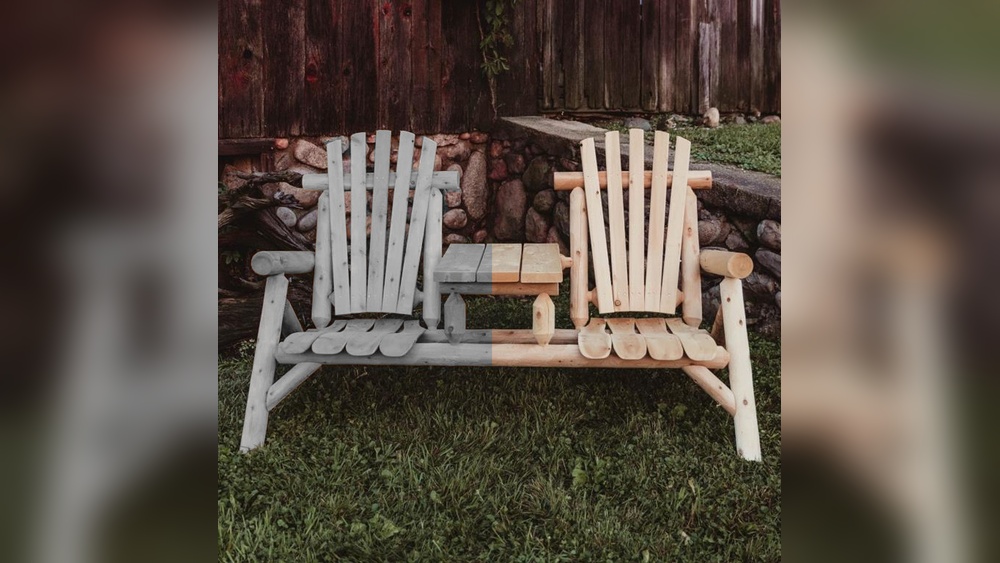
Your outdoor mahogany furniture has weathered the seasons, losing its shine and charm. You might think it’s beyond saving, but that’s not true.
With the right steps, you can bring back its rich color and smooth finish, making it look almost new again. Imagine relaxing on your beautifully restored pieces, proud of how you revived them. Keep reading, and you’ll discover simple, effective ways to restore your outdoor mahogany furniture—no expert skills needed.
This guide is made just for you.
Assessing Furniture Condition
Assessing the condition of your outdoor mahogany furniture is the first step to restore its beauty. This process helps you understand what repairs and cleaning are needed. Careful inspection reveals the true state of the wood and finish. It saves time and effort during restoration.
Checking For Damage And Wear
Start by looking closely at the furniture’s surface. Check for cracks, splits, or broken parts. Small cracks can grow bigger if ignored. Look at joints and connections for looseness or wobbling. Signs of insect damage may appear as tiny holes. Surface wear like scratches or dents shows age and use. Noticing these early helps you plan repairs.
Identifying Stains And Discoloration
Mahogany can change color due to sunlight and moisture. Look for dark spots or faded areas. Water stains leave rings or patches that differ from the original wood tone. Mold or mildew may appear as black or green spots. These stains affect the wood’s look and may cause damage if untreated. Knowing the types of stains guides your cleaning method.
Gathering Tools And Materials
Restoring outdoor mahogany furniture needs the right tools and materials. Having everything ready makes the job easier and faster. This section lists what you need before starting your project. Gather these items to clean, sand, and finish your furniture properly.
Essential Cleaning Supplies
Start with a soft brush to remove dirt and dust. Use mild soap mixed with water for washing. Avoid harsh chemicals that can damage the wood. A sponge or cloth works well for scrubbing gently. Rinse with clean water and let the furniture dry completely.
Sanding Equipment
Use fine-grit sandpaper to smooth the surface. Sanding blocks help keep even pressure. For large areas, an electric sander saves time and effort. Always sand in the direction of the wood grain. This prevents scratches and keeps the wood smooth.
Finishing Products
Choose a quality outdoor wood finish or oil. Teak oil or tung oil protects mahogany well. A brush or clean cloth applies the finish evenly. Multiple coats may be needed for best protection. Allow each coat to dry fully before applying the next.
Cleaning The Surface
Cleaning the surface of outdoor mahogany furniture is the first step in restoration. Dirt, grime, mold, and mildew can hide the wood’s natural beauty. Proper cleaning prepares the wood for further care and protection. Gentle methods keep the wood safe and looking fresh.
Removing Dirt And Grime
Start by brushing off loose dirt with a soft broom or brush. Use a mixture of mild soap and warm water. Apply it with a soft cloth or sponge, wiping the wood gently. Avoid harsh scrubbing to protect the wood grain. Rinse the surface with clean water and let it dry fully. This removes surface grime without damaging the wood.
Dealing With Mold And Mildew
Mold and mildew appear as dark spots or patches on the wood. Mix one part white vinegar with three parts water. Apply this solution to the affected areas using a spray bottle or cloth. Let it sit for 10 minutes to kill the mold spores. Wipe the area clean with a damp cloth. For tough spots, gently scrub with a soft brush. Always dry the furniture thoroughly to prevent mold from returning.
Credit: fantasticservicesgroup.com.au
Sanding Techniques
Sanding is a key step in restoring outdoor mahogany furniture. It removes old finishes and smooths the surface. Good sanding prepares the wood for new stains or paint. Using the right techniques can save time and improve results. Below are tips to help you sand like a pro.
Choosing The Right Grit
Start with coarse grit sandpaper to remove rough spots and old finishes. A 60 to 80 grit works well for this. Avoid sanding too hard or you may damage the wood. After the surface feels smooth, switch to medium grit, like 120 grit. This helps remove scratches left by coarse sandpaper. Finish with fine grit, such as 220 grit, for a silky surface. Always sand along the wood grain to avoid marks.
Sanding Tips For Smooth Finish
Use a sanding block or an electric sander for even pressure. Keep the sandpaper moving to prevent uneven spots. Clean dust from the furniture often to see your progress clearly. Check the surface by touch; it should feel smooth and even. Patience is important—rushing can cause scratches or roughness. After sanding, wipe the wood with a damp cloth before applying finish.
Repairing Damages
Repairing damages is a key step in restoring outdoor mahogany furniture. Small cracks, holes, and loose joints can make the furniture weak and less attractive. Fixing these issues helps keep the wood strong and extends the life of your pieces. Take time to check all parts carefully before starting repairs. Proper repair work brings back the beauty and stability of your furniture.
Filling Cracks And Holes
Start by cleaning the cracks and holes from dirt and dust. Use a soft brush or cloth to remove debris. Choose a wood filler that matches mahogany’s color for a natural look. Apply the filler with a putty knife, pressing it firmly into the cracks. Smooth the surface and remove excess filler. Let it dry completely according to the product instructions. Once dry, sand the area lightly to blend the patch with the rest of the wood. This step hides damage and protects the wood from moisture.
Fixing Loose Joints
Loose joints weaken furniture and cause wobbling. Check all joints by gently shaking the furniture. If joints move, apply wood glue inside the joint. Use clamps to hold the pieces tightly together while the glue dries. Wipe off any extra glue before it hardens. For extra strength, add small screws or nails in hidden areas. Tight joints improve the furniture’s stability and keep it safe to use. Always allow glue to dry fully before moving the furniture again.
Credit: www.howardproducts.com
Applying Protective Finish
Applying a protective finish is key to keeping outdoor mahogany furniture strong and beautiful. This step shields the wood from sun, rain, and dirt. It also brings out the natural color and grain of the mahogany. A good finish stops cracks and fading over time. Choosing the right product and applying it well makes all the difference.
Selecting Suitable Oils Or Sealants
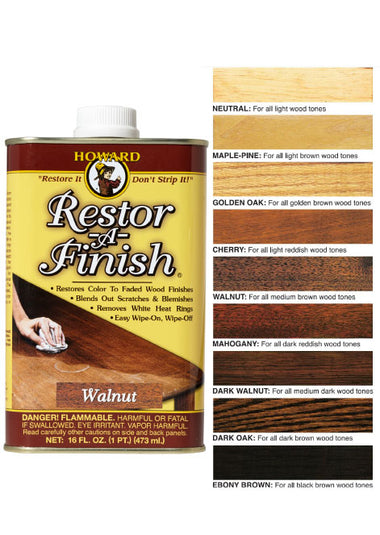
Pick oils or sealants made for hardwood like mahogany. Teak oil, tung oil, and linseed oil work well. These oils soak into the wood and protect it from moisture. Clear sealants or varnishes create a strong surface layer. Avoid thick paints that hide the wood’s natural look. Check for products labeled for outdoor use. This ensures they resist sun and water damage.
Steps For Even Application
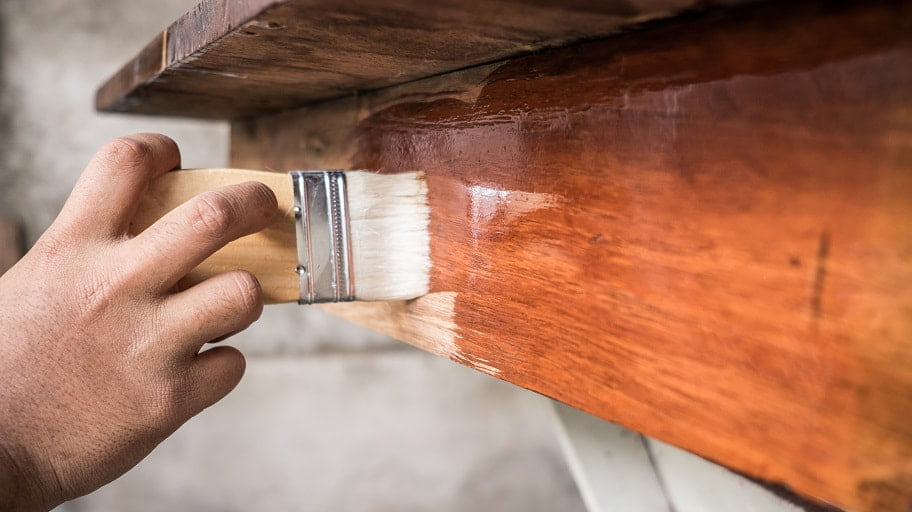
Start with clean, dry furniture. Use a soft cloth or brush to apply the oil or sealant. Work along the wood grain for smooth coverage. Apply thin coats to avoid drips or sticky spots. Let each coat dry fully before adding another. Usually, two to three coats give the best protection. After the last coat dries, buff lightly with a dry cloth. This step helps the finish shine and feel smooth.
Maintenance Tips For Longevity
Keeping outdoor mahogany furniture in great shape needs regular care. Small efforts over time help protect the wood and keep it beautiful. The right maintenance stops damage and extends the life of your furniture.
Regular Cleaning Routine
Clean mahogany furniture often to remove dirt and dust. Use a soft brush or cloth to avoid scratches. Mild soap mixed with water works well for washing. Rinse with clean water and dry with a soft cloth. Avoid harsh chemicals that can harm the wood’s finish. This simple routine keeps the wood fresh and healthy.
Seasonal Care Advice
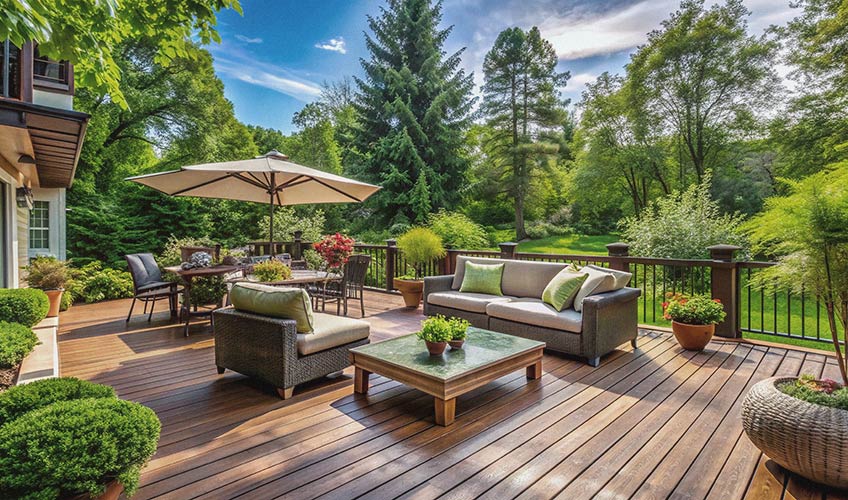
Adjust care steps as seasons change to protect the wood. In summer, shield furniture from strong sunlight with covers or shade. During rainy seasons, keep furniture dry to prevent mold and rot. In cold months, store pieces indoors or use waterproof covers. Apply wood oil or sealant once or twice a year. This protects mahogany from weather damage and keeps it looking rich.
Credit: www.tilomartinpainting.com
Frequently Asked Questions
How Do I Clean Outdoor Mahogany Furniture?
Use mild soap and water with a soft brush to clean. Avoid harsh chemicals to protect the wood’s natural oils. Rinse thoroughly and let it dry completely before further treatment.
What Is The Best Oil For Restoring Mahogany Furniture?
Teak oil or tung oil works best to restore mahogany. These oils penetrate deep, enhancing color and protecting against moisture and UV damage.
How Often Should I Restore Outdoor Mahogany Furniture?
Restore mahogany furniture every 6 to 12 months. Regular maintenance preserves the wood’s beauty and durability, especially in harsh weather conditions.
Can I Sand Outdoor Mahogany Furniture Before Restoration?
Yes, lightly sand with fine-grit sandpaper to remove old finish and smooth rough spots. Always sand in the wood grain direction for best results.
Conclusion
Restoring outdoor mahogany furniture takes patience and care. Start by cleaning the wood gently to remove dirt. Sand the surface to smooth out rough spots. Apply a good wood oil or finish to protect it. Regular maintenance keeps the furniture looking fresh longer.
Enjoy the natural beauty of your restored pieces. This simple process brings old wood back to life. Your outdoor space will feel warm and inviting again. Keep your mahogany furniture safe from weather damage. Small steps make a big difference in restoration.