Are you thinking about upgrading your outdoor furniture? Choosing the right material is key to making your space look great and last longer.
Walnut wood often comes up as a stylish option, but is walnut good for outdoor furniture? You might wonder if it can stand up to sun, rain, and changing weather while keeping its beauty. You’ll discover the truth about walnut’s strength, durability, and care needs.
Keep reading to find out if walnut is the perfect fit for your outdoor space and how it compares to other materials. Your next furniture choice could be easier than you think!

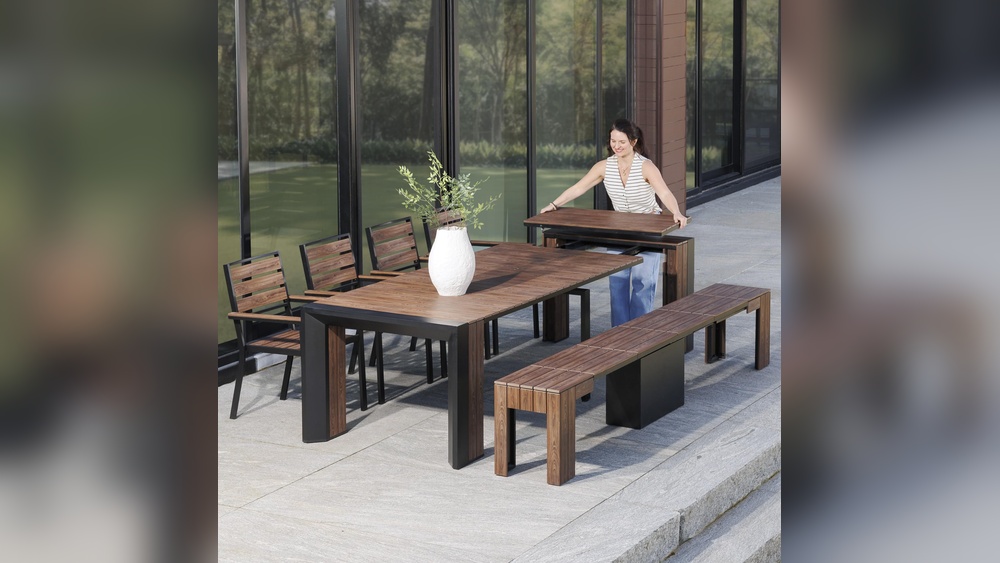
Credit: www.amazon.com
Walnut Wood Characteristics
Walnut wood is a popular choice for furniture. It has unique features that make it stand out. These features affect its use outdoors. Understanding walnut wood characteristics helps decide if it suits outdoor furniture.
Walnut offers beauty and strength. It also has natural qualities that protect it. Let’s explore the main traits of walnut wood.
Grain And Texture
Walnut wood has a straight and fine grain. Sometimes, it shows waves or curls that add style. The texture is smooth and even. This gives furniture a clean and polished look. The grain patterns make each piece unique.
Natural Color And Finish
Walnut features rich brown tones with a hint of purple. The color deepens over time with exposure to light. Its natural finish shines with a soft luster. This finish highlights the wood’s grain and warmth. Walnut’s color fits well in many outdoor settings.
Resistance To Elements
Walnut wood resists moisture better than many hardwoods. It can handle moderate rain and humidity outdoors. It also resists decay and insect damage to some extent. Still, walnut needs protection like sealants for long outdoor use. Proper care helps walnut furniture last longer outside.
Durability For Outdoor Use
Walnut wood is known for its rich color and smooth texture. Its durability is a key factor for outdoor furniture. Outdoor furniture faces many challenges. It must resist weather, insects, and daily wear. Walnut’s strength makes it a popular choice. Let’s explore how it performs in different conditions.
Moisture Resistance
Walnut has moderate moisture resistance. It can handle some rain and humidity. Still, constant wetness can damage the wood. Proper sealing improves its water resistance. Regular maintenance keeps walnut furniture safe outdoors. Without protection, it may warp or crack over time.
Impact And Wear Tolerance
Walnut is a hard wood with good impact resistance. It withstands knocks and bumps well. Its surface resists scratches better than softer woods. Daily use outdoors causes less visible damage on walnut. This makes it ideal for busy patios and gardens.
Insect And Fungal Resistance
Walnut has natural oils that help resist insects. It is less prone to termite damage than many woods. Fungal growth is also limited on walnut wood. These traits increase its lifespan in outdoor settings. Still, treating the wood adds extra protection.
Comparing Walnut With Other Woods
Walnut is a popular choice for outdoor furniture, but how does it compare to other woods? Each wood type has unique features that affect durability, appearance, and maintenance. Understanding these differences helps you pick the best wood for your outdoor space.
Walnut offers a rich color and smooth finish. It is strong but less resistant to moisture and insects than some other woods. Comparing walnut with teak, cedar, and eucalyptus reveals key points about their suitability for outdoor use.
Teak Vs Walnut
Teak is famous for its natural oils. These oils protect it from water and bugs. Walnut, in contrast, needs more care to avoid damage. Teak also ages well, turning a nice silver-gray color over time. Walnut keeps its dark, warm tone but may fade without treatment. Teak is harder to scratch and lasts longer outdoors. Walnut offers elegance but requires regular sealing for protection.
Cedar Vs Walnut
Cedar is lightweight and has a pleasant scent. It resists rot and insects naturally. Walnut is denser and heavier, giving a solid feel. Cedar’s color is lighter and more casual. Walnut has a darker, more formal look. Cedar needs less maintenance but can splinter over time. Walnut’s smooth surface feels nicer but can be damaged by moisture. Both woods need some care to last outside.
Eucalyptus Vs Walnut
Eucalyptus is a fast-growing hardwood with good durability. It handles moisture better than walnut. Eucalyptus also resists insects without many treatments. Walnut has a finer grain and richer color. Eucalyptus is more affordable and eco-friendly due to quick growth. Walnut looks more luxurious but needs extra protection outdoors. Both woods can work well if maintained properly.
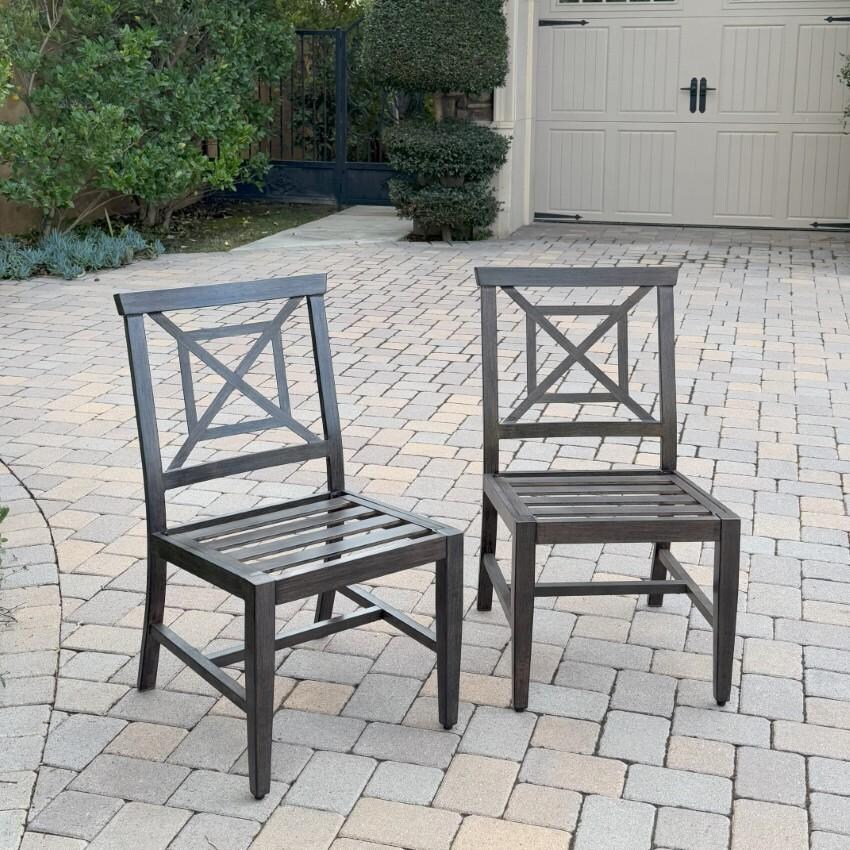)
Credit: www.bbqguys.com
Maintenance Tips For Walnut Furniture
Maintaining walnut furniture outdoors keeps it beautiful and strong. Walnut needs care to resist weather and last long. Simple steps help protect its rich color and smooth texture. Follow these tips to enjoy your walnut furniture for years.
Cleaning And Sealing
Clean walnut furniture regularly with a soft cloth and mild soap. Avoid harsh chemicals that can damage the wood. Rinse with clean water and dry fully. Apply a wood sealer to protect against moisture and stains. Reseal the furniture every year to keep it safe.
Protective Coatings
Use protective coatings like varnish or oil to guard walnut wood. These layers block water and sun damage. Choose coatings made for outdoor wood. Apply thin coats and let each dry well. Reapply coatings every few months for best protection.
Seasonal Care
Move walnut furniture to a shaded spot during hot summer days. Cover it or store indoors in harsh winter months. Check for cracks or damage each season. Clean and reseal before winter to prevent moisture problems. Proper seasonal care helps walnut furniture last longer outdoors.
Design Appeal Of Walnut Outdoors
Walnut wood offers a unique charm to outdoor furniture. Its rich tones and smooth texture create a warm and inviting feel. This wood stands out in any garden or patio setting. The design appeal of walnut lies in its natural beauty and timeless look.
Walnut fits well with many outdoor decor styles. It adds a touch of luxury without being too flashy. This makes it a popular choice for those who want elegant yet simple outdoor furniture.
Elegant Aesthetic
Walnut has a deep, rich color that looks beautiful outside. The wood grain patterns add a natural elegance. Its smooth finish gives furniture a polished and refined look. This makes walnut pieces eye-catching and stylish in any outdoor space.
Versatility In Styles
Walnut works well with modern and traditional styles. It can be crafted into sleek, minimal designs or classic, detailed pieces. This wood adapts to different shapes and sizes easily. It fits many outdoor themes, from rustic to contemporary.
Aging And Patina
Over time, walnut develops a soft patina outdoors. This natural aging process adds character and depth. The wood changes color slightly, enhancing its beauty. Walnut furniture becomes more charming as it weathers gently.
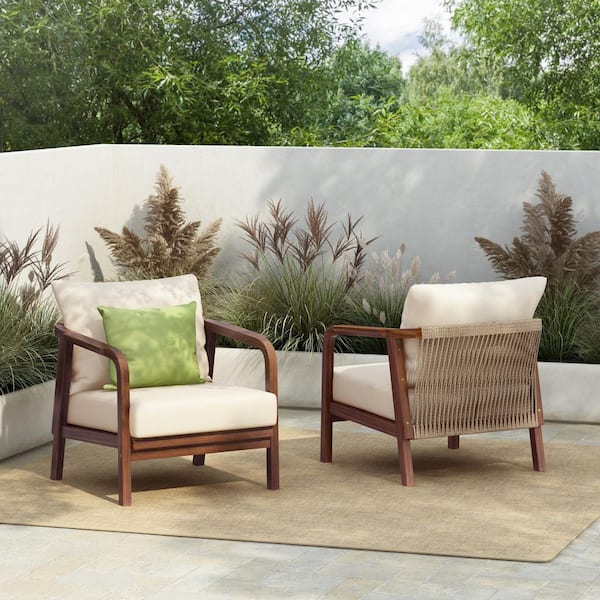
Credit: www.homedepot.com
Cost And Availability
Cost and availability play a big role in choosing walnut for outdoor furniture. Walnut wood is prized for its beauty and strength, but these qualities affect its price and how easy it is to find. Understanding these factors helps in making a smart purchase decision.
Price Range
Walnut wood tends to be expensive compared to other woods. Prices vary depending on the quality and source. Expect to pay more for furniture made of solid walnut. The cost reflects the wood’s durability and rich color. Budgeting for walnut furniture means planning for a higher investment.
Sourcing Walnut Wood
Walnut is sourced mainly from North America and Europe. The best walnut wood comes from mature trees, which are less common. This scarcity makes walnut harder to find in large quantities. Some suppliers offer walnut veneer as a cheaper alternative. Solid walnut pieces are rarer and more valuable.
Sustainability Concerns
Walnut trees grow slowly, which raises sustainability questions. Overharvesting can harm forests and wildlife. Many sellers now promote responsibly harvested walnut. Look for certifications like FSC to ensure ethical sourcing. Choosing sustainable walnut helps protect forests for the future.
Frequently Asked Questions
Is Walnut Wood Suitable For Outdoor Furniture?
Walnut is moderately durable but not the best for outdoor use. It resists moisture poorly and may warp or crack when exposed to rain and sunlight.
How Does Walnut Compare To Teak For Outdoor Furniture?
Teak outperforms walnut outdoors due to its natural oils and weather resistance. Walnut requires more maintenance and protective finishes to last outside.
Can Walnut Furniture Withstand Different Weather Conditions?
Walnut can handle mild weather but struggles with prolonged exposure to moisture and UV rays. Regular sealing is necessary to protect it outdoors.
What Maintenance Does Walnut Outdoor Furniture Need?
Walnut outdoor furniture needs frequent sealing and cleaning. Applying protective finishes helps prevent damage from moisture and sun exposure.
Conclusion
Walnut wood offers a rich, warm look for outdoor furniture. It resists weather well but needs regular care. The wood’s strength keeps furniture sturdy over time. It fits many outdoor styles and spaces. Choosing walnut means balancing beauty with upkeep.
A smart choice for those who value lasting quality. Walnut can make your outdoor area inviting and stylish. Simple care helps it stay beautiful for years. Consider walnut if you want natural charm outdoors.