Are you planning to build outdoor furniture that lasts through every season? You might be wondering if pressure treated wood is really necessary for your project.
Choosing the right wood can make all the difference between furniture that stands strong for years and pieces that quickly wear out or rot. You’ll discover why pressure treated wood might be the key to keeping your outdoor furniture durable and beautiful.
Keep reading to find out how to protect your investment and enjoy your outdoor space worry-free.
Credit: www.fouroakscrafts.com
Benefits Of Pressure Treated Wood
Pressure treated wood is a popular choice for outdoor furniture. It offers several benefits that help your furniture last longer. The treatment process makes the wood stronger and more resistant to damage.
Choosing pressure treated wood can save you money and effort in the long run. It stands up better to outdoor conditions than untreated wood. Here are some key benefits of using pressure treated wood for your outdoor furniture.
Resistance To Rot And Decay
Pressure treated wood resists rot and decay caused by moisture. The chemicals in the wood stop fungi and bacteria from growing. This keeps the wood strong and safe for years. Outdoor furniture made from this wood stays solid even after rain and snow.
Protection Against Insects
Insects like termites and ants can damage wood furniture. Pressure treated wood contains substances that repel these pests. It reduces the risk of insect damage and keeps your furniture looking good. This protection helps maintain the wood’s structure and appearance.
Durability In Harsh Weather
Sun, rain, and cold can harm wood over time. Pressure treated wood withstands extreme weather better than regular wood. It does not crack, warp, or split easily. This durability ensures your outdoor furniture stays sturdy and safe for many seasons.
Types Of Wood For Outdoor Furniture
Choosing the right wood for outdoor furniture is important. Wood must resist weather, insects, and decay. Different types of wood offer different benefits. This helps your furniture last longer and look good.
Pressure Treated Wood Varieties
Pressure treated wood is common for outdoor use. It gets chemicals pushed deep inside. These chemicals stop rot and bugs. Pine and fir are often treated this way. This wood is strong and affordable. It may need sealing or painting for best results.
Natural Rot-resistant Woods
Some woods resist rot naturally. Cedar and redwood are popular choices. They have oils that keep insects away. These woods need less treatment. They stay beautiful with little care. Teak and cypress are also good. These woods cost more but last longer.
Composite And Alternative Materials
Composite wood mixes wood fibers and plastic. It does not rot or split. This material needs less upkeep. It looks like real wood. Other options include metal and recycled plastic. These materials resist weather and insects well. They are easy to clean and maintain.
Safety Concerns With Pressure Treated Wood
Pressure treated wood is popular for outdoor furniture because it lasts longer. But safety concerns arise due to the chemicals used in treatment. Understanding these concerns helps you decide if this wood suits your space.
Chemical Treatments Explained
Pressure treated wood contains chemicals to stop rot and insects. These chemicals include copper compounds and other preservatives. They protect wood but can cause skin irritation and health risks. The chemicals stay in the wood and may leach out over time. This means contact with skin or food can be unsafe.
Handling And Maintenance Tips
Wear gloves when cutting or sanding pressure treated wood. Avoid burning this wood; toxic fumes can release. Wash hands well after touching the wood. Use sealants or paint to reduce chemical exposure. Regular maintenance extends the wood’s life and keeps it safer to use.
Environmental Impact
Chemicals from pressure treated wood can seep into soil and water. This can harm plants, animals, and water quality. Proper disposal of old wood is crucial to avoid pollution. Choosing safer wood types reduces environmental risks. Think about the impact before installing pressure treated wood outdoors.
Cost Comparison And Longevity
Choosing the right wood for outdoor furniture means thinking about cost and how long it lasts. Pressure treated wood costs more upfront but resists rot and insects better than untreated wood. This choice can save money over time by avoiding frequent repairs or replacements.
Initial Investment Vs. Long-term Value
Pressure treated wood usually costs 20% to 50% more than regular wood. This higher price covers chemicals that protect the wood. Untreated wood is cheaper but breaks down faster outdoors. Over years, pressure treated wood holds its shape and strength. It offers better value for people who want furniture that lasts.
Maintenance Costs Over Time
Pressure treated wood needs less care than untreated wood. It resists moisture and bugs, cutting down on repairs. Untreated wood can need yearly painting or sealing. These extra tasks add to total cost. Pressure treated wood may require fewer treatments. This reduces work and money spent on upkeep.
When To Choose Pressure Treated Wood
Choosing the right wood for outdoor furniture depends on several factors. Pressure treated wood is popular because it resists rot and insects. Knowing when to select this type of wood can save money and effort over time.
Climate And Location Factors
Pressure treated wood works best in wet or humid climates. Rain and moisture speed up wood decay. Coastal areas with salty air also harm untreated wood fast. Dry climates may not need treated wood as much. But areas with lots of bugs benefit from pressure treated wood. It lasts longer and stays strong against nature’s wear.
Furniture Usage And Exposure
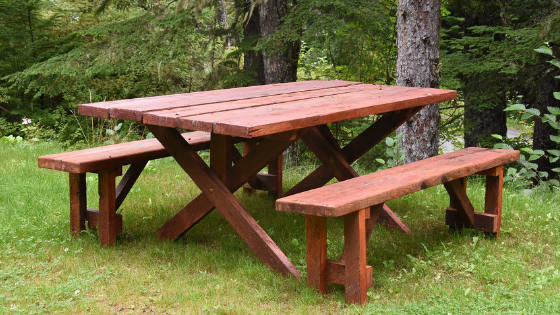
Outdoor furniture exposed to rain, sun, or ground contact needs protection. Pressure treated wood handles these conditions well. For furniture that stays under a covered porch, treatment may not be necessary. Heavy use and frequent movement can cause damage to untreated wood. Pressure treated wood resists cracking and warping better. It is a smart choice for picnic tables and benches that face rough use.
Personal Preferences And Aesthetics
Pressure treated wood has a greenish tint at first but fades with time. Some people prefer its natural look and rugged feel. Others want smoother wood and choose cedar or redwood instead. Painting or staining pressure treated wood is possible to match any style. Deciding on wood often comes down to how the furniture looks and feels. Pressure treated wood offers durability with decent appearance options.

Credit: cardinalhomecenter.com
Alternatives To Pressure Treated Wood
Pressure treated wood is common for outdoor furniture. Yet, it is not the only choice. Other materials offer durability and beauty without chemicals. These alternatives can fit different budgets and styles. Exploring them helps find the best wood for your outdoor space.
Cedar And Redwood Options
Cedar and redwood resist rot and insects naturally. Their oils protect wood without added chemicals. Both woods have a warm, rich color that ages well. These woods are lighter and easier to work with. They require less maintenance than untreated wood. Perfect for furniture that lasts and looks good.
Synthetic And Recycled Materials
Synthetic wood-like materials resist weather and pests fully. Made from plastic or recycled wood fibers. These options need no sealing or staining. They stay strong and colorfast for many years. Great for those who want low care and eco-friendly choices. Many styles mimic real wood textures and colors.
Sealing And Finishing Techniques
Sealing wood helps protect it from water and sun damage. Use water-repellent sealers for best results. Stains add color and extra protection at once. Regular finishing slows wood aging and cracking. Clean and sand furniture before applying any finish. A good finish extends life and keeps wood beautiful outdoors.
Tips For Caring For Outdoor Furniture
Caring for outdoor furniture helps it last longer and stay beautiful. Proper care stops damage from weather and wear. Follow these simple tips to keep your furniture in good shape all year.
Cleaning And Sealing
Clean your outdoor furniture regularly to remove dirt and dust. Use mild soap and water with a soft brush or cloth. Avoid harsh chemicals that can damage wood or finish. After cleaning, apply a sealant to protect the wood from sun and rain. Sealants create a barrier that stops moisture from entering. Reapply sealant every year for best protection.
Protecting Against Moisture
Water can cause wood to swell, crack, or rot. Keep furniture dry by wiping off water quickly. Use covers during heavy rain or wet weather. Place furniture on a raised surface to avoid direct contact with wet ground. Good airflow around furniture also helps moisture evaporate fast.
Seasonal Storage Advice
Store outdoor furniture indoors during winter or long wet seasons. Clean and dry furniture before storing to prevent mold and mildew. Use breathable covers if indoor storage is not possible. Avoid plastic covers that trap moisture. Proper storage reduces damage and extends furniture life.

Credit: www.reddit.com
Frequently Asked Questions
Is Pressure Treated Wood Best For Outdoor Furniture?
Pressure treated wood resists rot, decay, and insects. It is durable and lasts longer outdoors. However, it can be heavy and may release chemicals. Choose based on your budget, appearance preference, and safety needs for children or pets.
Can Untreated Wood Survive Outdoor Conditions?
Untreated wood can survive briefly outdoors but is prone to rot and insect damage. It requires frequent sealing and maintenance. Without treatment, outdoor furniture may deteriorate quickly, reducing its lifespan and durability.
How Safe Is Pressure Treated Wood For Furniture?
Modern pressure treated wood uses safer preservatives, but it may still contain chemicals. Avoid using it for food contact surfaces. Always seal the wood and handle it carefully to reduce exposure risks.
What Are Alternatives To Pressure Treated Wood Outdoors?
Cedar, redwood, teak, and composite materials are popular alternatives. They naturally resist weather and insects without chemicals. These options often need less maintenance and provide a beautiful natural look.
Conclusion
Choosing pressure treated wood helps your outdoor furniture last longer. It resists rot, insects, and weather damage well. This wood needs proper sealing and care to stay strong. Untreated wood may look good but can wear out fast. Think about your budget and how long you want furniture to last.
Pressure treated wood offers good value over time. Protect your investment with simple maintenance. Enjoy your outdoor space without worry.