Have you ever wondered if your outdoor furniture can truly brave the elements all year round? You want your patio set to look great and last long, but rain, sun, and wind can be tough on it.
What if leaving your furniture outside damages it or shortens its life? You’ll discover the truth about keeping outdoor furniture outdoors, how to protect your investment, and simple tips to make sure your pieces stay beautiful season after season. Keep reading to find out how to enjoy your outdoor space without worry.
Types Of Outdoor Furniture Materials
Outdoor furniture comes in many materials, each with unique features. Choosing the right material affects how long your furniture lasts outside. Some materials handle sun and rain better than others. Understanding these options helps you pick durable and stylish pieces for your outdoor space.
Wood Options
Wood is classic and looks natural in outdoor spaces. Teak and cedar resist water and insects well. They can last many years with simple care. Other woods may need treatments to avoid rotting and warping. Wood furniture often requires sealing or oiling to keep it strong.
Metal Choices
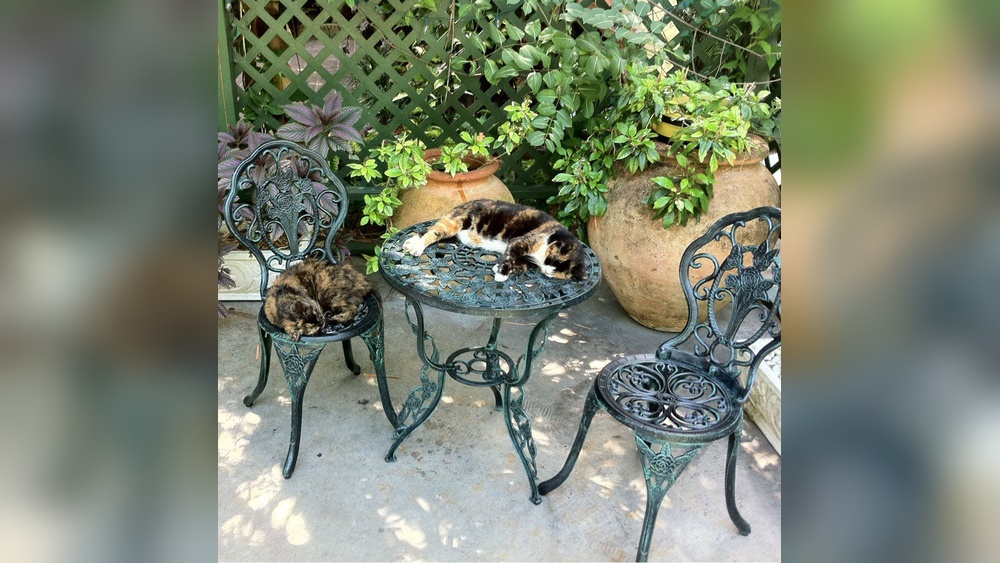
Metal furniture is strong and modern. Aluminum is lightweight and won’t rust easily. Steel is very sturdy but can rust if not coated. Wrought iron looks elegant but needs paint to stop rust. Metal often stays cool in the sun and holds up well in wind.
Plastic And Resin
Plastic and resin furniture is easy to clean and light. It does not absorb water and won’t rust. These materials resist fading from the sun. They can be less strong than wood or metal but work well for casual use. Plastic pieces often stack for easy storage.
Wicker And Rattan
Wicker and rattan give a cozy, natural feel. Natural rattan is less weatherproof and can break down outdoors. Synthetic wicker is made from plastic and lasts longer outside. This type resists sun and rain better. Cushion covers often match wicker styles for comfort.
Fabric And Cushions
Outdoor cushions add comfort and color. Fabrics made for outdoors resist fading and mold. Look for water-resistant and quick-drying fabrics. Cushions need storage or covers to last through heavy rain. Regular cleaning keeps cushions fresh and inviting.
Weather Effects On Furniture
Outdoor furniture faces many challenges from the weather. Sun, rain, wind, and cold all change how furniture looks and lasts. Understanding these effects helps you protect your investment. Some materials handle weather better than others. Knowing what happens outside can guide your choices and care.
Sun Exposure
The sun’s rays can fade colors on fabric and wood. UV light breaks down materials over time. Plastic and metal can get hot and brittle. Prolonged sun weakens finishes and causes cracking. Shade or covers help reduce sun damage.
Rain And Moisture
Rain soaks into wood and cushions, causing swelling and mold. Metal may rust if not treated. Water left on surfaces invites decay. Proper drainage and waterproof covers keep moisture away. Quick drying is important after rain.
Wind Impact
Strong winds can move or tip over furniture. Dust and debris scratch surfaces during storms. Loose parts may loosen or break. Heavy furniture or securing items prevents wind damage. Store small items inside during high winds.
Cold And Snow
Freezing temperatures cause wood to crack and metal to become brittle. Snow adds weight and moisture stress. Ice can damage cushions and fabrics. Storing furniture indoors or using weatherproof covers helps. Regular checks prevent winter wear and tear.
Durability Factors To Consider
Outdoor furniture faces many challenges from weather and daily use. Its ability to stay outside depends on several important factors. Understanding these helps you choose pieces that last longer and look good.
Durability depends on what the furniture is made of, how it is built, and the protection it has against elements. These points ensure your furniture can handle rain, sun, wind, and dirt.
Material Quality
Good materials resist water, sun damage, and rust. Wood like teak and cedar naturally fight decay. Metal with rust-proof coating lasts longer. Plastic and resin resist moisture and fading. The better the material, the longer the furniture stays strong outside.
Construction And Design
Strong joints and solid frames hold furniture together. Look for screws and bolts, not just glue or nails. Designs that allow water to drain prevent damage. Pieces with thick legs and sturdy supports resist wind and wear. Well-built furniture stays stable and safe outdoors.
Protective Finishes
Finishes add a barrier against rain, sun, and dirt. Paint, varnish, or sealants keep moisture out. Powder coating on metal stops rust and scratches. Some finishes also block UV rays to prevent fading. Proper finishes extend furniture life and keep it looking fresh.
Credit: galanterandjones.com
Maintenance Tips For Longevity
Outdoor furniture faces weather and dirt every day. Proper care helps it last longer and look good. Regular maintenance keeps the material strong and colors bright. Small efforts can save money on repairs or replacement.
Cleaning Techniques
Clean your outdoor furniture often. Use mild soap and water for most materials. Avoid harsh chemicals that can damage surfaces. Soft brushes or cloths remove dirt without scratching. Rinse well and dry completely to stop mold growth.
Seasonal Care
Check furniture before each season. Tighten screws and fix loose parts. Treat wood with sealant or oil to protect from moisture. Metal furniture may need rust protection. Remove cushions and clean them separately to avoid mildew.
Storage Solutions
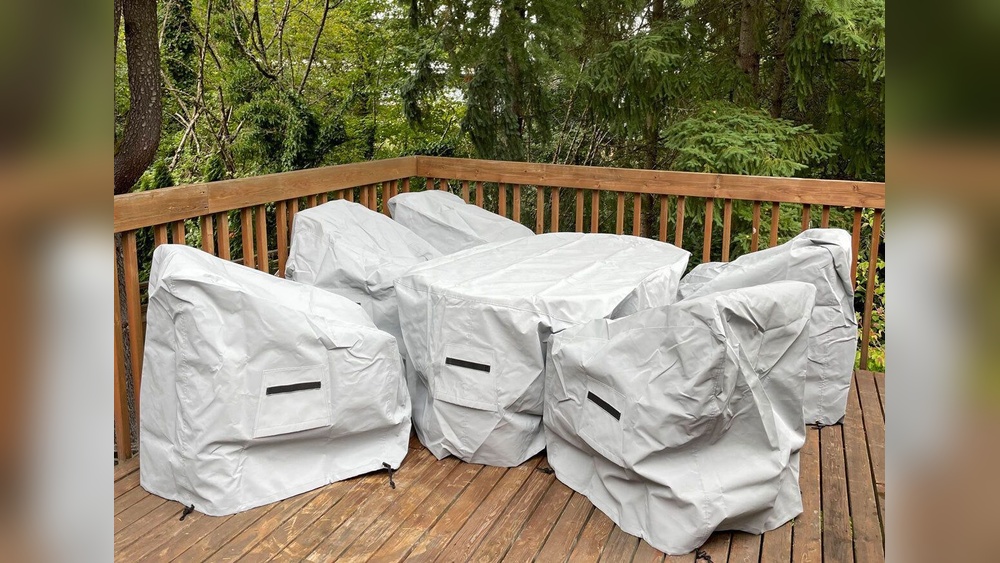
Store furniture in a dry place during harsh weather. Cover pieces with breathable covers to keep dust away. Stack chairs carefully to avoid damage. Use indoor storage if possible during winter months. Proper storage reduces wear and tear over time.
Best Furniture For Permanent Outdoor Use
Outdoor furniture must resist sun, rain, and wind all year. Choosing the right materials keeps furniture strong and looking good. Some furniture can stay outside without damage for many seasons.
Best furniture for permanent outdoor use combines durability and weather resistance. These pieces handle harsh conditions and still provide comfort and style.
Highly Durable Materials
Teak is a popular choice for outdoor furniture. It contains natural oils that protect wood from water and insects. Aluminum is light but very strong. It does not rust and holds up well in rain. Synthetic wicker made from resin lasts longer than natural wicker. It resists cracking and fading under the sun. Stainless steel is tough and stays shiny without rust. It is heavier but perfect for windy areas.
Weather-resistant Features
Furniture with powder-coated finishes resists rust and scratches. Water-resistant cushions dry quickly and avoid mold. UV-resistant fabrics keep colors bright over time. Drainage holes or slats help water flow away. This stops pooling and damage. Covers protect furniture during storms but should allow air flow to prevent mildew.

Credit: monstershop.co.uk
Common Mistakes To Avoid
Outdoor furniture can last longer with the right care. Many make simple mistakes that harm their furniture. Avoid these common errors to keep your outdoor pieces looking good. Learn what to watch out for below.
Neglecting Maintenance
Cleaning your outdoor furniture is important. Dirt and dust build up quickly outside. This can cause stains and damage. Wipe down surfaces regularly with a soft cloth. Use mild soap and water for tougher spots. Check for loose screws or broken parts often. Fix problems early to avoid bigger repairs.
Improper Storage
Leaving furniture out all year can cause harm. Some materials do not handle cold or wet weather well. Store cushions in a dry place during rain or snow. Use furniture covers to protect wood and metal pieces. Putting items in a shed or garage helps too. Proper storage extends the life of your furniture.
Ignoring Weather Protection
Sun, rain, and wind damage outdoor furniture. UV rays can fade colors and weaken materials. Rain causes rust and mold growth. Use protective sprays or sealants on wood and metal. Move lightweight furniture inside during storms. Protecting furniture from weather keeps it strong and fresh.
Innovations In Outdoor Furniture Durability
Outdoor furniture faces many challenges. Rain, sun, wind, and dirt can damage it. New technology helps furniture last longer outside. These improvements focus on strength and protection.
Durability is the key to enjoying outdoor spaces year-round. Innovations make furniture more resistant and easier to maintain. Here are some important advances in outdoor furniture durability.
Advanced Coatings
Coatings protect furniture surfaces from water and UV rays. They prevent rust on metal parts and fading on fabrics. New coatings are thin but very strong. They stop moisture from entering and reduce damage. Some coatings also resist stains and dirt. This keeps furniture looking fresh for a long time.
Sustainable Materials
Eco-friendly materials are tougher and better for the planet. Recycled plastics, treated wood, and metal alloys are popular choices. These materials resist rot, cracks, and insect damage. They need less care and last through harsh weather. Choosing sustainable furniture supports the environment and saves money in the long run.
Smart Furniture Features
Smart features add convenience and protection. Some furniture has built-in sensors to detect weather changes. They alert owners to cover or move pieces. Others include self-cleaning surfaces or adjustable parts. These features extend furniture life and improve user experience. Smart furniture blends technology with outdoor living comfort.

Credit: armadillosun.com
Frequently Asked Questions
Can Outdoor Furniture Stay Outside All Year?
Yes, some outdoor furniture is designed to withstand all seasons. Materials like teak, aluminum, and synthetic wicker resist weather damage well.
How To Protect Outdoor Furniture From Harsh Weather?
Use covers, apply sealants, and store cushions indoors. Regular cleaning and maintenance also extend the furniture’s lifespan.
Does Rain Damage Outdoor Furniture Quickly?
Rain can cause rust, mold, or wood rot if furniture isn’t weather-resistant. Proper treatment and care help prevent damage.
What Materials Are Best For Outdoor Furniture?
Teak, aluminum, resin wicker, and stainless steel are durable. These materials resist moisture, UV rays, and temperature changes effectively.
Conclusion
Outdoor furniture can stay outside with proper care and protection. Choose materials that resist weather well. Cover furniture during rain or snow to extend its life. Clean and maintain pieces regularly to keep them looking good. Storing cushions inside helps prevent mold and fading.
Small efforts make a big difference in durability. Enjoy your outdoor space without worry. With simple steps, your furniture stays strong and beautiful longer.