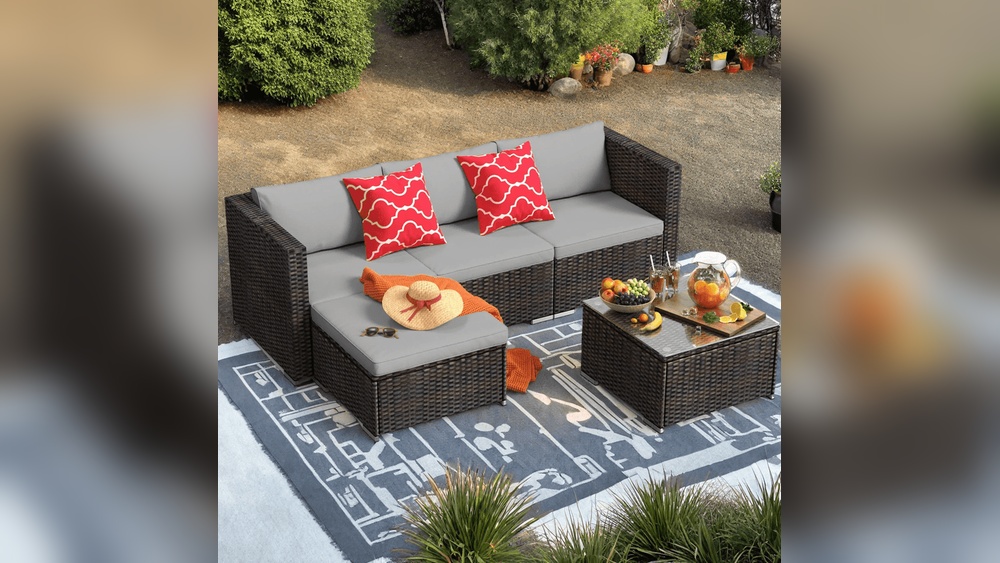
Is your once vibrant outdoor furniture now dull and faded? You don’t have to replace it just yet.
Imagine bringing back the bright, fresh look your plastic chairs and tables had when you first bought them. It’s easier than you think, and you can do it yourself without spending a fortune. You’ll discover simple, effective steps to restore color and make your outdoor space inviting again.
Keep reading—you’re about to unlock the secret to refreshing your furniture and enjoying your patio like new.
Causes Of Fading In Plastic Furniture
Plastic outdoor furniture can lose its bright color over time. Understanding why this happens helps in fixing the problem. Fading happens mainly because of sun, weather, and daily use. Each factor plays a role in making the plastic look old and dull.
Sun Exposure Effects
Sunlight is the biggest cause of fading in plastic furniture. The UV rays break down the plastic’s surface. This damage makes the color fade and the plastic brittle. Long hours in direct sunlight speed up this process. The colors become dull and lose their shine.
Weather Impact
Rain, wind, and temperature changes also harm plastic furniture. Water can cause stains and weaken the plastic. Cold weather makes plastic hard and more likely to crack. Heat causes the plastic to expand and lose shape. These weather changes wear out the furniture over time.
Material Wear And Tear
Daily use causes scratches and scuffs on plastic furniture. Cleaning with harsh chemicals can strip color too. Dirt and dust build-up dull the surface. These small damages add up and make the furniture look old. Regular care helps slow down this wear and tear.
Prepping Furniture For Color Revival
Prepping your plastic outdoor furniture is the first step to bring back its color. Cleaning the surface well helps the new color stick better. Dirt and stains can block paint or dye from bonding. A clean, dry surface is easier to work with and looks smoother after color revival.
Cleaning Techniques
Use a mild soap mixed with warm water. A soft brush or sponge helps remove loose dirt. Avoid harsh chemicals that can damage plastic. Rinse thoroughly to remove all soap residue. Repeat cleaning if the furniture feels sticky or dusty.
Removing Stains And Dirt
Stubborn stains need extra care. Try a paste of baking soda and water for gentle scrubbing. For mildew, use a mix of water and white vinegar. Apply the solution and let it sit for 10 minutes. Scrub lightly and rinse well to clear all stains.
Drying And Surface Inspection
Dry the furniture in the sun or with a clean towel. Check for any cracks or rough spots. Smooth rough areas with fine sandpaper. Dry surface ensures the paint or dye will not peel. Inspect carefully to plan any repairs before coloring.
Diy Color Restoration Methods
Faded plastic outdoor furniture can look dull and tired. Restoring its color can bring life back to your garden or patio. DIY methods let you refresh your furniture without spending too much. These simple techniques can make your plastic pieces look newer and brighter.
Using Heat Guns
Heat guns can restore color by melting the plastic surface slightly. This brings the original color back. Hold the heat gun a few inches from the furniture. Move it slowly to avoid melting the plastic too much. The heat helps to smooth out scratches and dull spots. Always wear gloves and work in a well-ventilated area.
Applying Plastic Restorers
Plastic restorers are special liquids made for faded plastics. They soak into the surface and revive the color. Clean your furniture first with soap and water. Use a soft cloth to apply the restorer evenly. Let it dry according to the product instructions. These products protect against future fading too. Choose a restorer designed for outdoor use for best results.
Homemade Solutions
Simple household items can brighten faded plastic. Mix vinegar and olive oil for a natural restorer. Apply the mix with a cloth and rub gently. Baking soda paste can clean stains and brighten surfaces. Use a soft brush to avoid scratching. These homemade solutions are cheap and eco-friendly. Repeat the process every few months to keep colors fresh.

Credit: www.amazon.com
Choosing The Right Products
Choosing the right products makes a big difference in restoring faded plastic outdoor furniture. The right items clean, protect, and bring back color effectively. Using poor-quality or wrong products can cause more damage or leave uneven results.
Each product type serves a special purpose. Some clean deeply, others block sun damage, and some add fresh color. Knowing what each product does helps pick the best one for your furniture’s needs.
Plastic Restorative Cleaners
Plastic restorative cleaners remove dirt, stains, and old residues. They prepare the surface for further treatment. These cleaners often contain mild abrasives or special chemicals that brighten faded plastic. Choose a cleaner made for outdoor plastic to avoid damage.
Uv Protectants
UV protectants shield plastic from sun rays that cause fading. They slow down future color loss and cracking. These products often come as sprays or wipes. Applying UV protectants after cleaning keeps furniture looking fresh longer.
Paints And Sprays
Paints and sprays restore color by covering faded plastic with new layers. Use paint made for plastic surfaces and outdoor use. Spray paints offer even coats and smooth finishes. This option works best when color restoration alone is not enough.
Step-by-step Revival Process
Restoring the color of faded plastic outdoor furniture is easier than it seems. Follow a clear step-by-step process to bring back the vibrant look. This guide will help you refresh your furniture safely and effectively.
Preparation And Safety Measures
Start by cleaning the furniture with soap and water. Remove dirt and dust completely. Dry the surface well before moving on.
Wear gloves and a mask to protect your skin and lungs. Work in a well-ventilated area to avoid inhaling fumes. Cover nearby plants or objects to prevent stains.
Product Application Tips
Choose a plastic-safe paint or dye made for outdoor use. Stir the product gently before use to mix it well.
Apply thin, even coats using a sponge or brush. Avoid thick layers that can drip or peel. Let each coat dry before adding the next one.
Drying And Finishing Touches
Allow the furniture to dry fully in a shaded area. Direct sun can cause uneven drying or damage.
After drying, check for missed spots and touch them up carefully. Apply a clear sealant to protect the color longer. Let the sealant dry completely before use.
Maintaining Vibrant Plastic Furniture
Maintaining vibrant plastic furniture keeps your outdoor space fresh and inviting. Faded colors can make your patio look old and dull. Simple care steps protect your furniture and extend its life. Bright colors bring joy and comfort to your outdoor moments.
Regular Cleaning Routines
Clean plastic furniture often to prevent dirt buildup. Use mild soap and warm water with a soft cloth. Avoid harsh chemicals that can damage plastic surfaces. Rinse well and dry completely to stop water spots. Regular cleaning removes stains and keeps colors bright.
Protective Covers And Placement
Use covers to shield furniture from sun and rain. Covers reduce fading caused by UV rays. Place furniture in shaded or covered areas when possible. Avoid direct sunlight for long hours. Proper placement slows down color loss and material wear.
Seasonal Care Advice
Store furniture indoors during harsh winter months. Cold and moisture can cause plastic to crack or fade. Before winter, clean and dry furniture thoroughly. Apply a UV protectant spray to preserve colors. Seasonal care helps maintain your furniture’s look year-round.
When To Replace Instead Of Restore
Deciding whether to restore or replace faded plastic outdoor furniture can be tricky. Restoration can bring back color and shine, but sometimes damage is too severe. Knowing when to replace saves time and money. It also avoids frustration from failed repairs.
Signs Of Irreparable Damage
Cracks that go deep or break the structure mean replacement. Warping or melting from heat cannot be fixed. Large surface areas with peeling or flaking color show decay. If the furniture feels weak or unstable, it is unsafe. Scratches and small stains are fixable, but not these problems.
Cost Vs. Benefit Considerations
Restoring old furniture may cost more than buying new. Paint, cleaners, and labor add up quickly. New furniture offers fresh color and durability. Sometimes, replacing saves money and effort. Consider how long the furniture will last after repair. If it is near the end of life, replace it instead.

Credit: www.youtube.com

Credit: www.amazon.com
Frequently Asked Questions
How Can I Restore Color To Faded Plastic Outdoor Furniture?
You can restore color by cleaning the furniture thoroughly first. Then, use plastic-safe spray paint or a color restorer specifically made for plastics. Apply evenly in a well-ventilated area to revive the original look and protect against future fading.
What Products Work Best For Reviving Faded Plastic Furniture?
Use plastic spray paints, UV-resistant restorers, or specialized plastic dyes. These products penetrate the surface to bring back vibrancy and add a protective layer. Avoid harsh chemicals that may damage the plastic further or cause discoloration.
Is It Safe To Use Household Items To Brighten Plastic Furniture?
Yes, mild soap and baking soda can clean dirt and stains effectively. However, they won’t restore color. For color revival, specialized plastic products or spray paints are recommended for safety and best results.
How Often Should I Maintain Plastic Outdoor Furniture Color?
Maintain color every 1-2 years, depending on sun exposure and weather. Regular cleaning and applying a UV protectant can extend the vibrant look. Routine care prevents deep fading and prolongs the furniture’s lifespan.
Conclusion
Restoring color to faded plastic furniture is simple and rewarding. Clean the surface well before applying paint or dye. Choose products made for outdoor use to ensure lasting results. A fresh coat brings new life and brightens your space. Regular care keeps your furniture looking its best.
Enjoy your colorful outdoor area all year round. Small steps can make a big difference. Try these tips and see the change yourself.