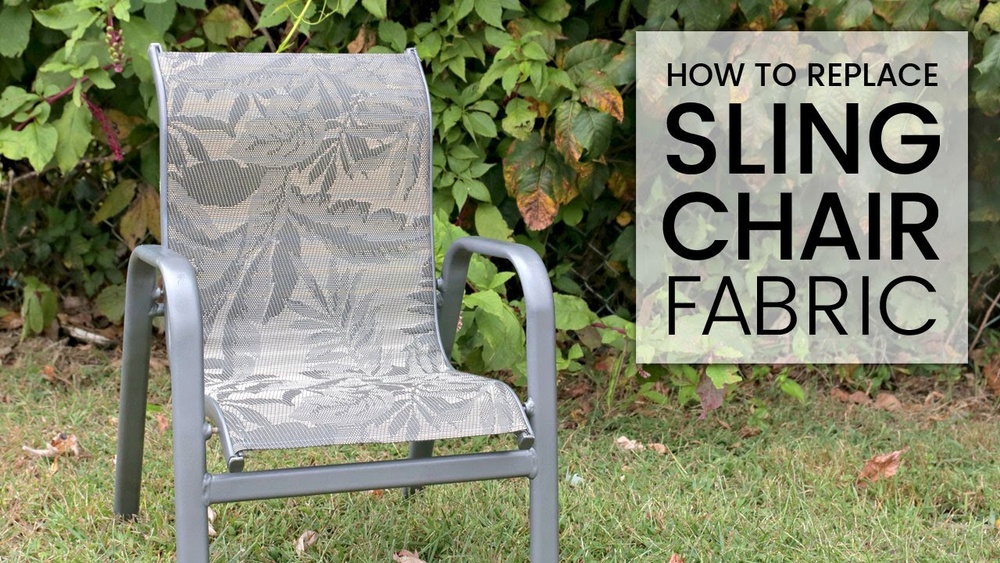
You love spending time outside, but your outdoor furniture doesn’t seem to share that feeling—especially when cats turn it into their personal playground. If you’ve ever found scratches, fur, or even little accidents on your chairs and cushions, you know how frustrating it can be.
But what if you could protect your furniture without chasing your feline friends away? You’ll discover simple and effective ways to keep your outdoor space looking fresh and inviting, while still letting your cats enjoy their time outside. Ready to save your furniture and keep your cats happy?
Let’s dive in.
Common Cat Behaviors On Furniture
Cats have unique habits that affect outdoor furniture. Understanding these actions helps protect your furniture better. Cats use outdoor spaces to play, rest, and mark their territory. Their behavior can cause scratches, stains, and wear on furniture surfaces.
Why Cats Scratch Outdoors
Scratching is natural for cats. They scratch to sharpen their claws and remove old claw layers. Scratching also marks their territory using scent glands in their paws. Outdoor furniture often becomes a target because it is sturdy and accessible. This behavior helps cats feel secure and comfortable in their environment.
Attraction To Outdoor Furniture
Outdoor furniture attracts cats for several reasons. Soft cushions and fabrics offer a cozy place to rest. Furniture provides shade and shelter from weather elements. Cats enjoy climbing on furniture to observe their surroundings. These factors make outdoor furniture a favorite spot for many cats.

Credit: scala-santa.com
Materials That Resist Cat Damage
Outdoor furniture often faces a challenge from playful cats. Scratches, claw marks, and torn cushions can ruin your set quickly. Choosing the right materials can help protect your furniture. Some fabrics and frames resist cat damage better than others. This section explains materials that keep your outdoor space looking good, despite curious cats.
Durable Fabrics For Cushions
Choose tough fabrics designed to resist claws and rough use. Solution-dyed acrylic and polyester fabrics are strong and weather-resistant. These fabrics stand up to scratching better than cotton or linen. Look for tight weaves that make it hard for claws to catch. Outdoor cushions with a protective coating also add durability. Avoid soft or fuzzy textures that attract cats to scratch.
Sturdy Frame Choices
Metal frames like aluminum and steel offer strong resistance to cat damage. These materials do not splinter or crack under pressure. Wicker frames can be tricky; synthetic wicker is more durable than natural rattan. Avoid wood frames that cats can easily scratch or chew. Frames with smooth finishes are easier to clean and maintain. Solid frames add stability, stopping cats from shaking or toppling furniture.
Physical Barriers And Covers
Protecting outdoor furniture from cats can be simple with physical barriers and covers. These methods block cats from scratching or sitting on your furniture. They keep your outdoor space neat and safe. Use these practical ideas to guard your furniture without harm to cats.
Using Furniture Covers
Furniture covers shield your outdoor pieces from cat claws and dirt. Choose thick, durable covers that fit tightly. Waterproof materials work best for all weather. Covers are easy to clean and store when not in use. They stop cats from feeling comfortable on your furniture.
Installing Deterrent Barriers
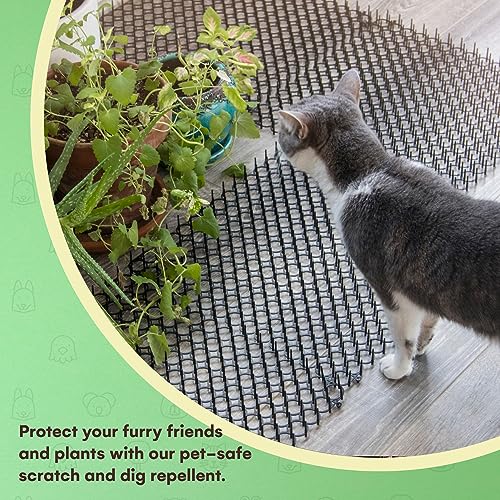
Deterrent barriers create a physical block that cats avoid. Place plastic spikes or mats around furniture legs and cushions. These surfaces feel uncomfortable to cats but do not hurt them. Barriers can be hidden under covers or cushions. This method teaches cats to stay away without stress.
Natural Deterrents For Cats
Natural deterrents offer a safe way to keep cats away from outdoor furniture. These methods use smells and plants cats dislike. They do not harm cats or your garden.
Using natural deterrents protects your furniture without chemicals. It also keeps your outdoor space fresh and inviting.
Scents Cats Avoid
Cats have a strong sense of smell. Certain scents bother them and make them stay away. Citrus smells like lemon and orange peel are unpleasant to cats. Sprinkling these around your furniture can keep cats at bay.
Other scents cats dislike include vinegar and coffee grounds. Place small bowls of vinegar near furniture legs or spread used coffee grounds around. These smells create a natural barrier for cats.
Plants That Repel Cats
Some plants naturally keep cats away. Planting these near your outdoor furniture adds beauty and protection. Rue is a popular choice. It has a bitter smell that cats avoid.
Lavender and rosemary also repel cats. Their strong scents make cats uncomfortable. Plant these herbs in pots or garden beds around your seating areas.
Another option is Coleus canina, known as the “scaredy-cat plant.” It releases a smell that cats dislike strongly. Adding these plants creates a natural shield around your furniture.
Behavioral Techniques
Behavioral techniques help protect outdoor furniture by changing how cats act. These methods focus on teaching cats where to go and what to avoid. Cats respond well to training and clear boundaries. Using these strategies keeps your furniture safe and your cat happy. Patience and consistency are key to success.
Training Cats To Stay Away
Training cats to avoid furniture starts with gentle discouragement. Use a firm voice or clap hands softly when the cat approaches the furniture. Repeat this every time the cat tries to jump or scratch. Cats learn to link the action with a negative result. Offer praise when the cat stays away. This method builds good habits over time.
Providing Alternative Scratching Areas
Give cats special places to scratch and play. Place scratching posts or pads near the outdoor furniture. Cats prefer natural materials like sisal or wood. Encourage use by rubbing catnip on the posts. Reward cats for using these spots with treats or petting. This reduces damage to your furniture and satisfies your cat’s needs.

Credit: www.walmart.com
Regular Maintenance Tips
Regular maintenance helps keep outdoor furniture safe from cats. It stops damage early and keeps your furniture clean. Small actions can save big repairs later. Consistent care makes your furniture last longer and stay nice.
Cleaning To Remove Cat Attractants
Clean furniture often to remove smells that attract cats. Wipe away food crumbs and dirt quickly. Use mild soap and water for regular cleaning. Avoid strong scents that may invite cats to your furniture. A clean surface discourages cats from scratching or sitting.
Repairing Minor Damage Quickly
Fix small scratches and tears as soon as you see them. Use repair kits for wood, plastic, or fabric materials. Quick repairs prevent damage from getting worse. Check your furniture regularly to spot problems early. This keeps your furniture looking good and hard to damage.
Credit: scala-santa.com
Frequently Asked Questions
How Can I Keep Cats Off My Outdoor Furniture?
Use natural repellents like citrus peels or vinegar spray on furniture. Cover furniture with protective covers. Place motion-activated sprinklers nearby to deter cats effectively. Regularly clean the area to remove scents that attract cats.
What Materials Protect Outdoor Furniture From Cat Damage?
Choose durable materials like metal, teak, or synthetic wicker. These resist scratching and moisture damage better than softer woods. Use waterproof cushions with washable covers to prevent stains. Protective coatings can also extend furniture life against cats.
Are Cat Repellents Safe For Outdoor Furniture?
Yes, most natural cat repellents like citrus or vinegar are safe. Avoid harsh chemicals that may damage furniture finishes. Always test sprays on a small area first. Regular application is needed for continued protection.
How Do Motion-activated Devices Protect Outdoor Furniture?
These devices detect movement and emit water or sound. This startles cats and discourages them from approaching furniture. They work without harming animals or damaging furniture. Place devices strategically for maximum coverage and effect.
Conclusion
Protecting outdoor furniture from cats takes simple steps and patience. Use covers or sprays to keep cats away. Place distractions like toys or scratching posts nearby. Check furniture regularly for damage or dirt. Small efforts help keep your space clean and safe.
Enjoy your outdoor area without worrying about cats. Keep these tips in mind for lasting results. Your furniture will stay nice and inviting. A peaceful outdoor space is possible with care.