Are you tired of chasing your outdoor cushions every time the wind blows? Keeping cushions in place on your outdoor furniture can be frustrating, but it doesn’t have to be.
Imagine enjoying your patio without constantly adjusting or losing those comfy cushions. You’ll discover simple and effective ways to keep your cushions secure, so your outdoor space stays neat and inviting. Ready to learn the secrets that will save you time and hassle?
Let’s dive in!
Choose The Right Cushion Material
Choosing the right cushion material is key to keeping cushions on outdoor furniture. Good material helps cushions stay in place and last longer. It also protects against weather damage. Picking strong fabrics and fillings makes outdoor cushions more comfortable and durable.
Weather-resistant Fabrics
Fabrics that resist rain, sun, and wind work best for outdoor cushions. Look for materials like solution-dyed acrylic or polyester. These fabrics dry quickly and resist fading from sunlight. Water-resistant covers stop moisture from soaking into cushions. This prevents mold and mildew growth. Textured fabrics also add grip, which helps cushions stay put.
Durable Cushion Fillings
Strong cushion fillings keep shape and resist moisture. Foam with quick-dry technology is a smart choice. It allows water to drain fast and air to circulate. Polyester fiberfill is soft but dries slowly, so use it in covered areas. Avoid cotton or regular foam, as they absorb water and rot easily. Choosing the right filling keeps cushions firm and comfortable for longer.

Credit: www.hookandloop.com
Secure Cushions With Ties And Straps
Keeping outdoor cushions in place improves comfort and keeps your space neat. Ties and straps are simple tools to secure cushions against wind and movement. They help cushions stay put on chairs, benches, and sofas. Using ties and straps also prevents cushions from falling or blowing away. This section explains how to use built-in ties and add extra straps for better cushion security.
Using Built-in Ties
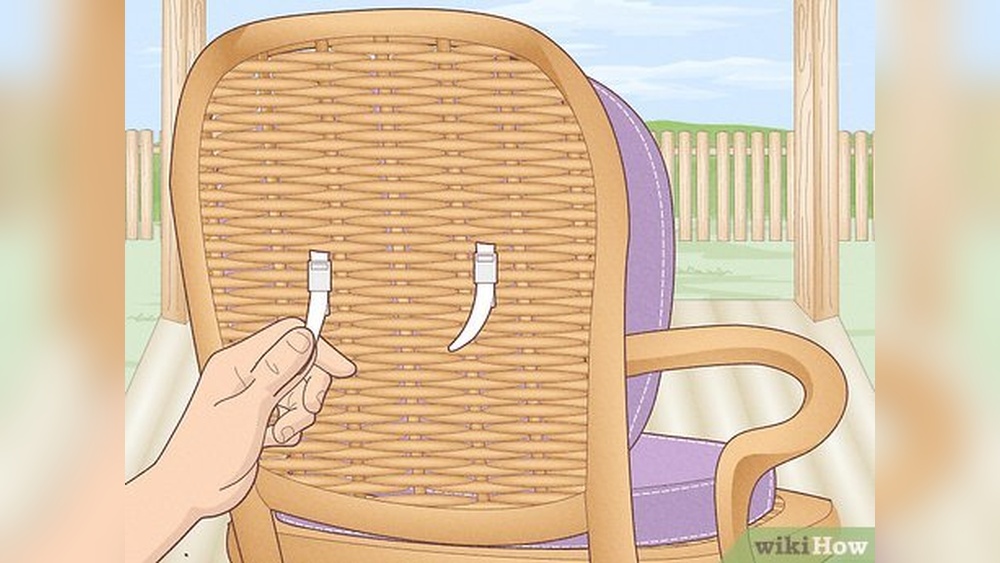
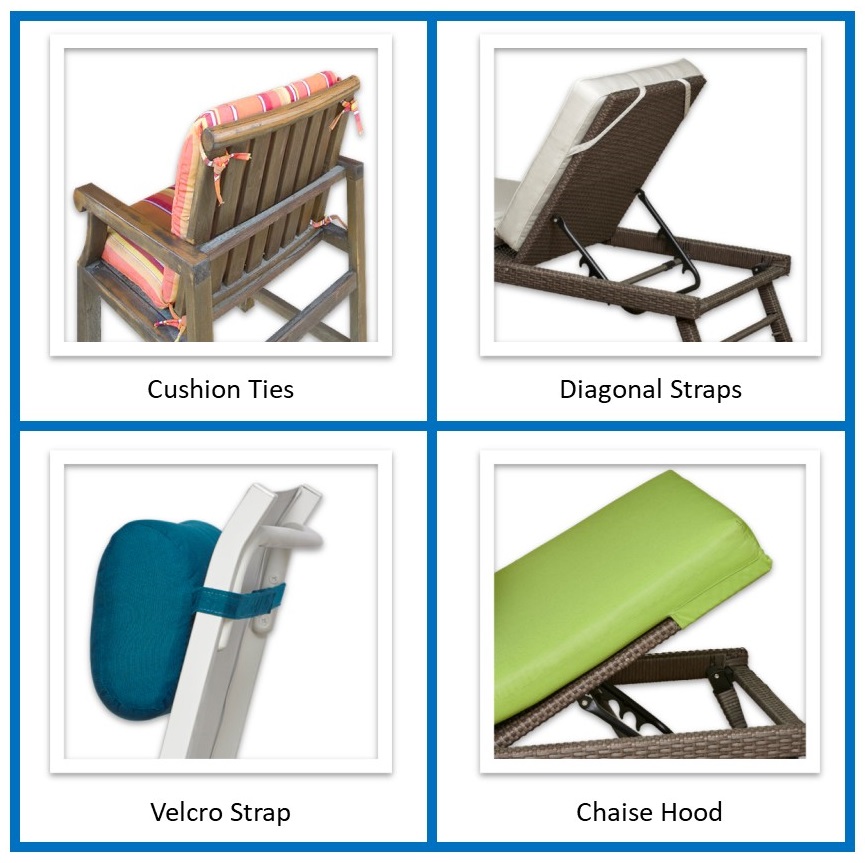
Many outdoor cushions come with built-in ties attached to the corners. These ties wrap around furniture parts like chair backs or armrests. To secure cushions, simply knot the ties tightly. This keeps cushions stable and stops them from sliding off. Built-in ties work best on furniture with open frames or slats. They are easy to use and do not damage cushions or furniture. Check your cushions for these ties before buying extra straps.
Adding Extra Straps
Extra straps help if cushions lack built-in ties or need more hold. You can buy outdoor cushion straps made from weather-resistant material. Attach straps around the cushion and furniture frame firmly. Velcro straps are quick to fasten and remove. Adjustable straps fit many cushion sizes and furniture types. Use extra straps on windy days or for cushions on high chairs. This method adds security without changing your furniture’s look.
Use Non-slip Pads And Mats
Non-slip pads and mats are simple tools to keep cushions in place on outdoor furniture. They stop cushions from sliding off chairs or benches. These pads create friction between the cushion and the furniture surface. This helps cushions stay put, even on smooth or slippery seats.
Using non-slip pads also protects your furniture. They prevent cushions from rubbing against surfaces and causing damage. These pads are easy to cut and fit to any cushion size. Many come with adhesive backing for quick application. This makes them a practical choice for outdoor seating.
Types Of Non-slip Pads
There are several types of non-slip pads available. Rubber pads are common and provide strong grip. Felt pads work well on wooden furniture to avoid scratches. Foam pads offer good cushioning and prevent slipping too. Some pads come as mats that cover larger areas under the cushion.
Adhesive-backed pads stick directly to the cushion or furniture. Non-adhesive pads are reusable and easy to move. Choose pads based on the type of furniture and cushion material. Pads made for outdoor use resist weather and last longer.
Placement Tips
Place non-slip pads between the cushion and the furniture surface. Make sure the pad covers most of the cushion’s bottom area. This increases grip and stops movement. For mats, center them under the cushion to cover the contact points.
Clean the furniture surface before placing pads. Dirt or moisture can reduce the pads’ effectiveness. Press pads firmly to ensure good contact. Check pads regularly and replace if worn out or loose.
Apply Outdoor Adhesive Solutions
Keeping cushions in place on outdoor furniture can be tricky. Wind and movement often cause cushions to slide or fall off. Applying outdoor adhesive solutions helps secure cushions firmly. These adhesives come in temporary and permanent forms. Choosing the right type depends on your needs and how often you change cushions.
Temporary Adhesive Options
Temporary adhesives hold cushions without damaging fabric or furniture. Double-sided outdoor tape offers a quick fix. It sticks well but peels off easily. Velcro strips are another good choice. Attach one side to the cushion and the other to the furniture frame. This method allows easy cushion removal for cleaning or replacement.
Spray adhesive made for outdoor fabrics also works temporarily. It provides a light bond that keeps cushions from sliding. This spray washes off with water or outdoor cleaning products. Temporary adhesives are perfect for renters or seasonal use.
Permanent Adhesive Methods
Permanent adhesives create a strong, lasting bond. Outdoor fabric glue is ideal for attaching cushions to frames. It resists water, sunlight, and heat. Apply glue to the cushion’s underside and press firmly onto furniture. Let it dry fully for best results.
Epoxy resin offers an even stronger hold. It bonds different materials like wood, metal, and fabric together. Use epoxy carefully, as it is hard to remove. Permanent adhesives suit furniture owners wanting a fixed cushion setup. They reduce cushion movement in all weather conditions.
Try Velcro Attachments
Try Velcro attachments to keep cushions on outdoor furniture. Velcro is simple and effective. It holds cushions firmly in place. Velcro strips stick to fabric and furniture easily. This solution prevents cushions from sliding or blowing away. It works well for most outdoor seating types.
Choosing The Right Velcro
Pick Velcro with strong adhesive backing. Outdoor-rated Velcro resists water and sunlight. Choose wide strips for better grip. Check that it sticks to your cushion fabric. Also, ensure it can attach to your furniture surface. Some Velcro types work better on metal or wood.
How To Attach Velcro To Furniture And Cushions
Clean surfaces before applying Velcro. This helps the adhesive stick longer. Cut Velcro strips to fit cushion edges and furniture frame. Stick the soft side on cushions. Attach the rough side to furniture. Press firmly for a few seconds. Let it set before using your furniture. Velcro allows easy removal for cleaning cushions.
Opt For Weighted Cushions
Keeping cushions on outdoor furniture can be tricky, especially on windy days. One smart way to solve this problem is to choose weighted cushions. These cushions stay put because they have extra weight inside. Weighted cushions reduce the chance of cushions flying off or moving around.
Adding Weights To Cushions
Weights can be added inside cushions in several ways. Small sandbags or heavy beads work well. Some cushions come with built-in weights sewn into the corners or edges. Another option is to sew small pockets inside cushions and fill them with weights. This method keeps the cushions heavy without changing their look or feel.
Benefits Of Weighted Designs
Weighted cushions hold firm even in strong wind. They save time by reducing the need to fix cushions often. These cushions improve comfort since they stay in place, giving stable support. Weighted designs also add safety by preventing cushions from falling or blowing away. They last longer because they avoid damage from constant moving or falling.
Store Cushions Properly When Not In Use
Storing outdoor cushions properly keeps them clean and fresh. It also helps them last longer. Taking a few simple steps protects cushions from damage and fading. This way, your outdoor space stays inviting and comfortable.
Preventing Cushion Movement
Store cushions in a dry, cool place. Use a storage box or bag to keep them together. This stops cushions from sliding or falling. Stack cushions evenly to avoid wrinkles or creases. Keeping them stable prevents wear and tear over time.
Protecting Cushions From Weather
Outdoor cushions face sun, rain, and wind damage. Store cushions indoors during bad weather. Use waterproof covers to block moisture and dirt. Dry cushions fully before storing to prevent mold. Proper protection keeps cushions clean and ready to use.
Credit: fiberbuiltumbrellas.com
Regular Maintenance And Checks
Regular maintenance keeps outdoor cushions in place and extends their life. It helps avoid damage from wind, dirt, and weather. Checking cushions often saves time and money later. Small care steps make a big difference.
Inspecting Cushion Fastenings
Check all fastenings like ties, Velcro, or buttons. Make sure they are secure and not worn out. Replace any broken or loose fastenings quickly. Tight fastenings stop cushions from slipping or blowing away. Regular checks prevent cushions from falling off furniture.
Cleaning For Longevity
Clean cushions regularly to keep fabric strong. Remove dirt and dust with a soft brush or cloth. Use mild soap and water to clean stains gently. Avoid harsh chemicals that harm fabric and color. Dry cushions fully before placing them back outdoors. Clean cushions resist mold and last longer.
Credit: www.scotchbrand.com
Frequently Asked Questions
How Do I Prevent Cushions From Slipping Outdoors?
Use non-slip pads or outdoor rug grippers under cushions. Secure cushions with ties or Velcro straps to the furniture frame. These methods keep cushions firmly in place, even in windy conditions, ensuring comfort and safety.
What Materials Keep Outdoor Cushions In Place Best?
Choose cushions with non-slip backing or rubberized fabric. These materials provide grip against furniture surfaces. Additionally, cushions with ties or straps help secure them and prevent slipping during use.
Can I Use Outdoor Cushion Ties Effectively?
Yes, cushion ties are highly effective. Attach ties around chair backs or frames to hold cushions securely. They prevent movement and keep cushions aligned, even in windy or active outdoor settings.
How Often Should I Adjust Outdoor Cushions?
Adjust cushions regularly, especially after heavy use or wind. This keeps them properly positioned and prevents wear. Frequent checking also helps spot damage or dirt early for timely cleaning.
Conclusion
Keeping cushions on outdoor furniture takes simple steps. Use ties or straps to hold cushions tight. Place non-slip pads under cushions for extra grip. Store cushions inside when not in use. Clean cushions regularly to keep them fresh. These small actions help cushions stay put longer.
Enjoy your outdoor space without worrying about cushions moving. Simple care keeps your furniture looking neat and inviting. Try these tips and see the difference.