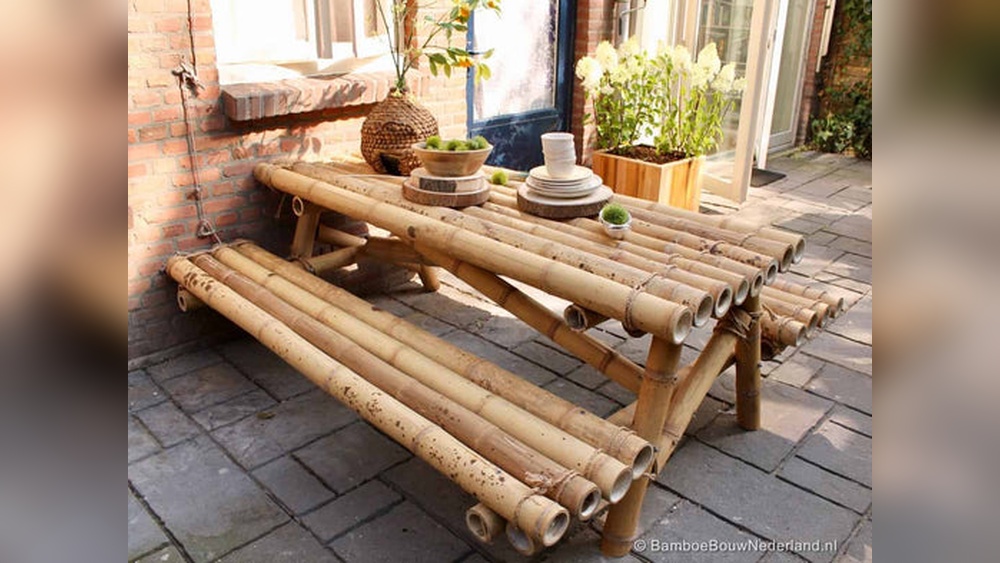
Are you looking to add a touch of natural beauty to your outdoor space? Making your own bamboo outdoor furniture is a smart and creative way to do just that.
Not only is bamboo strong and eco-friendly, but it also brings a unique charm that lasts through seasons. Imagine relaxing in a chair you built yourself, knowing it’s both stylish and sustainable. In this guide, you’ll discover simple steps and expert tips to create beautiful bamboo furniture that fits your style and budget.
Ready to transform your outdoor area with pieces you can be proud of? Let’s get started!
Choosing The Right Bamboo
Choosing the right bamboo is key to making strong and beautiful outdoor furniture. Bamboo varies in types, quality, and sources. These factors affect how long your furniture will last and how it looks. Understanding these details helps you pick the best bamboo for your project.
Types Of Bamboo For Furniture
Not all bamboo types suit furniture making. Some are thin and weak, while others are thick and sturdy. Common types used for furniture include Moso, Guadua, and Tonkin bamboo. Moso bamboo is strong and grows tall. Guadua bamboo is thick and durable. Tonkin bamboo is flexible and great for weaving. Choose a type based on your furniture style and strength needs.
Selecting Quality Bamboo
Quality bamboo is firm, straight, and free of cracks. The color should be consistent without dark spots. Freshly cut bamboo has a greenish tint, but dried bamboo turns yellow or light brown. Avoid bamboo that feels soft or hollow. Check for insects or mold signs. Dry bamboo well before using it to prevent warping and damage.
Sustainable Sourcing Tips
Choose bamboo harvested in a way that protects the environment. Bamboo grows fast and can be renewed quickly. Buy from suppliers who follow sustainable practices. Look for certifications or ask about their harvesting methods. Using sustainable bamboo helps protect forests and supports local communities. It also ensures bamboo will be available for future projects.

Credit: www.mastergardenproducts.com
Essential Tools And Materials
Making bamboo outdoor furniture requires specific tools and materials. These help shape, join, and finish the bamboo properly. Choosing the right items saves time and improves the final product’s look and strength.
Gathering everything before you start makes the building process smooth. This section covers the essential tools and supplies you need. Also, it highlights safety gear to protect you during work.
Basic Tools Needed
You need sharp saws to cut bamboo cleanly. A handsaw or a power saw works well. Sandpaper or a sanding block smooths rough edges and surfaces. Drills with bits help make holes for screws or dowels.
Measuring tools like a tape measure and a square ensure accurate cuts. A hammer or mallet is useful for tapping pieces together. Clamps hold bamboo firmly while gluing or screwing parts.
Additional Supplies
Strong glue designed for wood or bamboo joins parts tightly. Screws or nails add extra strength to connections. Wood filler can fill cracks or holes in bamboo.
Finishes like varnish or sealant protect bamboo from weather damage. Brushes are needed to apply these finishes smoothly. Sanding sealer helps the finish last longer outdoors.
Safety Gear
Protect your eyes with safety glasses. Gloves shield your hands from splinters and cuts. A dust mask stops you from breathing in fine bamboo dust.
Wear ear protection when using loud power tools. Closed-toe shoes protect your feet from falling objects. Always work in a well-ventilated area to avoid fumes from finishes.
Preparing Bamboo For Use
Preparing bamboo for outdoor furniture is a key step for lasting results. Bamboo needs careful handling before building. Proper preparation helps keep bamboo strong and safe from damage. It also makes the furniture look neat and polished.
Cleaning And Drying
Start by cleaning bamboo with water and a soft brush. Remove dirt, dust, and any sticky sap. Avoid soaking bamboo too long to prevent swelling. After cleaning, dry the bamboo in a shaded, airy place. Let it dry for several days until fully moisture-free. Dry bamboo is less likely to crack or warp later.
Cutting Techniques
Use sharp saws or knives for clean cuts. Cut bamboo at the nodes to keep strength. Avoid splintering by cutting slowly and steadily. Measure twice, cut once for exact pieces. Smooth edges with sandpaper to prevent rough spots. Precise cuts help fit pieces well during assembly.
Treating Bamboo To Prevent Pests
Bamboo attracts insects and fungi if untreated. Use natural oils like neem or tung oil to protect it. Apply the oil with a cloth or brush on all surfaces. Let the treatment soak in and dry completely. This step keeps pests away and extends bamboo’s life outdoors.
Designing Your Furniture
Designing bamboo outdoor furniture is a fun and creative step. It lets you shape your ideas into real pieces. Good design makes your furniture both useful and beautiful.
Start by thinking about the style and size that fit your outdoor space. Keep it simple and practical. This helps make the building process easier and faster.
Simple Design Ideas
Choose basic shapes like rectangles, squares, or circles. These shapes are easy to cut and join. Use straight lines and smooth curves for a neat look.
Consider designs with open spaces for light and air. A simple bench, a small table, or a stool are great starters. You can add cushions or paint later for style.
Measuring And Planning
Measure the space where you want to place the furniture. Write down the length, width, and height needed. Use these numbers as your main guide.
Think about the size of bamboo poles you will use. Plan the number of poles and the cuts needed. This saves time and bamboo waste.
Sketching Your Project
Draw your furniture on paper before building. Use simple lines to show each part. Label the pieces with their measurements.
This sketch helps you see how parts fit together. It also guides you during cutting and assembly. Keep the drawing clear and easy to read.
Building The Furniture Frame
Building the furniture frame is the first step in creating sturdy bamboo outdoor furniture. The frame forms the base that supports the entire structure. It must be strong and well-made to last outdoors. Bamboo is a flexible material, so careful construction is key.
Joining Bamboo Pieces
Connecting bamboo pieces tightly is essential. Cut the bamboo to the right size. Use a sharp saw for clean edges. Fit the pieces together at the joints. Use traditional joinery or simple lap joints. Make sure the joints fit snugly to avoid gaps.
Using Fasteners And Bindings
Fasteners hold the frame together firmly. Nails and screws work well, but use rust-resistant types. Bindings like natural fiber ropes or wire add extra strength. Wrap bindings tightly around joints. This method keeps the bamboo from splitting or moving.
Ensuring Stability
Check the frame for wobbling or weak spots. Add extra bamboo supports if needed. Cross braces help keep the frame steady. Test the frame on a flat surface. Adjust until the frame feels solid and secure.

Credit: www.youtube.com
Adding Comfort And Style
Adding comfort and style to bamboo outdoor furniture makes it inviting and beautiful. Bamboo’s natural look blends well with any garden or patio. Soft seating and thoughtful design improve your outdoor experience. Small details can change the whole feel of your furniture.
Creating Seats And Backs
Start with smooth bamboo slats for seats and backs. Use curved bamboo pieces for better support. Secure the bamboo with strong, weatherproof fasteners. Sand all surfaces to avoid splinters. Shape the backrest to fit natural body curves. This makes sitting more comfortable and relaxing.
Incorporating Cushions
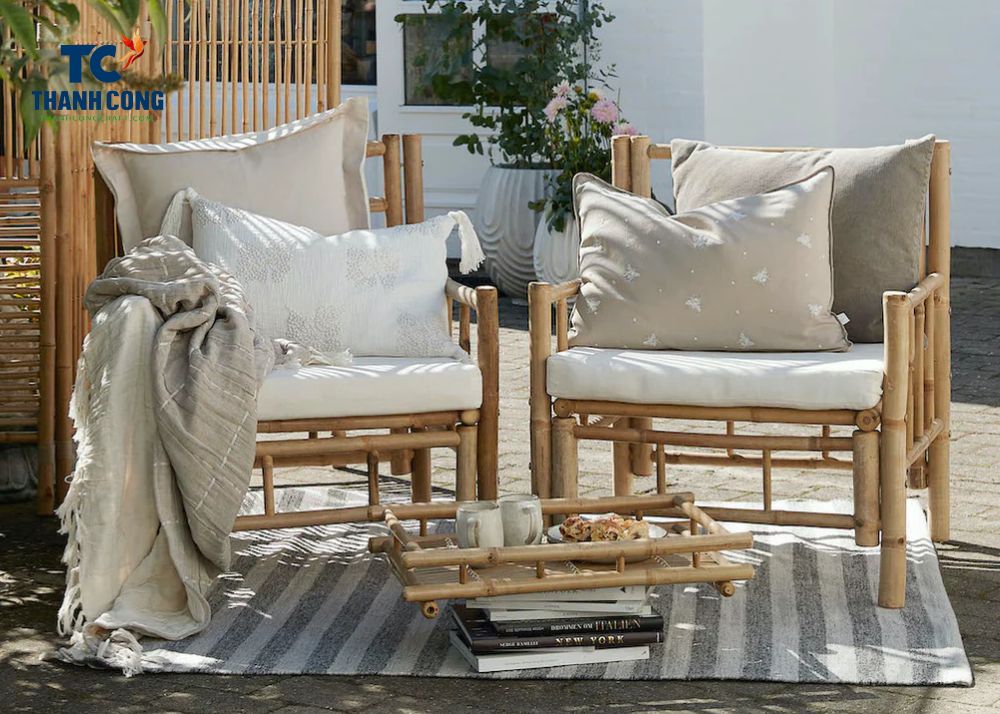
Choose cushions with outdoor, water-resistant fabric. Pick colors that match your garden or house. Use thick cushions for soft, cozy seating. Attach cushions with ties or Velcro to keep them in place. Removable covers help with easy cleaning. Cushions add both comfort and a splash of color.
Finishing Touches
Apply a clear, weatherproof sealant on all bamboo parts. This protects the furniture from rain and sun damage. Add small decorative pillows for extra charm. Use natural tones or bright colors for style. Place bamboo furniture on rugs or mats to complete the look. These details make your furniture last and look great.
Finishing And Sealing
Finishing and sealing bamboo outdoor furniture is essential. It protects the wood from weather damage. It also enhances the natural beauty of bamboo. Proper finishing keeps your furniture looking great for years. Follow these steps to finish and seal your bamboo furniture well.
Sanding For Smoothness
Start by sanding the bamboo surface. Use fine-grit sandpaper for a smooth finish. Sand along the grain to avoid scratches. Smooth surfaces help sealants stick better. Wipe off dust with a clean cloth before sealing.
Applying Sealants
Choose a waterproof sealant designed for outdoor wood. Apply the sealant evenly with a brush. Cover all surfaces, including edges and joints. Allow the first coat to dry fully before adding another. Two or three coats offer better protection.
Maintaining Outdoor Durability
Check your furniture regularly for wear and tear. Clean it gently with mild soap and water. Reapply sealant every year or after heavy rain. Keep furniture covered or stored during extreme weather. This care extends the life of bamboo furniture outdoors.
Care And Maintenance Tips
Caring for bamboo outdoor furniture keeps it strong and beautiful. Proper care extends its life and maintains its natural charm. Follow these simple tips to keep your bamboo furniture looking great for years.
Cleaning Bamboo Furniture
Remove dust and dirt regularly using a soft cloth. Use mild soap mixed with water for deeper cleaning. Avoid harsh chemicals that damage bamboo fibers. Wipe gently and dry with a clean towel. Clean at least once a month or more in dusty areas.
Protecting From Weather
Bamboo reacts to moisture and sunlight. Use a weatherproof sealant to protect the surface. Apply sealant every six months for best results. Cover furniture during heavy rain or snow. Place furniture in shaded areas to reduce sun damage.
Repairing Damage
Check furniture often for cracks or loose parts. Fill small cracks with wood filler made for bamboo. Sand rough edges smoothly after filler dries. Tighten screws and joints to keep structure stable. Replace broken parts quickly to prevent more damage.
Credit: thanhcongcraft.com
Frequently Asked Questions
What Materials Are Needed For Bamboo Outdoor Furniture?
You need bamboo poles, outdoor wood glue, screws, sandpaper, wood sealant, and outdoor paint. Proper tools include saws, drills, and clamps. Choose durable bamboo for long-lasting furniture.
How Do You Prepare Bamboo For Outdoor Use?
Cut bamboo to size and remove outer skin if desired. Sand the surface smooth. Treat with wood sealant or varnish for weather resistance. Let it dry completely before assembling.
What Are The Best Joinery Techniques For Bamboo Furniture?
Use dowel joints, lashings, or screws for strong connections. Avoid nails as they can split bamboo. Combining glue with mechanical fasteners improves stability and durability in outdoor conditions.
How To Maintain Bamboo Furniture Outdoors?
Clean regularly with mild soap and water. Reapply sealant yearly to protect against moisture and UV damage. Store furniture under cover during extreme weather to extend its life.
Conclusion
Making bamboo outdoor furniture is a fun and rewarding project. You can create strong, beautiful pieces with simple tools. Bamboo is eco-friendly and lasts well outside. Take your time and follow safety tips closely. Enjoy the process and add your personal touch.
Your outdoor space will look fresh and natural. Start small, learn, and build confidence. This craft brings both creativity and nature together. Try it today and see how bamboo transforms your garden.