Your outdoor furniture is more than just a place to sit—it’s where you create memories, relax, and enjoy the fresh air. But have you ever noticed how quickly sun, rain, and dirt can wear it down?
If you want to keep your outdoor pieces looking great and lasting longer, knowing what to use to protect them is key. You’ll discover simple, effective ways to shield your furniture from damage and keep it looking fresh season after season.
Ready to make your outdoor space a lasting oasis? Let’s dive in.
Common Weather Challenges
Outdoor furniture faces many weather problems. Protecting your furniture helps it last longer. Understanding common weather challenges guides you in choosing the right protection.
Sun Damage Effects
Strong sunlight can fade colors quickly. It can make materials dry and brittle. Plastic and wood often crack under harsh sun. UV rays break down finishes and fabrics. Covering furniture blocks harmful rays and keeps it vibrant.
Rain And Moisture Issues
Rain causes wood to swell and warp. Metal parts can rust and corrode easily. Moisture encourages mold and mildew growth. Wet cushions stay damp and smell bad. Waterproof covers and sealants stop water damage effectively.
Wind And Debris Impact
Wind can blow dirt and leaves onto furniture. It may cause scratches or dents. Loose items can fall and break furniture. Strong gusts can topple lightweight pieces. Heavy covers and secure ties prevent wind harm.
Cold And Frost Concerns
Cold temperatures make materials brittle and weak. Frost can cause cracking and splitting. Ice buildup harms cushions and fabrics. Freezing and thawing cycles damage finishes. Insulating covers protect furniture during cold months.
Protective Covers
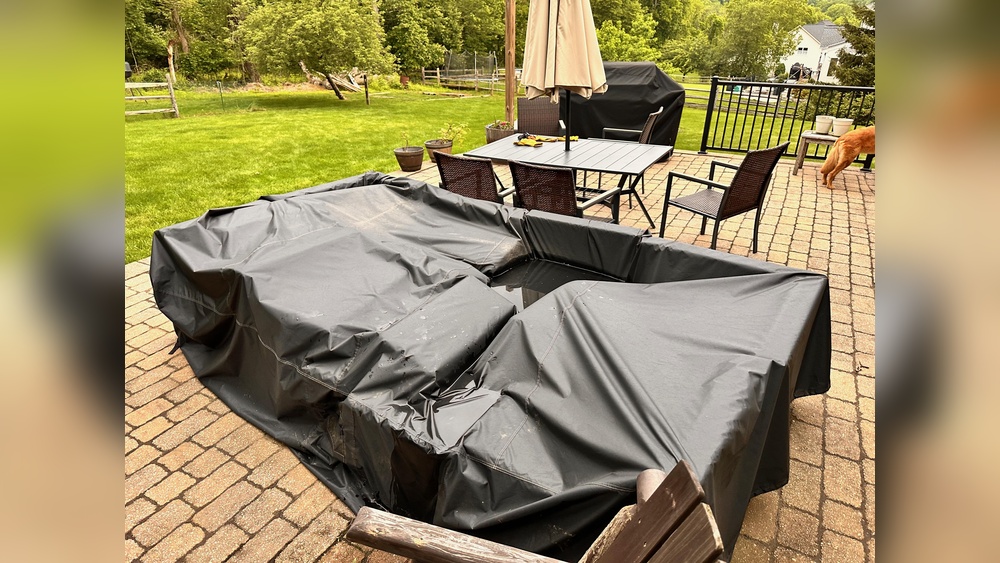
Protective covers play a vital role in keeping outdoor furniture safe from weather damage. They block rain, sun, dust, and dirt. Using covers can extend the life of your furniture and keep it looking new. Choosing the right cover depends on your furniture type and climate.
Materials For Covers
Covers come in many materials. Polyester is lightweight and water-resistant. Vinyl covers offer strong water protection but can trap heat. Canvas is durable and breathable, reducing moisture build-up. Look for UV-resistant fabric to prevent sun damage. A good cover should be tough and protect against rain and sun.
Choosing The Right Fit
Pick a cover that fits snugly over your furniture. Too loose, and wind can blow it off. Too tight, and it may tear. Measure your furniture before buying. Consider covers with adjustable straps or elastic hems. These features help keep the cover in place during strong winds.
Maintenance Tips
Clean covers regularly to avoid mold and dirt buildup. Use mild soap and water for washing. Let the cover dry completely before storing. Store covers in a dry place when not in use. Check for holes or tears and repair them quickly. Proper care keeps covers effective and extends their life.
Weatherproof Sealants
Weatherproof sealants protect outdoor furniture from rain, sun, and dirt. They create a strong barrier that stops water and dust from damaging wood, metal, or plastic. Using the right sealant keeps furniture looking good longer and reduces wear and tear from the weather.
Types Of Sealants
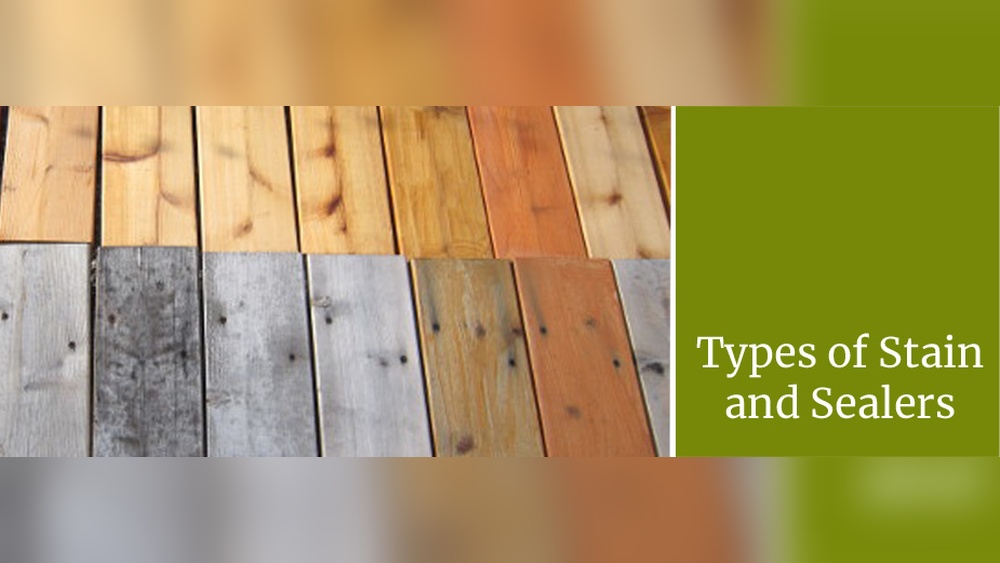
There are several types of weatherproof sealants for outdoor furniture. Clear sealants keep the natural look of wood. They are water-based or oil-based. Oil-based sealants last longer but take more time to dry. Water-based sealants dry faster and clean up easily with soap and water.
For metal furniture, rust-resistant sealants prevent corrosion. Silicone sealants work well on plastic furniture. They stop cracking and fading caused by sun and rain. Choose a sealant that matches your furniture material for the best protection.
Application Techniques
Clean furniture before applying sealants. Remove dirt, dust, and old paint. Use sandpaper to smooth rough surfaces. Stir the sealant well before use. Apply with a brush, roller, or spray.
Use thin, even coats to avoid drips and bubbles. Let each coat dry fully before adding another. Usually, two or three coats are enough. Work in a shaded area to prevent the sealant from drying too fast. Follow the product instructions for best results.
Longevity And Reapplication
Sealant protection lasts from six months to several years. Factors like weather, material, and sealant type affect this. Check furniture regularly for signs of wear or peeling.
Reapply sealant when the surface looks dull or water no longer beads. Clean and prepare the surface before reapplying. Regular maintenance extends the life of your furniture and keeps it looking fresh.

Credit: ledgeloungers.com
Furniture Finishes
Protecting outdoor furniture extends its life and keeps it looking good. Furniture finishes create a barrier against weather, dirt, and wear. These finishes also improve the furniture’s appearance. Choosing the right finish depends on the material and how you want it to look.
Paints And Stains
Paints cover furniture with a solid color. They protect wood from moisture and sun damage. Paint hides imperfections well. Stains soak into the wood and highlight its natural grain. They also protect against water and UV rays. Both paints and stains come in many colors and finishes. Choose one that suits your style and outdoor conditions.
Oils And Waxes
Oils penetrate wood to keep it from drying out. They bring out the wood’s natural beauty and add warmth. Waxes create a thin protective layer on the surface. They help repel water and dirt. Oils and waxes need reapplication every year or so. They work well on hardwoods and natural finishes.
Benefits For Different Materials
Wood benefits most from oils, waxes, stains, and paint. Metals do well with special rust-resistant paints. Plastic furniture can use spray paints made for plastic surfaces. Wicker and rattan need clear sealers to protect without hiding texture. Match the finish type to your furniture material for best results.
Furniture Materials And Protection
Outdoor furniture faces sun, rain, wind, and dust every day. Different materials need different care to last longer. Protecting furniture well keeps it looking good and strong. Learn simple ways to care for wood, metal, and plastic furniture.
Wood Protection Methods
Wood furniture needs sealing to stop water damage. Use outdoor wood sealants or varnish for a strong layer. Apply oil like teak or linseed to keep wood from drying. Sand the surface gently before applying any product. Cover wood pieces during heavy rain or snow. Store indoors in winter to avoid cracking and warping.
Metal Furniture Care
Metal furniture can rust if left wet or exposed. Clean it with mild soap and water to remove dirt. Dry the surface well after washing to prevent rust. Apply a rust-resistant spray or paint to protect metal parts. Check joints and screws often and tighten if loose. Use furniture covers to shield metal from rain and sun.
Plastic And Resin Tips
Plastic and resin furniture is easy to clean and maintain. Wash with soapy water to remove dirt and stains. Avoid harsh chemicals that can damage the material. Store plastic furniture indoors or under a cover during strong storms. Use UV protectant sprays to stop fading from the sun. Replace any cracked parts to keep furniture safe and stable.
Storage Solutions
Protecting outdoor furniture is key to keeping it in good shape. Storage solutions play a big role in this. Proper storage stops damage from sun, rain, dust, and pests. It also helps your furniture last longer and look better.
Seasonal Storage Ideas
Store furniture away during harsh weather months. Use waterproof covers to protect from rain and snow. Bring cushions inside to keep them dry and clean. Store smaller items in plastic bins to avoid moisture damage. Consider a shed or garage for bulky pieces. Rotate furniture storage spots to prevent wear in one area.
Indoor Vs Outdoor Storage
Indoor storage offers the best protection. It keeps furniture safe from weather and pests. A garage, basement, or spare room works well. Outdoor storage needs strong, weatherproof covers. Use furniture covers made of breathable material. Avoid plastic sheets that trap moisture. Raise furniture off the ground to prevent water damage. Choose storage spots with good air flow.
Space-saving Tips
Stack chairs to save room when storing. Fold tables and store vertically if possible. Use storage benches that double as seating. Hang furniture on wall hooks to clear floor space. Use shelves to store small cushions and accessories. Label storage bins for easy access later. Keep storage areas tidy to avoid damage and clutter.
Regular Maintenance
Regular maintenance keeps outdoor furniture looking fresh and lasting longer. Dirt, dust, and weather can wear down materials fast. Simple care steps protect your investment and keep your furniture ready to use.
Cleaning Routines
Clean your furniture often to remove dust and grime. Use a soft brush or cloth with mild soap and water. Avoid harsh chemicals that can damage surfaces. Rinse well and dry completely to stop mold and rust. Regular cleaning prevents stains and keeps colors bright.
Inspecting For Damage
Check furniture regularly for cracks, loose screws, or rust spots. Early detection stops small problems from growing. Look under cushions and joints for wear and tear. Fix minor damage quickly to keep furniture safe and stable. This saves money and effort in the long run.
Preventive Measures
Cover furniture during rain or snow to avoid water damage. Use waterproof covers or store pieces in a shed or garage. Apply protective sealants or oils to wood and metal surfaces. Move furniture to shaded areas to reduce sun fading. These steps help furniture resist weather and stay strong.
Credit: eclipseshading.com

Credit: www.andersonlumbercompany.com
Frequently Asked Questions
What Materials Best Protect Outdoor Furniture?
Weather-resistant materials like teak, aluminum, and synthetic wicker offer excellent protection. They resist moisture, UV rays, and rust, ensuring durability in various climates.
How Often Should I Apply Furniture Protectant?
Apply protectant every 3 to 6 months depending on exposure. Regular application maintains water resistance and prevents fading or cracking from sunlight.
Can Outdoor Furniture Covers Prevent Damage?
Yes, covers shield furniture from rain, dust, and sun exposure. Choose breathable, waterproof covers for effective protection and to avoid mold buildup.
Is Sealant Necessary For Wooden Outdoor Furniture?
Sealants are crucial for wooden furniture to prevent water absorption and cracking. They enhance longevity by creating a protective barrier against moisture and UV damage.
Conclusion
Protecting outdoor furniture keeps it looking good longer. Use covers or sealants to block water and sun damage. Clean your furniture regularly to avoid dirt buildup. Store cushions inside when not in use to keep them dry. Simple steps prevent wear and save money on repairs.
Enjoy your outdoor space without worry. Small efforts make a big difference. Stay consistent and your furniture will last through every season.