Are you dreaming of a cozy outdoor space but don’t want to spend a fortune on patio furniture? What if you could create your own stylish and sturdy pieces, perfectly tailored to your taste and space?
Building your own outdoor patio furniture isn’t just a fun project—it’s a way to make your backyard truly yours. Keep reading, and you’ll discover simple steps, smart tips, and creative ideas that will turn your outdoor area into the perfect retreat.
Ready to roll up your sleeves and get started? Your dream patio is closer than you think.
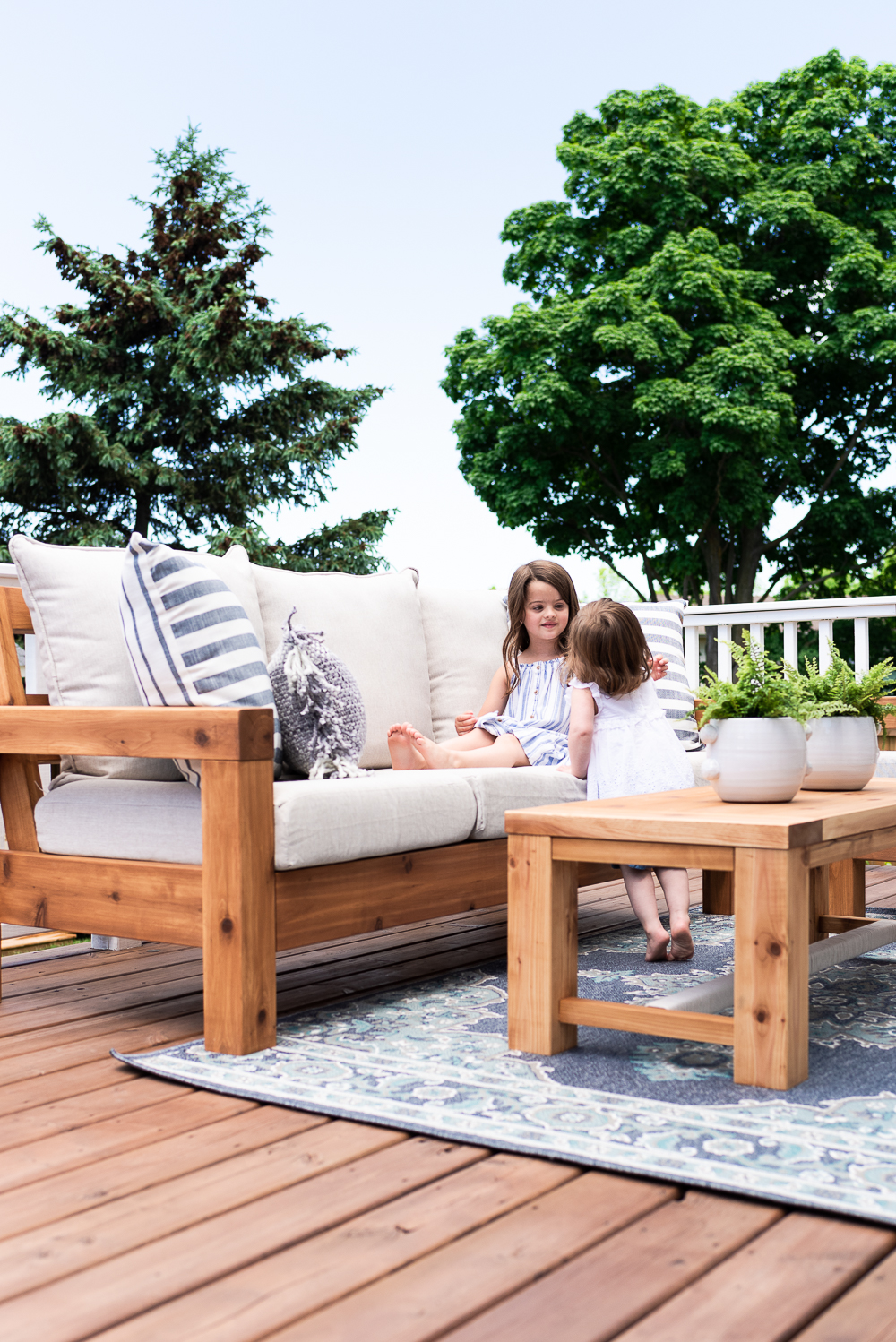
Credit: www.nickandalicia.com
Choosing Materials
Choosing the right materials is key to building outdoor patio furniture that lasts. Your choice affects the furniture’s look, strength, and weather resistance. Select materials that suit your climate and style. Consider how much care each material needs to stay beautiful. This guide covers popular choices to help you decide.
Wood Options
Wood is a classic choice for patio furniture. It feels warm and natural. Cedar and teak resist moisture and insects well. Pine is cheaper but needs more treatment to protect it. Always use outdoor wood sealant to prevent cracking and fading. Sand smooth before painting or staining for best results.
Metal Choices
Metal furniture is strong and modern. Aluminum is light and resists rust easily. Steel is heavier and very durable but needs rust protection. Wrought iron looks elegant but can be heavy and needs regular paint touch-ups. Metal frames work well with wooden or fabric seats. Add cushions for comfort and style.
Recycled Materials
Recycled materials suit eco-friendly projects. Reclaimed wood adds character and saves trees. Pallets can be turned into sturdy furniture with some effort. Plastic lumber is weatherproof and needs no maintenance. These materials are budget-friendly and reduce waste. Choose recycled options to make your patio green.

Credit: www.youtube.com
Design Ideas
Designing your own outdoor patio furniture lets you bring personality to your space. Simple styles or bold looks, all are possible with DIY projects. Choose a style that suits your taste and outdoor area. Here are some easy ideas to inspire your next build.
Rustic Charm
Rustic charm uses natural wood and rough textures. Old pallets, logs, or reclaimed wood fit this style well. Sand the wood lightly and leave some knots or cracks. Use earthy colors like browns and greens. Add cushions with plaid or floral prints for comfort. This style feels warm and inviting.
Modern Minimalist
Modern minimalist focuses on clean lines and simple shapes. Use smooth wood or metal with neutral colors. White, black, or gray work best here. Keep furniture pieces low and sleek. Avoid too many decorations. This design creates a calm and neat patio.
Boho Vibes
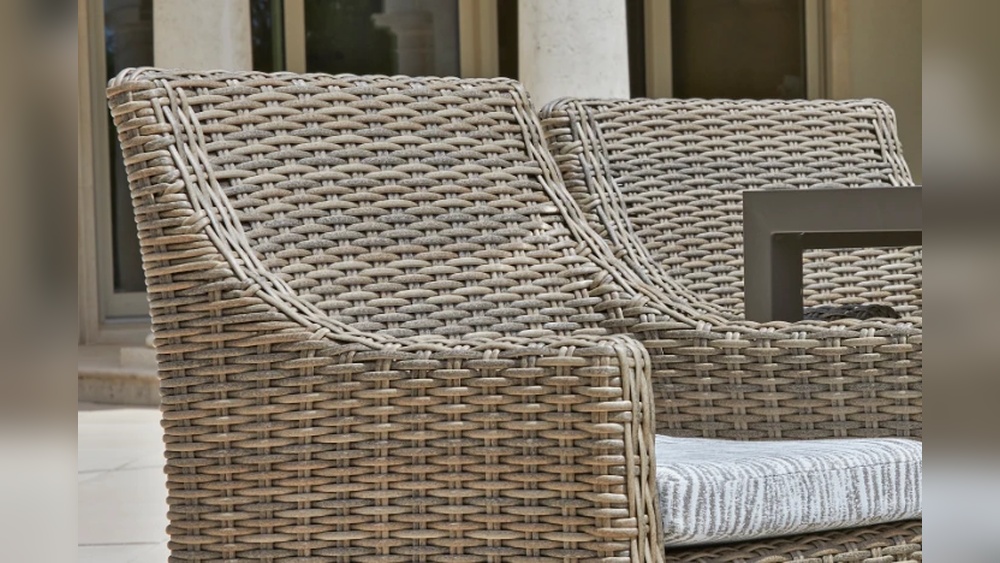
Boho vibes mix colors, patterns, and textures freely. Use bright cushions and patterned fabrics. Combine wood, rattan, and metal for a relaxed look. Add plants and lanterns for a cozy feel. This style feels fun, casual, and full of life.
Tools You Need
Building your own outdoor patio furniture can be a fun and rewarding project. The right tools make the job easier and help you get better results. Here is a list of essential tools you need before starting.
Basic Hand Tools
Some hand tools are a must for any DIY furniture project. A hammer helps with nails and small adjustments. Screwdrivers, both flathead and Phillips, are needed for screws. A tape measure lets you check dimensions accurately. A carpenter’s square helps keep corners straight. Sandpaper smooths rough edges and prepares surfaces for painting or staining.
Power Tools
Power tools save time and effort. A drill with different bits makes holes and drives screws quickly. A circular saw cuts wood to the right size fast. A jigsaw is great for cutting curves and shapes. A sander speeds up smoothing large wood areas. If you want to shape wood edges, a router is useful.
Safety Gear
Safety is important during any project. Wear safety glasses to protect your eyes from flying debris. Use ear protection when using loud power tools. Gloves protect your hands from splinters and sharp edges. A dust mask keeps you from breathing sawdust. Wear sturdy shoes to protect your feet from heavy objects.
Step-by-step Projects
Creating your own outdoor patio furniture is fun and rewarding. These step-by-step projects guide you through easy builds. Each project uses simple materials and tools. Perfect for beginners and those with some experience. Let’s start building your personalized patio space.
Simple Wooden Bench
Start with basic wood planks and screws. Cut the wood to size: seat, legs, and supports. Sand all pieces for smooth edges. Assemble the frame by attaching legs to the seat. Use screws to secure everything tightly. Paint or stain the bench to protect it from weather. Let it dry fully before use. This bench fits nicely in any garden or porch.
Pallet Coffee Table
Find a sturdy wooden pallet. Clean it well and remove any nails. Sand the surface to avoid splinters. Cut the pallet to the desired table size if needed. Attach legs or wheels for easy movement. Paint or seal the wood to increase durability. Add a glass top for a polished look. This table is great for outdoor drinks and snacks.
Cinder Block Seating
Gather cinder blocks and wooden planks. Stack blocks to form the base and sides. Place wooden planks on top as the seat. Secure the planks with screws or brackets. Add cushions for comfort and style. This seating is strong and easy to customize. Paint blocks to match your patio decor. A simple, modern choice for outdoor relaxation.
Painting And Finishing
Painting and finishing your DIY outdoor patio furniture protects it and improves its look. Proper painting stops wood or metal from damage. Finishing adds style and makes furniture last longer in sun and rain.
Choosing the right paint and finish is important. It helps your furniture stay strong and beautiful through all seasons. Small steps in painting and finishing can make a big difference in durability.
Choosing Paint Types
Pick paint made for outdoor use. These paints resist sun, rain, and temperature changes. Acrylic latex paint works well on wood and metal. It dries fast and cleans easily with water.
Oil-based paint is tough and sticks well. It lasts longer but takes more time to dry. Use spray paint for metal furniture for smooth coverage. Check the label to make sure paint is waterproof.
Weatherproofing Tips
Seal your furniture with a clear topcoat to protect paint. Use polyurethane or spar varnish for strong weatherproofing. Apply two or three thin coats for best results. Let each coat dry fully before adding the next.
Sand lightly between coats to keep the surface smooth. Cover all edges and corners well. These areas get wet first and can wear out faster. Store furniture under cover or use waterproof covers when not in use.
Creative Finishes
Try different finishes to add personality to your patio. Distressing paint gives a rustic, worn look. Use chalk paint for a matte, vintage style. Stencils and patterns add fun designs without much effort.
Mix paint colors for a unique, custom look. Use a sponge or rag to create texture. Finishing touches can turn simple furniture into a stylish feature of your outdoor space.
Cost-saving Tips
Building your own outdoor patio furniture saves you a lot of money. Simple steps help keep costs low. Smart choices for materials and tools make a big difference. Small efforts add up to great savings.
Here are some cost-saving tips to help you create beautiful, budget-friendly patio furniture.
Sourcing Affordable Materials
Buy wood and supplies from local lumber yards or discount stores. Check online marketplaces for good deals. Choose durable but low-cost materials like pine or cedar. Buy only what you need to avoid waste.
Look for sales or clearance sections in hardware stores. Sometimes you can find quality materials at half price. Use basic finishes and paints instead of expensive coatings.
Repurposing Old Items
Old furniture parts can become new patio pieces. Use wooden pallets, crates, or doors for tables and benches. Sand and paint them for a fresh look. Salvage metal or plastic parts for extra support.
Check your garage or basement for unused items. Repurposing saves money and reduces waste. Plus, it adds a unique style to your furniture.
Diy Vs. Store-bought
DIY furniture often costs less than store-bought items. You avoid paying for brand names and store overheads. Building your own gives more control over quality and design.
Store-bought furniture may save time but can be expensive. Sometimes, it lacks the durability you want. DIY also provides a rewarding experience and a sense of pride.
Maintenance And Care
Taking care of your DIY outdoor patio furniture keeps it looking good longer. Regular maintenance stops damage and saves money. Simple habits protect your furniture from weather and wear.
Cleaning Routines
Clean your furniture regularly to avoid dirt build-up. Use a soft brush or cloth with mild soap and water. Rinse well and dry with a towel. Avoid harsh chemicals that can damage finishes. Clean cushions by removing covers and washing as instructed.
Seasonal Protection
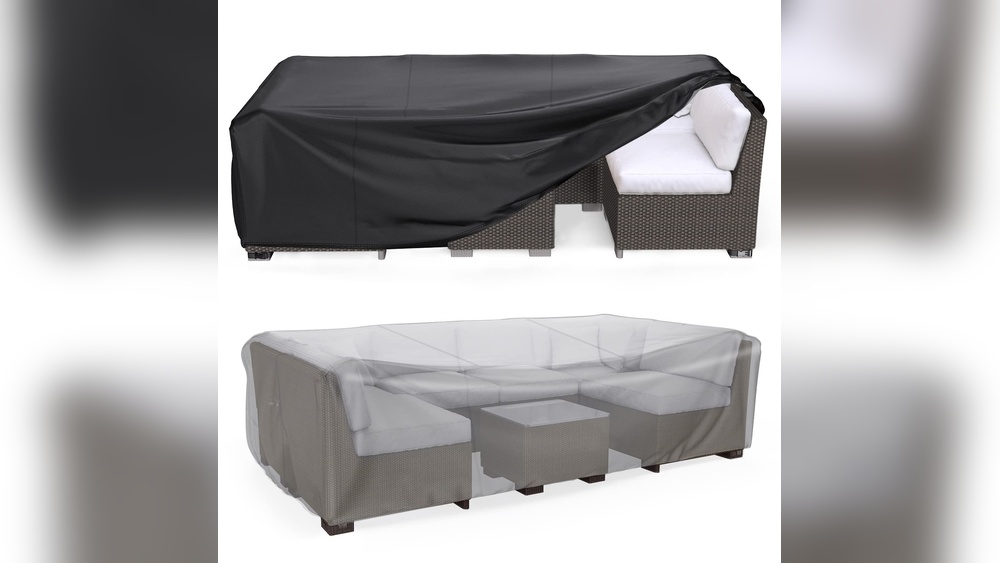
Cover your furniture during bad weather. Use waterproof covers to block rain and snow. Store smaller items indoors in winter. Apply a protective sealant to wood or metal to stop rust and cracking. Move furniture to shaded areas to prevent sun damage.
Repair Tricks
Fix small problems before they get worse. Tighten loose screws and bolts regularly. Sand down rough spots on wood and repaint if needed. Patch tears in fabric with repair kits. Replace broken parts quickly to keep furniture safe and sturdy.

Credit: www.northcountrynest.com
Frequently Asked Questions
What Materials Are Best For Diy Outdoor Patio Furniture?
Wood, metal, and recycled plastic are popular for DIY patio furniture. Wood offers a natural look but needs sealing. Metal is durable and weather-resistant. Recycled plastic is eco-friendly and low-maintenance. Choose materials based on climate, style, and maintenance preferences for long-lasting furniture.
How Do I Protect Diy Patio Furniture From Weather?
Use weatherproof sealants or paint to protect wood furniture. Apply rust-resistant coatings for metal pieces. Store cushions indoors during rain. Cover furniture with waterproof covers when not in use. Regular maintenance extends the life of your DIY outdoor furniture significantly.
What Basic Tools Do I Need For Diy Patio Furniture?
Common tools include a saw, drill, screwdriver, measuring tape, and sander. Clamps and safety gear like gloves and goggles are essential. Power tools can speed up the process but hand tools work well too. Having the right tools ensures easier, safer construction.
How Can I Design Affordable Diy Outdoor Furniture?
Use reclaimed or pallet wood to reduce costs. Keep designs simple with basic shapes and fewer materials. Repurpose old furniture with fresh paint or cushions. DIY projects save money and add a personal touch to your patio space.
Conclusion
Creating your own outdoor patio furniture brings joy and pride. It saves money and lets you choose styles you like. Simple tools and materials work well for most projects. You can make pieces that fit your space perfectly. Enjoy the process and learn new skills along the way.
Your patio will feel special with furniture made by you. Try a project soon and see the difference yourself.