Are you looking for a simple way to protect and refresh your outdoor furniture? Linseed oil might be the answer you’ve been searching for.
But can you really treat your outdoor furniture with linseed oil, and will it keep your pieces looking great season after season? You’ll discover how linseed oil works, why it’s a favorite for wood care, and what you need to know before applying it to your outdoor furniture.
Keep reading to learn how to bring new life to your outdoor space with a natural and effective treatment.
Benefits Of Linseed Oil For Outdoor Furniture
Linseed oil offers many benefits for outdoor furniture care. It nourishes and protects wood naturally. This oil enhances the furniture’s look and extends its life.
Applying linseed oil keeps wood strong against weather damage. It works well on many wood types. The oil is easy to use and affordable.
Enhancing Wood Grain And Color
Linseed oil brings out the wood’s natural beauty. It deepens the color and highlights the grain. This makes furniture look richer and warmer. The oil adds a soft shine without glossiness. Wood appears fresh and well-maintained.
Water Resistance And Protection
Linseed oil creates a barrier on wood surfaces. It helps repel water and moisture. This prevents wood from swelling or cracking. The oil also slows down weather damage. It keeps outdoor furniture safer from rain and sun.
Natural And Eco-friendly Option
Linseed oil is made from flax seeds. It contains no harmful chemicals or toxins. This makes it safe for people and pets. It is biodegradable and good for the environment. Choosing linseed oil supports eco-friendly furniture care.
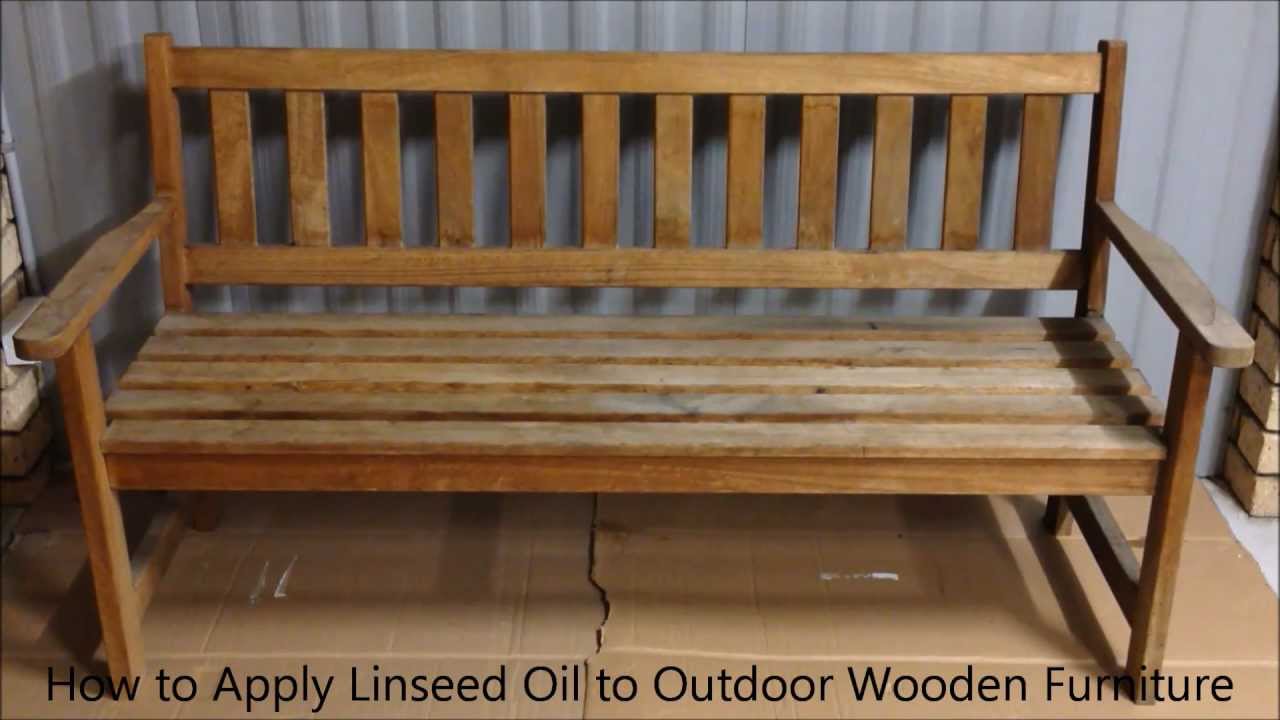
Credit: www.youtube.com
Types Of Linseed Oil Suitable For Outdoor Use
Linseed oil is a popular choice for treating outdoor furniture. It protects the wood and keeps it looking fresh. Different types of linseed oil suit outdoor use differently. Knowing which type to use helps you get the best results. Here are the main types of linseed oil for outdoor furniture.
Raw Linseed Oil
Raw linseed oil is the purest form. It absorbs slowly into the wood. It takes a long time to dry. This oil offers natural protection but less durability. It works best for light outdoor use or indoor furniture.
Boiled Linseed Oil
Boiled linseed oil dries faster than raw oil. It contains drying agents to speed up curing. This type provides better protection against water and sun. It is a popular choice for outdoor furniture. Reapply it every year for best results.
Polymerized Linseed Oil
Polymerized linseed oil is heated before packaging. This process makes it thicker and more durable. It dries faster and forms a harder finish. It offers stronger protection for outdoor wood. Ideal for furniture exposed to harsh weather.
Preparing Outdoor Furniture Before Treatment
Preparing outdoor furniture before applying linseed oil is important for good results. Proper preparation helps the wood absorb the oil better. It also makes the finish last longer and look smooth. This step takes some time but it is worth the effort.
Cleaning And Sanding
Start by cleaning the furniture with mild soap and water. Remove all dirt, dust, and grime from the surface. Let the wood dry completely before sanding. Use fine-grit sandpaper to smooth rough spots. Sanding opens the wood pores for better oil absorption. Always sand in the direction of the wood grain.
Repairing Damages
Check the furniture for cracks or splits. Fill small holes or cracks with wood filler. Let the filler dry fully before sanding it smooth. Replace broken or loose parts if needed. Repairing damage keeps the furniture strong and stable. It also prevents water from seeping into the wood.
Removing Old Finishes
Strip off old paint or varnish using a chemical remover or sandpaper. Old finishes block the linseed oil from soaking in. Use a scraper carefully to avoid damaging the wood. After removing finishes, clean the surface again to clear dust. The wood must be bare and clean before oil treatment.
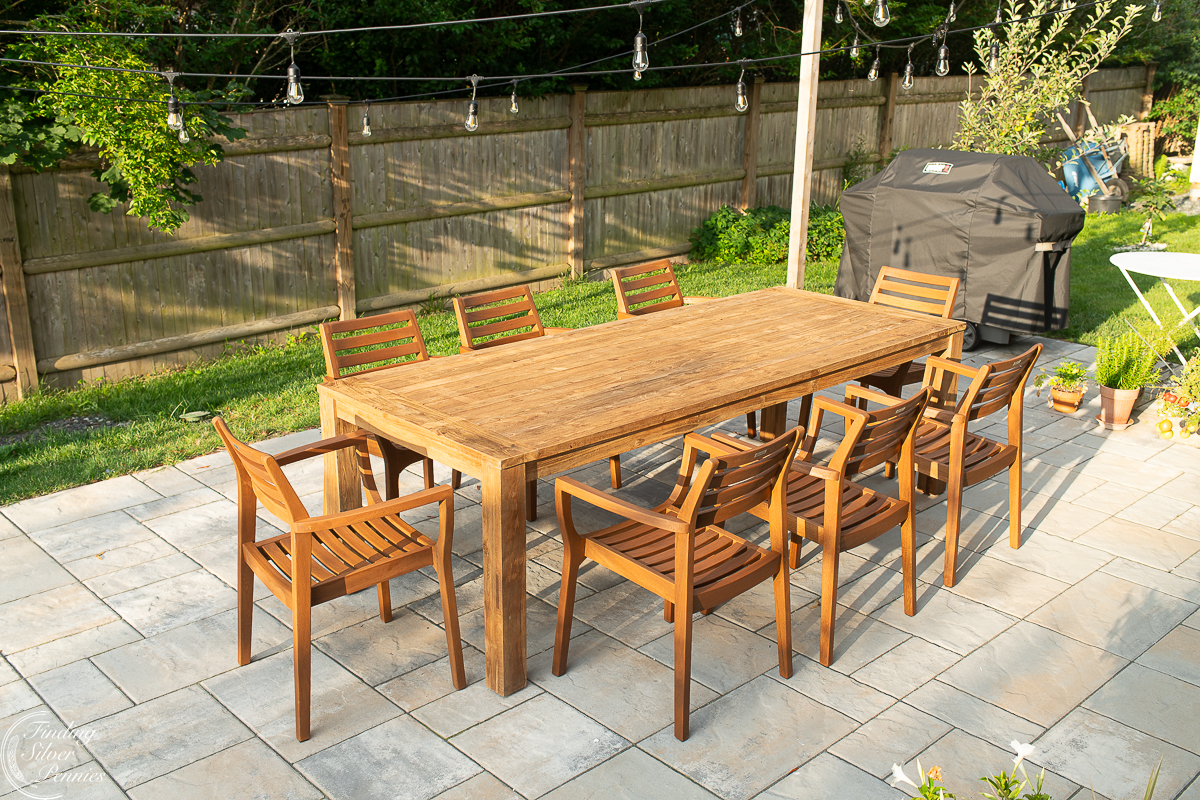
Credit: www.findingsilverpennies.com
Step-by-step Application Process
Applying linseed oil to outdoor furniture is a simple process. It protects the wood and keeps it looking fresh. Follow these easy steps for the best results. Patience and care make all the difference.
Applying The First Coat
Start by cleaning the furniture well. Use sandpaper to smooth rough spots. Shake the linseed oil bottle before use. Use a clean cloth or brush to apply the oil. Spread it evenly over the wood surface. Cover every part, including corners and edges. Let the oil soak into the wood slowly. Avoid applying too much at once. Wipe off any extra oil after 15 minutes.
Drying Time And Curing
Let the furniture dry in a well-ventilated area. Drying usually takes 24 to 48 hours. Avoid touching or using the furniture during this time. The oil needs time to cure and harden. Curing strengthens the wood’s protection. Do not rush this step. Proper drying prevents sticky or uneven surfaces.
Applying Additional Coats
Apply more coats for better protection. Wait for each coat to dry fully. Repeat the same method as the first coat. Usually, two to three coats work well. More coats increase water resistance and durability. Lightly sand the surface before each new coat. This helps the oil absorb better. Finish with a clean, dry cloth to remove excess oil.
Maintenance Tips After Treatment
After treating outdoor furniture with linseed oil, regular care is key. Proper maintenance helps keep the wood looking fresh and lasting longer. It also protects the wood from damage caused by weather and dirt. Follow these simple tips to maintain your furniture well after treatment.
Regular Cleaning
Clean your furniture often to remove dust and dirt. Use a soft brush or cloth with mild soap and water. Avoid harsh chemicals that can strip the oil finish. Rinse with clean water and dry with a towel. This keeps the wood healthy and ready for the next oil application.
Reapplying Linseed Oil
Reapply linseed oil every few months to keep the wood nourished. Lightly sand the surface before applying oil to remove rough spots. Use a clean cloth to spread a thin, even layer of oil. Let it soak in for several hours, then wipe off extra oil. This renews the wood’s protection and shine.
Protecting Against Harsh Weather
Keep furniture covered during heavy rain or snow to prevent damage. Move pieces to a sheltered area when possible. Use waterproof covers that allow air flow to avoid mold. These steps help the wood stay strong and avoid cracking or warping. Proper protection extends the life of your outdoor furniture.

Credit: www.findingsilverpennies.com
Common Mistakes To Avoid
Applying linseed oil to outdoor furniture can protect and enhance its look. Yet, mistakes during treatment reduce its benefits. Avoiding common errors helps keep furniture safe and beautiful for longer.
Over-application
Too much linseed oil creates a sticky surface. It traps dirt and dust easily. Thick layers take longer to dry and may peel off. Use a thin, even coat for best results.
Ignoring Drying Time
Linseed oil needs time to soak and dry fully. Rushing the process leads to a tacky finish. Wait at least 24 hours between coats. Proper drying ensures deep protection and durability.
Using The Wrong Type Of Oil
Not all linseed oils suit outdoor furniture. Raw linseed oil dries slowly and may not protect well. Boiled linseed oil is faster drying and better for wood. Choose the right type to avoid damage.
Alternatives To Linseed Oil For Outdoor Furniture
Linseed oil is a popular choice for treating outdoor furniture. It protects wood and brings out its natural beauty. Still, other options work well too. These alternatives offer different benefits for your outdoor pieces. Each product varies in protection, look, and ease of use. Knowing these can help you pick the best finish for your furniture.
Tung Oil
Tung oil comes from the seeds of the tung tree. It soaks deep into wood and forms a strong, water-resistant layer. This oil dries faster than linseed oil. It also resists mildew and cracks better. Tung oil gives wood a warm, natural shine. It works well on hardwoods and softwoods alike.
Teak Oil
Teak oil is made especially for dense woods like teak. It penetrates wood fibers and keeps them from drying out. This oil adds a rich, golden color. It helps prevent fading in sunlight. Teak oil is easy to apply and dries quickly. It suits outdoor furniture that faces harsh weather.
Synthetic Sealers
Synthetic sealers are made from man-made chemicals. They create a tough, protective coat on wood surfaces. These sealers block water, dirt, and UV rays well. They last longer than natural oils. Synthetic sealers often dry clear and do not change wood color much. They need less frequent reapplication but require good surface prep.
Frequently Asked Questions
Can Linseed Oil Protect Outdoor Furniture?
Yes, linseed oil penetrates wood, providing water resistance and preventing cracking. It enhances wood durability and maintains natural beauty outdoors.
How Often Should Outdoor Furniture Be Treated?
Treat outdoor furniture with linseed oil every 6 to 12 months. Regular application keeps wood nourished and protected from weather damage.
Is Boiled Linseed Oil Better For Furniture?
Boiled linseed oil dries faster and offers quicker protection. It is preferred for outdoor furniture due to faster curing time.
Can Linseed Oil Cause Wood Discoloration?
Linseed oil may slightly darken wood, enriching its natural color. This effect is usually desirable and adds warmth to outdoor furniture.
Conclusion
Treating outdoor furniture with linseed oil protects wood and keeps it looking fresh. It soaks deep into the fibers, stopping cracks and dryness. Applying linseed oil is simple and safe for most wood types. Regular treatment helps furniture last longer in sun and rain.
Just remember to clean the surface before applying the oil. This natural method saves money and avoids harsh chemicals. Give your outdoor furniture the care it needs with linseed oil. A small effort brings big benefits.