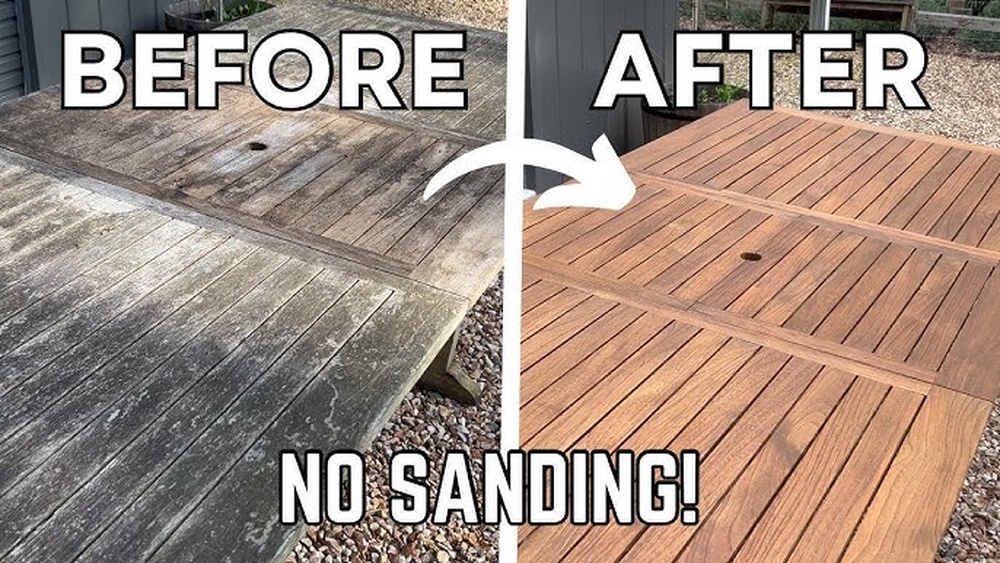
Choosing the right stain for your outdoor furniture can be tricky. You want something that not only looks great but also protects your investment from sun, rain, and wear.
The wrong stain could leave your wood fading, cracking, or peeling faster than you expect. But don’t worry—this guide will help you find the perfect stain that keeps your furniture strong and beautiful season after season. Keep reading to discover which stain suits your outdoor space best and how to make your furniture last longer with just a simple choice.
Credit: outdoorfurnitureplus.com
Types Of Outdoor Furniture Stains
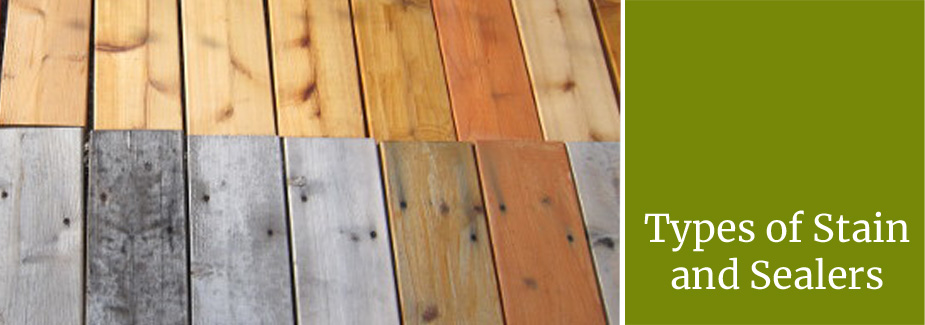
Choosing the right stain protects outdoor furniture from sun and rain. Different stains offer various benefits. Some stains soak deep into the wood, while others sit on the surface. Knowing the types helps pick the best stain for your furniture.
Each stain type changes the wood’s look and durability. This guide explains four common types of outdoor furniture stains.
Oil-based Stains
Oil-based stains penetrate deep into the wood fibers. They protect wood from moisture and sun damage. These stains last longer and enhance the natural grain. Oil-based stains take longer to dry but offer strong protection. They are best for hardwood furniture.
Water-based Stains
Water-based stains dry quickly and clean up easily with soap and water. They have less odor and fewer chemicals. These stains maintain color better over time. Water-based stains are ideal for softwoods and furniture with intricate details. They offer good protection but may need reapplication sooner.
Gel Stains
Gel stains have a thick consistency like jelly. They stick well to vertical surfaces without dripping. Gel stains work great on rough or weathered wood. They provide even color and hide imperfections. These stains dry slower but give a smooth finish.
Semi-transparent Vs. Solid Stains
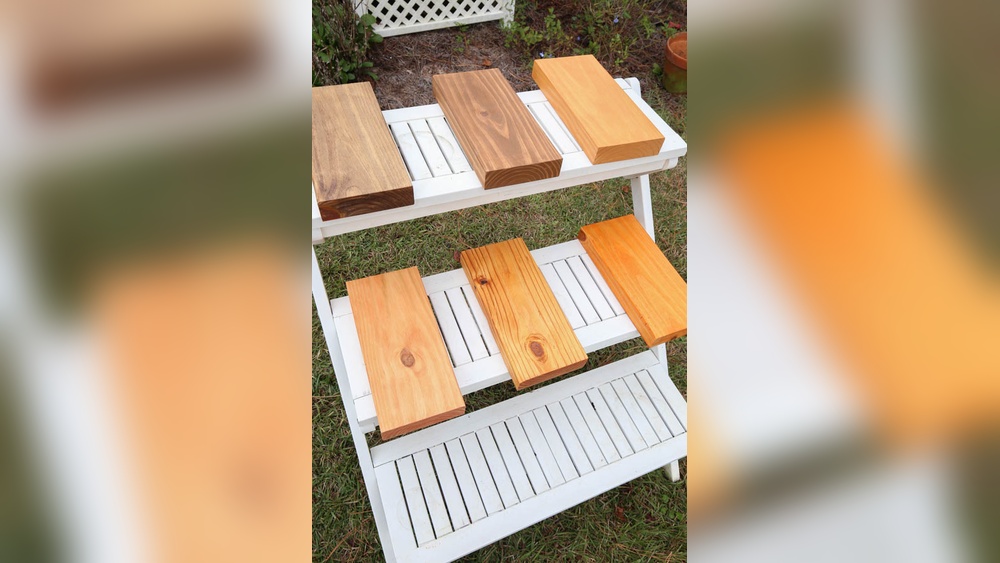
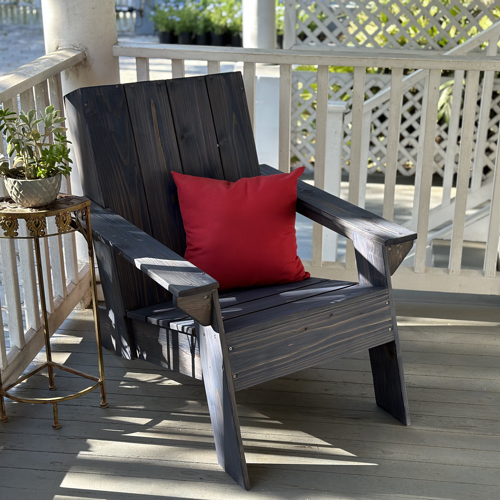
Semi-transparent stains let the wood grain show through. They add color while keeping natural texture visible. These stains offer moderate protection and enhance the wood’s beauty. Solid stains cover the wood completely, hiding grain and flaws. They provide strong protection and last longer. Choose based on how much wood texture you want to keep.
Credit: thecraftsmanblog.com
Factors To Consider When Choosing A Stain
Choosing the right stain for outdoor furniture matters. It protects the wood and keeps it looking good. The wrong stain can cause damage or fade quickly. Several key factors help pick the best stain. These points ensure your furniture lasts long and stays beautiful.
Wood Type Compatibility
Different woods absorb stain in different ways. Softwoods like pine need a thinner stain. Hardwoods like teak may need oil-based stains. Check if the stain matches your wood type. This keeps the color even and the finish smooth.
Weather Resistance
Outdoor furniture faces rain, snow, and humidity. Choose a stain that prevents water damage. Water-resistant stains stop wood from swelling and cracking. This protects the furniture through all seasons.
Uv Protection
Sunlight can fade wood and stain colors. UV protection slows down this fading. A stain with UV blockers keeps colors bright longer. This helps your furniture look fresh under strong sun.
Ease Of Application
Some stains are easier to apply than others. Water-based stains dry quickly and clean up with soap. Oil-based stains may need more time and special cleaners. Pick a stain you can apply well for best results.
Top Stain Recommendations For Outdoor Furniture
Choosing the right stain for outdoor furniture protects the wood and enhances its look. Different woods need different stains to stay beautiful and strong. This section shares top stain picks for various types of wood and needs.
Best For Teak And Hardwood
Teak and hardwood need stains that keep their rich color. Oil-based stains work well. They soak deep and protect from water damage. Look for stains with UV blockers. These help prevent fading under the sun. Regular application keeps hardwood looking fresh for years.
Best For Softwood
Softwood is easier to damage by weather. Use water-repellent stains for softwood. These stains form a barrier against moisture. Semi-transparent stains highlight the wood’s natural grain. They add color without hiding the texture. Choose stains with mildew resistance to fight mold.
Eco-friendly Stains
Eco-friendly stains contain fewer chemicals. They are safer for people and the environment. Look for stains labeled low-VOC or non-toxic. These stains still protect well against sun and rain. Many use natural oils and pigments. Good for families and outdoor spaces.
Budget-friendly Options
Affordable stains can still offer solid protection. Look for water-based stains with good reviews. They dry quickly and clean up with soap and water. Avoid very cheap stains that peel or fade fast. A mid-range stain usually lasts longer and saves money in time.
Preparing Furniture For Staining
Preparing outdoor furniture for staining is a key step to ensure a smooth and lasting finish. Proper preparation helps the stain soak evenly and protects the wood from weather damage. Taking time to prepare your furniture can save effort later and keep it looking fresh.
Cleaning And Sanding
Start by cleaning the furniture to remove dirt and old finishes. Use a mild soap and water with a soft brush. Rinse well and let it dry completely. Sand the surface with fine-grit sandpaper. This opens the wood pores for better stain absorption. Sand in the direction of the wood grain for a smooth finish.
Repairing Damages
Check for cracks, splinters, or loose joints. Fill small cracks with wood filler and let it dry. Sand the filled areas smooth. Tighten or glue any loose parts. Repairing damages before staining helps the wood last longer and look better.
Choosing The Right Tools
Pick brushes or rags designed for staining wood. Brushes with natural bristles work well for smooth surfaces. Use foam brushes or cloths for even coats on detailed areas. Have sandpaper, wood filler, and gloves ready. Using the right tools makes staining easier and more effective.
Application Tips For Long-lasting Results
Applying stain to outdoor furniture needs care and attention. Good application helps the stain last longer. It also protects the wood from weather damage. Following simple tips can improve the finish and durability of your furniture.
Using the right technique ensures even color and prevents peeling. Proper drying and the right number of coats make a big difference. These steps create a strong shield against sun and rain.
Applying Even Coats
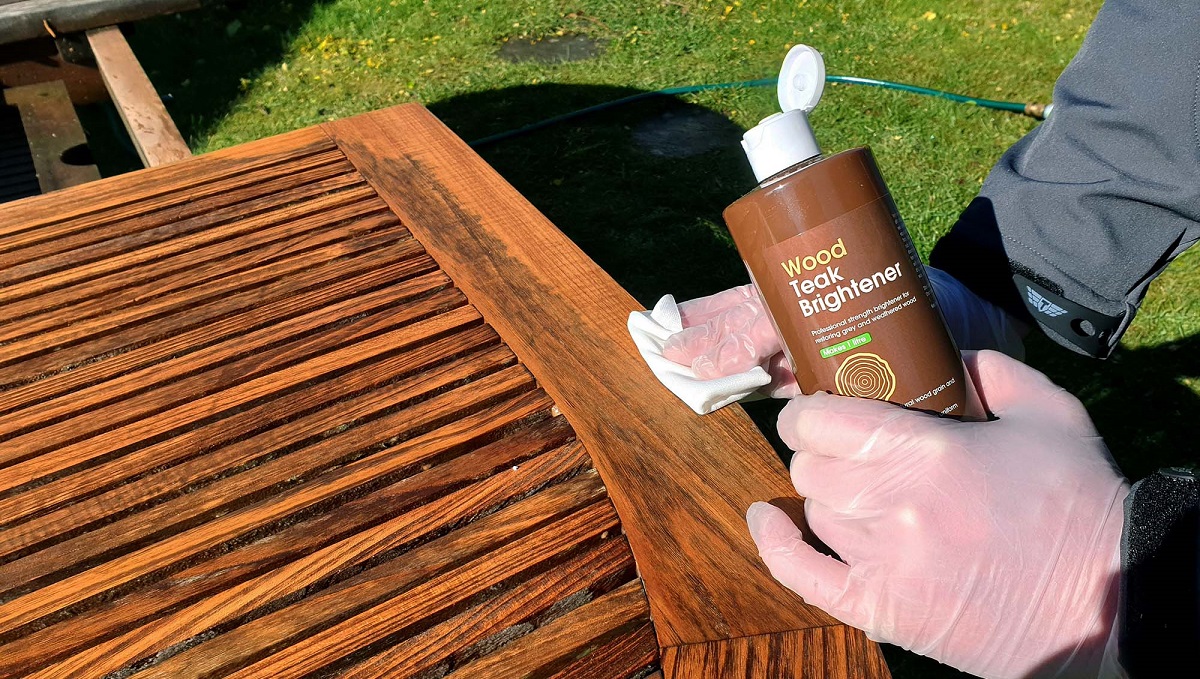
Start with clean, dry furniture. Use a brush or cloth to apply stain. Spread the stain smoothly and evenly. Avoid thick layers that drip or pool. Thin coats soak into the wood better. Work with the wood grain for best results.
Drying And Curing Times
Let the stain dry completely between coats. Drying times vary by weather and stain type. Warm, dry days speed up drying. Avoid applying stain before rain. Curing takes longer and strengthens the finish. Wait several days before using furniture.
Number Of Coats Needed
Most outdoor furniture needs two to three coats. The first coat soaks into the wood. Additional coats build color and protection. Thin, even layers work best. Check the stain instructions for specific guidance. Too many coats can cause peeling.
Credit: www.furnitureclinic.co.uk
Maintenance And Re-staining Tips
Proper maintenance keeps outdoor furniture looking fresh and lasting longer. Stains protect wood but need care. Regular cleaning and timely re-staining prevent damage. Mold and mildew can ruin the wood’s surface. Simple steps help protect your investment and keep furniture attractive year-round.
Cleaning Outdoor Furniture
Start by brushing off dirt and dust. Use a mild soap mixed with water for scrubbing. Avoid harsh chemicals that can strip the stain. Rinse with clean water and let dry completely. Clean furniture at least twice a year to maintain its look.
When To Reapply Stain
Check your furniture every year for signs of wear. Fading, peeling, or dullness means it’s time to re-stain. Clean the surface before applying new stain. Use a brush or cloth to spread the stain evenly. Let it dry fully before use or exposure to rain.
Protecting Against Mold And Mildew
Mold grows in damp, shaded areas. Keep furniture in sunny spots or well-ventilated spaces. Apply a stain with mildew-resistant properties. Wipe off water and leaves regularly to avoid moisture buildup. Treat spots of mold quickly with a gentle cleaner to stop spread.
Frequently Asked Questions
What Type Of Stain Is Best For Outdoor Furniture?
Oil-based stains are ideal for outdoor furniture. They penetrate wood deeply, providing long-lasting protection and enhancing natural grain. These stains resist moisture, UV rays, and mildew, making them perfect for outdoor exposure. They also help prevent cracking and peeling over time, ensuring durability.
How Long Does Outdoor Furniture Stain Last?
Typically, outdoor furniture stain lasts 2 to 3 years. Factors like weather, sunlight, and wood type affect durability. Regular maintenance and reapplication extend its lifespan. High-quality stains with UV protection usually perform better in harsh outdoor conditions.
Can I Use Indoor Wood Stain On Outdoor Furniture?
Indoor wood stains are not recommended for outdoor furniture. They lack the necessary protection against moisture and UV damage. Outdoor stains contain special additives to withstand weather elements, preserving wood and preventing decay.
Should I Seal Outdoor Furniture After Staining?
Yes, sealing outdoor furniture after staining adds extra protection. A clear sealant guards against moisture, sun damage, and wear. It also enhances stain longevity and keeps the wood looking fresh for longer periods.
Conclusion
Choosing the right stain protects outdoor furniture from sun and rain. Oil-based stains often work best for deep protection. Water-based stains dry quickly and offer easy cleanup. Always pick a stain that matches your wood type and climate. Regular staining keeps furniture looking fresh and lasts longer.
A good stain saves money by preventing damage. Think about color, finish, and durability before buying. Proper care makes your outdoor space inviting and cozy. Staining is a simple step with big benefits. Keep your furniture beautiful all year round.